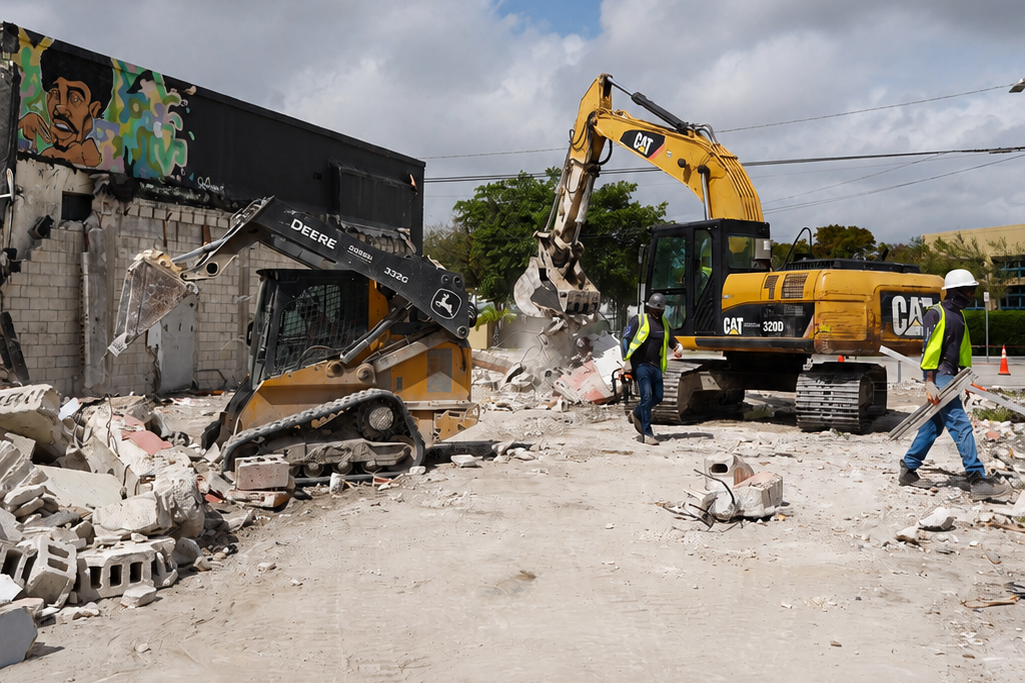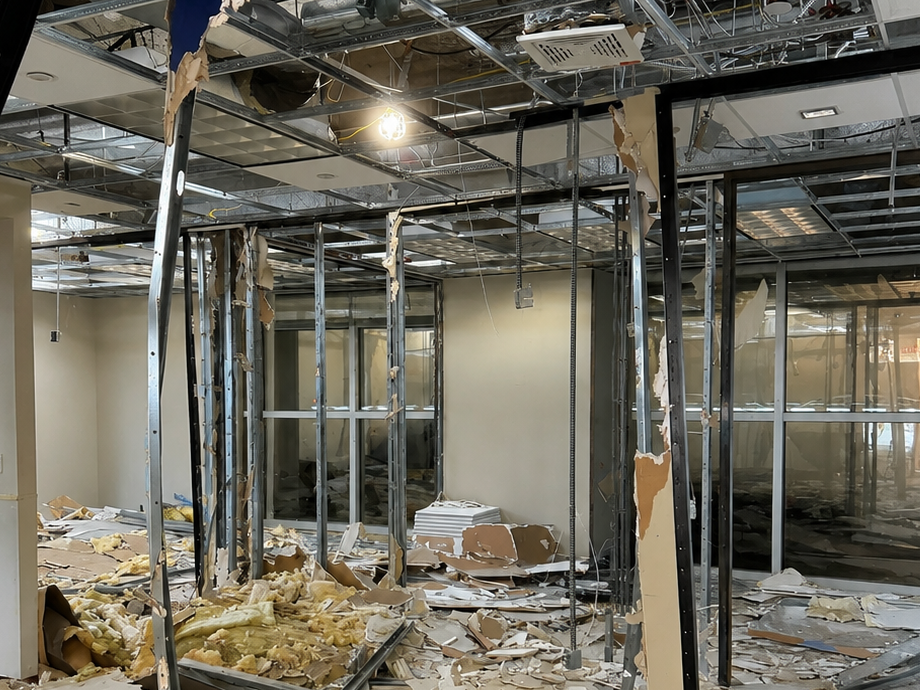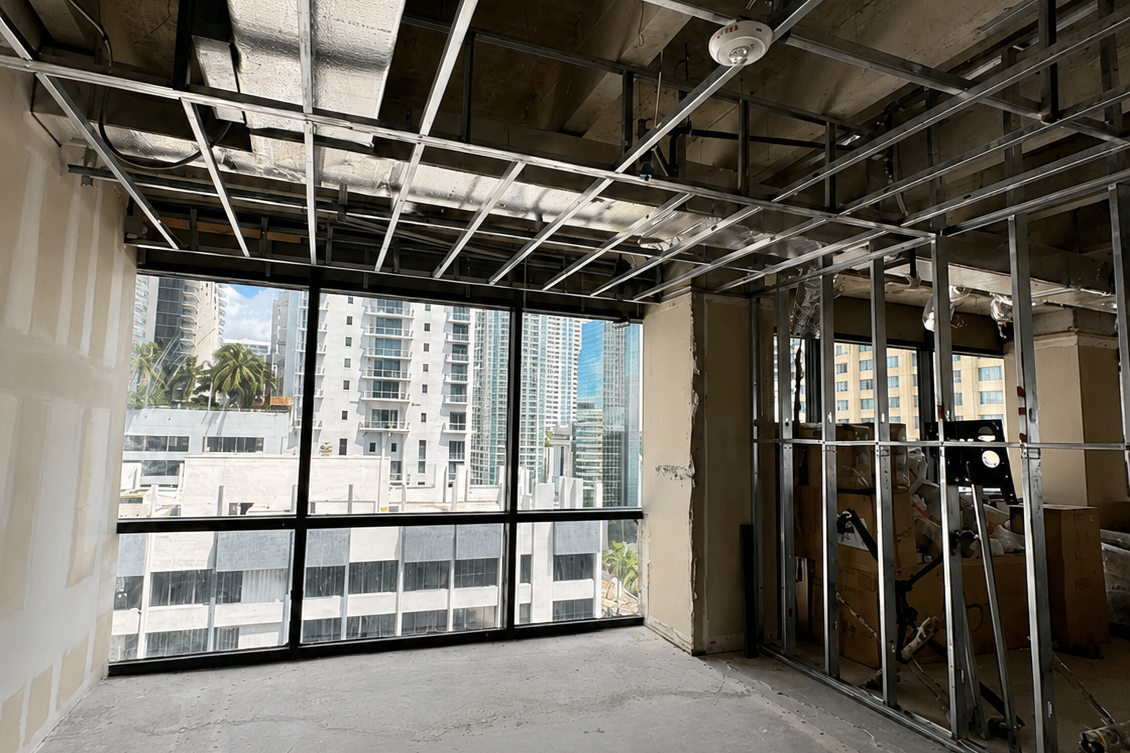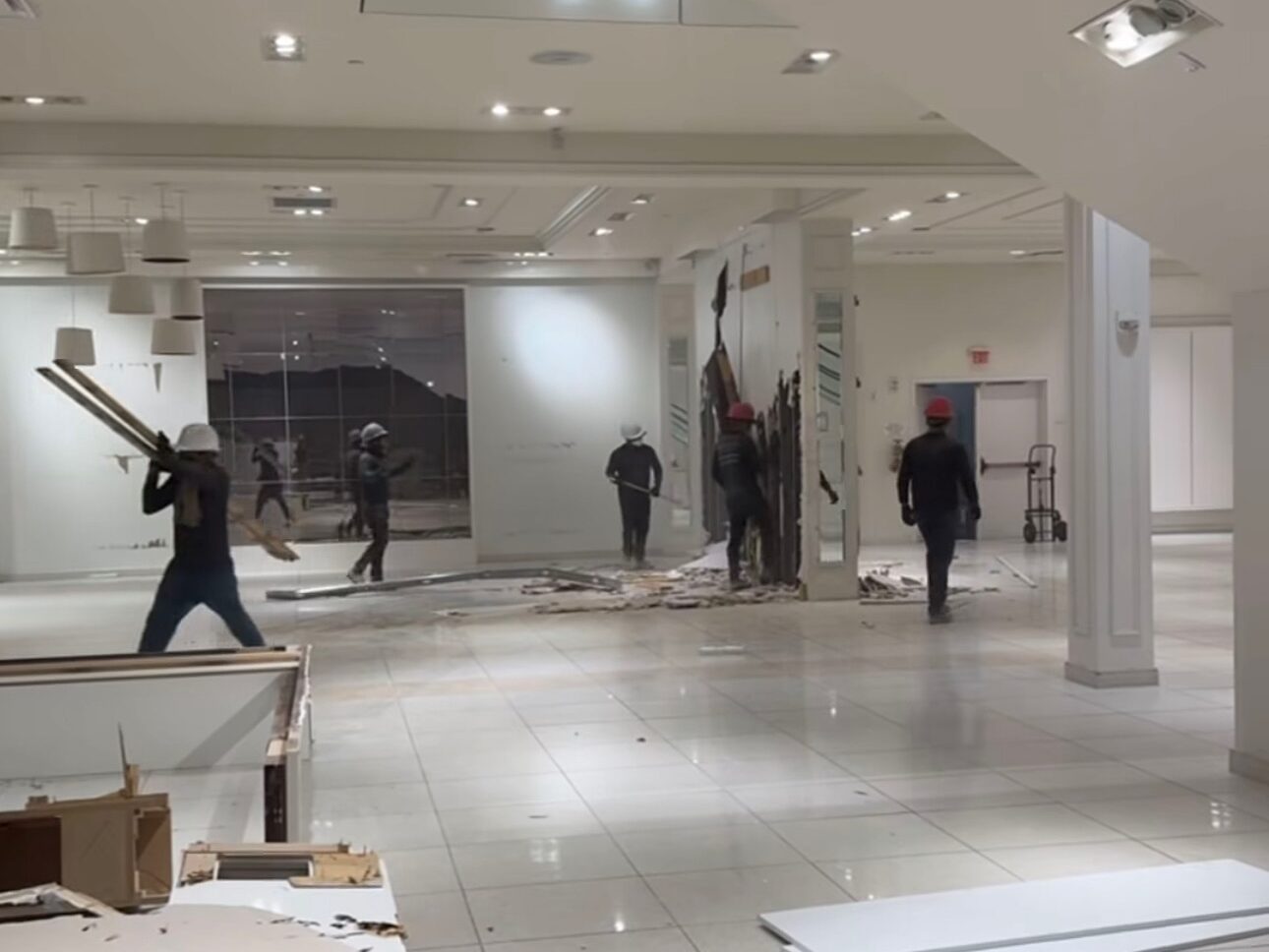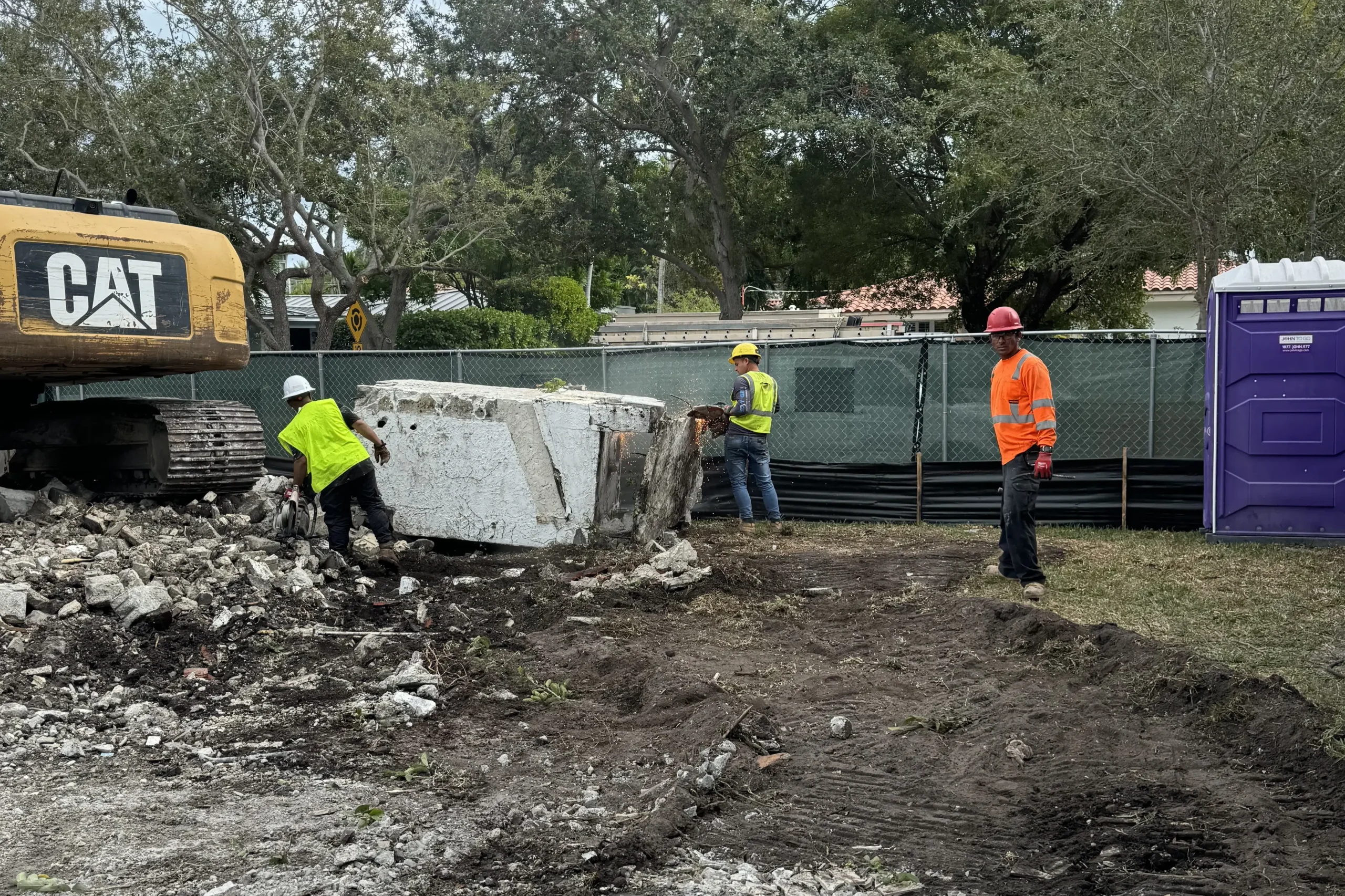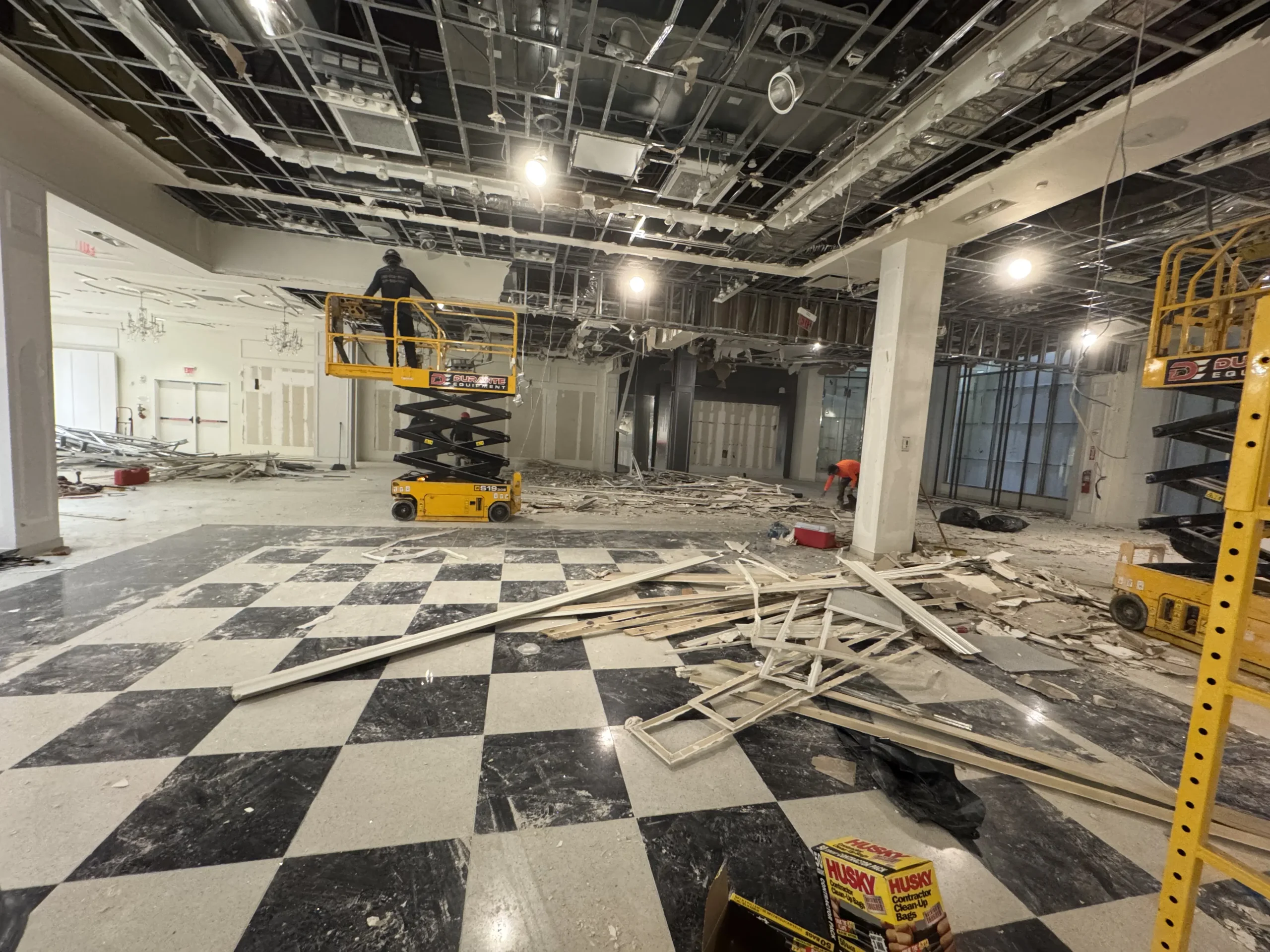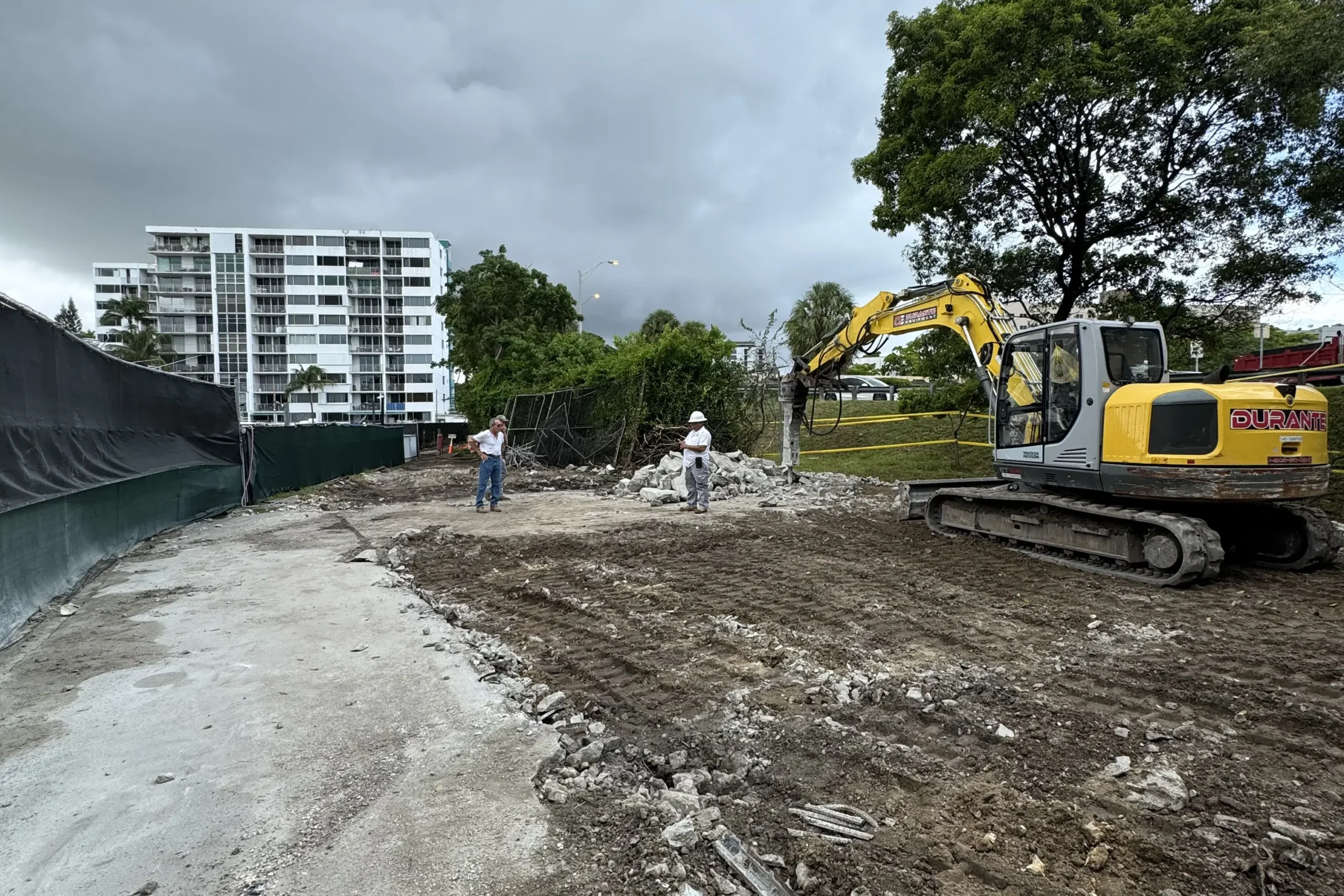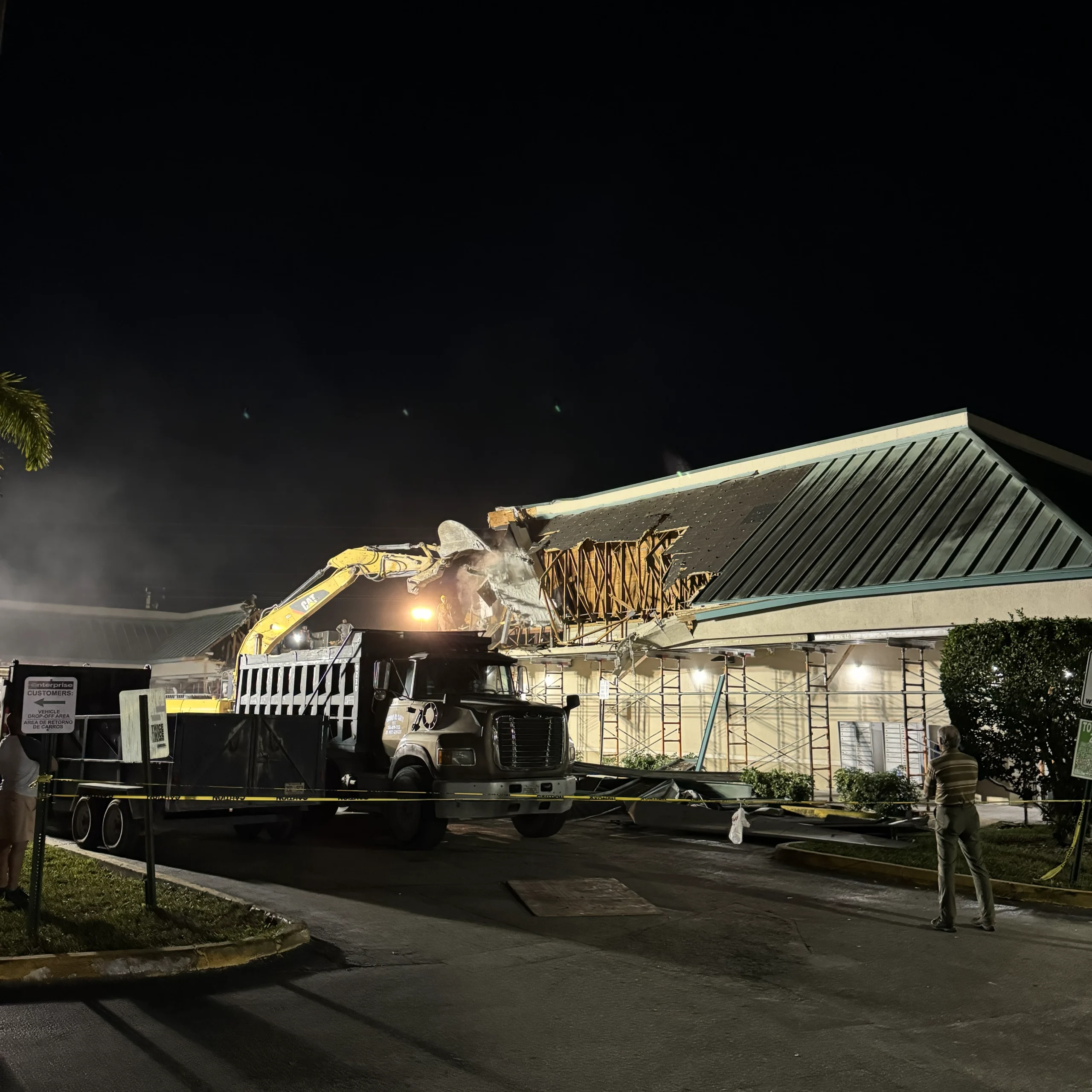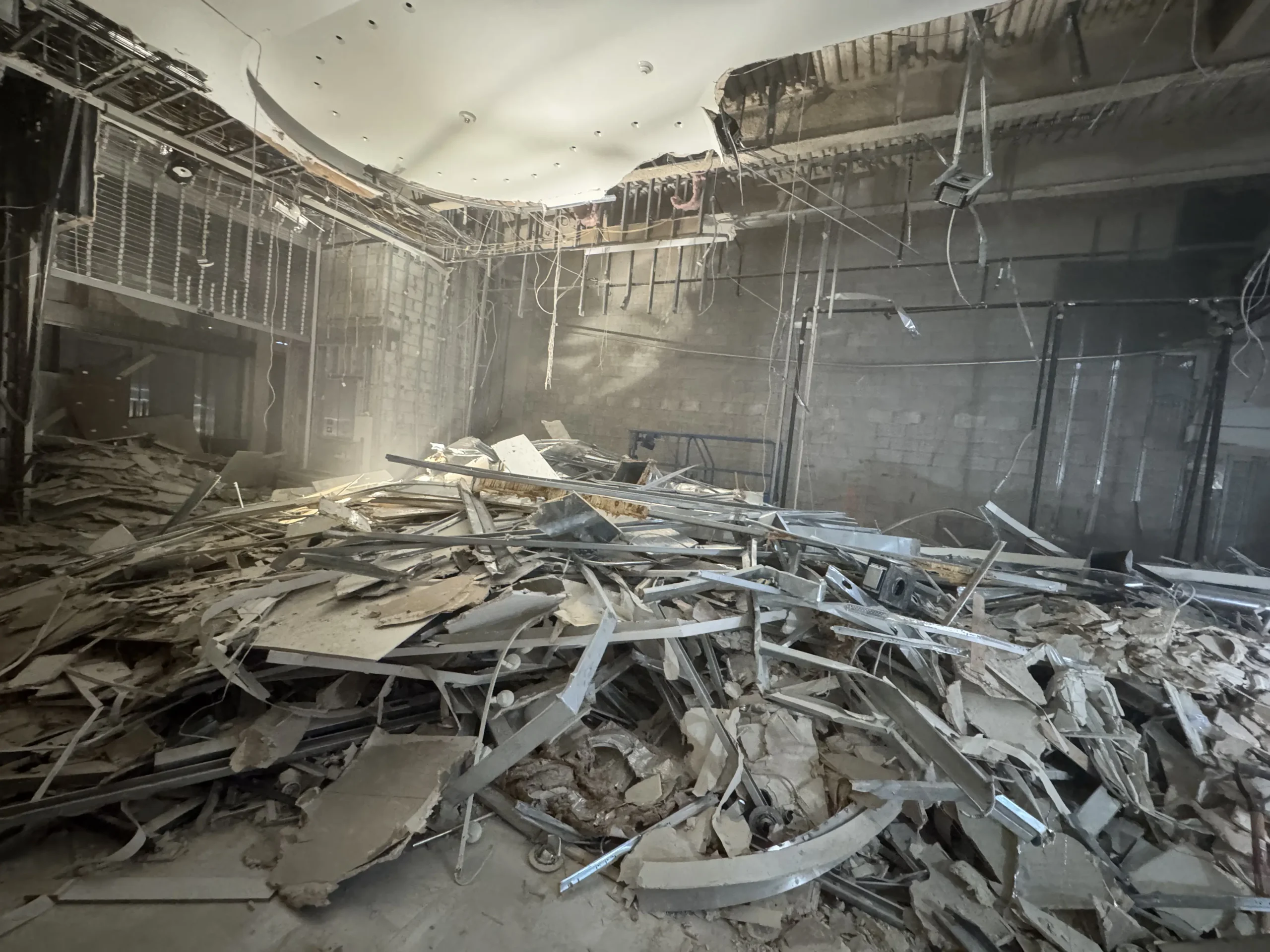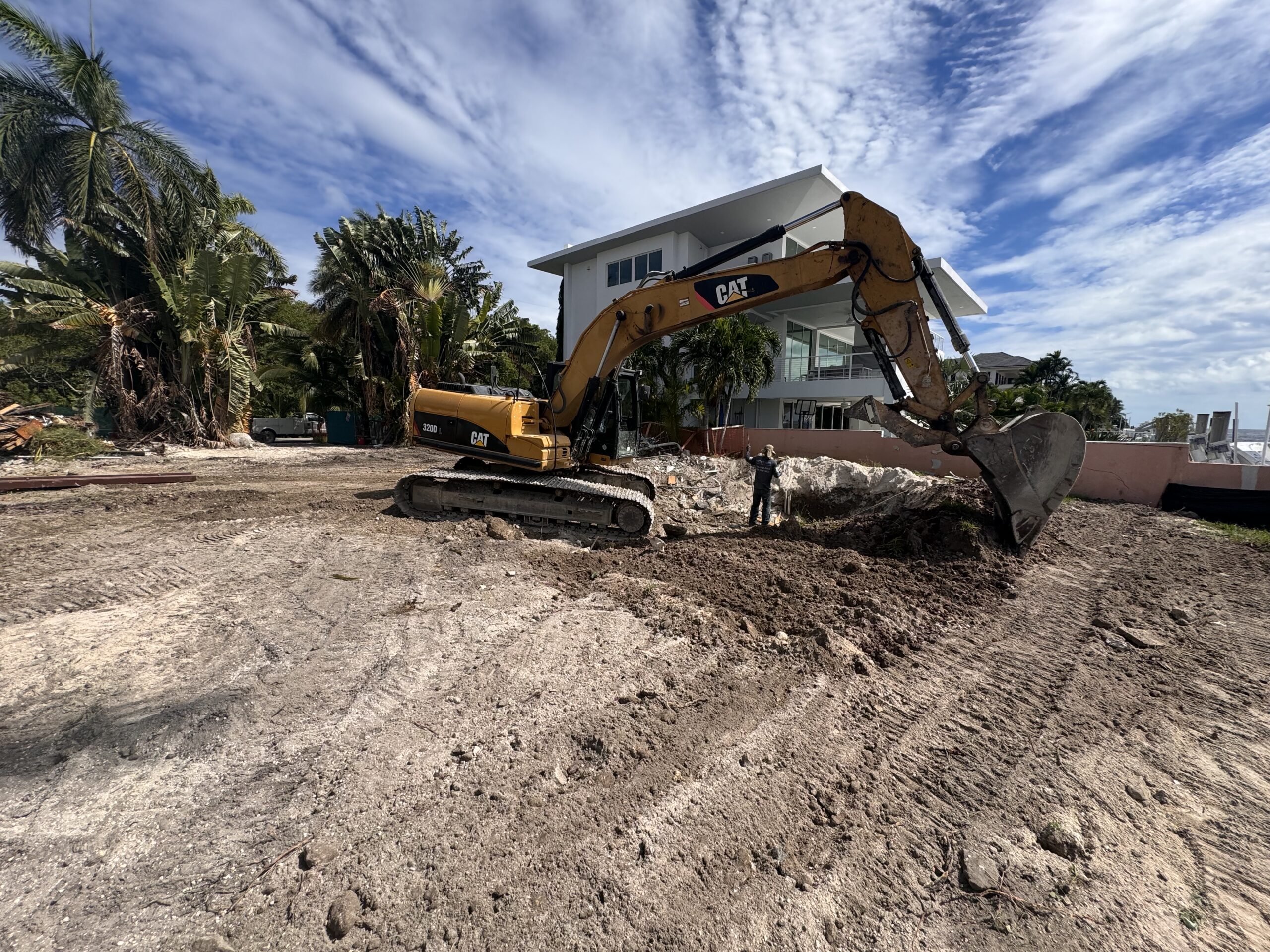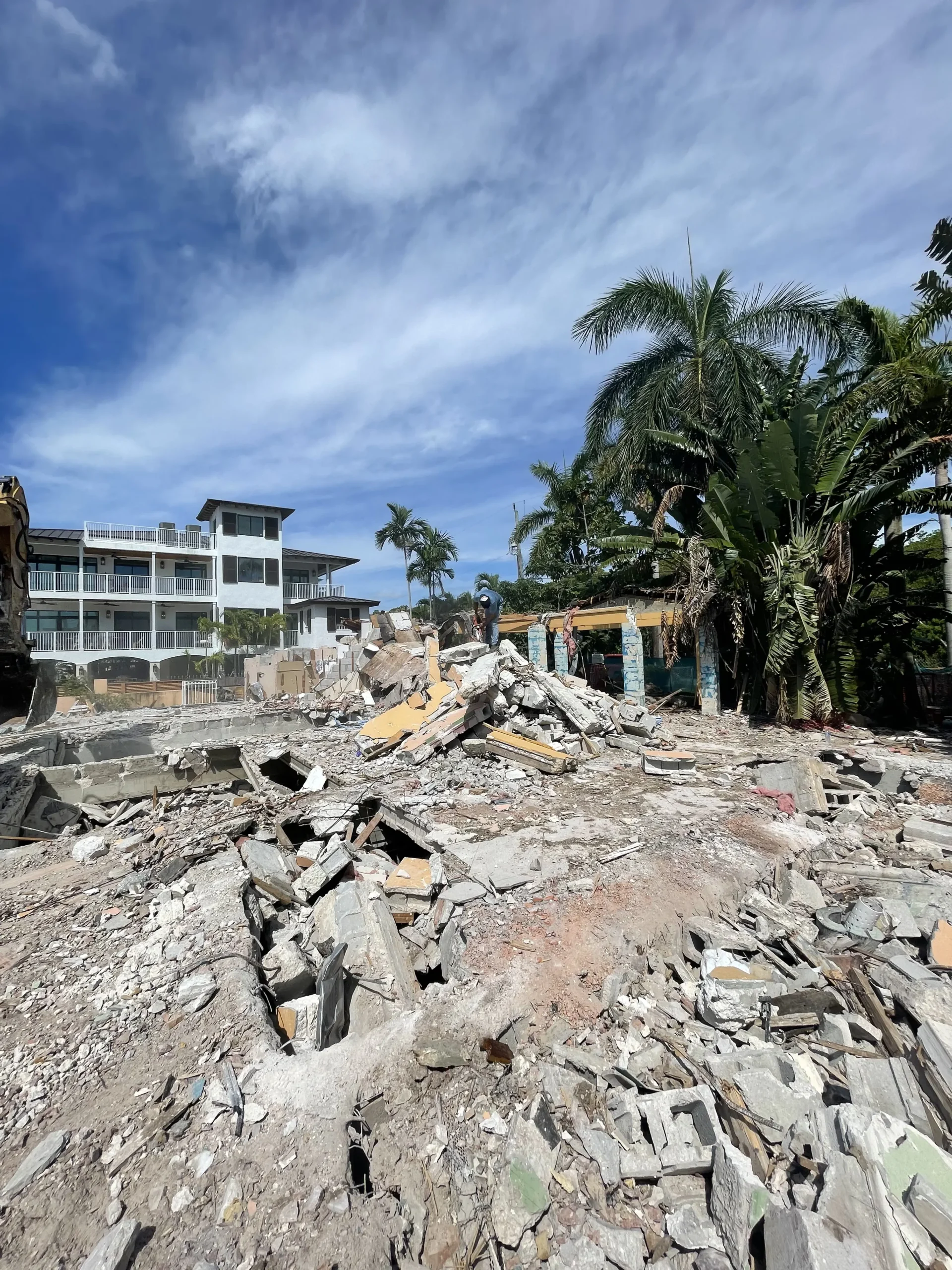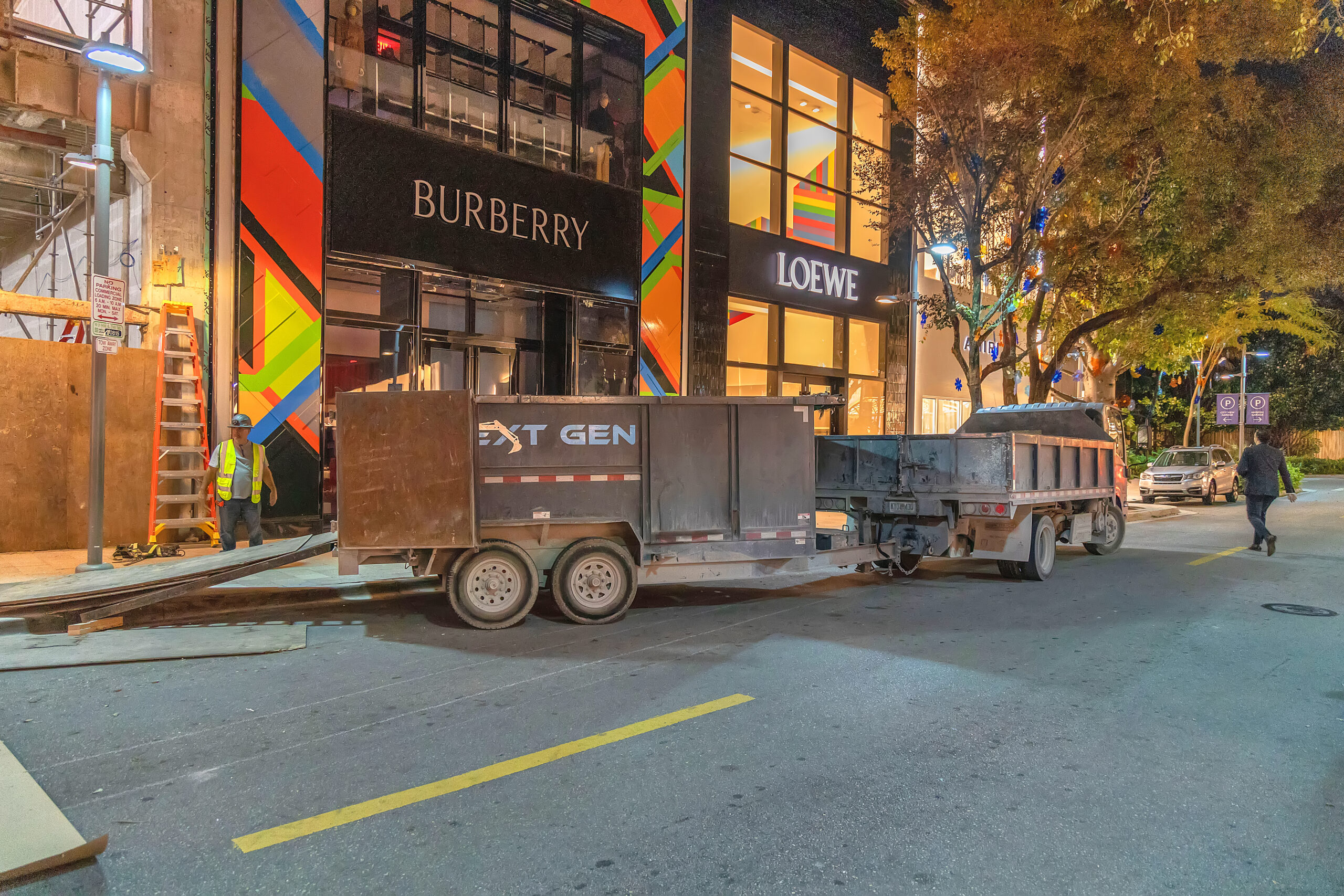
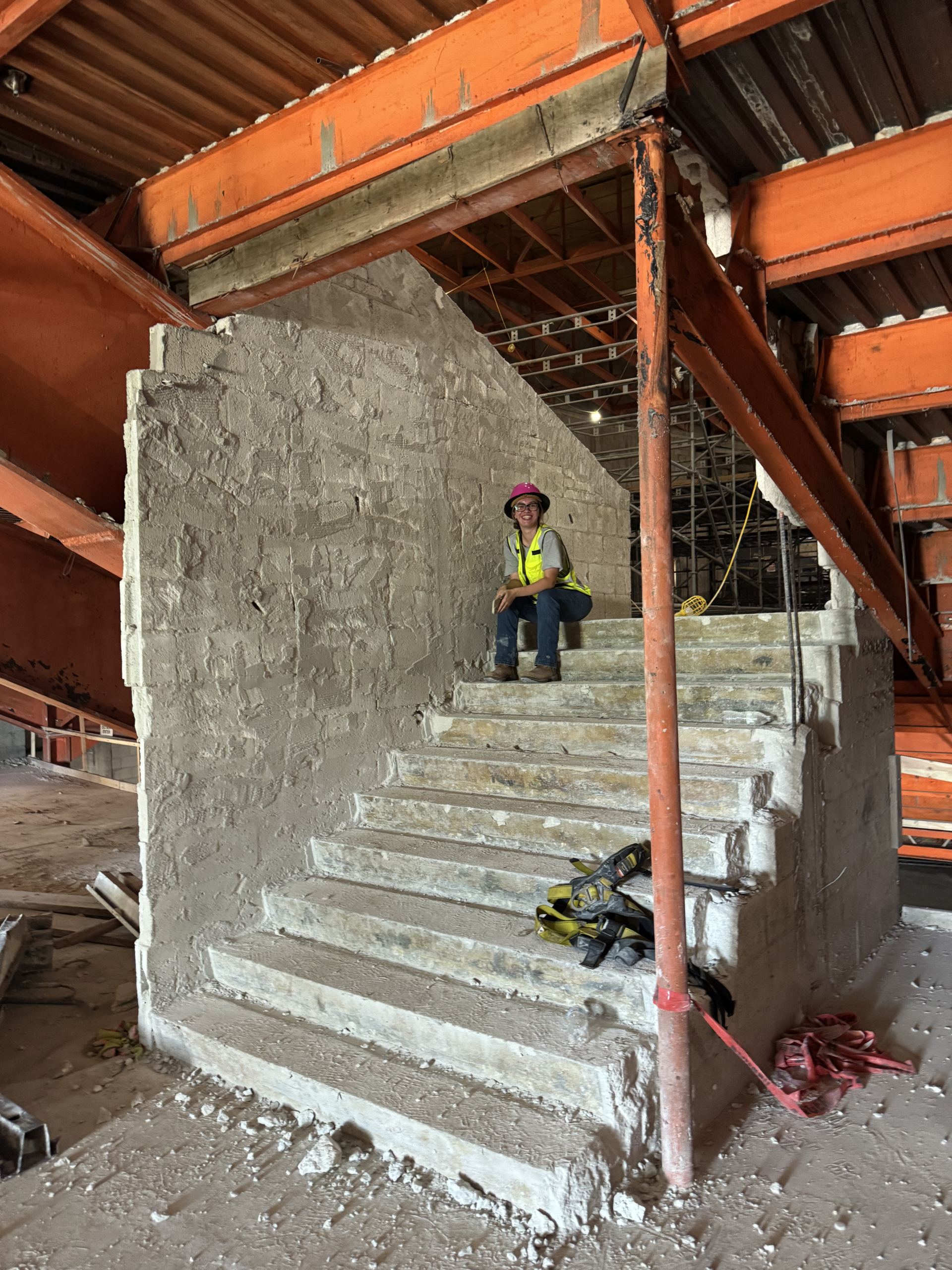
In demolition, safety is not something that begins when the first wall comes down. It starts long before work begins on site. A successful demolition project depends on planning, communication, hazard recognition, access control, proper sequencing, and disciplined execution from start to finish.
At Next Gen Construction & Demolition, we understand that every demolition site has its own risks, whether it is a commercial interior demolition in an occupied building, a selective demolition project inside an active renovation, a structural teardown, or a specialty dismantling scope involving elevators, escalators, concrete, steel, or restricted-access areas. The safest jobs are the ones where the team has already identified the risks, built the work plan around those risks, and continues to manage them every day while the project is underway.
For property owners, general contractors, developers, and facility managers, demolition safety is about much more than compliance. It is about protecting people, preserving surrounding structures, preventing damage, minimizing disruptions, maintaining schedule control, and reducing the chance of incidents or near-incidents that can delay the project and increase cost.
Why demolition safety planning matters
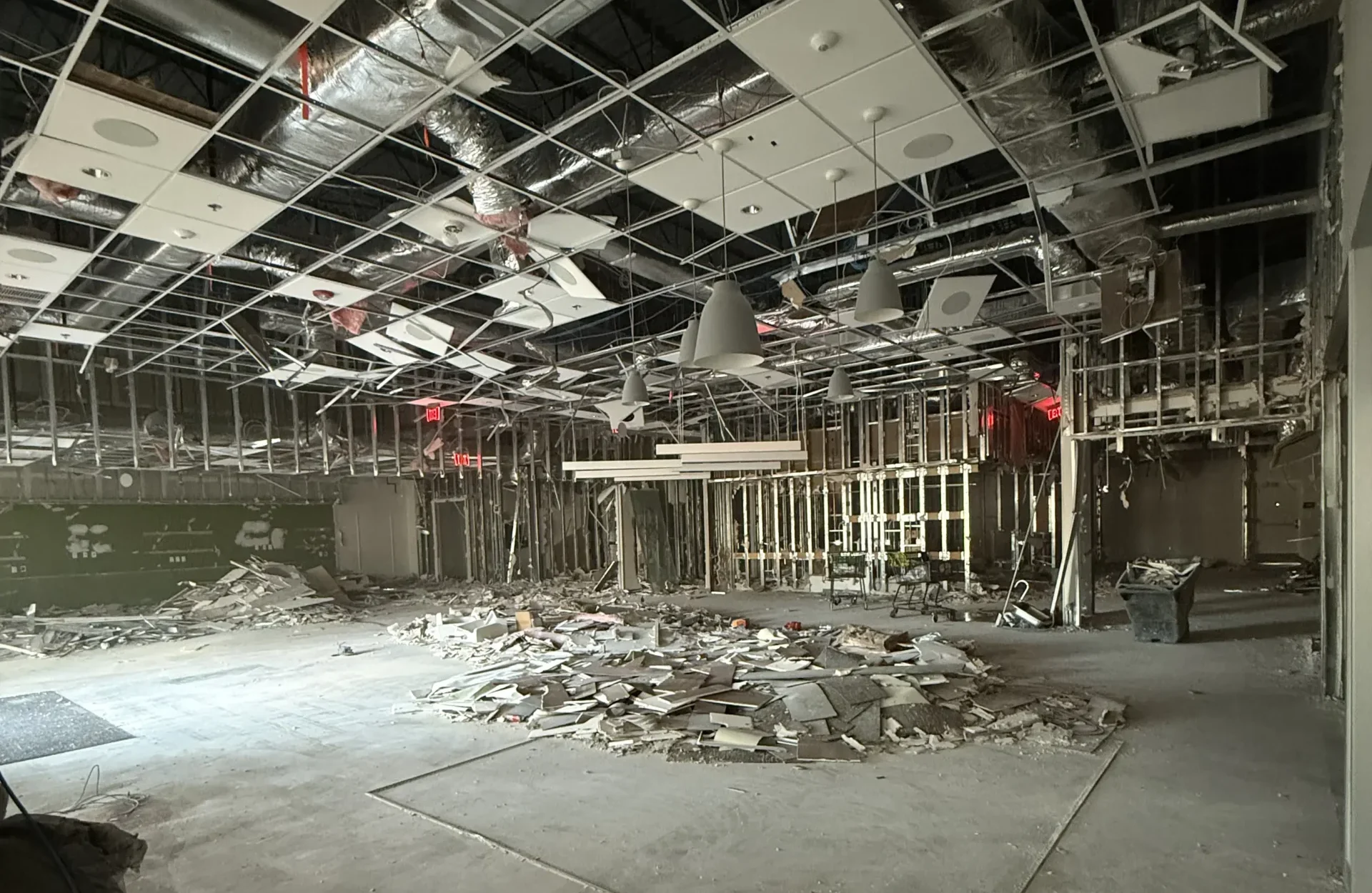
Demolition is one of the most risk-sensitive phases of construction. Unlike new construction, demolition often involves unknown existing conditions, hidden utilities, aging structural elements, unstable materials, occupied buildings, limited access, dust migration, noise restrictions, vertical hauling, and interfaces with multiple trades. A space may look straightforward on plans, but once finishes are removed, the real conditions can be very different.
That is why demolition should never be approached as simply “tear-out work.” Professional demolition requires a clear preconstruction strategy, a job-specific safety plan, qualified supervision, and crews that understand how to execute the work in controlled phases.
When demolition is planned correctly, the project benefits in several ways:
- Safer working conditions for laborers, supervisors, building occupants, and the public
- Better control of dust, debris, vibration, and noise
- Lower risk of damaging items that must remain in place
- Improved coordination with electrical, plumbing, HVAC, and structural trades
- Cleaner haul-out routes and better housekeeping throughout the project
- Fewer delays caused by unsafe conditions or rework
- More confidence from owners, GCs, and inspectors
Pre-demolition planning: the foundation of a safe project
The most important demolition safety procedures happen before field work starts. Pre-demolition planning sets the tone for the entire project and should address not only what is being removed, but also how it will be removed, in what sequence, with what equipment, under what site restrictions, and with what protection measures in place.
1. Scope verification and site investigation
Before any demolition begins, the team needs to fully understand the scope. This includes reviewing plans, walking the site, comparing field conditions to the drawings, identifying what is to remain, and documenting any discrepancies.
A proper site investigation should evaluate:
- Existing structural conditions
- Access and egress routes
- Material types and likely debris volume
- Utility locations and shutdown requirements
- Ceiling heights and overhead obstructions
- Elevator access, loading limits, and hauling logistics
- Occupied or adjacent active areas
- Potential water intrusion, dust migration, or vibration sensitivity
- Hidden conditions above ceilings, behind walls, and below floor finishes
In active commercial environments, this step is especially important because demolition often takes place near occupied offices, retail spaces, healthcare environments, schools, or residential areas where safety and containment standards must be even tighter.
2. Engineering review and structural evaluation
Not every demolition project requires the same level of structural analysis, but every project should assess whether the removal work could affect the integrity of the building or surrounding components.
This is critical when the scope involves:
- Load-bearing walls
- Concrete slab cutting or removal
- Beam, column, or deck exposure
- Multi-story demolition sequencing
- Partial structural demolition
- Facade or canopy removal
- Mechanical or specialty equipment removal with heavy point loads
- Rooftop or elevated deck demolition
If there is any possibility that demolition could affect structural stability, the demolition sequence should be reviewed and coordinated with the engineer of record or qualified design professionals before work proceeds.
3. Utility identification, shutoff, and lockout planning
One of the most preventable causes of demolition incidents is failure to properly identify and isolate utilities before demolition begins.
No demolition team should rely on assumptions. Existing electrical, plumbing, gas, fire alarm, data, telecom, HVAC controls, medical gas, or other live systems must be identified and addressed before work starts in affected areas.
A safe demolition plan should clearly define:
- Which utilities are active
- Which utilities remain in service
- Which trades are responsible for disconnects
- What areas are cleared for demolition
- Which systems must be protected and remain operational
- How lockout/tagout or isolation procedures will be documented and confirmed
This protects not only the demolition crew, but also the project schedule, neighboring tenants, and the owner’s operations.
4. Hazardous material assessment
Demolition planning must also account for hazardous materials or regulated substances that may be present in the building. Depending on building age, occupancy type, and previous construction history, this can include asbestos-containing materials, lead-based paint, mold-impacted materials, refrigerants, specialty chemicals, contaminated dust, or other hazardous components.
These items must be identified and addressed by the appropriate parties before standard demolition proceeds in affected areas. A professional demolition contractor should never assume that suspect materials are safe to disturb without proper verification and coordination.
5. Means and methods planning
Demolition safety depends heavily on means and methods. The team must decide how the work will actually be performed, what tools and equipment will be used, how debris will be removed, how dust will be controlled, and how the work will be sequenced to keep the site stable and safe.
This includes planning for:
- Manual demolition versus mechanical demolition
- Tool selection for the specific material being removed
- Equipment access limitations
- Weight restrictions on slabs or elevated decks
- Interior protection and floor protection
- Debris chute locations or hauling paths
- Segregation of recyclable or regulated waste streams
- Temporary barriers, poly containment, and negative air if required
- Daily cleanup standards and end-of-shift conditions
At Next Gen, controlled demolition is a major part of safe execution. The fastest approach is not always the safest. The right approach is the one that removes the material efficiently while protecting people, nearby finishes, surrounding structures, and the overall jobsite.
Safety procedures that must be in place before work begins
Once planning is complete, the field procedures need to be clearly established before the first day of production. Every demolition crew should begin with a defined safety framework, not improvisation.
Job hazard analysis and pre-task planning
Each demolition project should begin with a job hazard analysis and daily pre-task planning. These meetings identify the day’s work areas, the hazards involved, the required PPE, the equipment being used, nearby trades, restricted zones, and any special precautions for that phase of work.
This is where teams align on:
- What is being demolished today
- What remains in place
- What the sequence is
- What overhead, electrical, or structural hazards exist
- What access points are approved
- Where debris is going
- What areas are off-limits
- What housekeeping expectations apply before shift end
Daily communication reduces confusion and keeps crews operating with the same understanding.
Site access control and public protection
Demolition zones should be clearly secured before work starts. Unauthorized access is one of the simplest risks to prevent and one of the most important.
Access control procedures may include:
- Barricades and caution tape
- Temporary walls or containment partitions
- Locked entry points
- Clear signage for restricted areas
- Designated haul routes
- Spotters for material movement
- Coordination with building management and other trades
- Public protection at exterior work zones, sidewalks, loading areas, and shared corridors
On occupied projects, this becomes even more important. Safe demolition is not just about protecting the crew inside the work area. It is also about protecting everyone outside it.
Personal protective equipment
PPE requirements vary by scope, but demolition work generally demands strict compliance with task-specific protective equipment standards.
Depending on the project, this may include:
- Hard hats
- Safety glasses and face shields
- High-visibility vests
- Gloves appropriate for the material being handled
- Cut-resistant gear
- Steel-toe boots
- Hearing protection
- Respiratory protection when dust or airborne particles are present
- Fall protection where required by access conditions
PPE should never be treated as the only line of defense. It is one layer within a broader safety system that includes planning, containment, sequencing, supervision, and hazard elimination.
Demolition safety during project execution
Even the best preconstruction plan has to be actively enforced once work begins. Safe demolition during execution requires constant attention, supervision, and adjustment as field conditions change.
Controlled sequencing of demolition
One of the biggest mistakes on demolition projects is poor sequencing. Demolition should proceed in a controlled order that avoids destabilizing adjacent materials, overloading slabs, blocking egress, or exposing crews to falling debris or hidden hazards.
Controlled sequencing often means:
- Removing non-structural finishes first
- Protecting items to remain before adjacent demolition begins
- Opening up work areas methodically rather than all at once
- Keeping debris moving instead of allowing buildup
- Avoiding unsupported conditions
- Coordinating slab cutting, coring, or structural removals with approved procedures
- Performing overhead demolition with extra care and exclusion zones below
This kind of sequencing is especially important on selective demolition projects, where precision matters just as much as production.
Dust control and air quality management
Dust is not just a cleanliness issue. In demolition, it is a safety, visibility, air quality, and client-relations issue. Without proper control measures, dust can migrate through active buildings, affect nearby occupants, reduce visibility for workers, contaminate finished spaces, and create unnecessary complaints or shutdowns.
A strong demolition dust-control plan may include:
- Wet methods where appropriate
- HEPA-equipped tools or vacuums
- Negative air machines and air scrubbers
- Temporary poly containment
- Sealed penetrations and protected return-air pathways
- Frequent debris removal
- Ongoing housekeeping throughout the shift
- Final end-of-day cleaning of common areas and travel paths
At Next Gen, cleanliness is part of jobsite safety. A cleaner site is easier to navigate, easier to inspect, safer to work in, and more professional for the client.
Debris handling and material removal
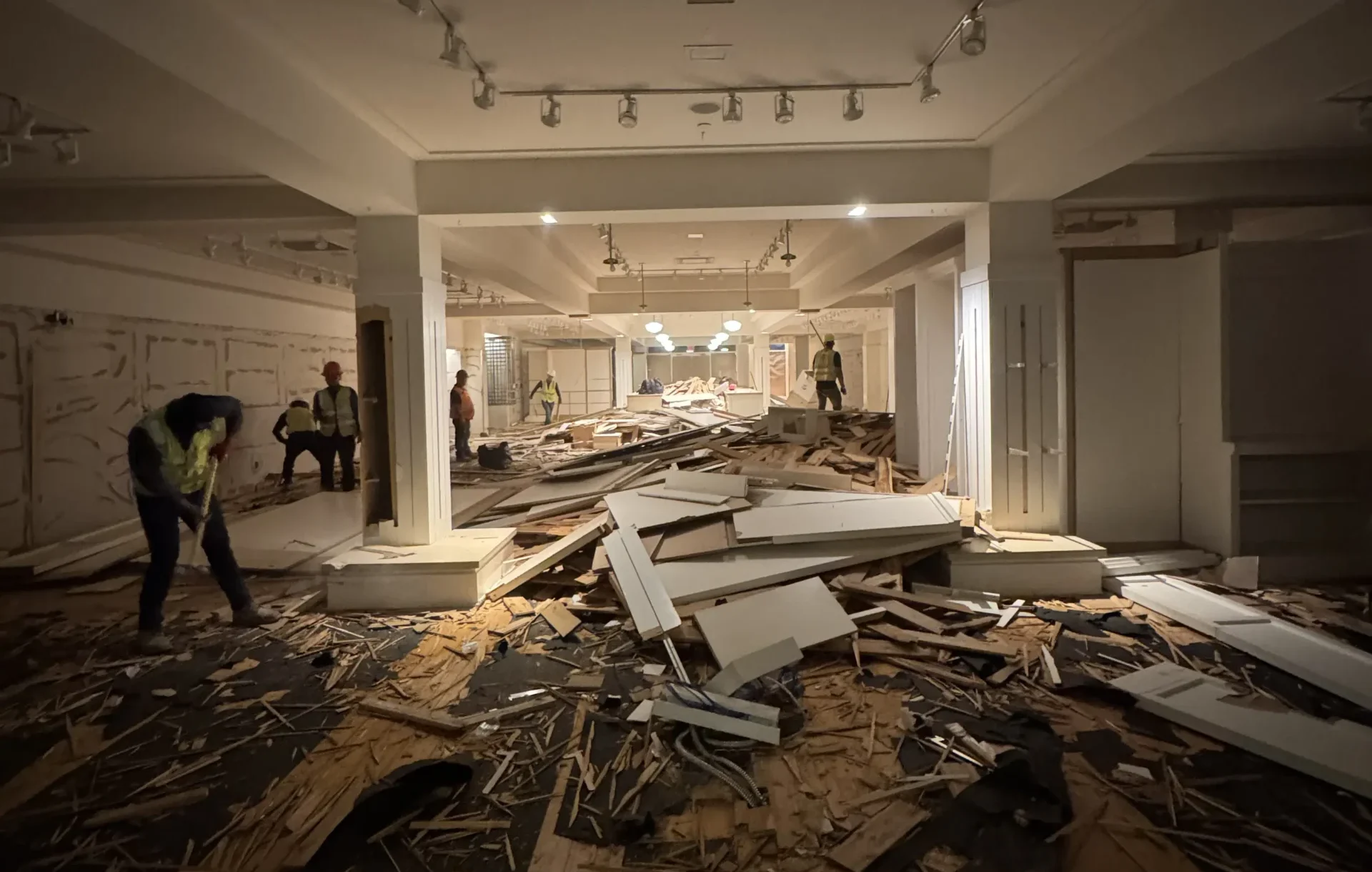
Safe demolition includes safe debris movement. Debris should never be allowed to accumulate in a way that creates trip hazards, overloads floors, blocks exits, or makes crews work around unstable piles.
Material handling plans should address:
- Debris staging locations
- Wheelbarrow, buggy, chute, or cart routes
- Elevator usage and protection requirements
- Exterior loading zones
- Weight limitations
- Separation of sharps, metal, glass, concrete, and mixed debris
- Disposal scheduling to keep pace with production
The goal is to keep demolition moving in a controlled cycle: remove, lower, clean, and reset.
Protection of surrounding surfaces and adjacent operations
Many demolition projects happen in spaces that remain partially active. In these environments, safety includes protecting elevators, lobbies, corridors, adjacent tenant spaces, active MEP systems, storefronts, waterproofing, structural elements, and owner-occupied areas.
This often requires:
- Floor protection and wall protection
- Elevator cab protection
- Temporary partitions
- Controlled work hours for noise-sensitive operations
- Dedicated access windows
- Communication with building management
- Protection for openings, shafts, and exposed edges
- Monitoring of adjacent areas for dust, debris, and damage risk
This is where an experienced demolition contractor separates itself from a basic labor-only approach. Good demolition is not just removal. It is controlled removal with accountability.
Equipment safety and operator awareness
Whenever mechanical equipment is used, the risks increase if the site is not properly planned for equipment movement, tool use, swing clearance, overhead hazards, or slab loading.
Equipment safety should account for:
- Operator qualification
- Tool inspection and maintenance
- Manufacturer limitations
- Spotter requirements
- Clearance around equipment
- Ground or slab conditions
- Lifting and rigging needs
- Fueling, power supply, and cord management
- Emergency shutoff awareness
On restricted-access or elevated projects, equipment selection becomes even more important. Smaller machines, lighter tools, phased hauling, or manual dismantling methods may be necessary to maintain safe loading and control.
Communication: one of the most important safety tools on the project
Many demolition incidents are communication failures before they are field failures.
Safe projects require clear communication between:
- Demolition crews
- Field supervisors
- General contractors
- Building management
- Engineers and consultants
- Utility trades
- Safety managers
- Adjacent subcontractors
- Owners and client representatives
Everyone should understand what areas are active, what systems are shut down, what protection is in place, what hazards exist, and what work is planned next.
This is particularly important in Miami-area commercial demolition, where many jobs happen in high-rises, mixed-use properties, retail centers, healthcare spaces, occupied office buildings, schools, hospitality environments, and coastal structures with tight logistics and public exposure.
Emergency preparedness and incident prevention
A demolition safety plan should never assume that everything will go perfectly. It should also prepare for what happens if conditions change.
Emergency planning should include:
- Site-specific emergency contacts
- Hospital and first-aid information
- Crew accountability procedures
- Fire extinguisher locations
- Evacuation routes
- Fall response procedures where applicable
- Reporting procedures for damage, near-misses, and unsafe conditions
- Stop-work authority for supervisors and crew members
One of the most valuable parts of a strong safety culture is the willingness to stop and reassess when something does not look right. Preventing a near-incident from becoming an incident is part of professional demolition.
What clients should expect from a professional demolition contractor
If you are hiring a demolition contractor, safety should be visible not only in their paperwork, but in how they think, communicate, and execute.
A professional demolition contractor should be able to discuss:
- How the scope will be sequenced
- How dust and debris will be controlled
- What protection will be installed
- How utilities will be coordinated
- How active areas will remain protected
- How haul-out will be managed
- What supervision will be on site
- How hidden conditions will be communicated
- How the site will be left at the end of each shift
In other words, safety should feel built into the plan, not added after the fact.
Why this matters in Miami demolition projects
Demolition in South Florida comes with its own realities. Miami demolition projects often involve tight urban access, occupied buildings, strict cleanliness expectations, schedule pressure, vertical transportation limitations, early-hour work windows, and coordination with multiple trades in active environments.
That means demolition safety in Miami is not just about wearing PPE or putting up caution tape. It is about real planning, professional supervision, controlled methods, and respect for the property and people around the work.
At Next Gen Construction & Demolition, we approach demolition with that mindset. Whether the project involves commercial interior demolition, selective demolition, complete demolition, or specialty dismantling, our focus is to execute the work safely, cleanly, efficiently, and in a way that protects both the project and the client.
Final thoughts
The safest demolition projects are not the ones that simply react to hazards as they appear. They are the ones that plan for hazards before work begins, communicate expectations clearly, and execute every phase with discipline.
Demolition safety starts with preparation. It continues through supervision, sequencing, housekeeping, utility coordination, access control, dust management, and constant awareness in the field. When those elements are handled properly, the result is a smoother project, fewer disruptions, better protection for all parties, and a much lower chance of incidents or possible incidents.
If you are planning a demolition project in Miami or anywhere in South Florida, working with a contractor that prioritizes safety from preconstruction through final cleanup can make a major difference in both project performance and peace of mind.
Need a demolition contractor that plans safety the right way from day one? Contact Next Gen Construction & Demolition to discuss your project scope, logistics, and demolition requirements.