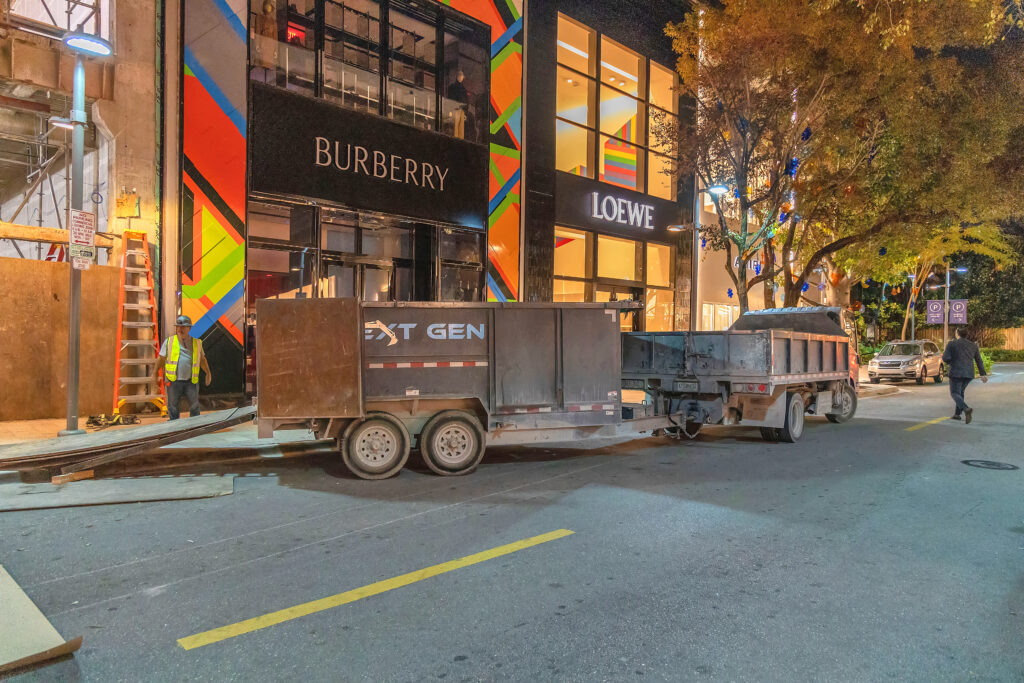
Demolition projects are often grouped together, but residential and commercial work operate on very different levels. The differences go beyond building size—they impact risk, planning, scheduling, and execution from start to finish.
For contractors, developers, and property owners, understanding these distinctions is critical when selecting a team that provides professional demolition services.
Liability and Insurance Considerations
Commercial demolition introduces a much higher level of risk compared to residential projects. Job sites are larger, more active, and often involve multiple parties at once.
These projects typically require:
- Higher general liability coverage
- Umbrella insurance policies
- Expanded workers’ compensation coverage
With general contractors, tenants, property managers, and municipalities involved, the potential for claims increases—especially in environments with ongoing operations and public access.
Building Height and Structural Complexity
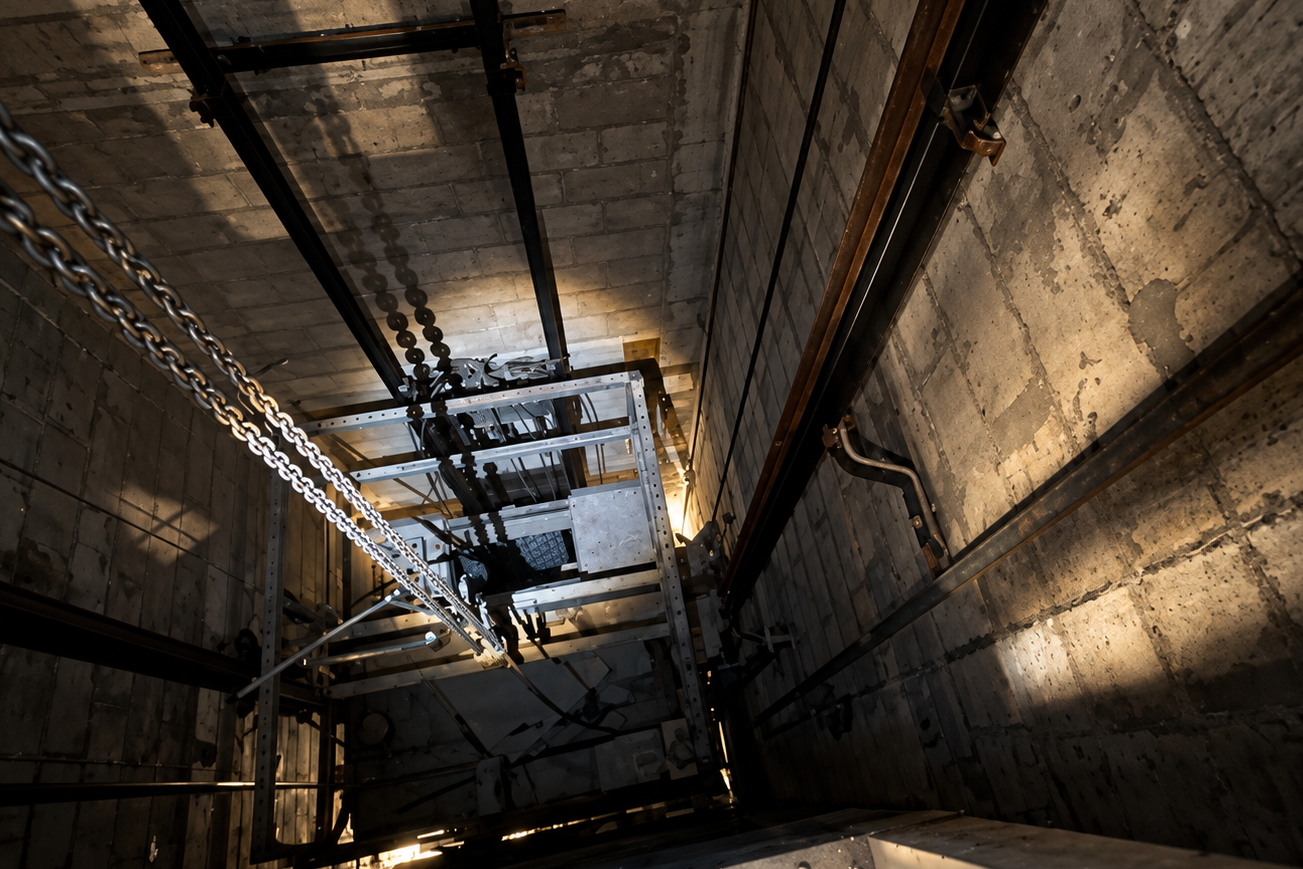
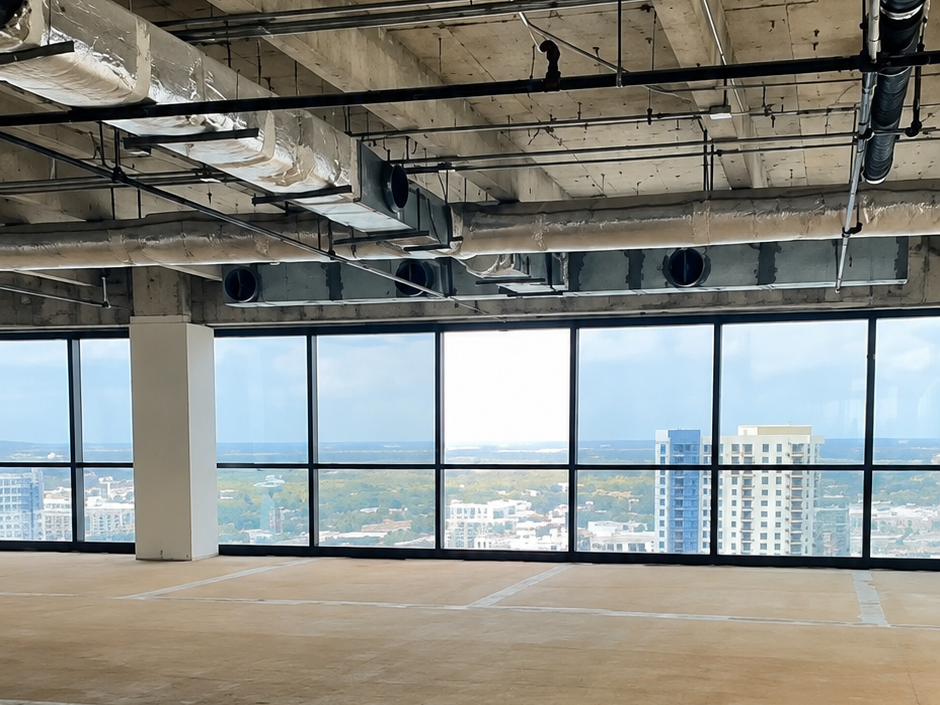
Residential demolition usually involves low-rise structures with straightforward layouts. Commercial buildings, however, often include multiple stories and more advanced structural systems.
These may require:
- Scaffolding, lifts, and rigging systems
- Fall protection and elevated work platforms
- Controlled demolition techniques for steel and concrete structures
Vertical debris removal—using chutes, hoists, or cranes—adds another layer of complexity and cost that is rarely present in residential work.
Scheduling Demands and Phased Work
Residential projects are generally completed in a single phase with minimal scheduling constraints. Commercial demolition operates under tighter timelines and more demanding conditions.
It is common for these projects to include:
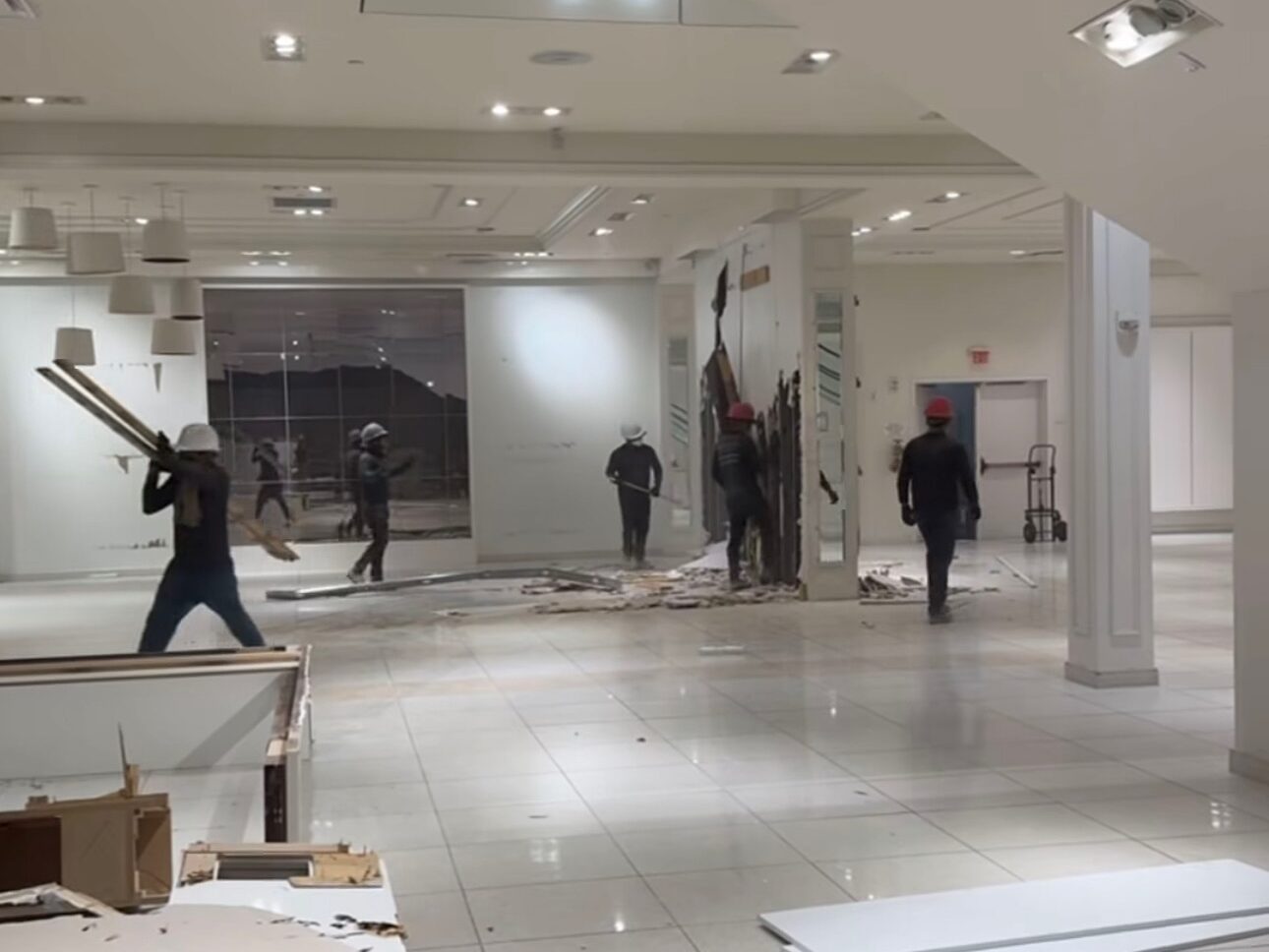
- Night shifts or early morning work
- Weekend operations to meet deadlines
- Phased demolition to allow other trades to continue working
This type of scheduling requires detailed planning and often reduces overall efficiency due to constant coordination.
Safety Standards and Oversight
Safety requirements are significantly more rigorous in commercial demolition. Contractors must follow strict OSHA guidelines and develop site-specific safety programs.
This often includes:
- Dedicated safety personnel on-site
- Daily reporting and compliance tracking
- Dust suppression and air quality monitoring systems
Maintaining a safe environment is especially critical when work is performed near active operations or public areas.
Working Within Active Environments
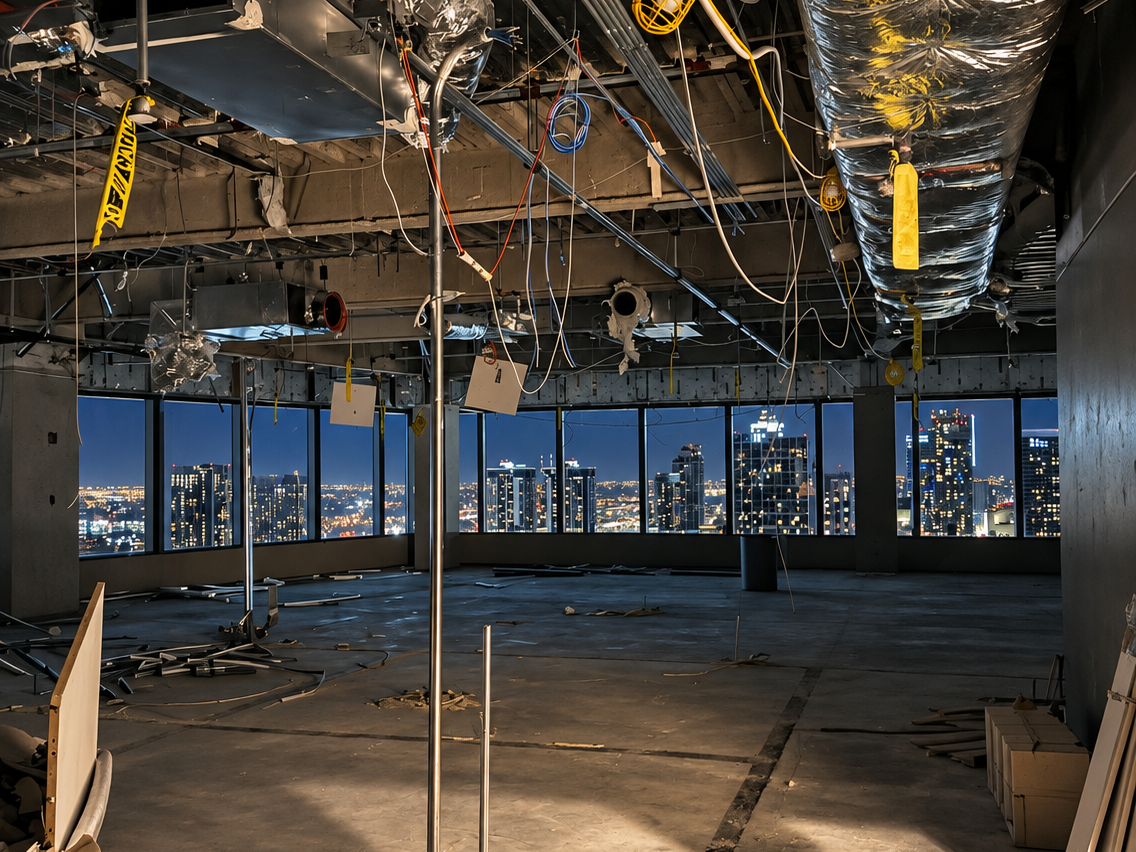
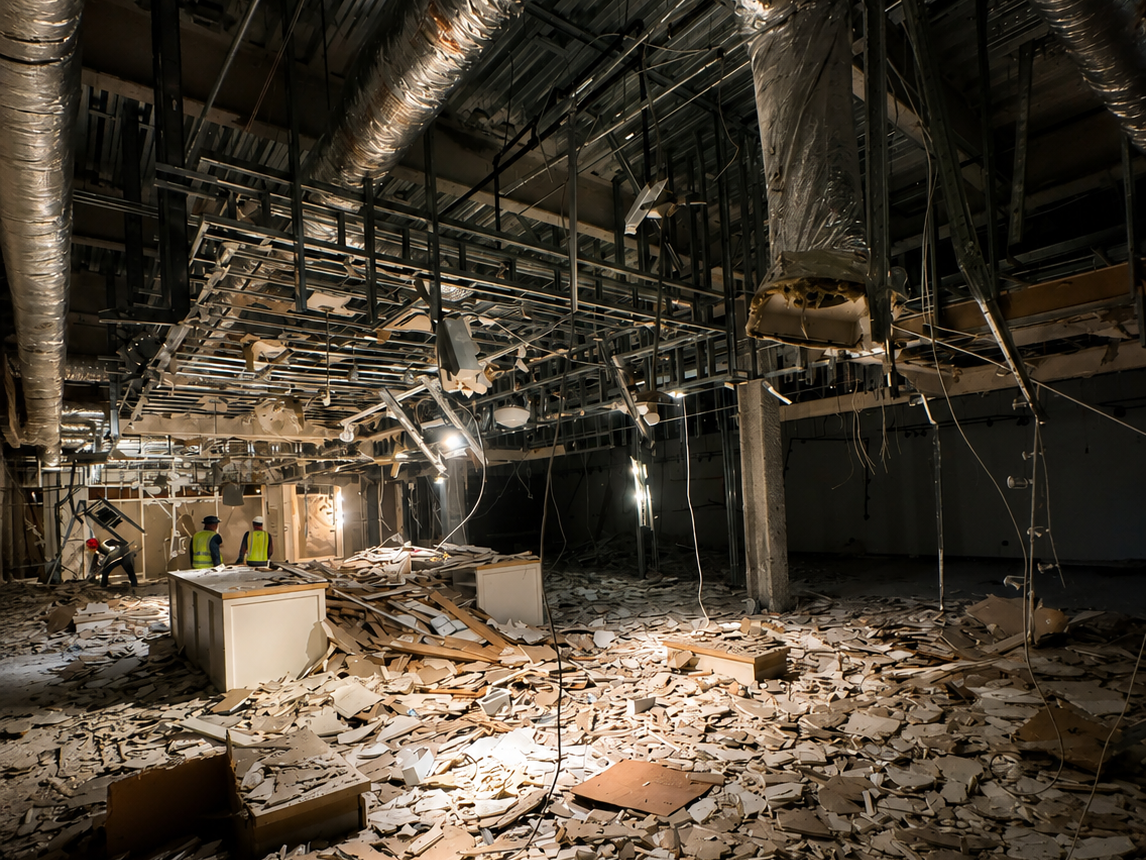
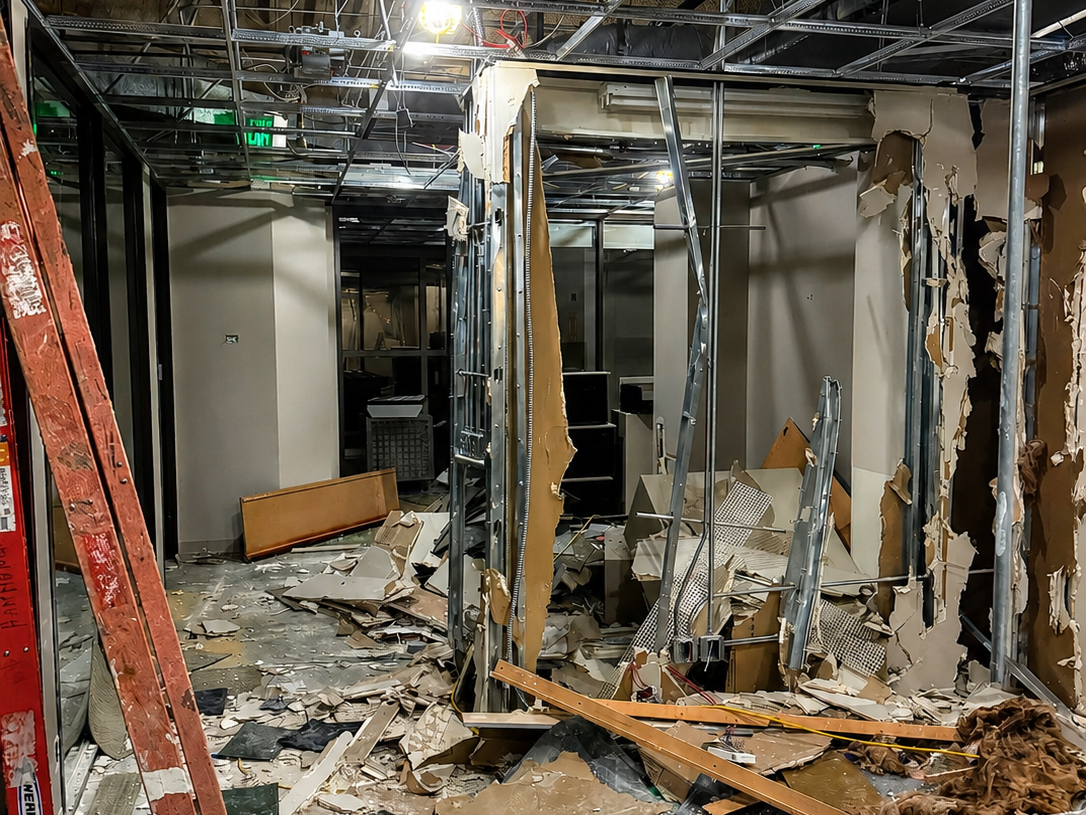
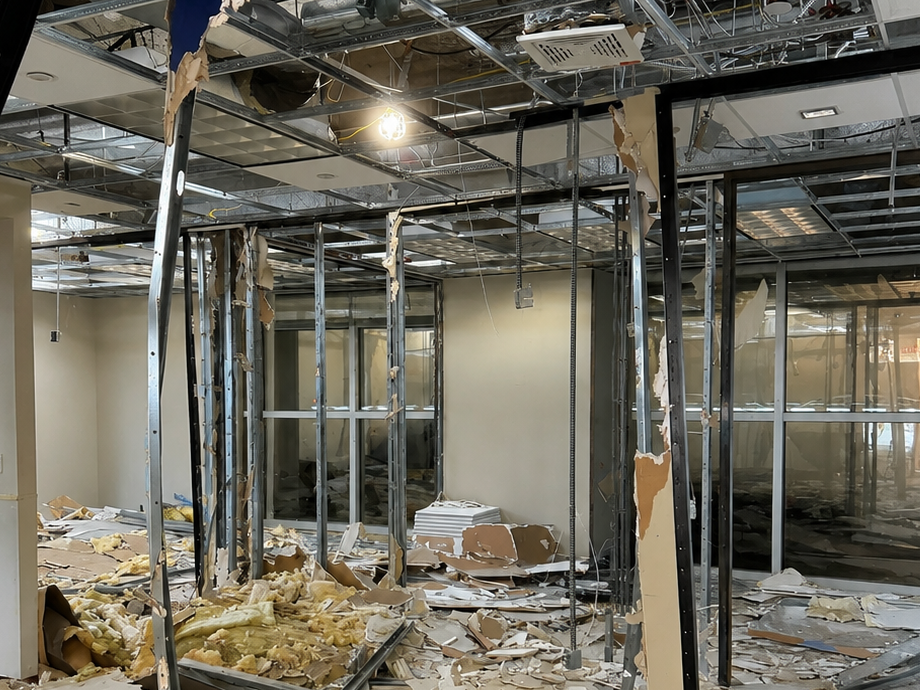
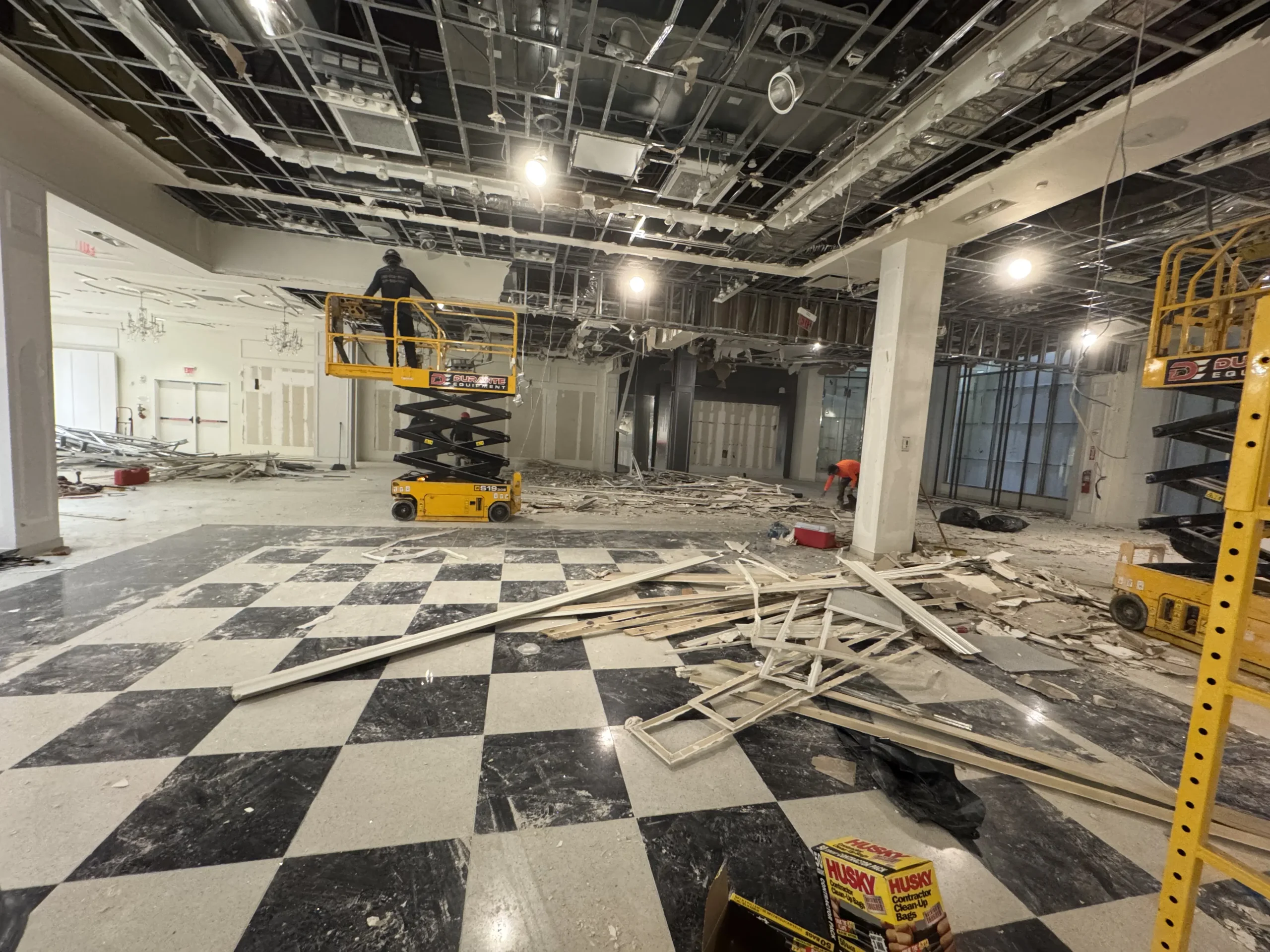
Unlike residential demolition, which typically occurs in vacant properties, commercial projects are frequently performed in occupied buildings.
Common examples include:
- Office buildings
- Retail spaces
- Hospitals and healthcare facilities
These environments require careful planning to minimize disruption. Noise control, restricted work hours, and protection of adjacent areas all play a role in how the work is executed.
Mechanical, Electrical, and Plumbing Systems
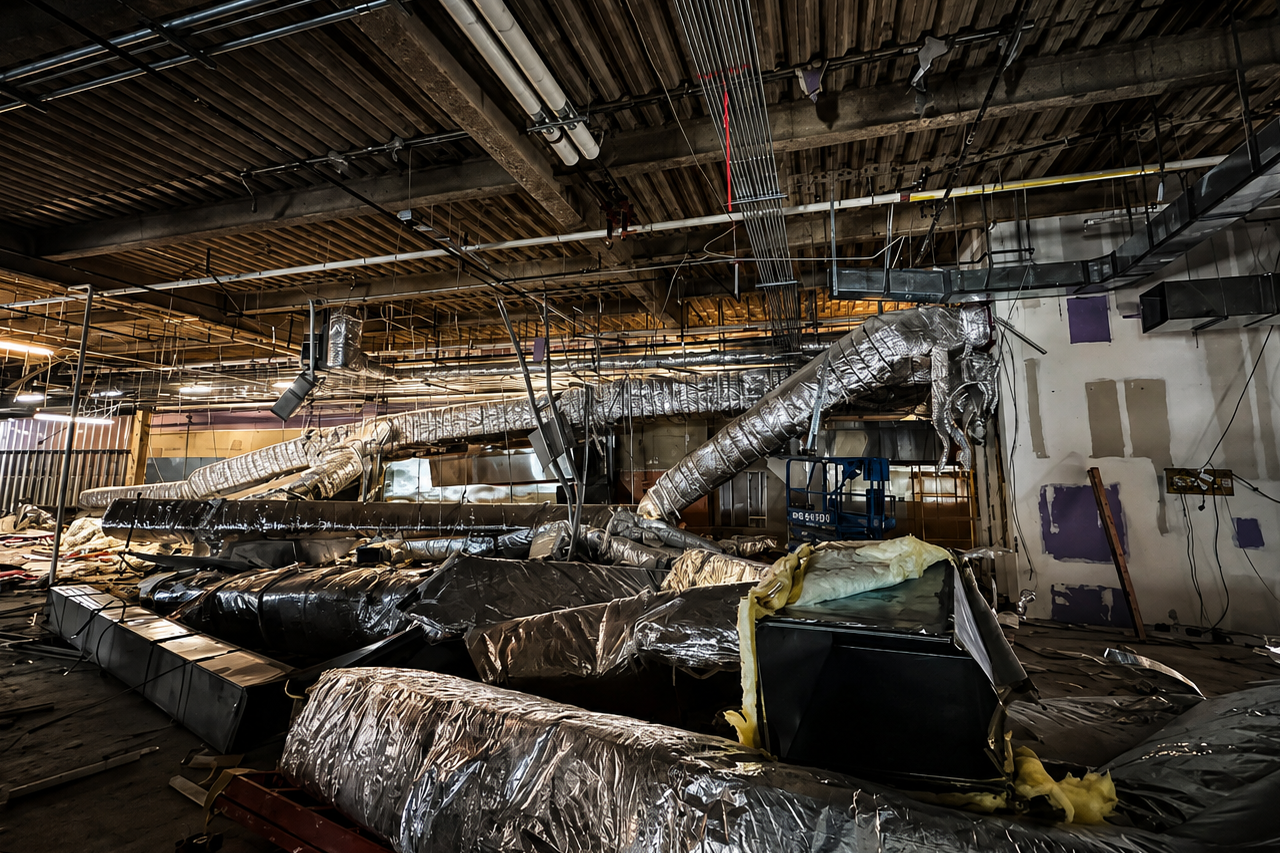
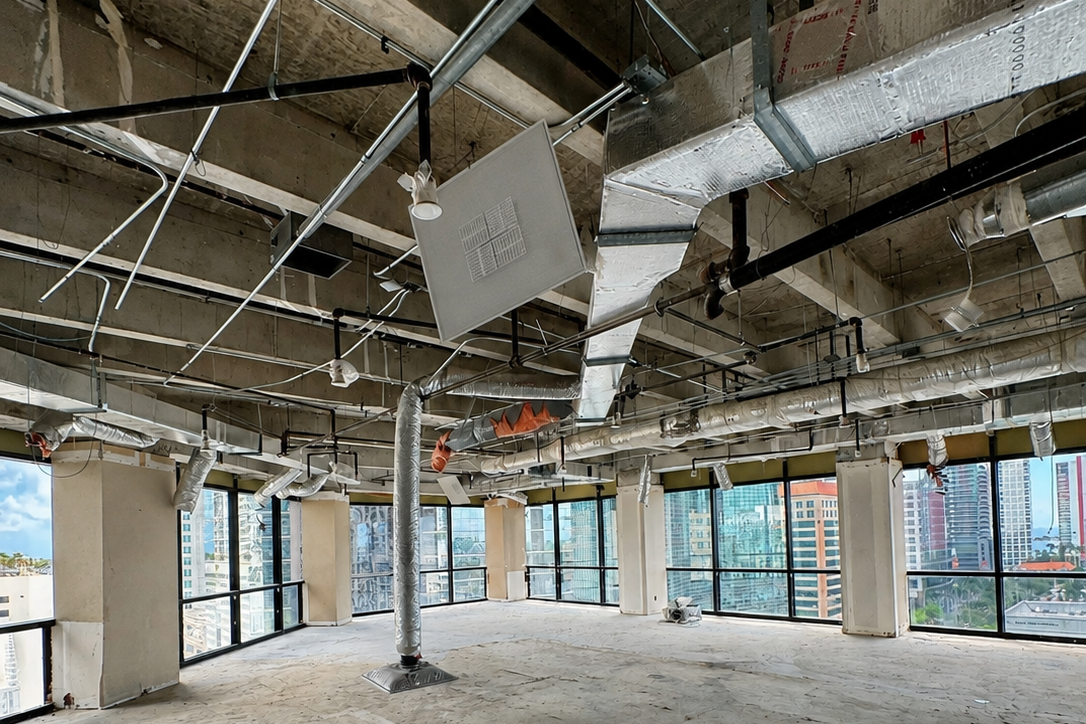
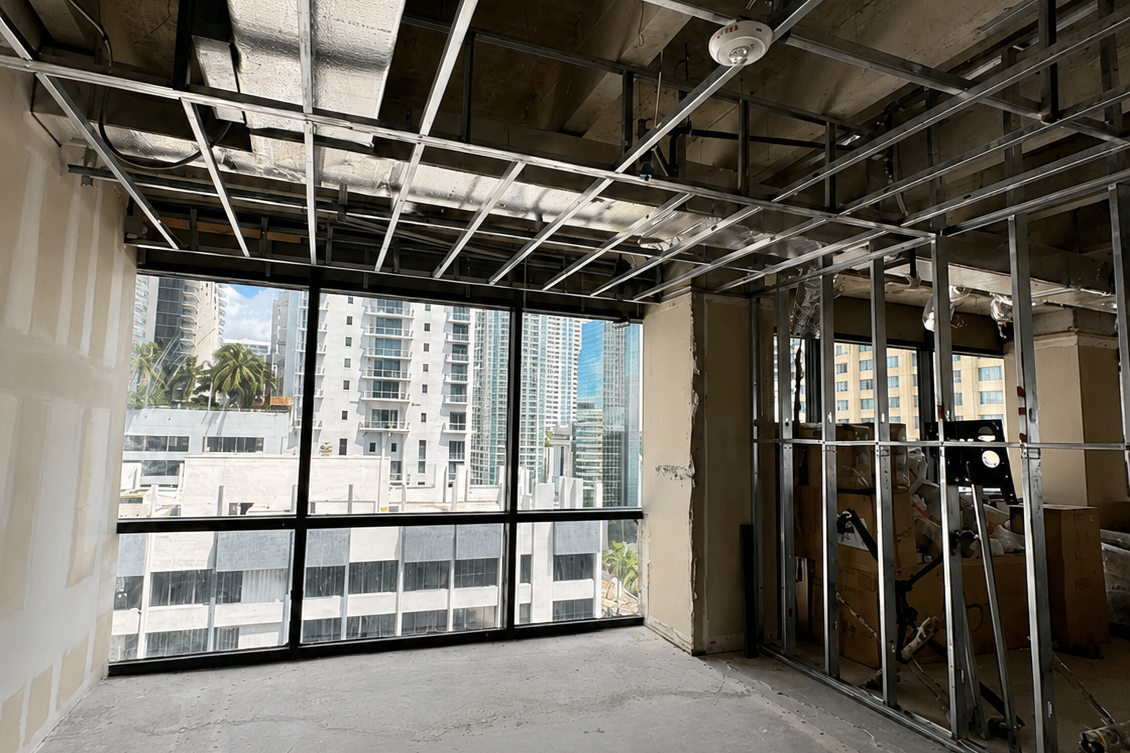
Commercial structures rely on complex mechanical and electrical systems that must be properly managed before demolition begins.
These systems often include:
- Fire sprinklers and alarm systems
- HVAC infrastructure
- Electrical distribution and data networks
Each system must be identified, isolated, and safely shut down to avoid hazards or interruptions to other parts of the building.
Material Strength and Removal Methods
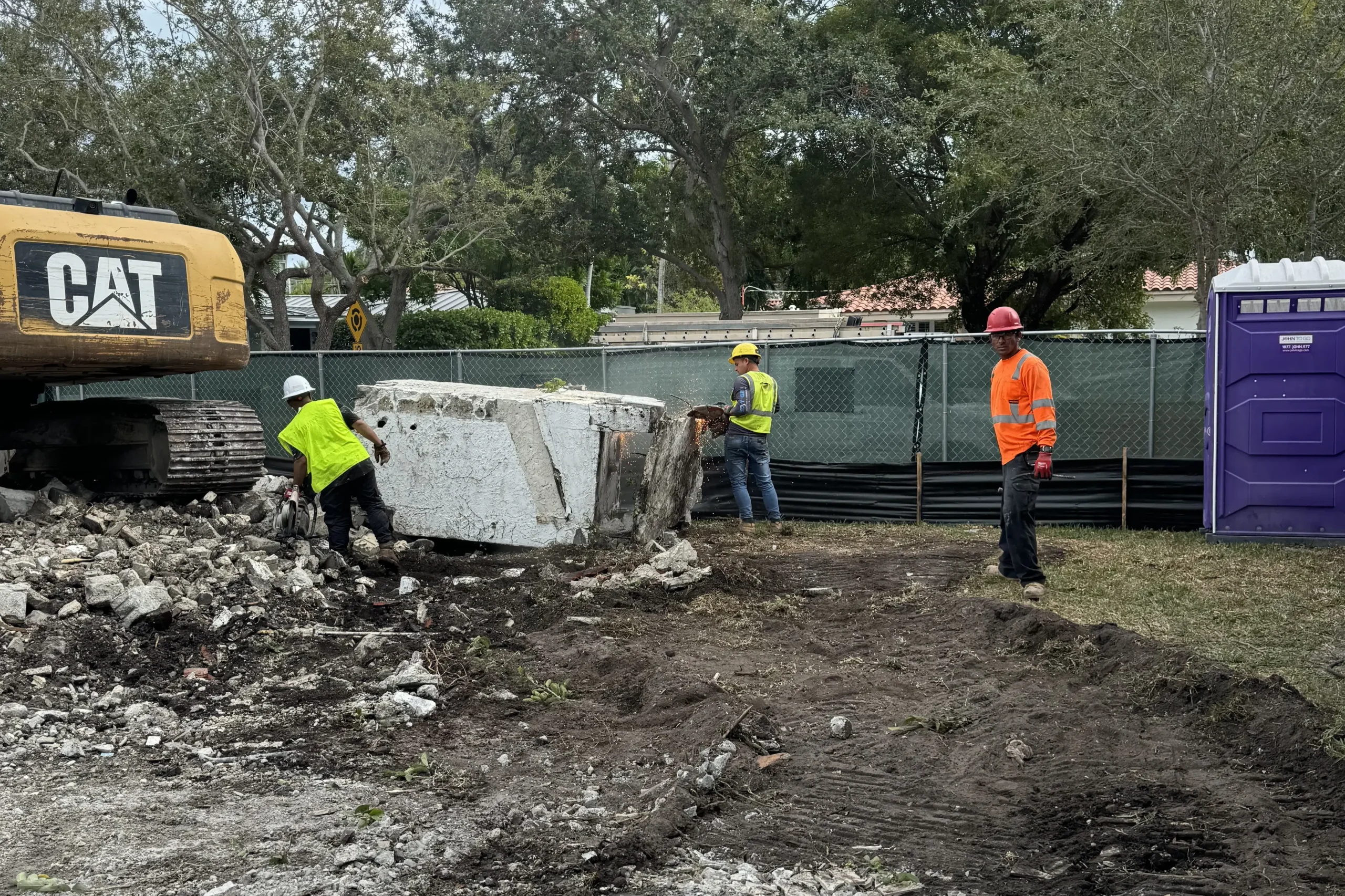
The materials used in commercial construction are significantly more durable than those found in residential homes.
Instead of wood framing, commercial demolition often involves:
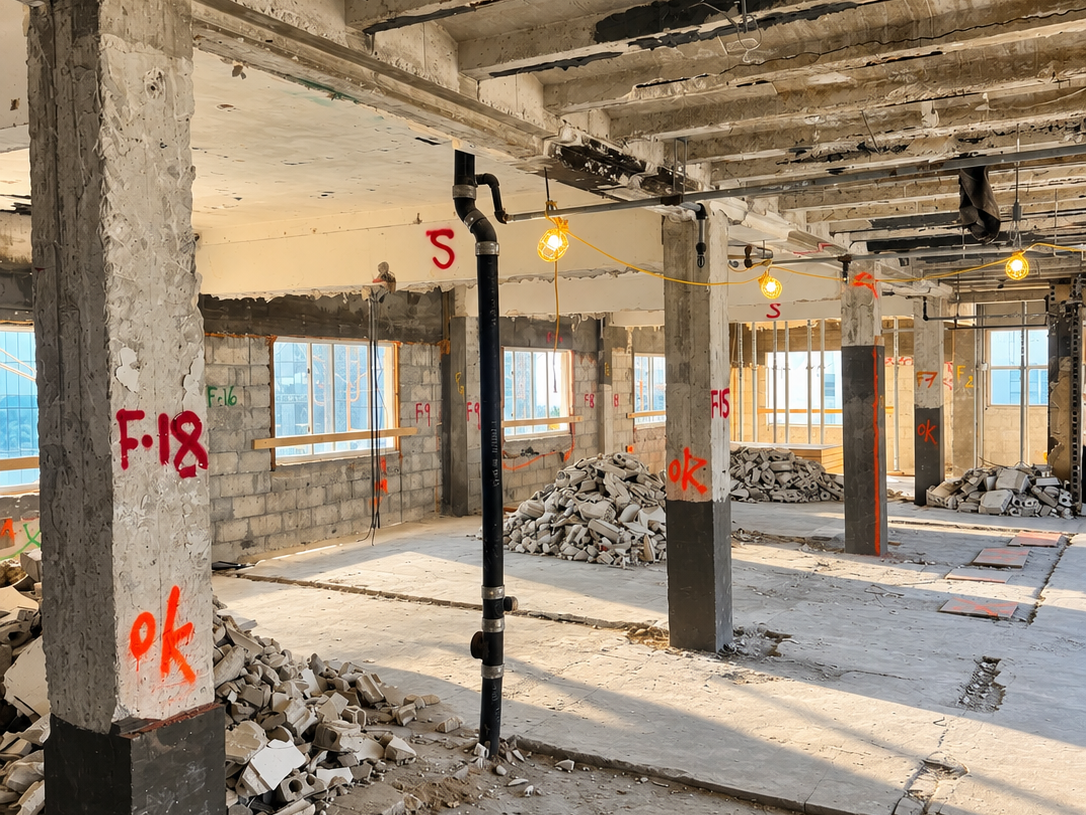
- Reinforced concrete
- Structural steel
- Masonry systems
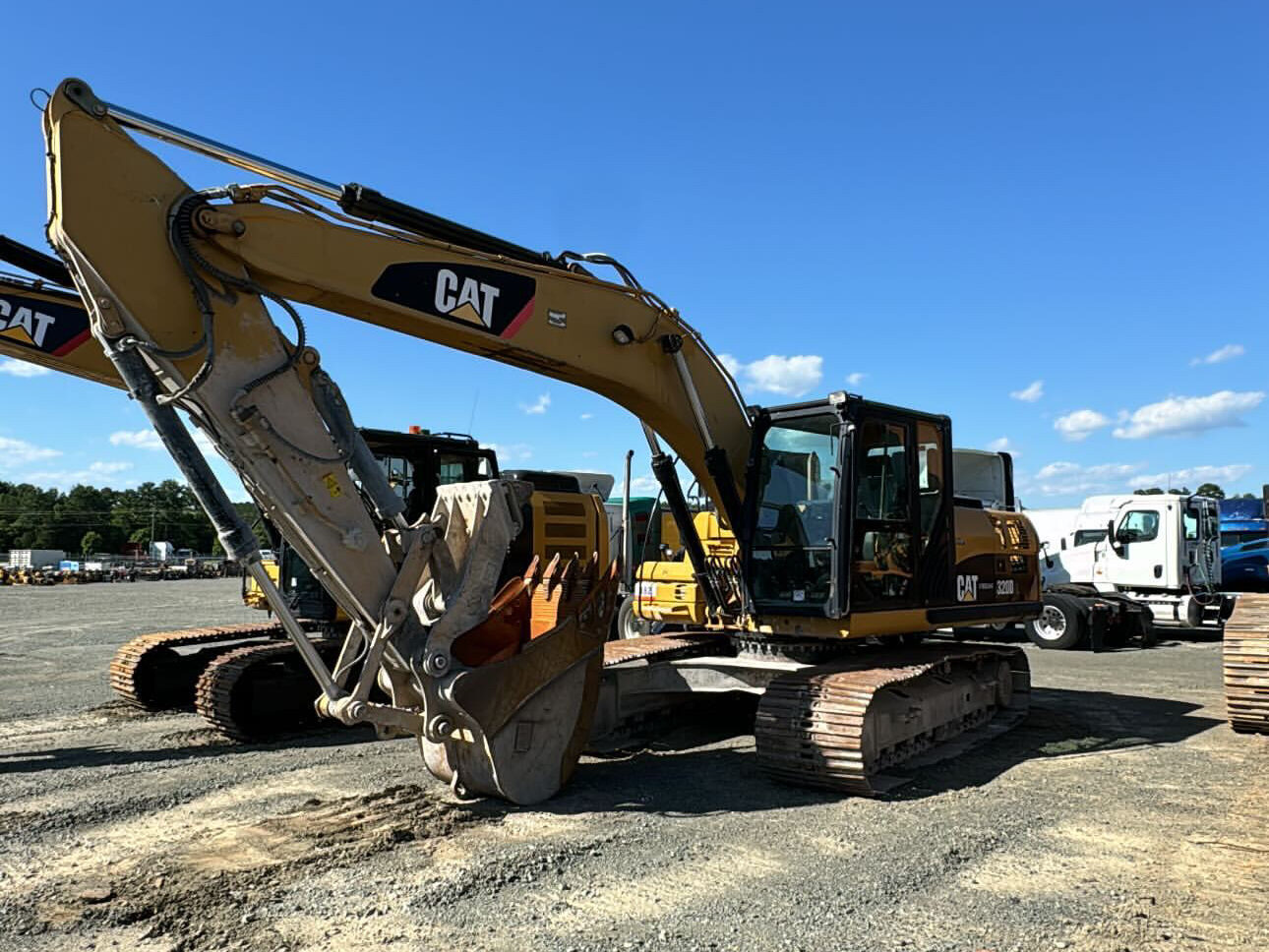
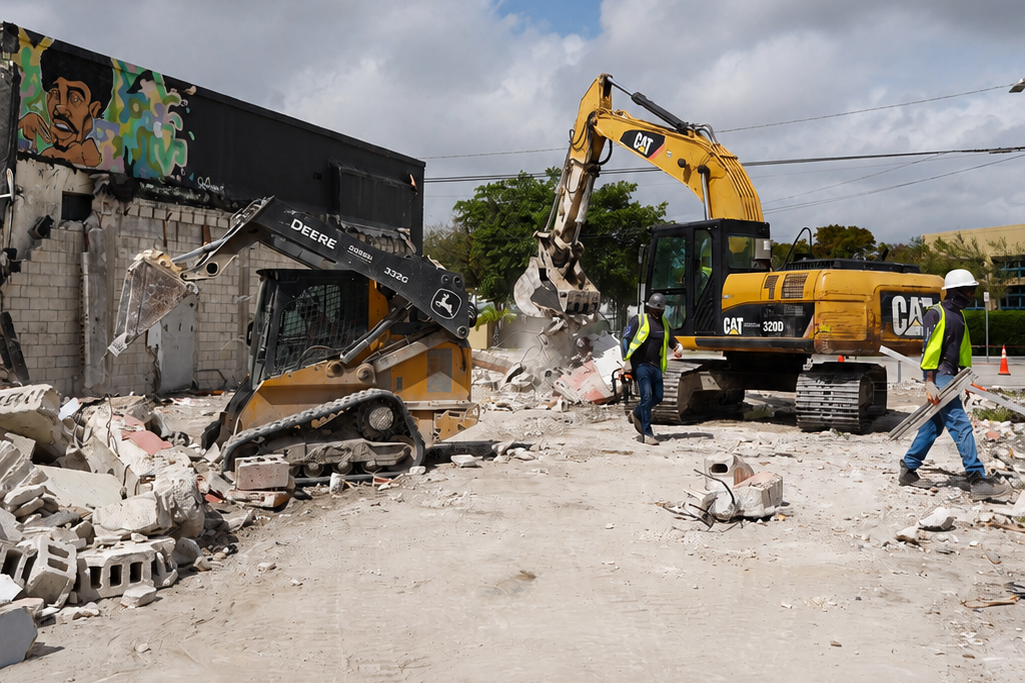
These materials require heavier equipment, specialized tools, and more labor-intensive removal methods such as cutting, coring, and structural dismantling.
Debris Management and Site Logistics
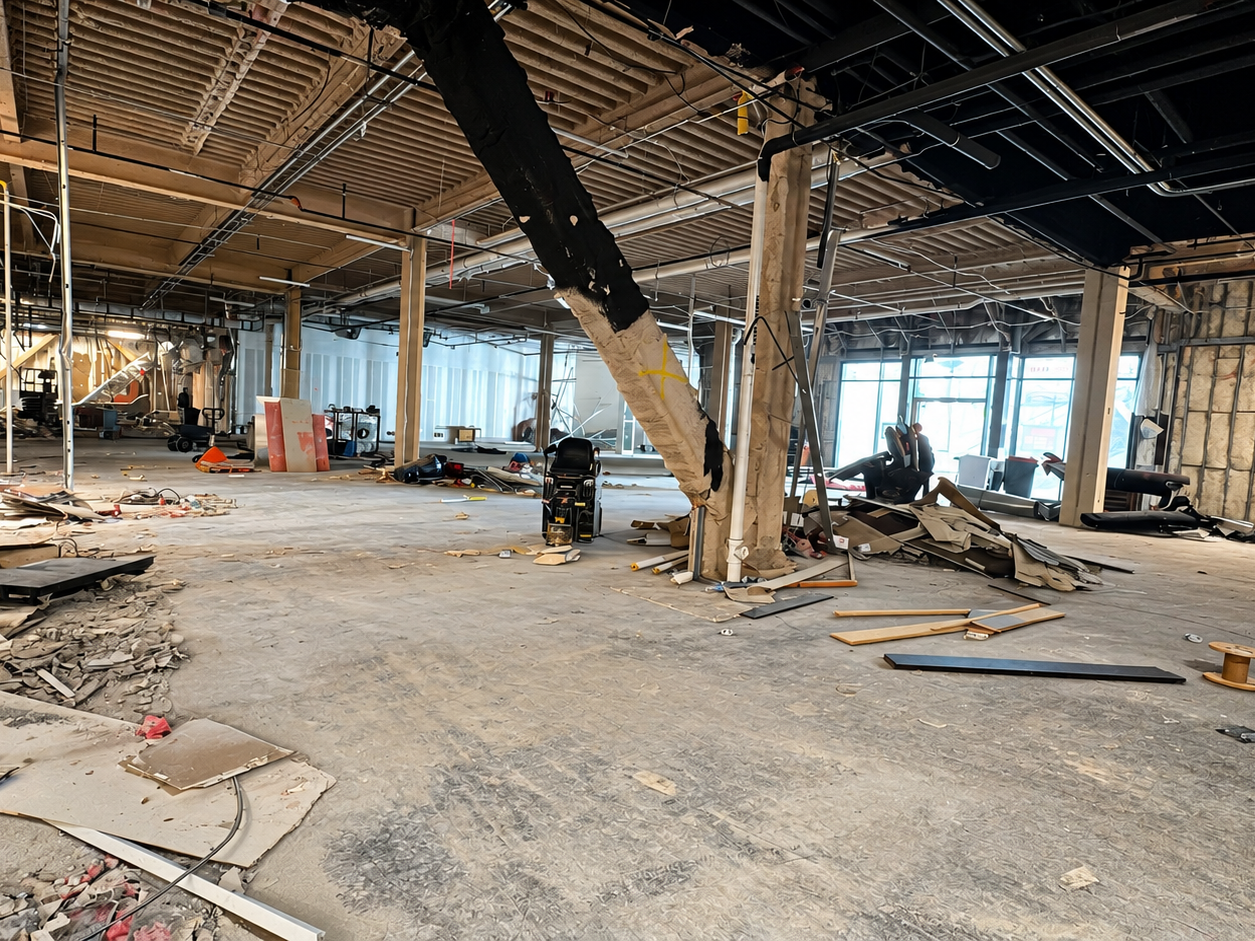
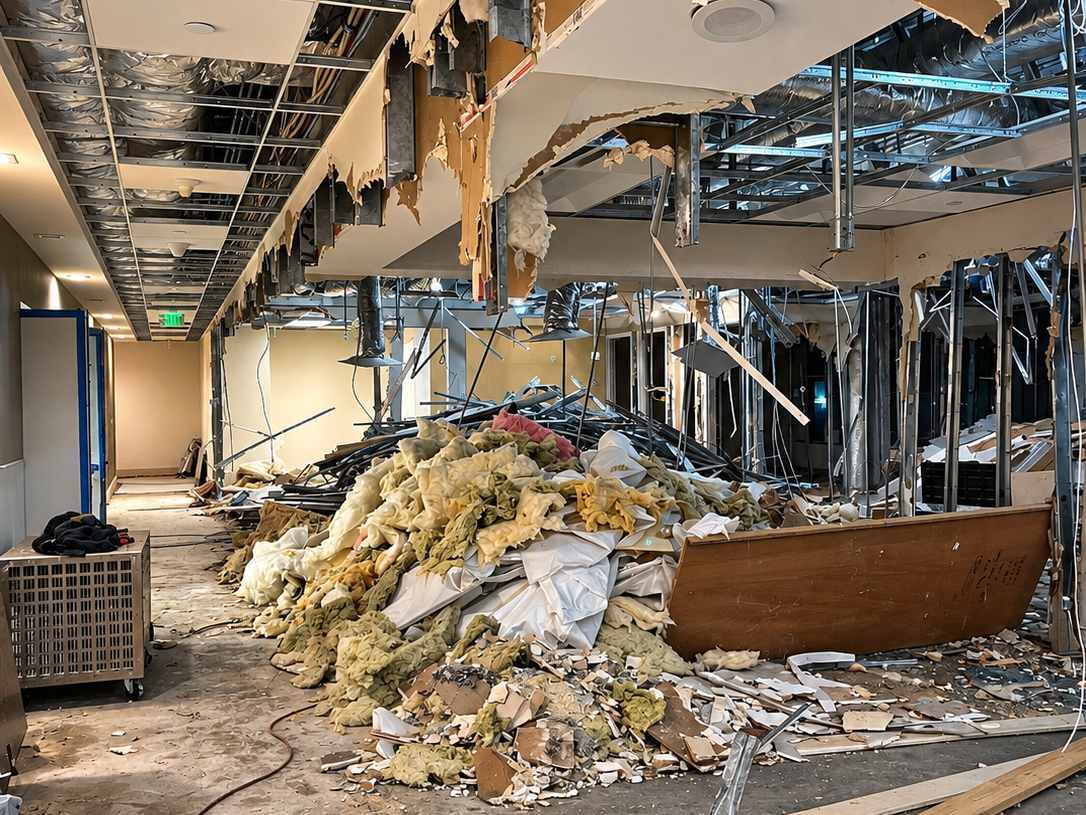
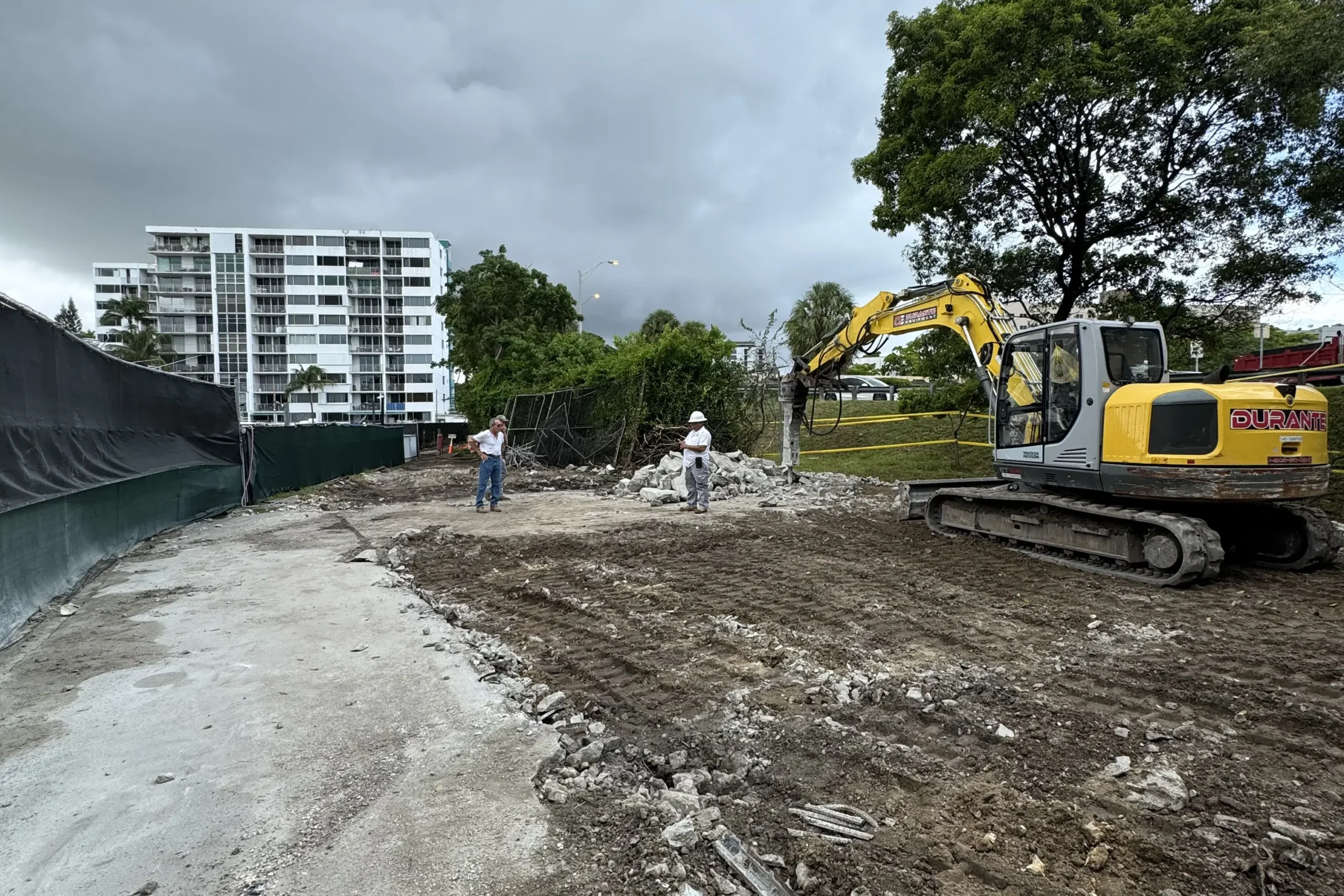
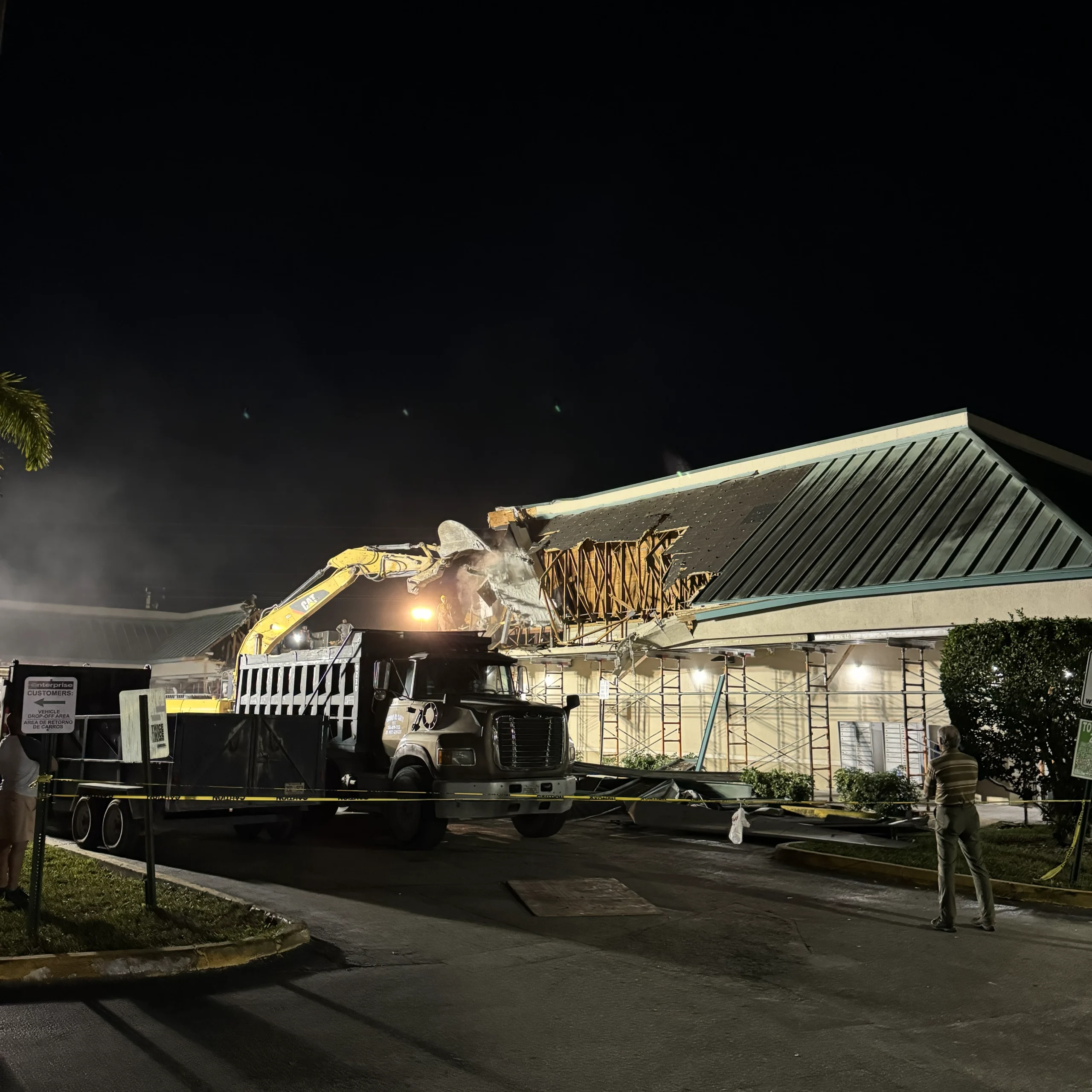
Debris removal becomes more complex as project size increases. Commercial demolition generates larger volumes of material and often takes place in areas with limited access.
This can involve:
- Coordinating dumpsters and hauling schedules
- Using freight elevators or cranes for removal
- Managing tight staging areas in urban environments
Logistics planning is essential to keep the project moving efficiently and avoid delays.
Permitting and Regulatory Requirements
Permitting for commercial demolition is more detailed and time-consuming than for residential projects. Multiple approvals and inspections are often required before and during the work.
Additional considerations may include:
- Environmental regulations for hazardous materials
- Engineering approvals for structural work
- Compliance with local building authorities
Working with experienced demolition professionals helps ensure all requirements are handled correctly.
Coordination with Other Trades
Commercial demolition rarely happens in isolation. It must be coordinated with multiple subcontractors working on the same project.
This includes:
- Electricians
- Plumbers
- HVAC technicians
Proper sequencing and communication with the general contractor are essential. Any misalignment can lead to delays, added costs, or rework.
Protection and Containment Measures
Protecting the surrounding environment is a major part of commercial demolition. Work often takes place near finished spaces that must remain intact.
Typical protection measures include:
- Floor and wall coverings
- Temporary partitions and dust barriers
- Negative air machines for containment
Maintaining clean and safe conditions is especially important in shared or occupied buildings.
Documentation and Administrative Work
Commercial demolition projects require a higher level of documentation compared to residential work. Administrative tasks are a significant part of the process.
These may include:
- Submittals and RFIs
- Daily progress and safety reports
- Project closeout documentation
This added layer of coordination ensures accountability and keeps all stakeholders aligned throughout the project.
Planning Your Demolition Project
The differences between residential and commercial demolition directly impact how a project is planned and executed. From safety requirements to scheduling and logistics, commercial work demands a higher level of coordination and expertise.
Working with a team that provides professional demolition services ensures your project is handled efficiently, safely, and in compliance with all local regulations.