Commercial buildings are designed to serve businesses for decades, but no property remains the same forever. As industries evolve, tenants change, and communities grow, buildings must adapt to meet new demands. Renovations, expansions, and redevelopment projects all play a part in extending a property’s useful life.
While many people associate demolition with the end of a building, it is often the beginning of its next chapter. Whether preparing a space for a new tenant, modernizing an outdated facility, or clearing a site for future development, demolition is an essential step throughout the life cycle of commercial properties.
Every Building Begins with a Purpose
When a commercial building is first constructed, it is designed around the needs of its original occupants. Office buildings, retail centers, healthcare facilities, warehouses, and restaurants are all built with specific layouts, mechanical systems, and structural elements that support their intended use.
Over time, however, those needs often change. Businesses expand, technology advances, and spaces that once worked perfectly may no longer meet modern expectations.
Renovations Keep Buildings Relevant
One of the most common ways a commercial property evolves is through renovation. Rather than constructing an entirely new building, owners often choose to update existing spaces to improve functionality, aesthetics, or efficiency.
This is where interior demolition plays a critical role.
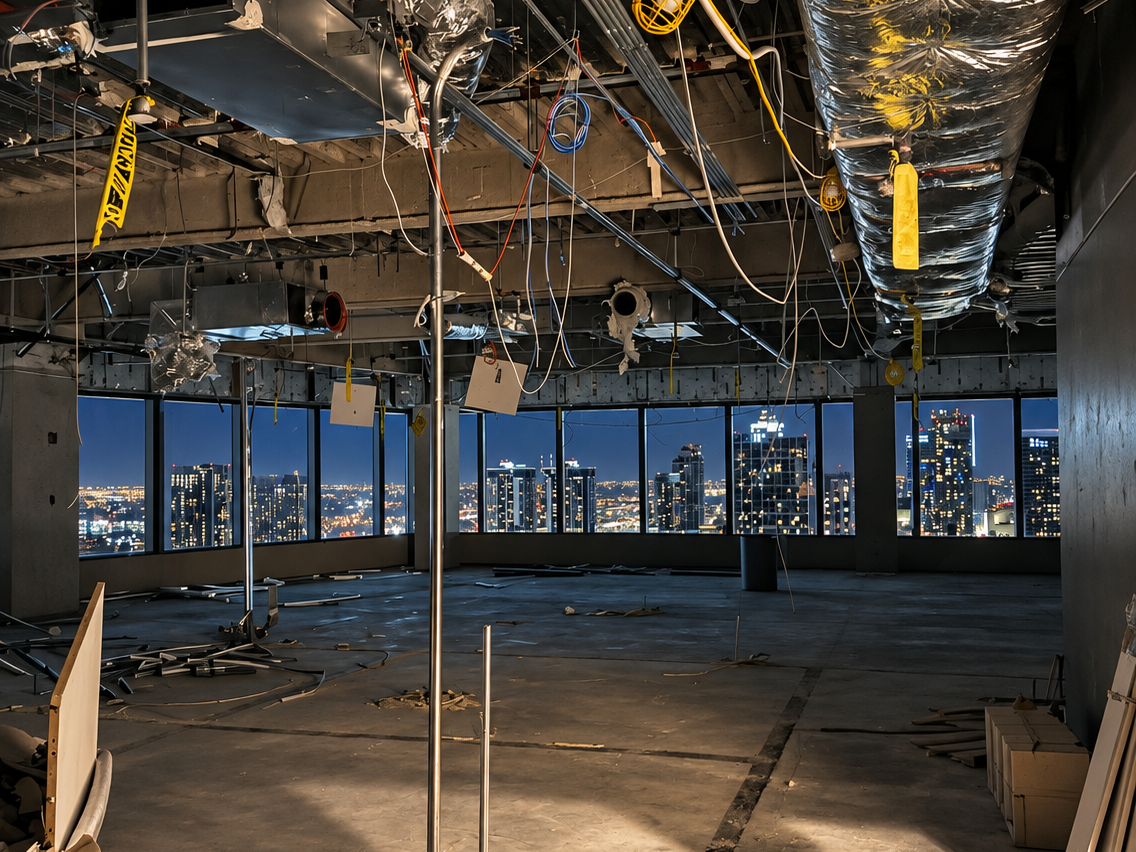
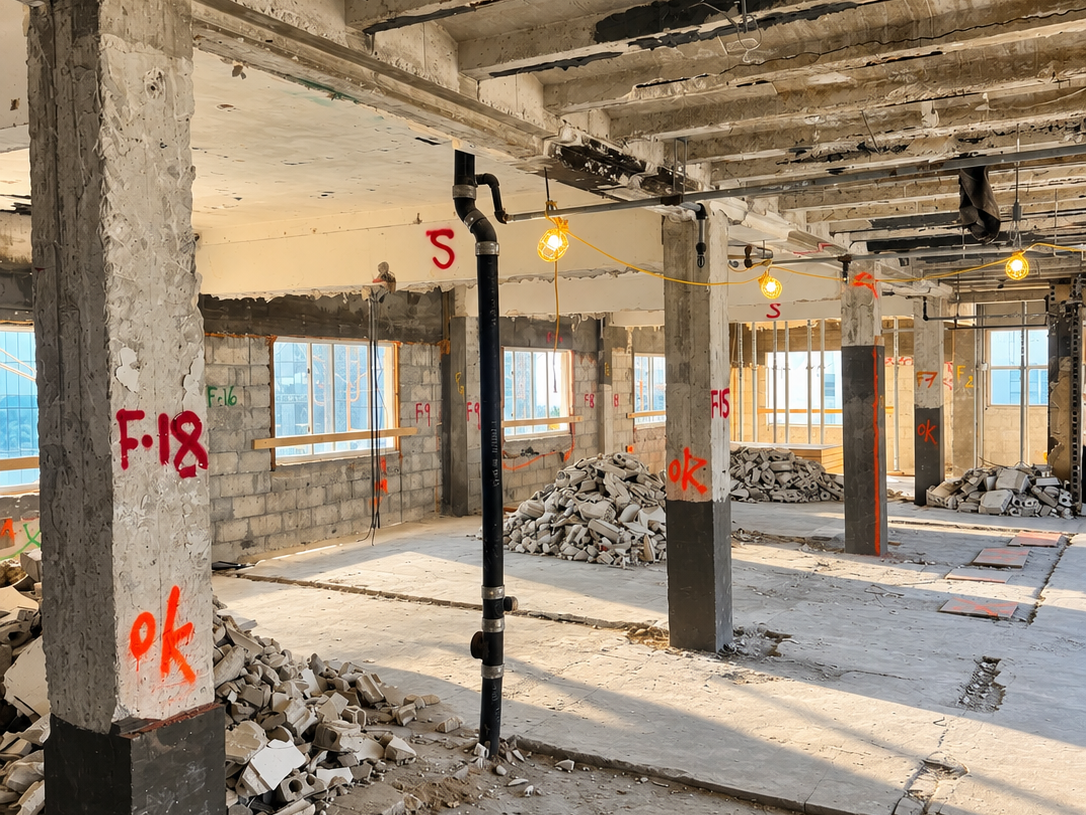
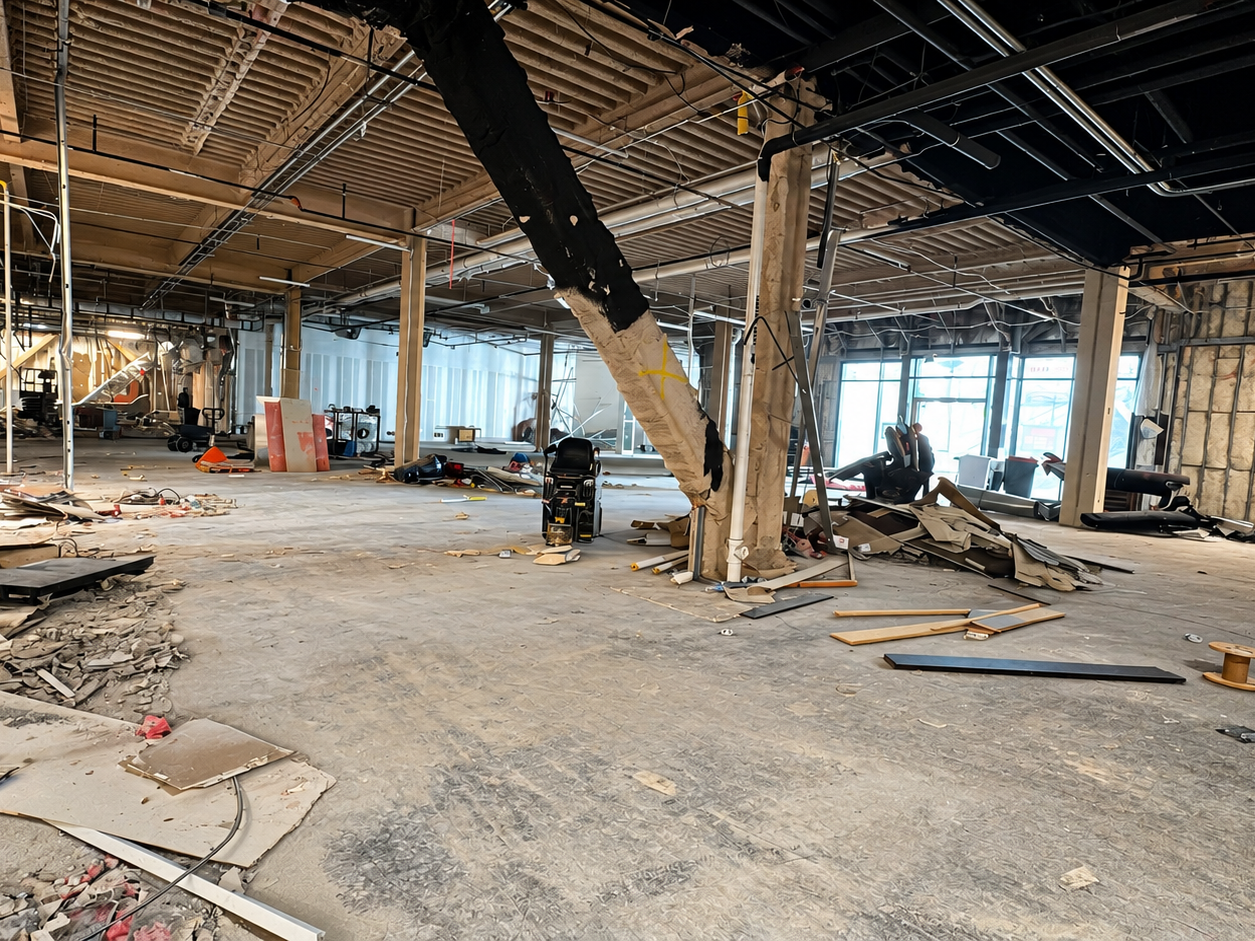
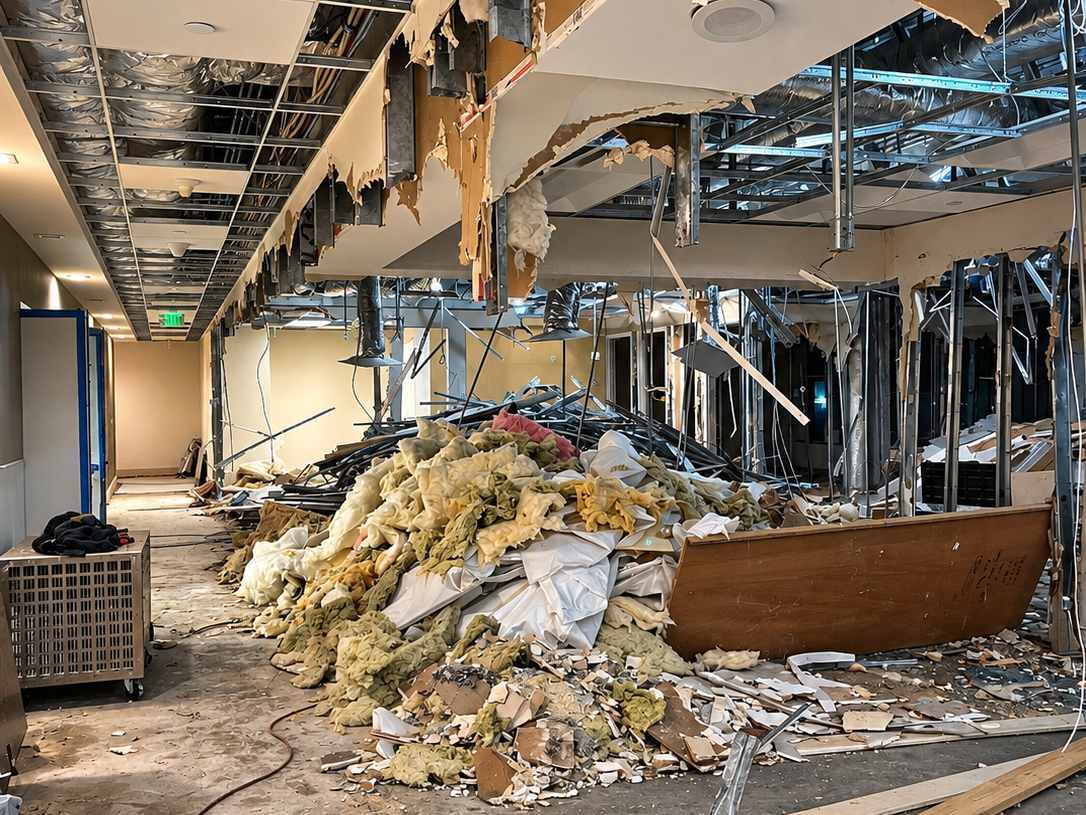
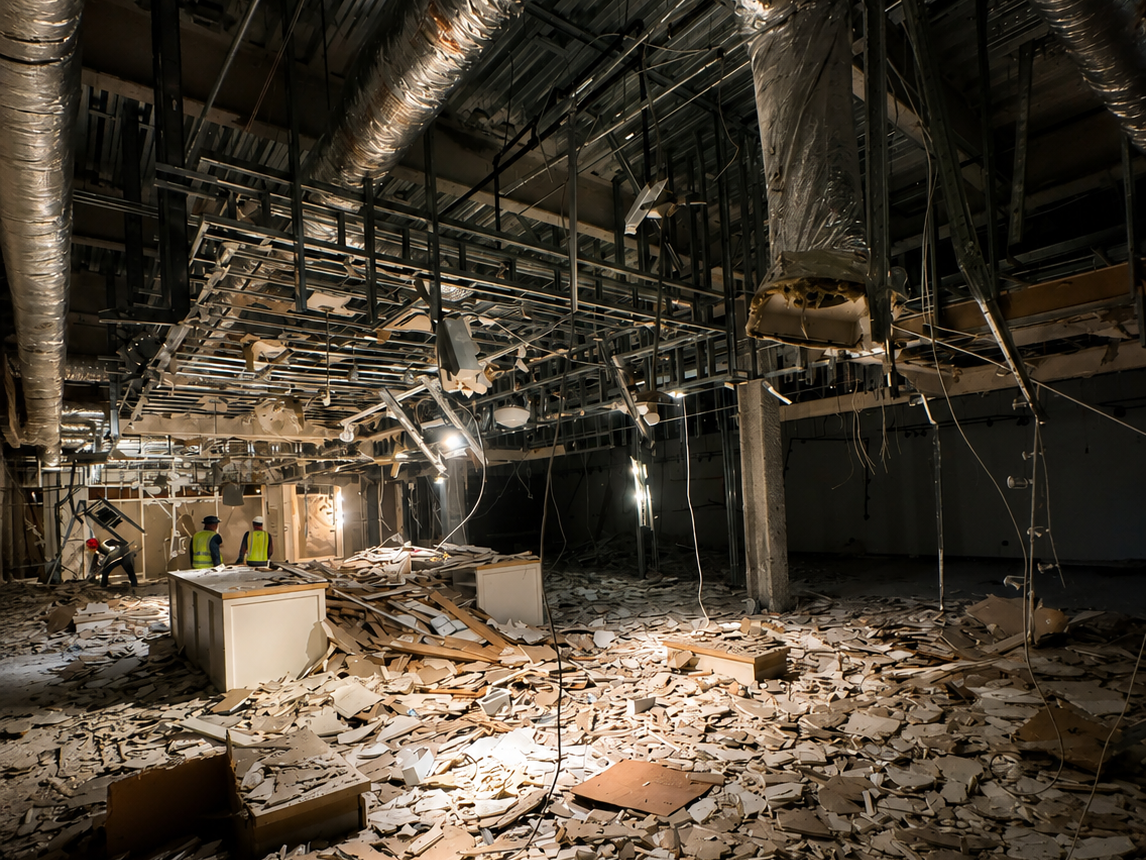
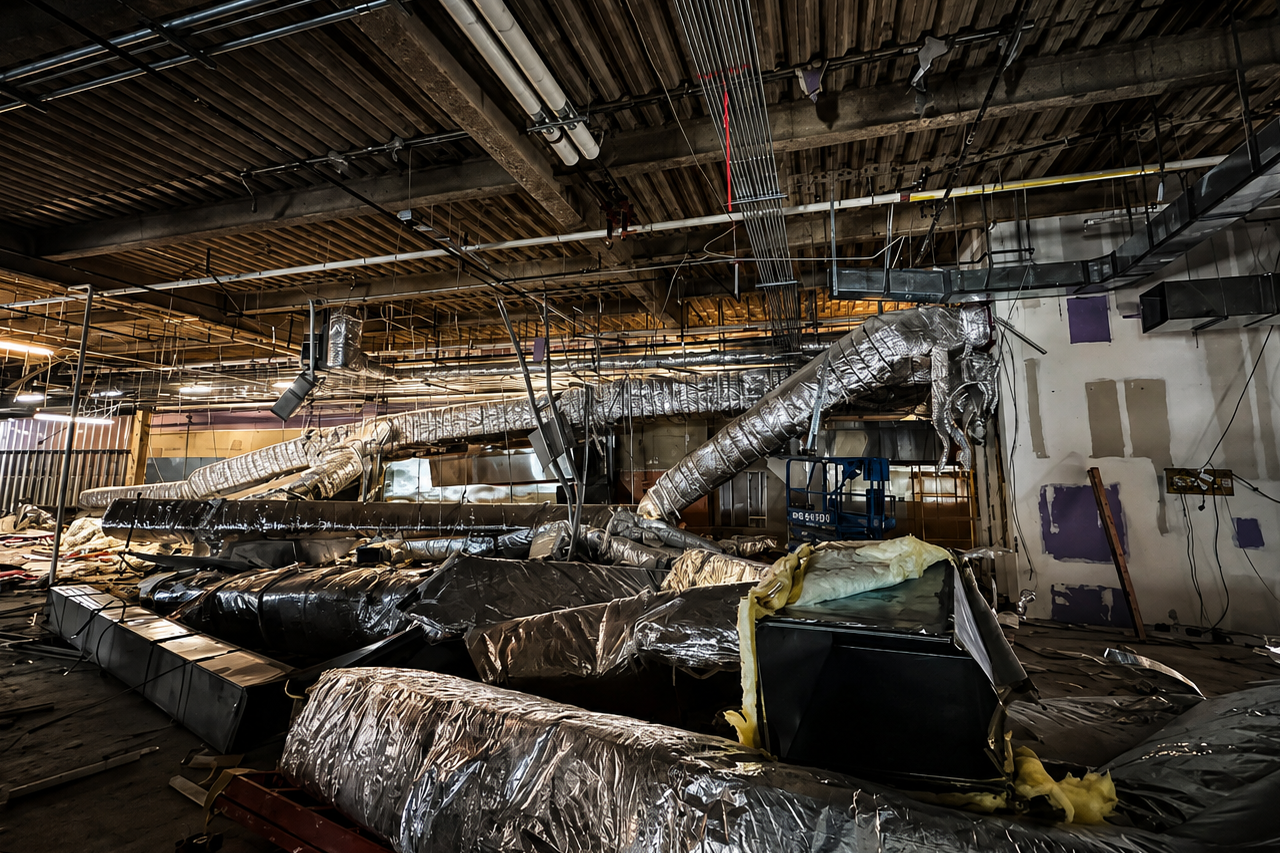
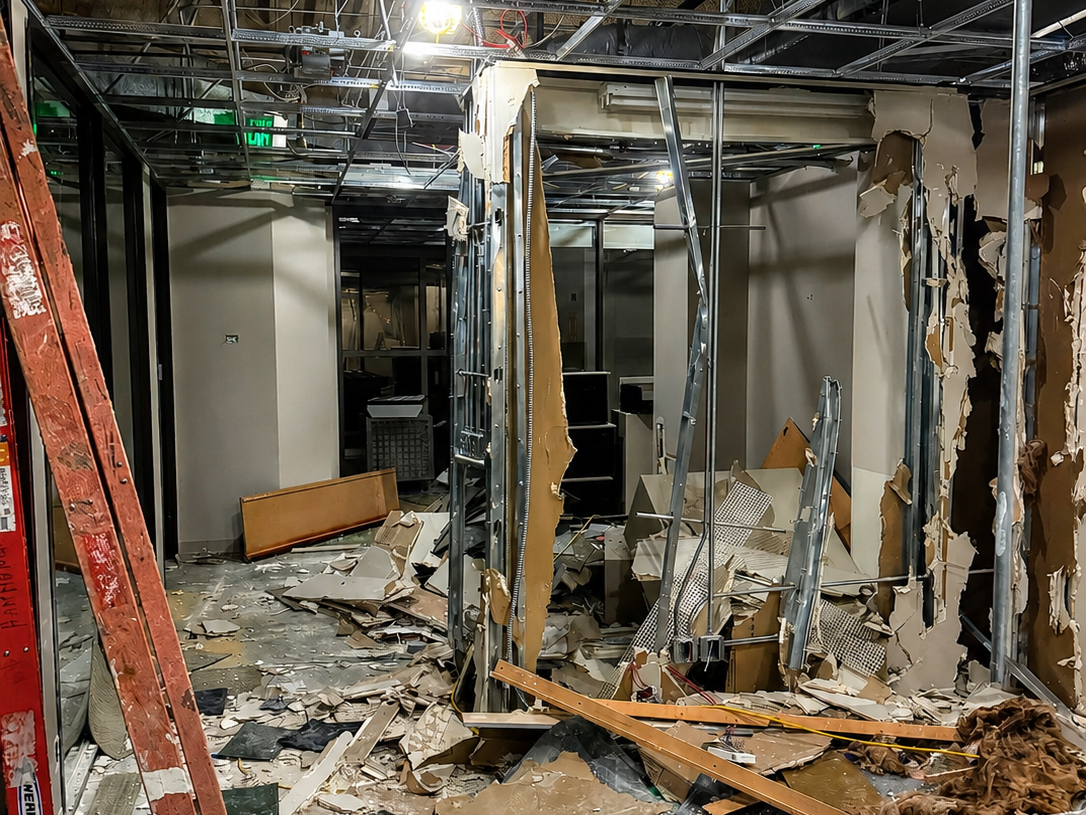
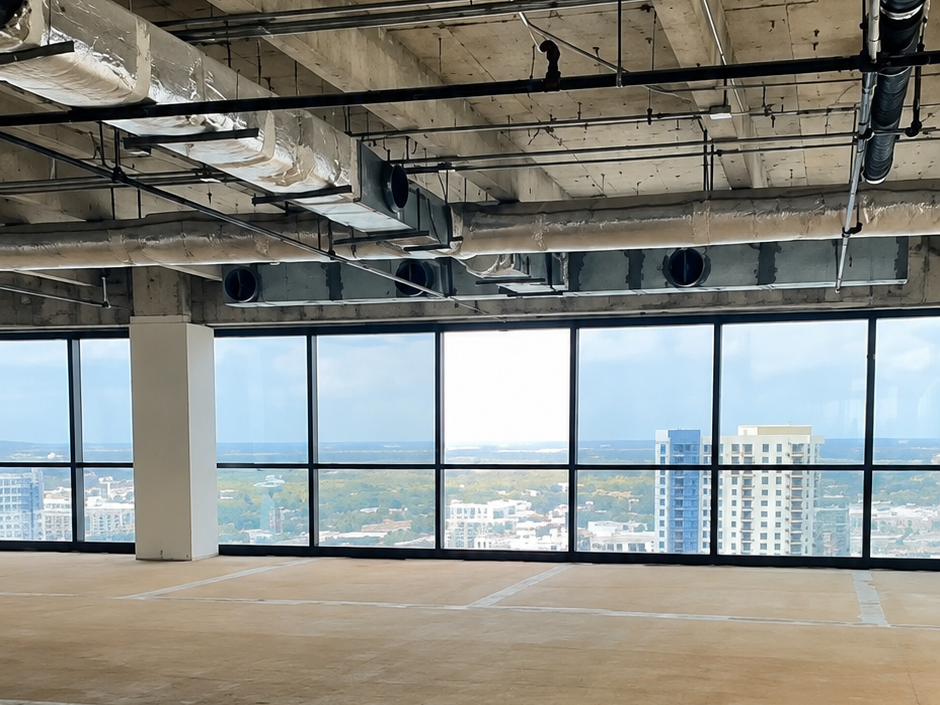
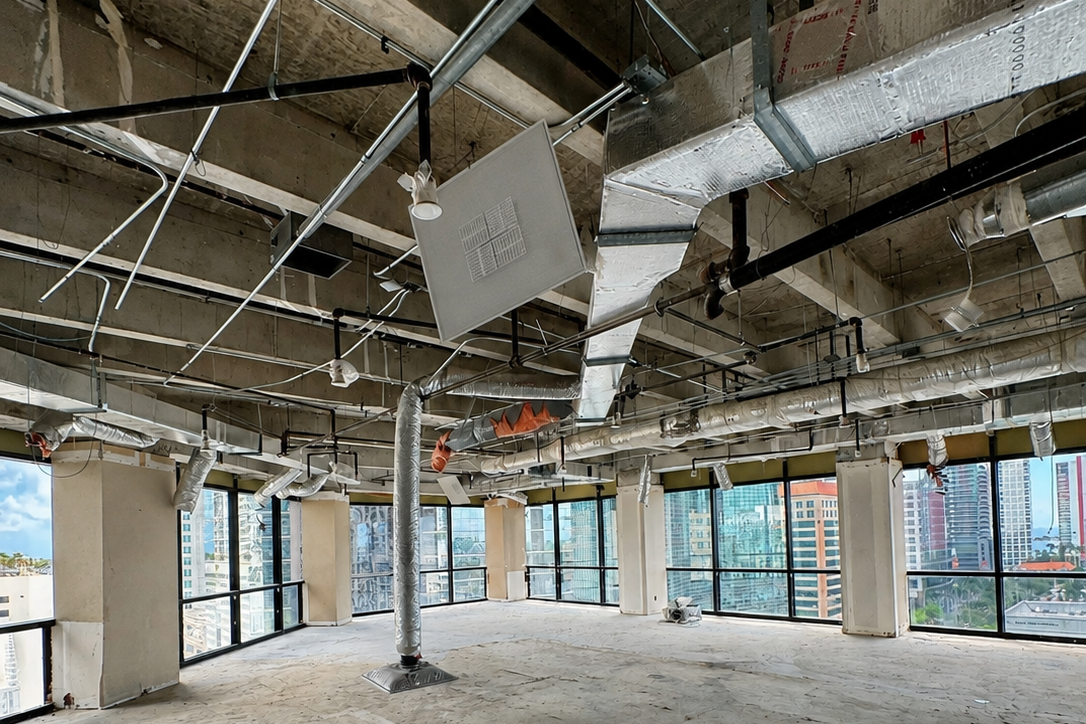
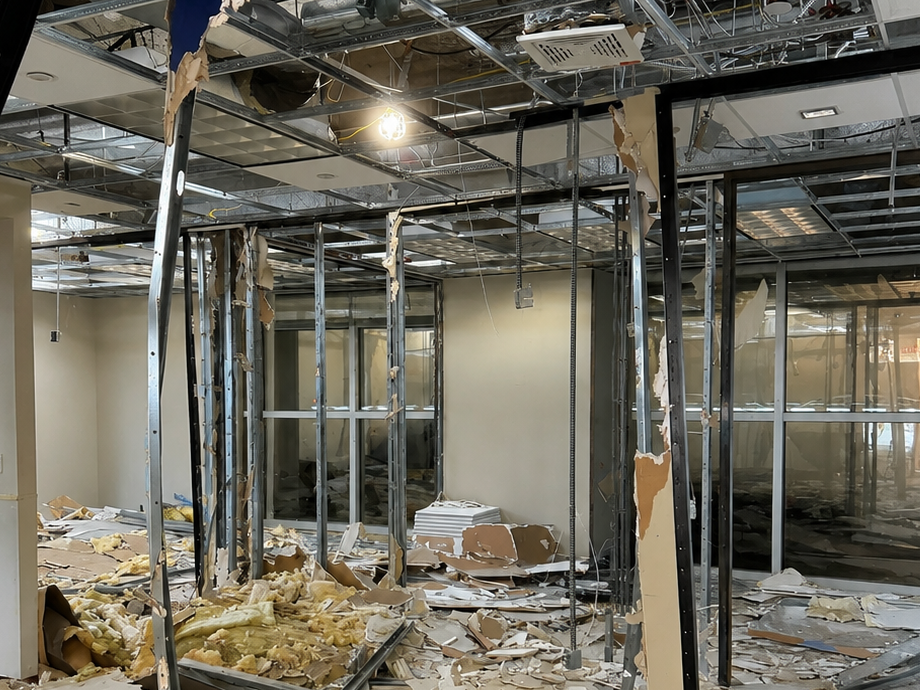
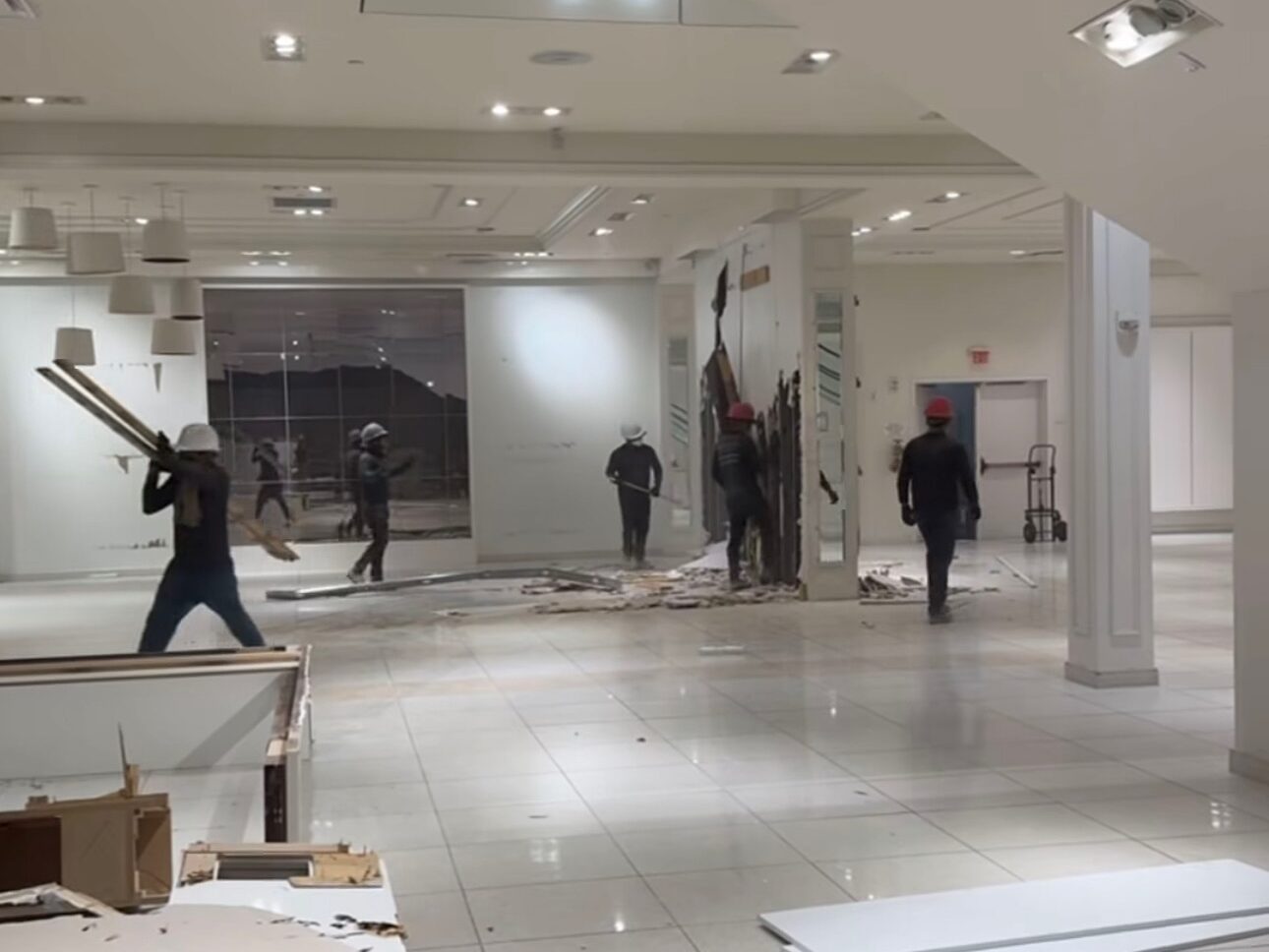
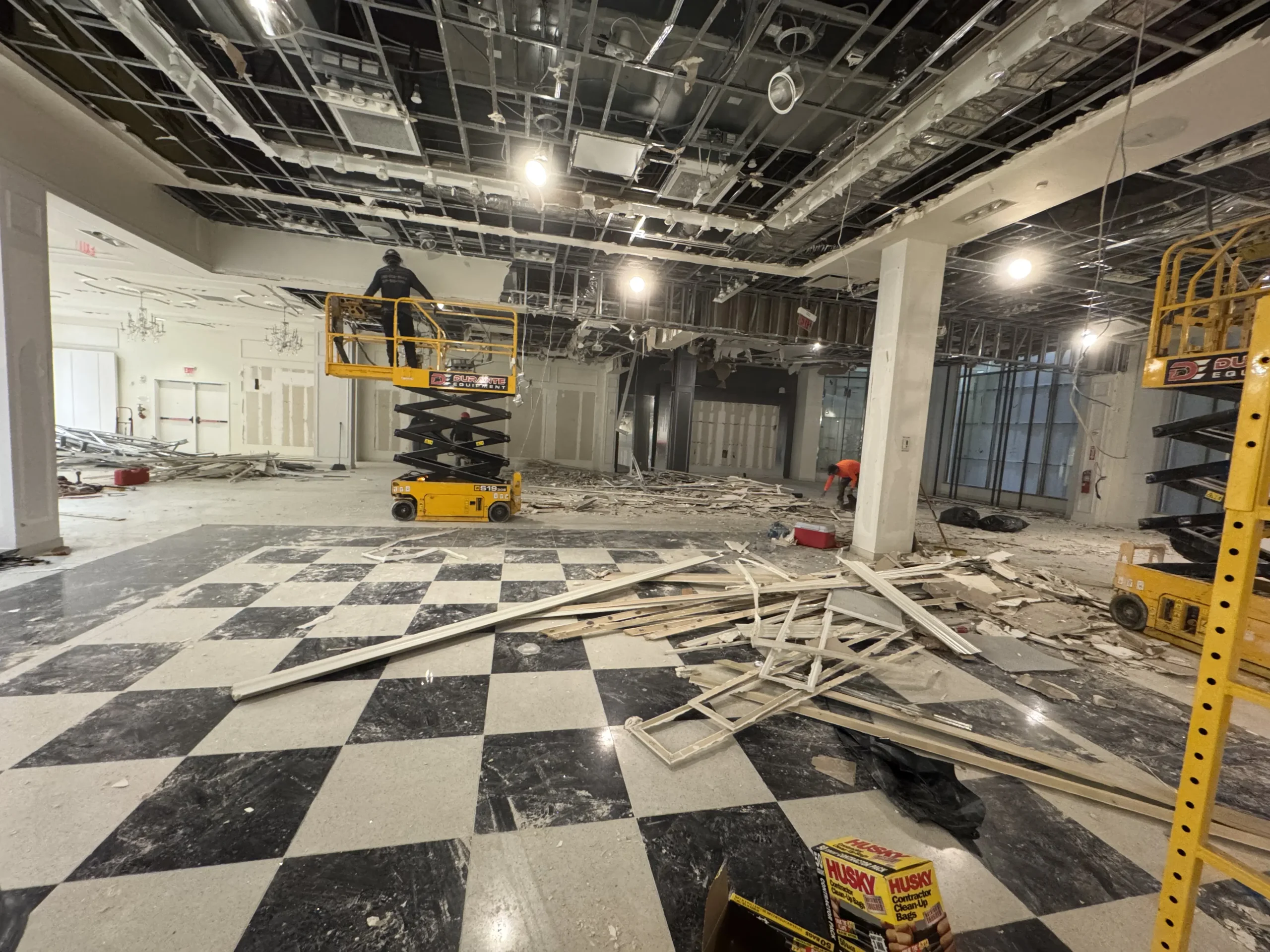
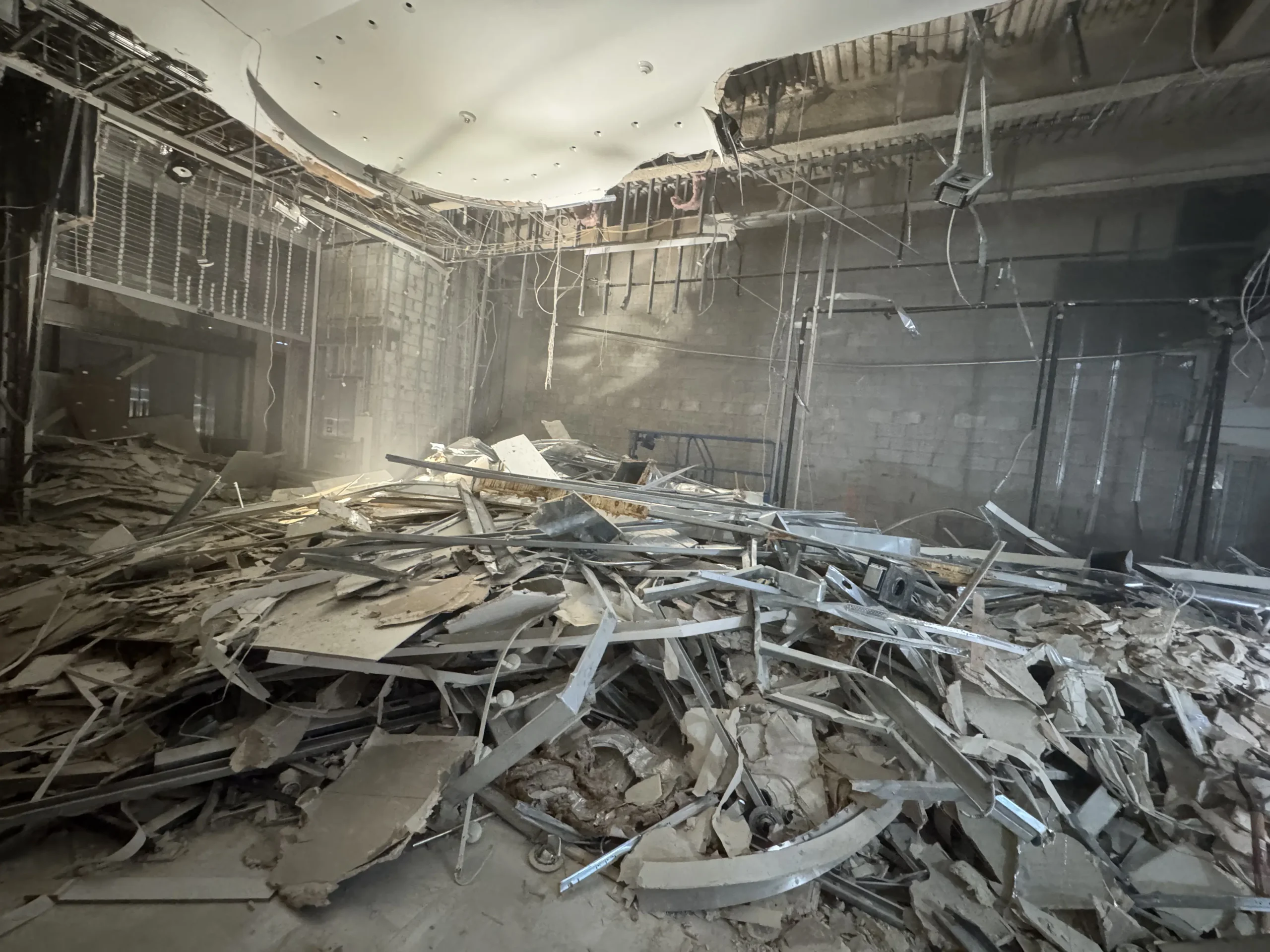
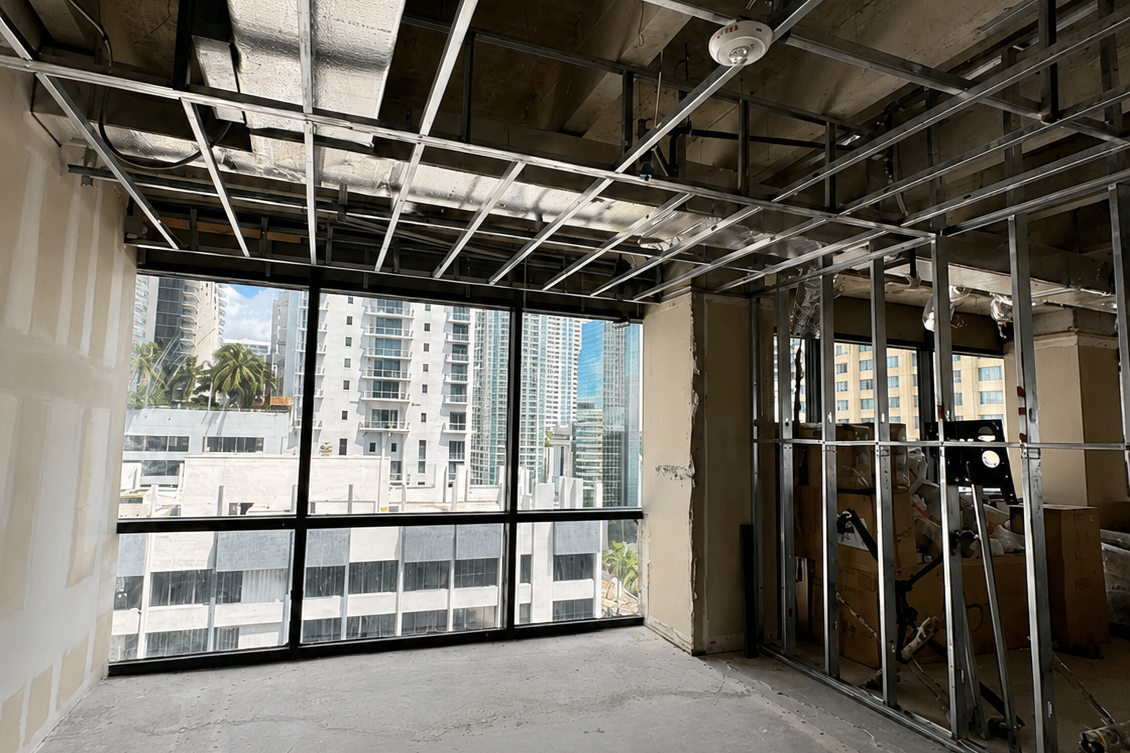
Removing partitions, ceilings, flooring, millwork, outdated finishes, and mechanical systems allows architects, designers, and contractors to reimagine a space without starting from the ground up. By carefully removing only what is no longer needed, renovation projects can move forward while preserving the building’s structural integrity.
Adapting Spaces for New Businesses
Commercial properties frequently change ownership or occupancy throughout their lifespan. A retail store may become a medical office, a warehouse may be converted into creative office space, or an outdated restaurant may be transformed into an entirely new concept.
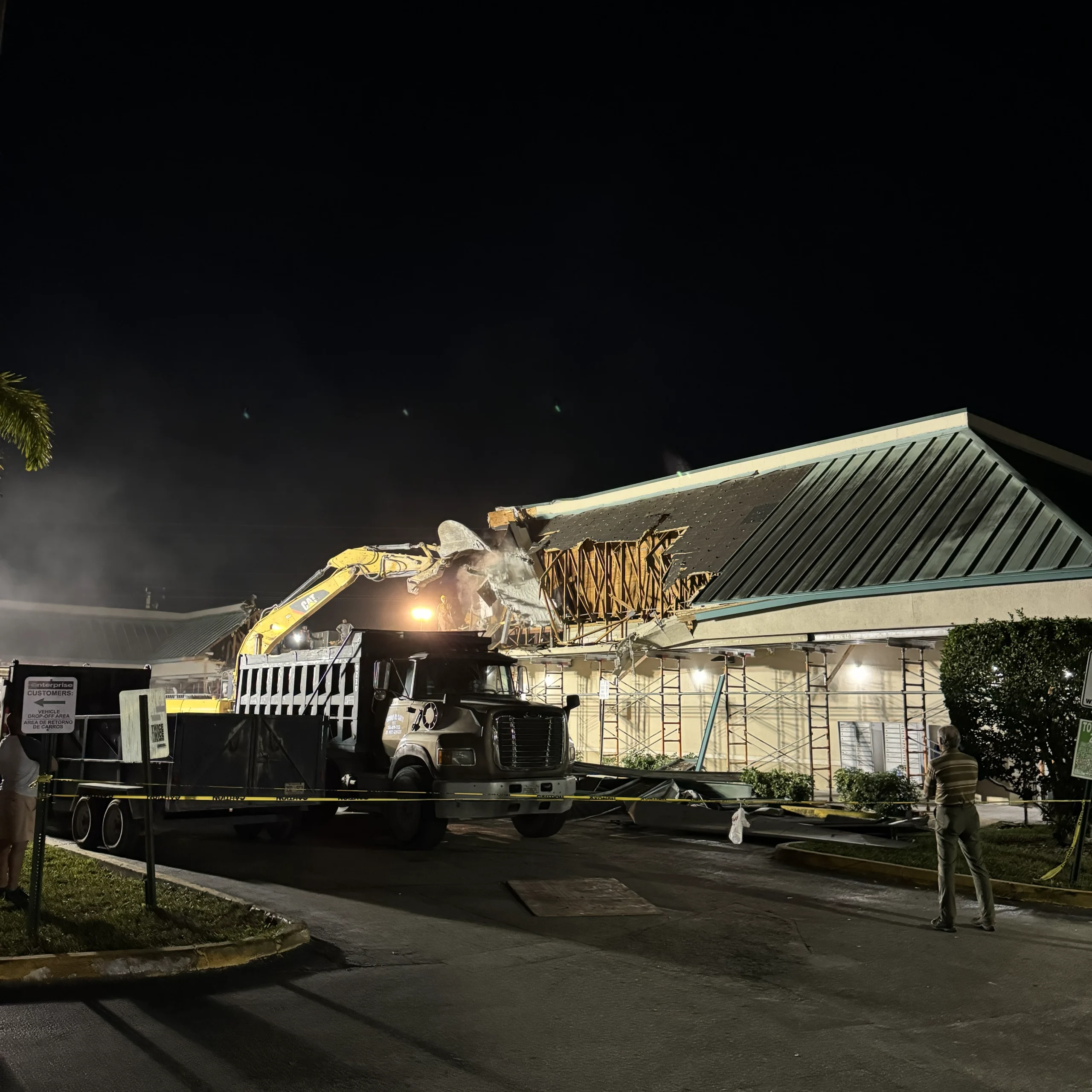
Preparing these spaces often requires selective demolition, allowing crews to remove specific areas while protecting the portions of the building that will remain.
This approach helps property owners maximize the value of existing structures while reducing unnecessary waste and construction costs.
When Redevelopment Becomes the Best Option
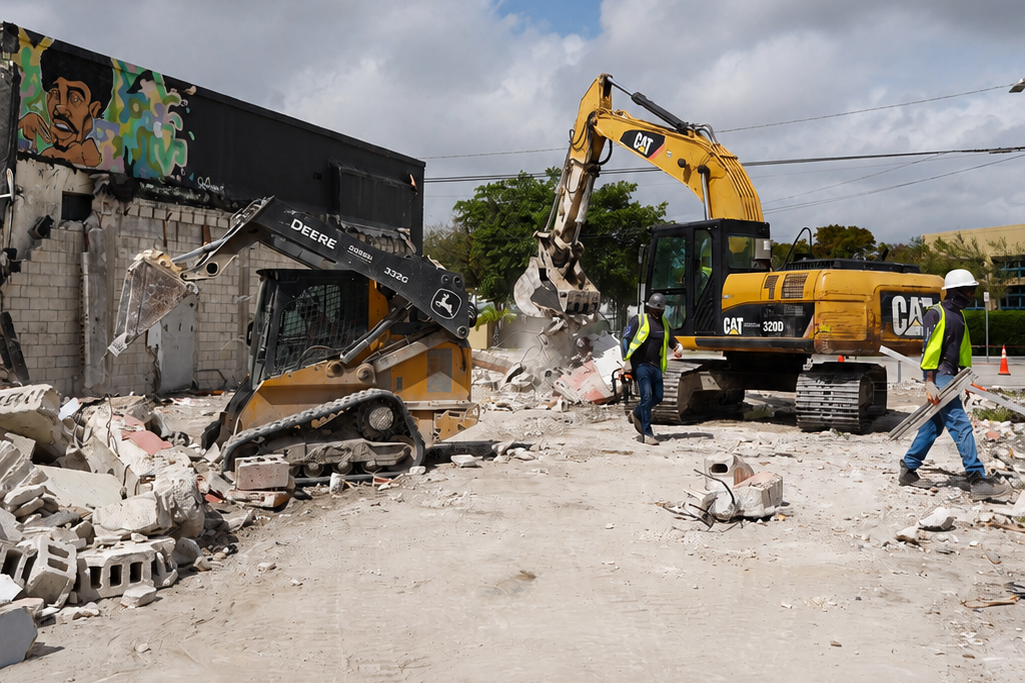
Not every building can continue to meet the needs of today’s market. As structures age or redevelopment opportunities arise, owners may determine that a complete transformation offers the greatest long-term value.
In these cases, demolition becomes the first step toward creating something new.
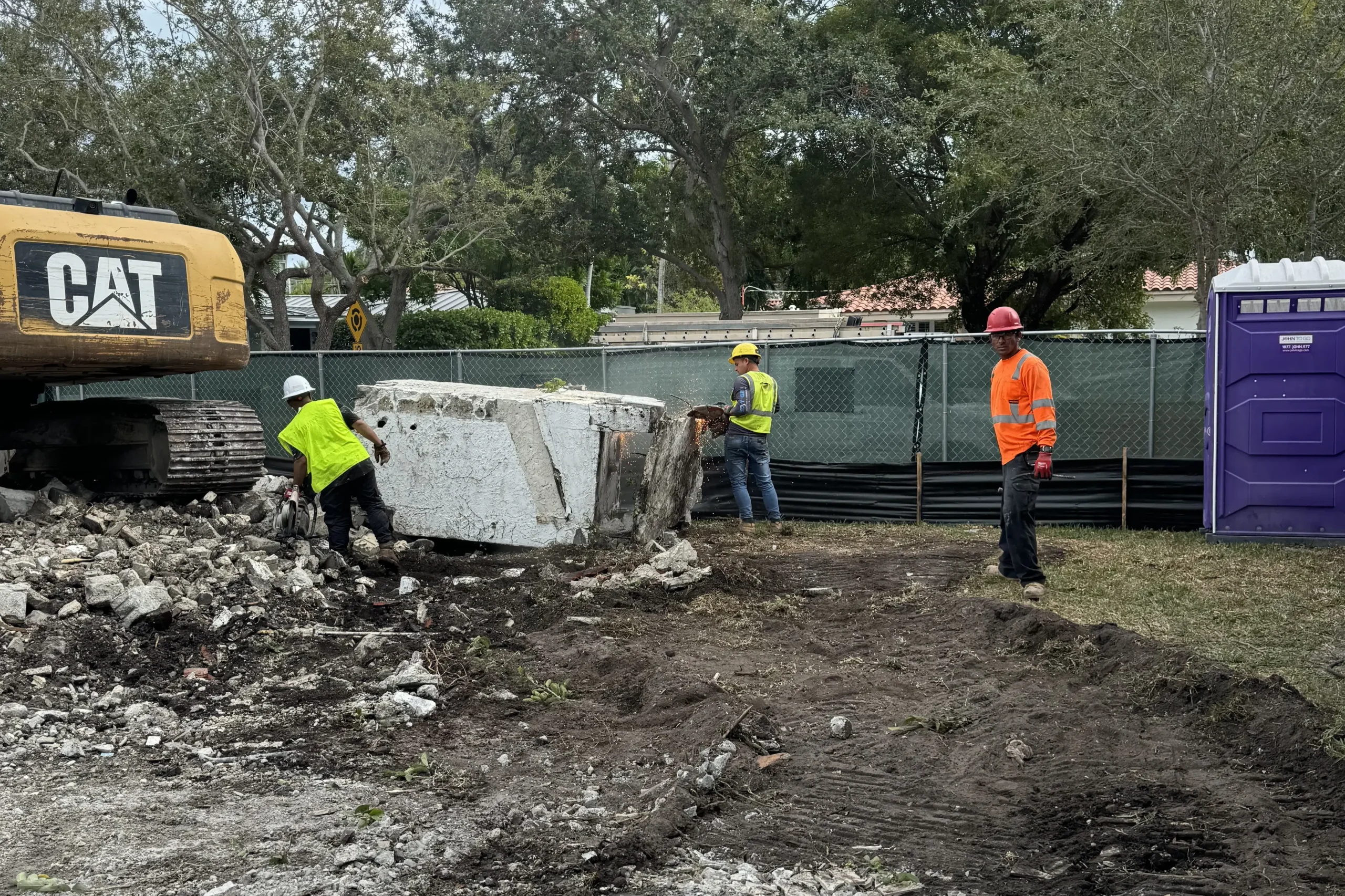
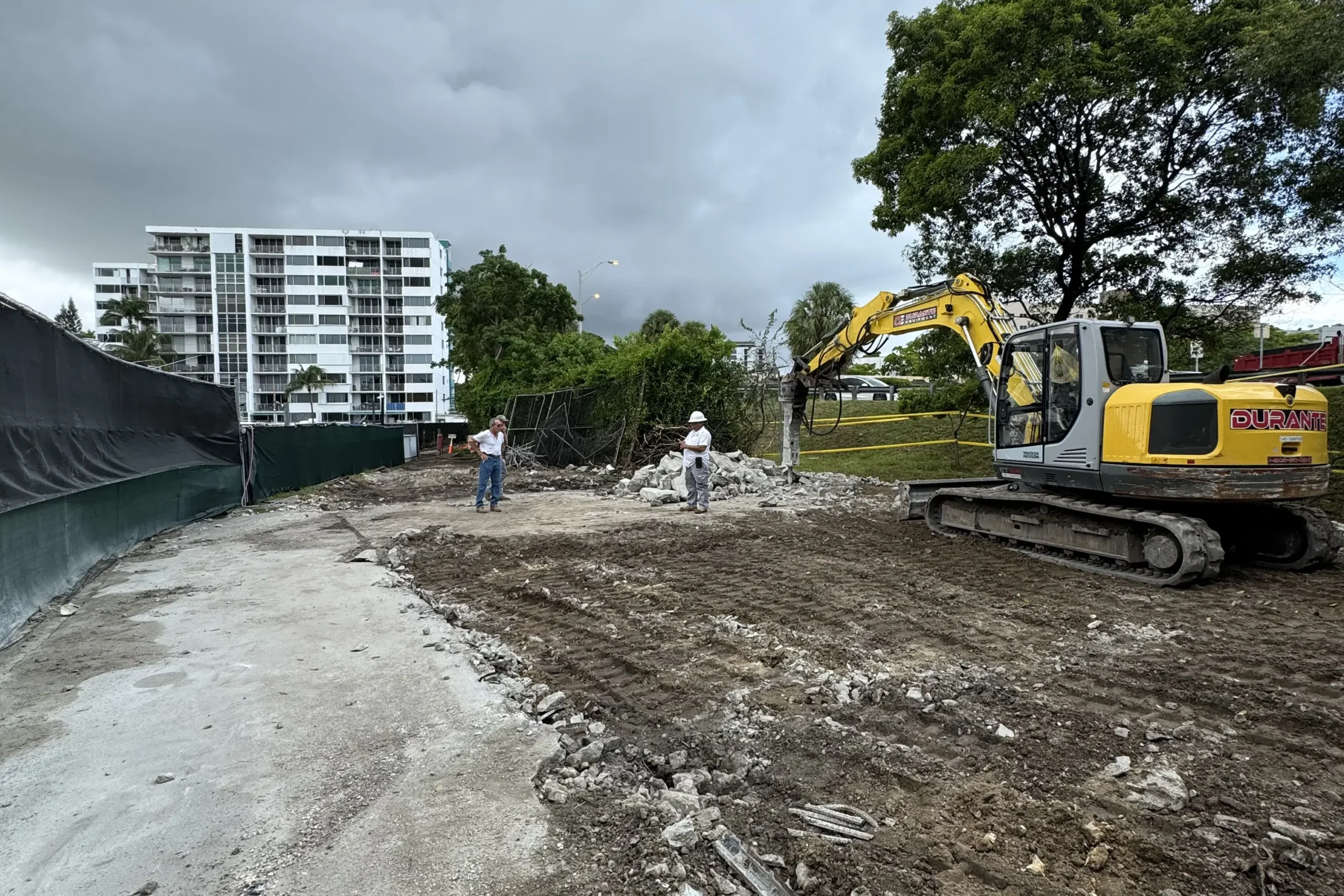
Whether preparing land for a larger commercial development, replacing outdated facilities, or supporting mixed-use projects, properly planned demolition creates a clean, safe foundation for future construction.
Planning Makes Every Phase More Successful
Regardless of the project’s size, successful demolition requires careful planning, coordination, and communication. Site logistics, utility disconnects, debris removal, safety procedures, and scheduling all play an important role in keeping construction projects moving efficiently.
By working closely with general contractors, developers, architects, and project managers, experienced demolition teams help minimize disruptions while preparing properties for their next stage of development.
Supporting the Next Chapter
Commercial buildings rarely stay the same throughout their lifetime. They are renovated, expanded, repurposed, and, when necessary, redeveloped to meet changing business needs.
At Next Gen Construction & Demolition, we help property owners and general contractors prepare buildings for what’s next. From selective interior demolition during renovations to complete structural removal for redevelopment projects, our team delivers safe, efficient solutions that support every stage of a building’s evolution.
No matter where a property is in its life cycle, proper demolition is more than removing existing materials—it’s about creating opportunities for the future.