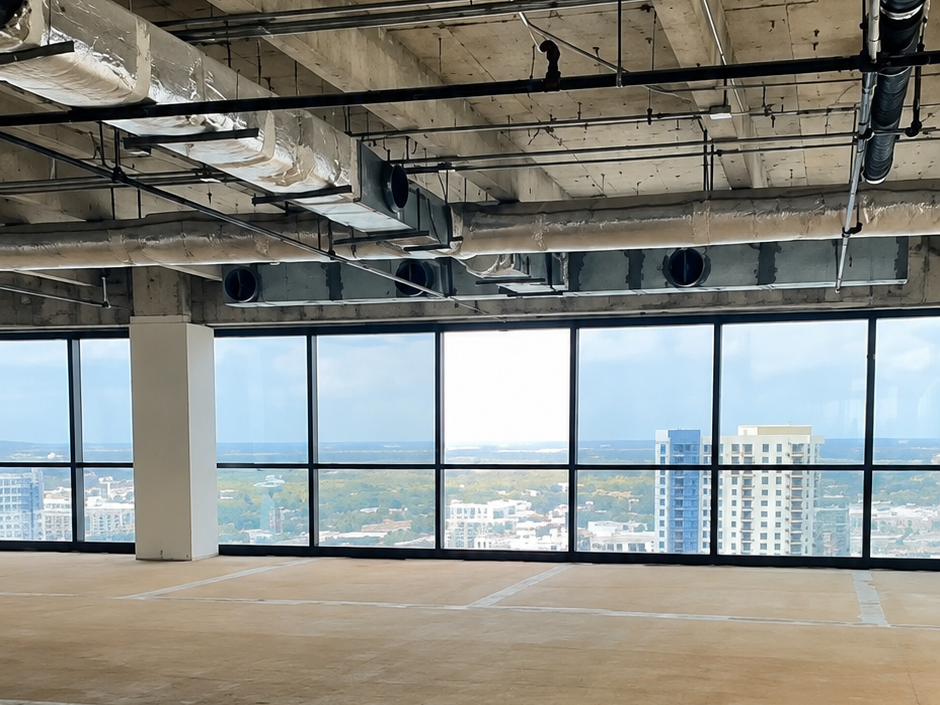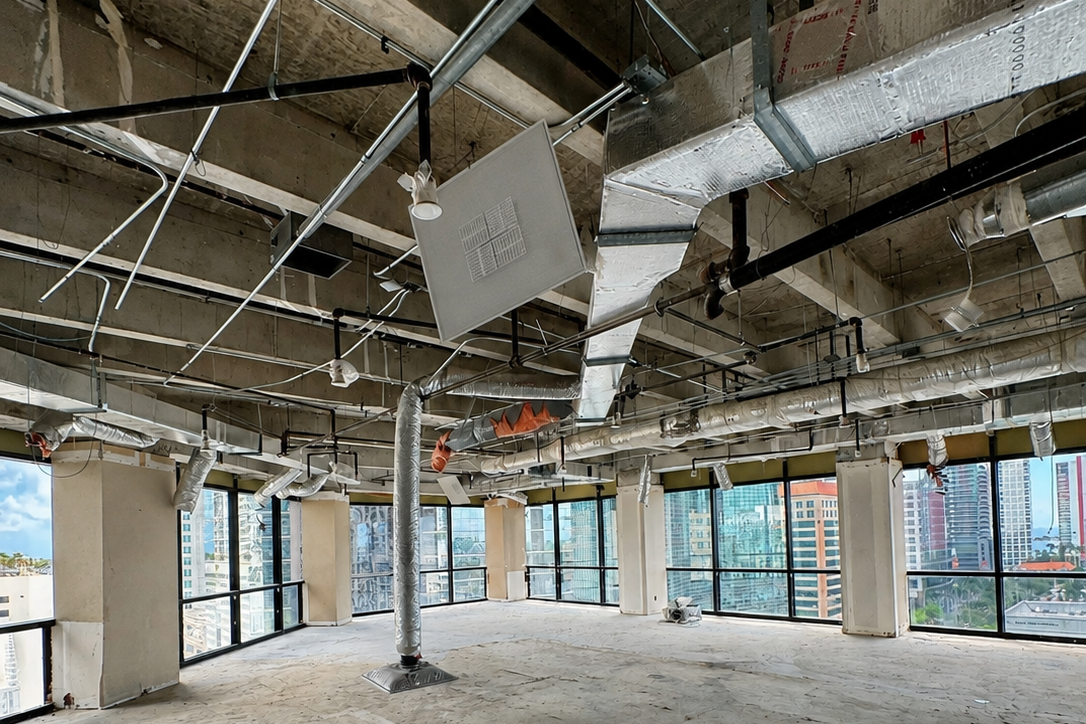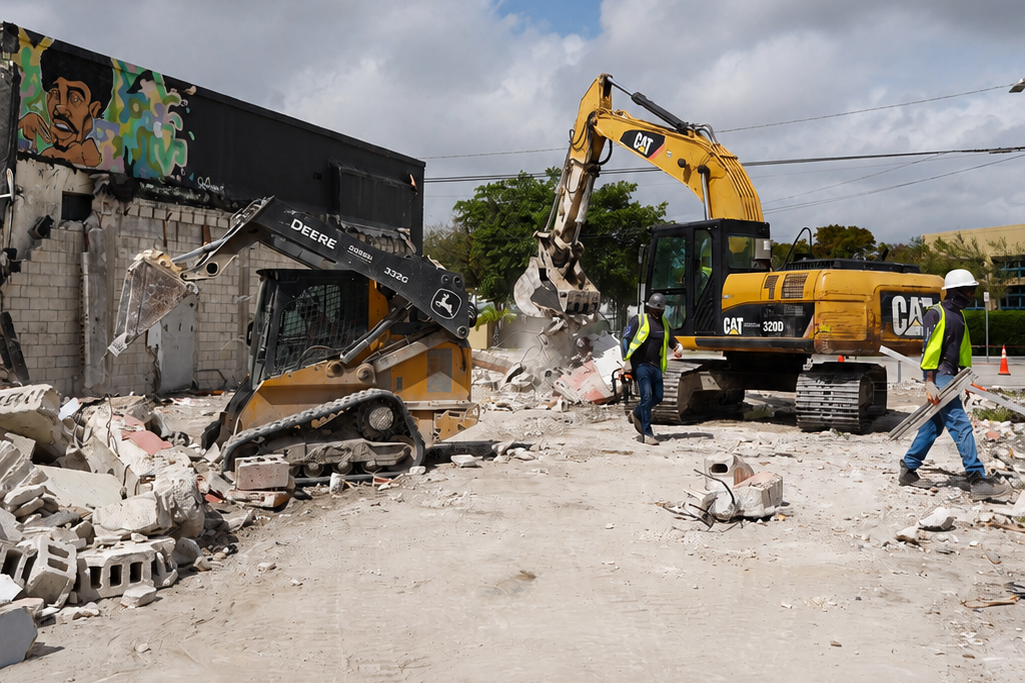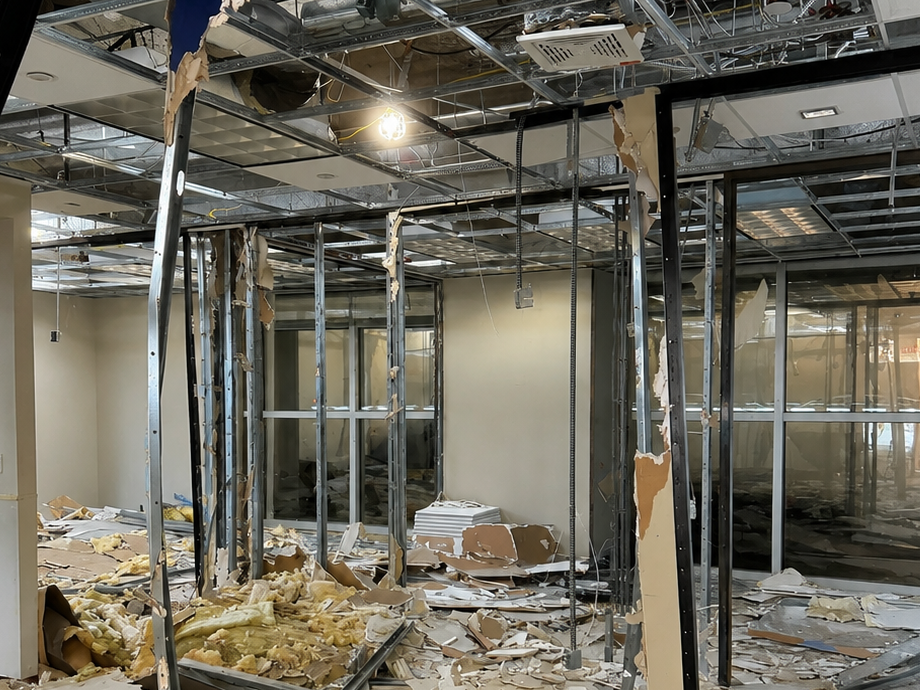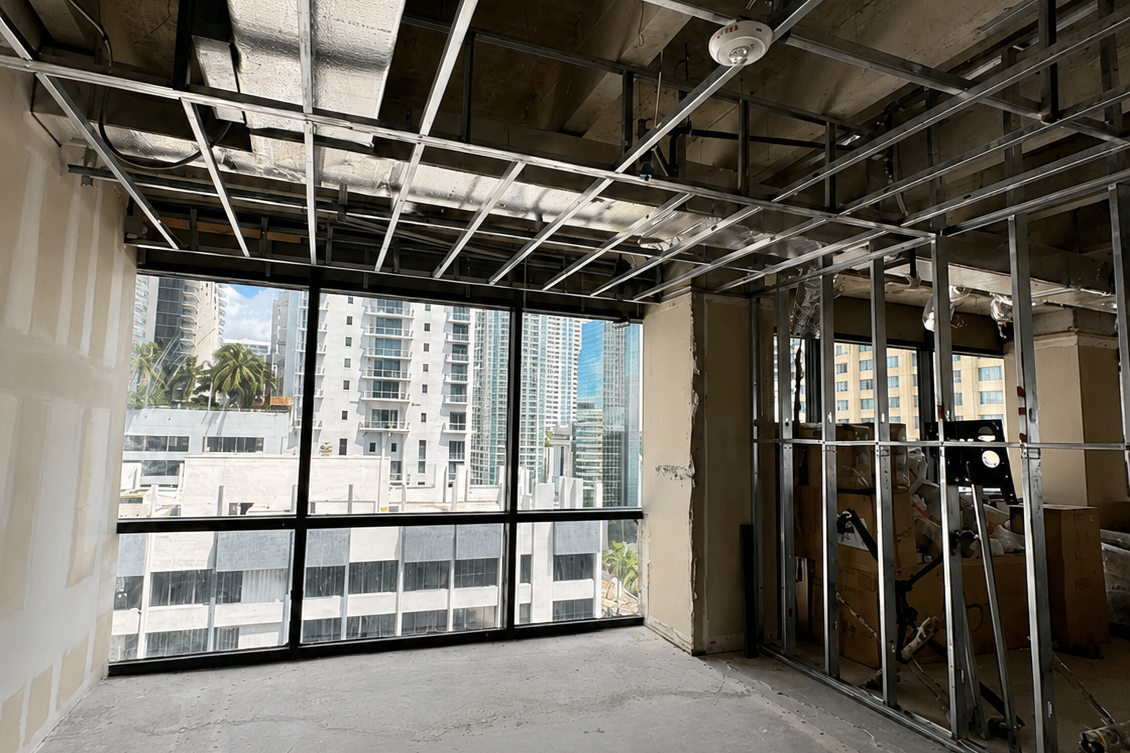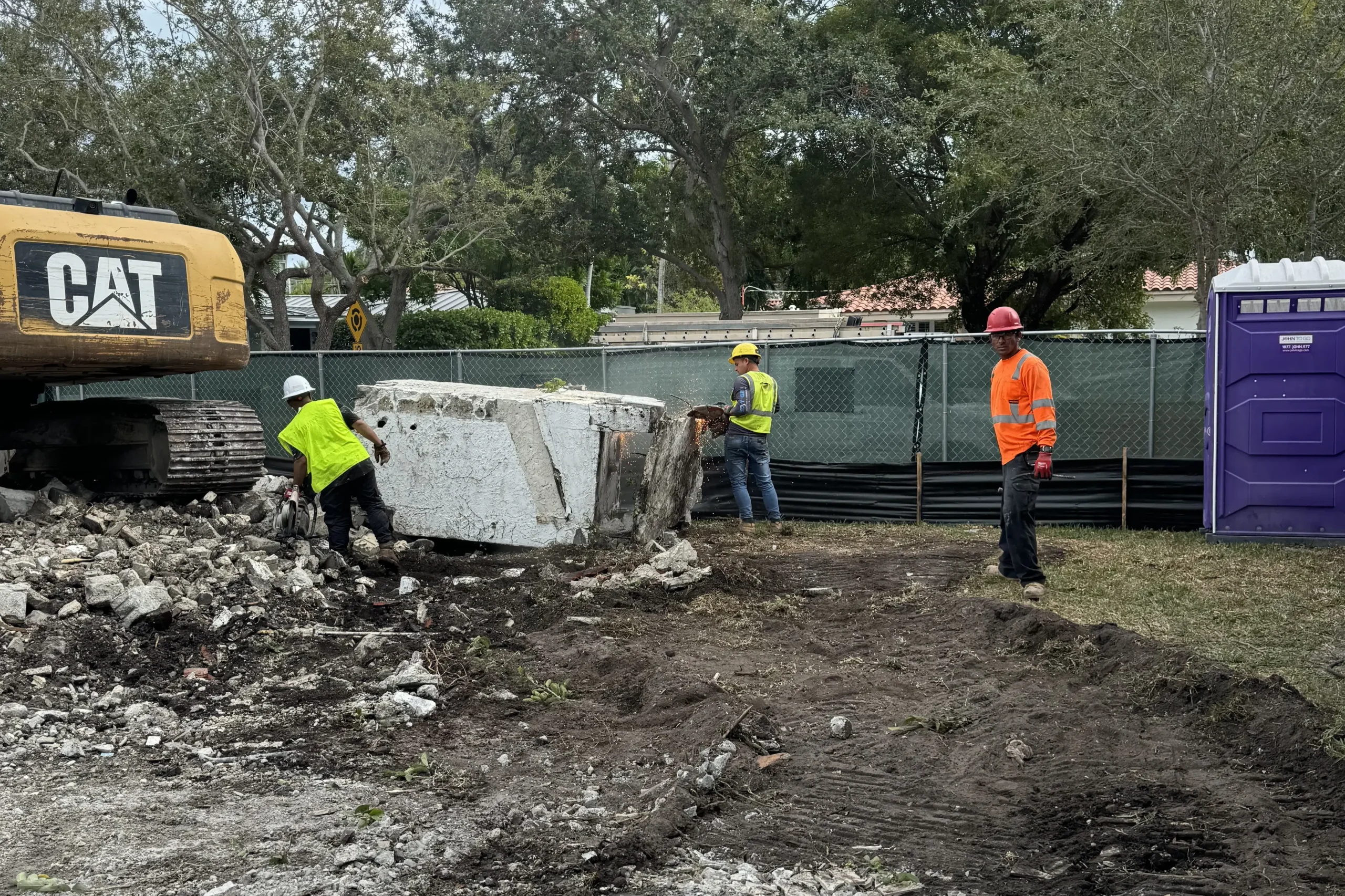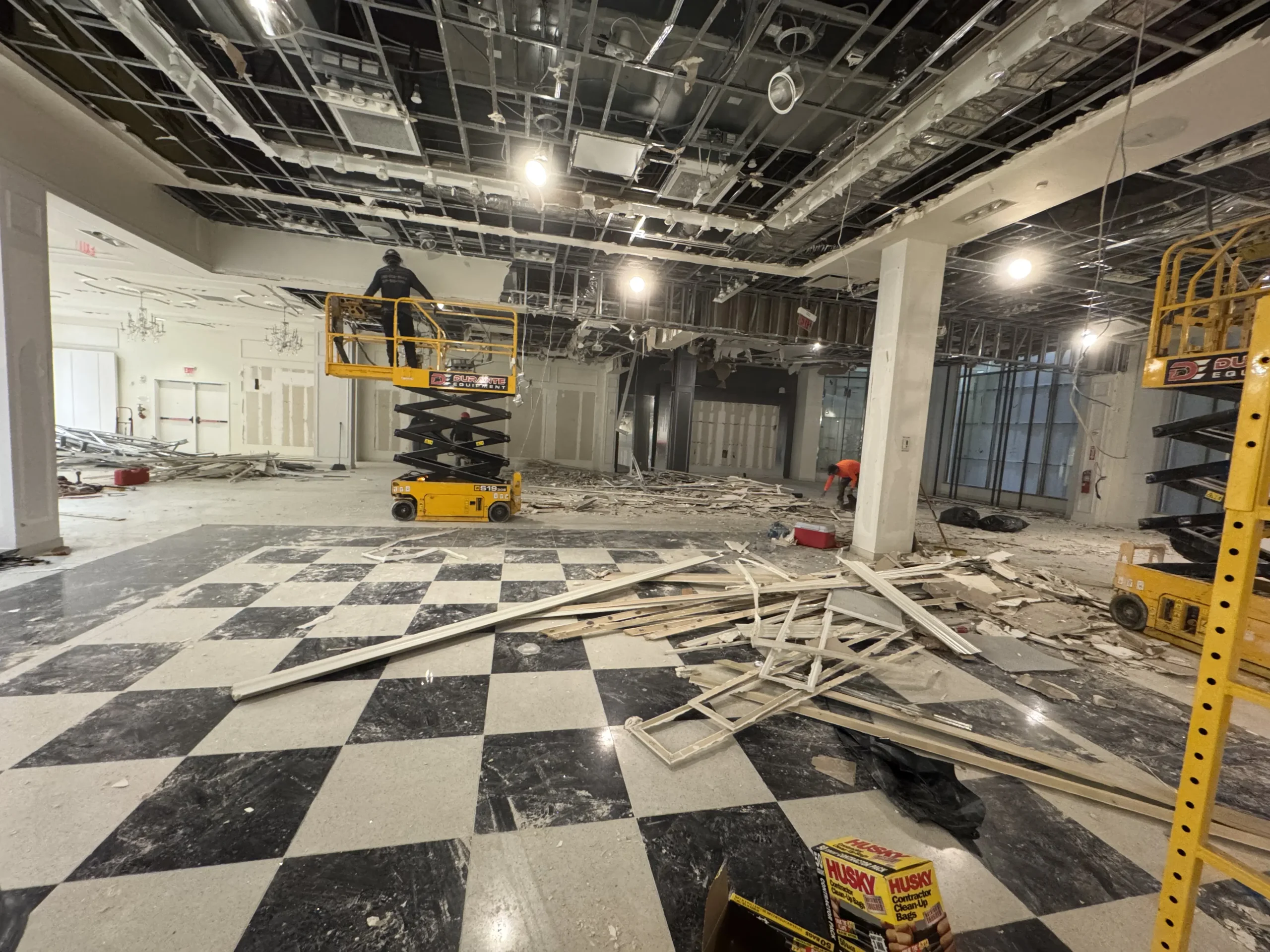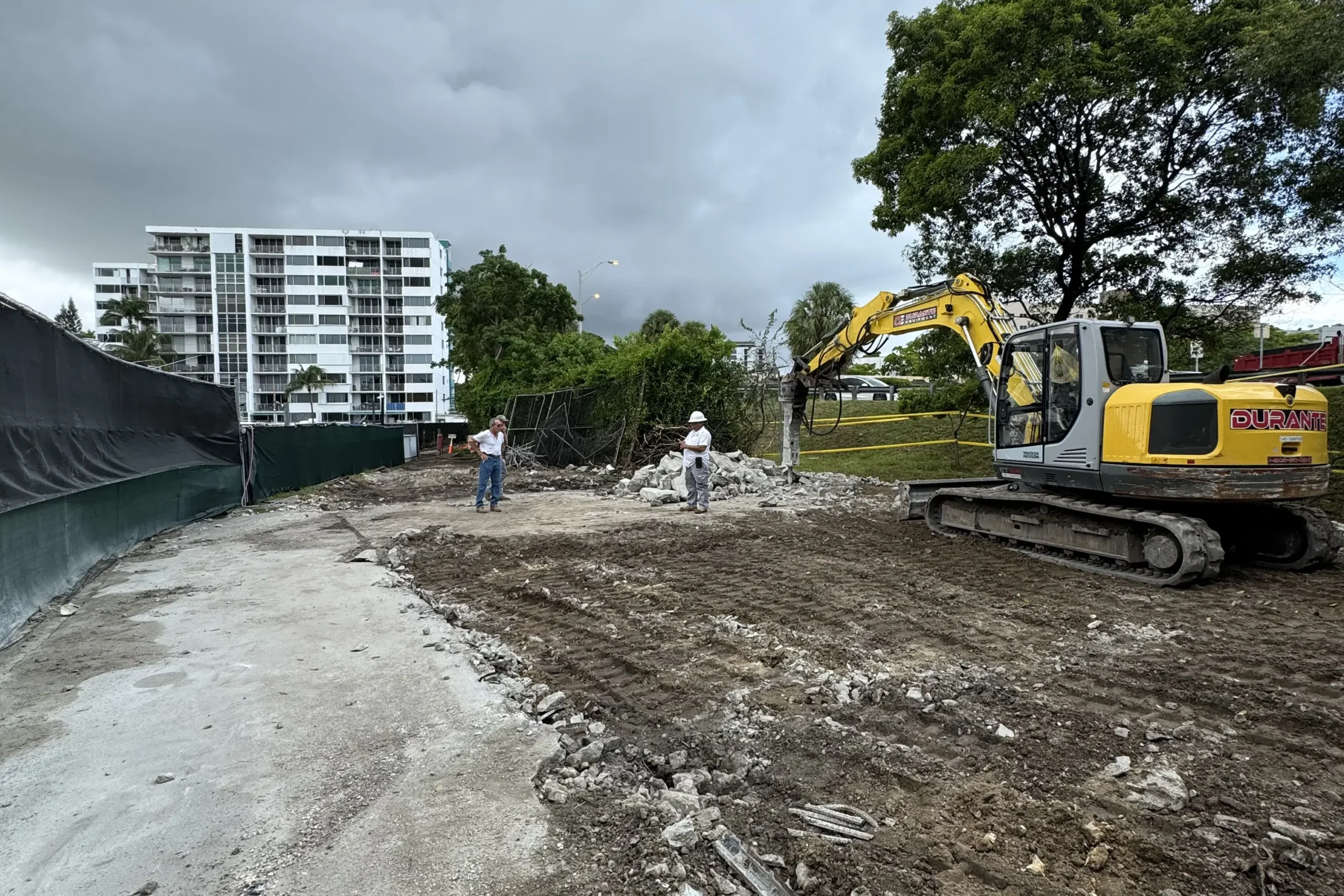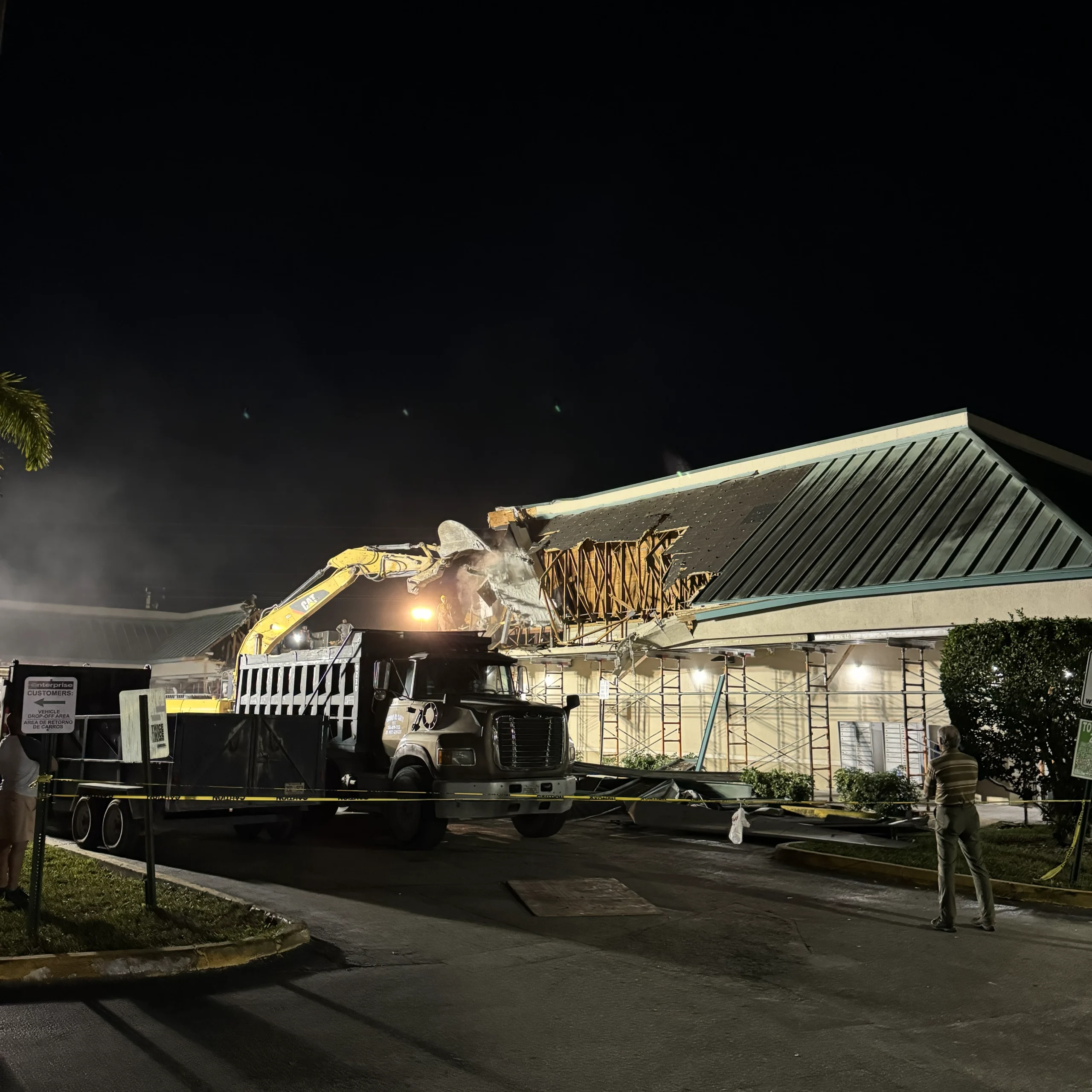
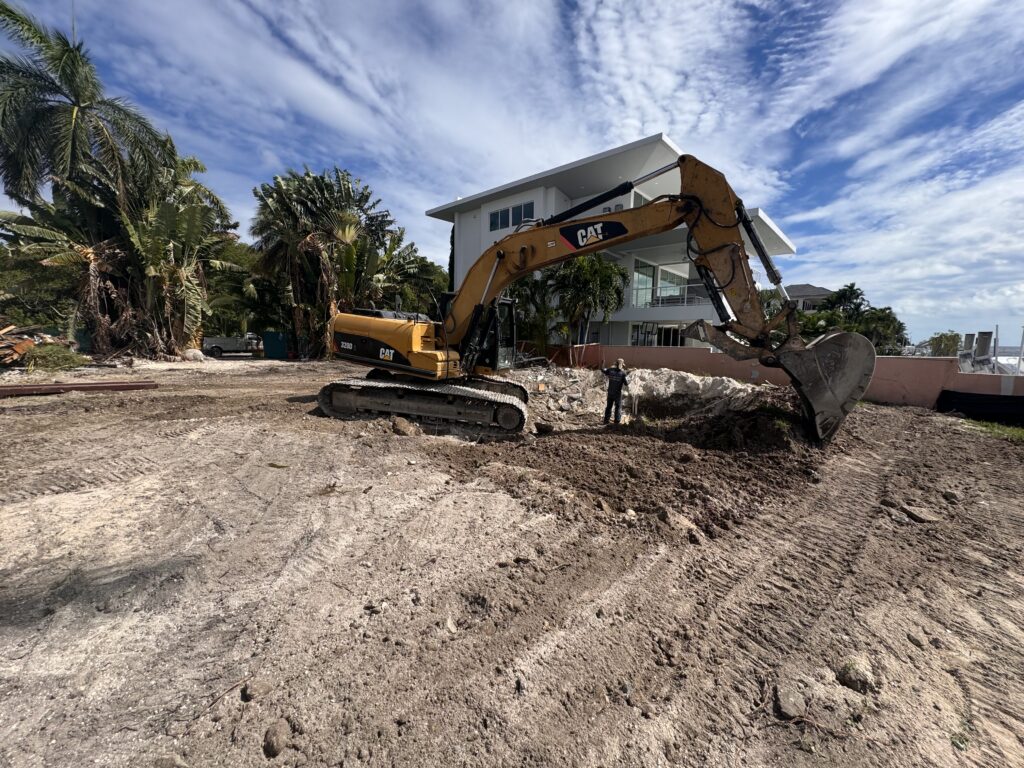
Preparing a property for demolition involves much more than simply tearing down a structure. Proper planning before demolition begins helps prevent delays, safety issues, unexpected costs, and permitting problems throughout the project.
Whether the project involves a residential home, commercial space, or interior demolition, property owners should understand the steps required before work can safely begin. Working with experienced Demolition professionals helps ensure the site is properly prepared from the start.
Evaluate the Scope of the Demolition
The first step is determining exactly what will be removed and what will remain intact.
Some projects involve:
- Full structural demolition
- Partial demolition
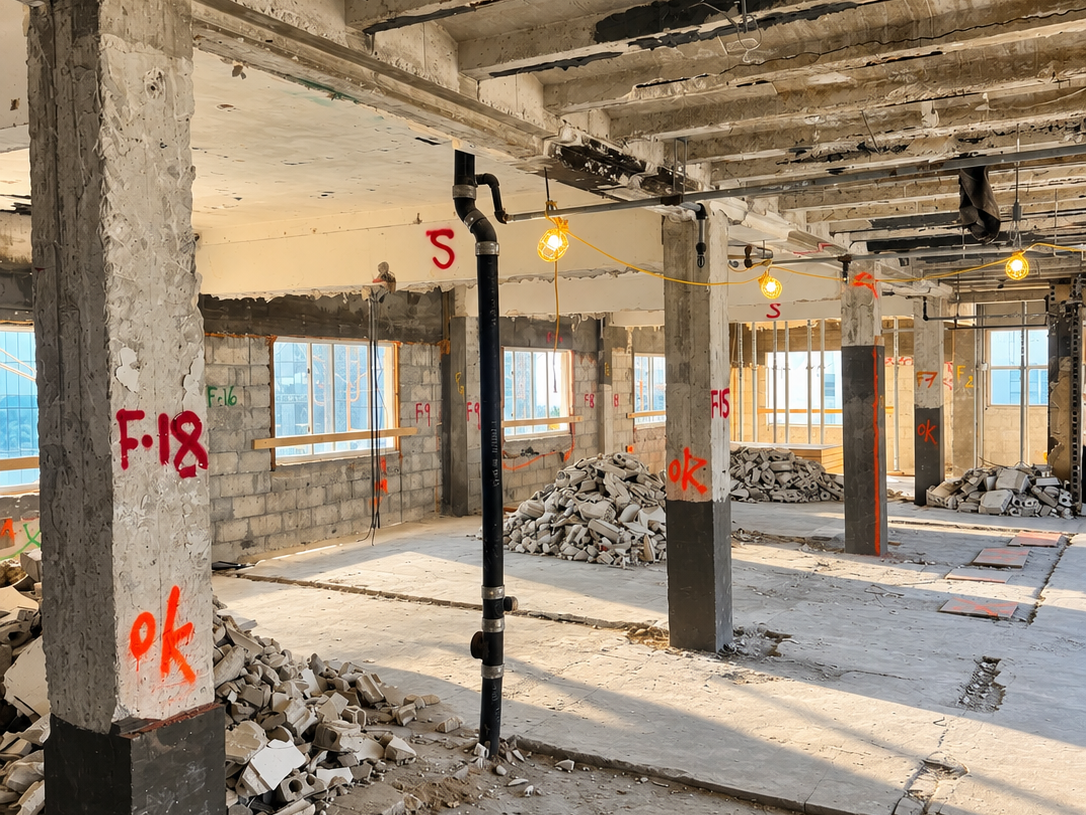
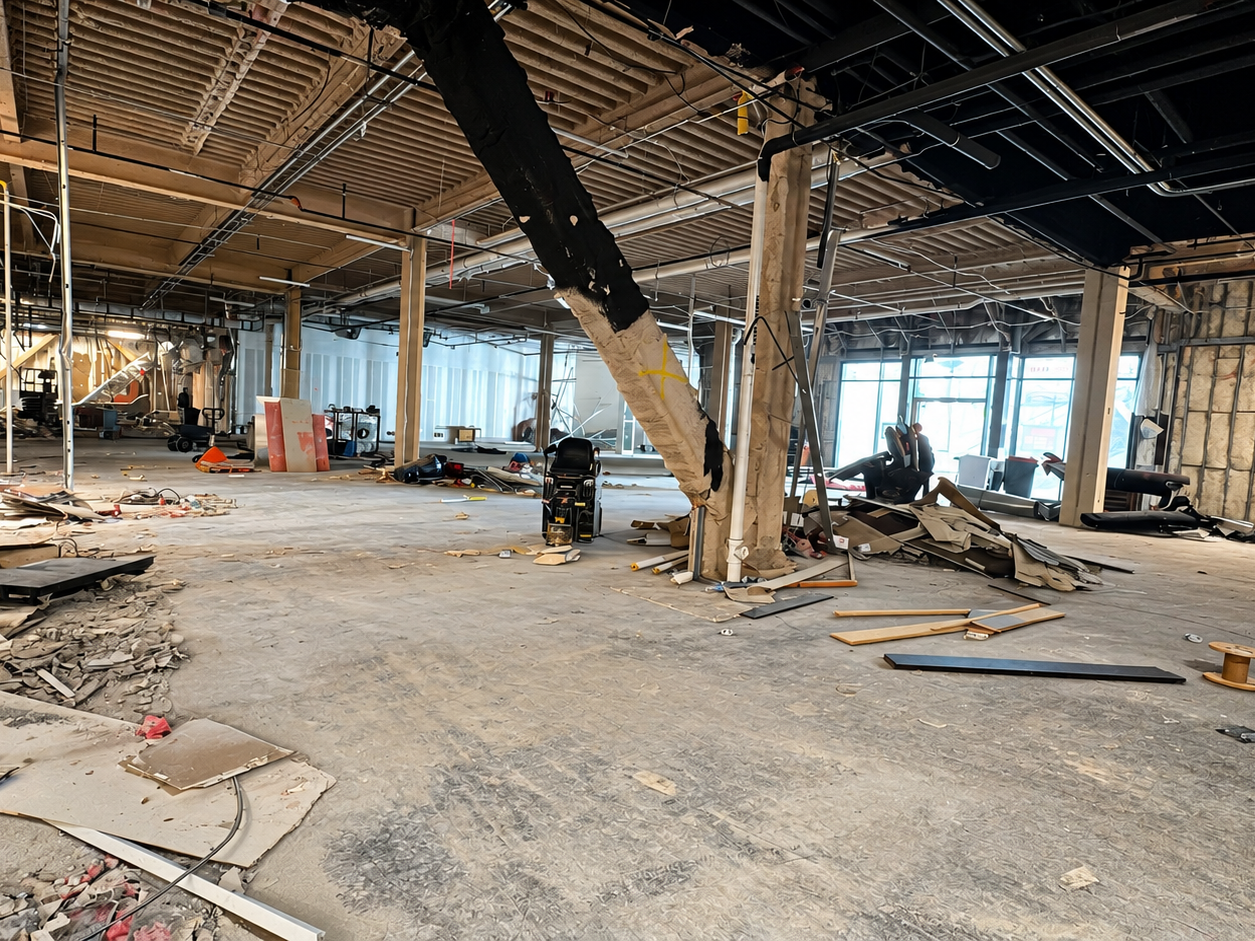
- Interior selective demolition
- Concrete or slab removal
Clearly defining the scope early helps contractors plan equipment needs, labor, debris removal, and scheduling more efficiently.
Verify Permits and Local Requirements
Demolition projects in Miami often require permits and approvals before any work begins. Requirements can vary depending on the property type, location, and scope of work.
This may include:
- City permits
- Utility approvals
- Environmental documentation
- Engineering reports for structural demolition
Failing to secure the proper approvals can lead to delays, stop-work orders, or additional costs during the project.
Disconnect Utilities Before Demolition Begins
Utilities must be properly disconnected before demolition can safely start.
This typically includes:
- Electrical service
- Water lines
- Gas connections
- Sewer systems
- Internet and communication lines
Proper coordination with utility providers is critical to avoid hazards or service interruptions to nearby properties.
Identify Hazardous Materials
Older buildings may contain hazardous materials that require special handling before demolition begins.
Common materials include:
- Asbestos
- Lead-based paint
- Mold contamination
- Silica-producing materials
Environmental testing may be required before permits are approved. If hazardous materials are present, they must usually be removed through proper abatement procedures before demolition can proceed.
Remove Valuable or Sensitive Items
Before work begins, property owners should remove any items they intend to keep.
This may include:
- Appliances
- Fixtures
- Equipment
- Furniture
- Personal belongings
For commercial projects, important data systems, electronics, and operational equipment should also be removed or protected before demolition crews mobilize on-site.
Plan for Site Access and Equipment
Access plays a major role in how efficiently demolition can be completed.
Contractors must evaluate:
- Equipment entry points
- Dumpster placement
- Truck access
- Staging areas for debris removal
Tight urban environments, neighboring structures, or limited parking can affect both scheduling and project costs.
Coordinate With Neighbors or Tenants
Demolition projects can create noise, dust, and increased activity around the property. Providing notice to nearby tenants, businesses, or neighbors ahead of time can help minimize complaints and disruptions.
For occupied commercial properties, additional coordination may be necessary to:
- Maintain safe access routes
- Limit disruptions to operations
- Schedule work during approved hours
Communication before the project begins helps avoid unnecessary complications once demolition is underway.
Prepare for Dust and Safety Protection
Demolition creates airborne dust and debris that must be properly controlled throughout the project.
Depending on the scope, contractors may use:
- Dust barriers
- Temporary partitions
- Floor and wall protection
- Negative air machines
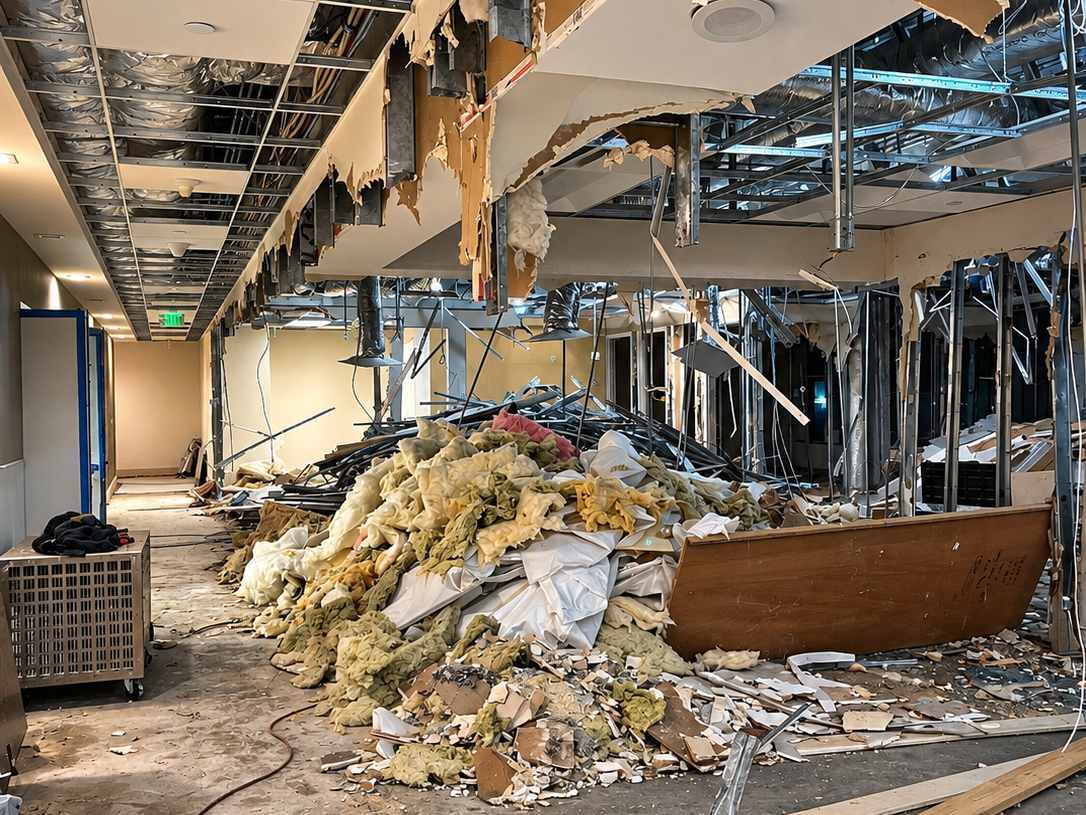
- Debris containment systems
These protection measures are especially important in interior demolition projects or occupied buildings.
Review Debris Removal and Recycling Plans
Demolition generates large amounts of material that must be removed efficiently and in compliance with local regulations.
This may involve:
- Concrete disposal
- Metal recycling
- Dumpster coordination
- Hauling schedules
Planning debris management ahead of time helps keep the site organized and prevents delays during demolition operations.
Establish a Realistic Project Timeline
Many demolition delays occur because preparation work is underestimated. Permit approvals, utility disconnects, inspections, and environmental testing can all impact scheduling before physical demolition even begins.
Setting realistic expectations early helps keep the project on track and reduces scheduling conflicts with future construction phases.
Work With Experienced Demolition Professionals
Preparing a property for demolition requires coordination, planning, and knowledge of local requirements. Experienced contractors help identify potential issues before work begins and ensure the project is handled safely and efficiently.
Working with a team that provides professional demolition services helps property owners avoid delays, maintain compliance, and prepare the site properly for the next phase of development.