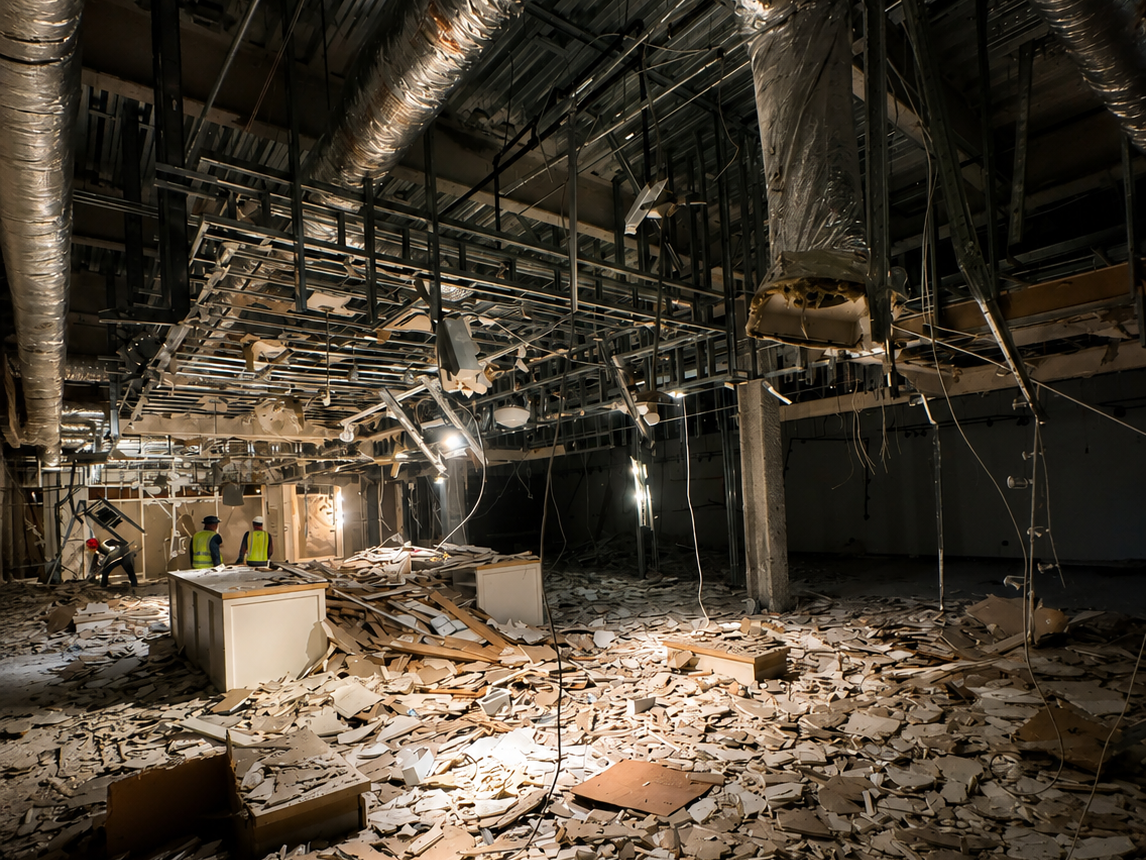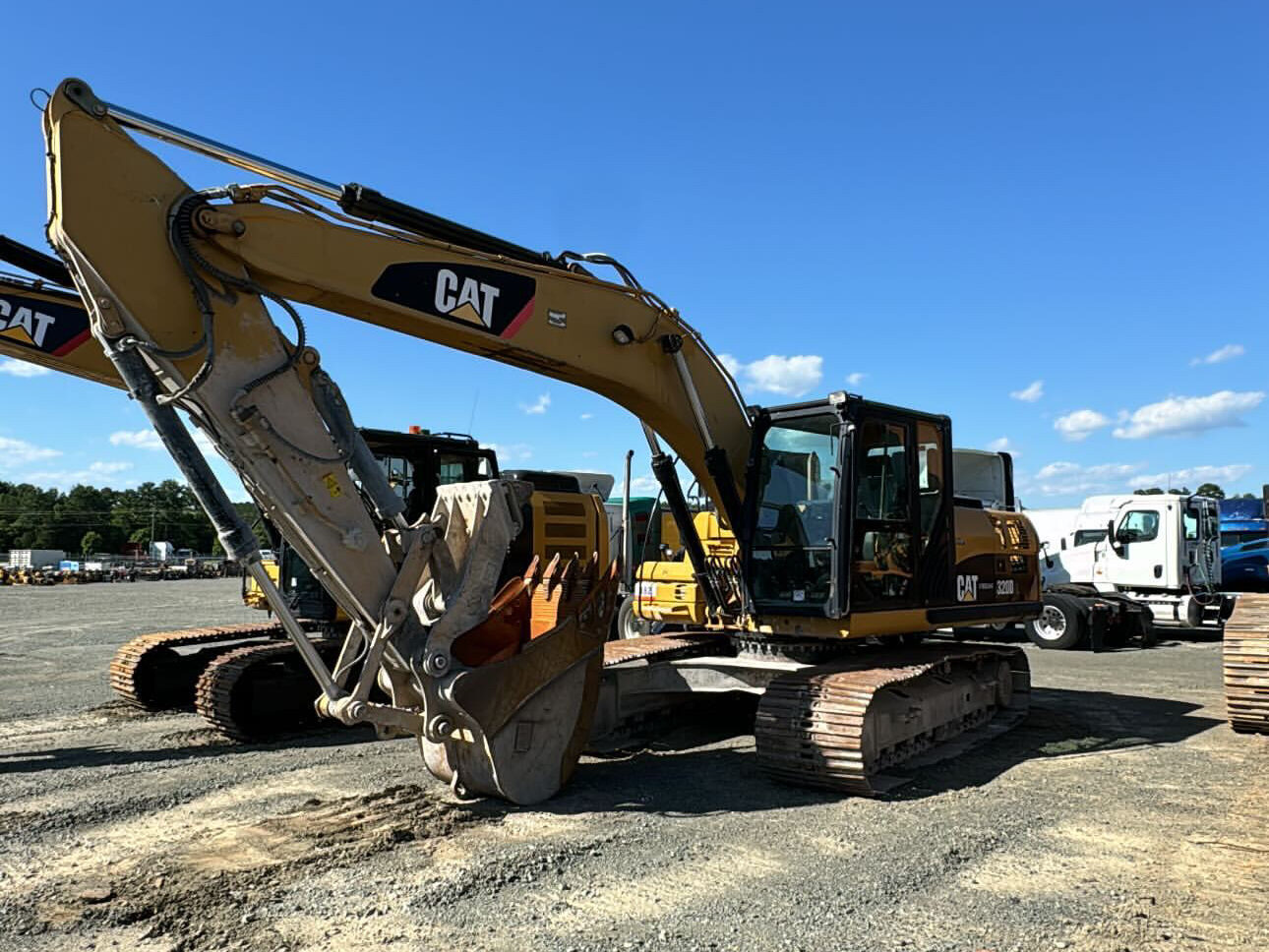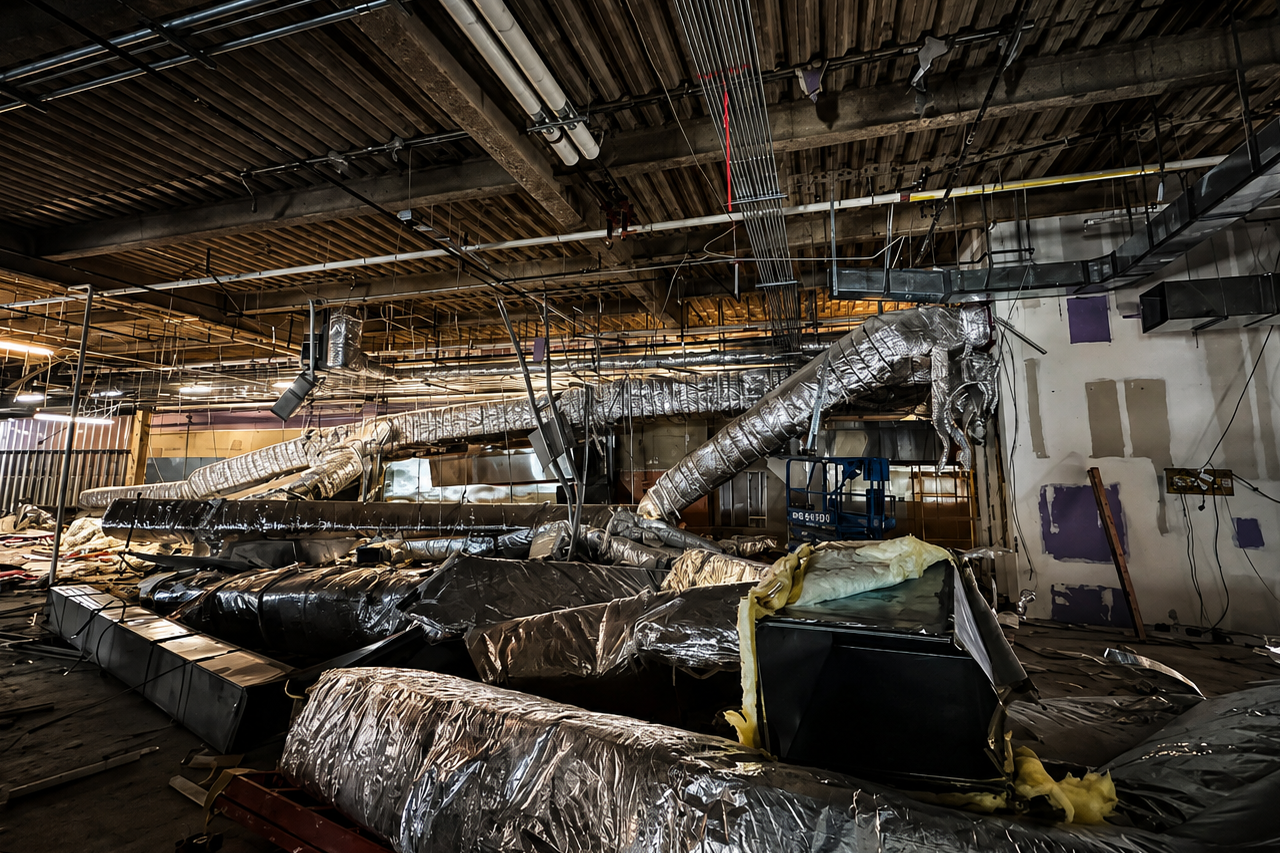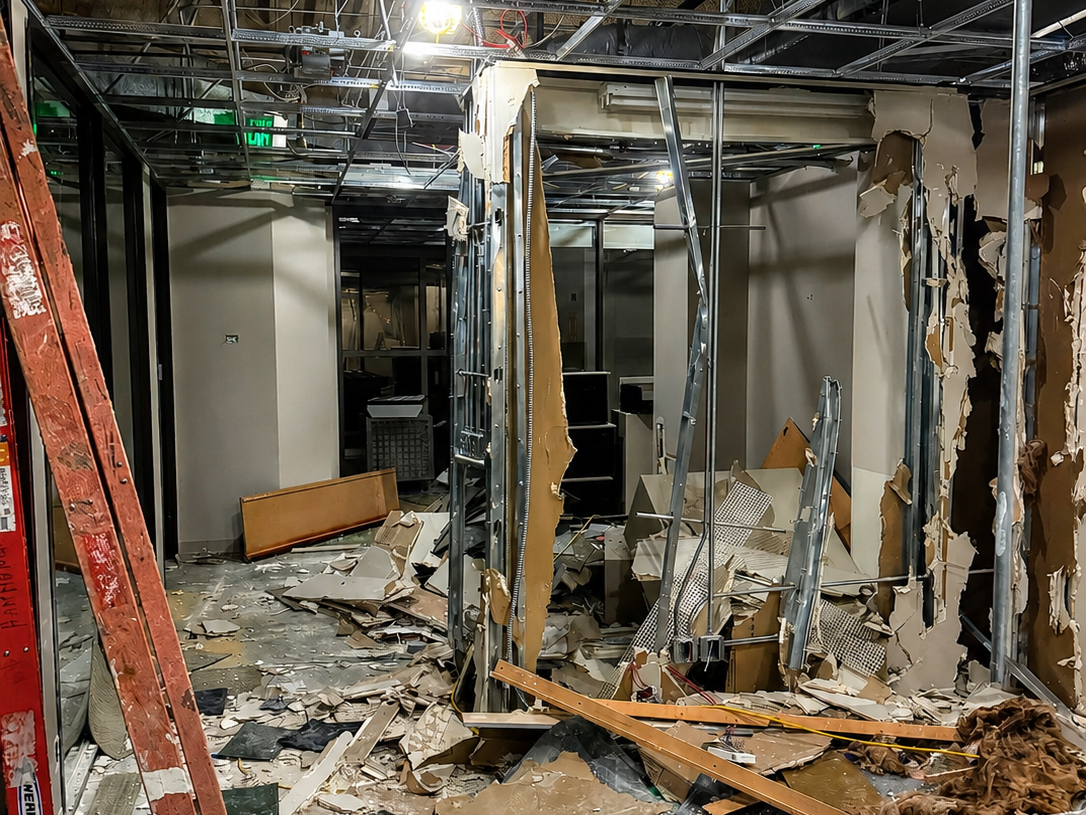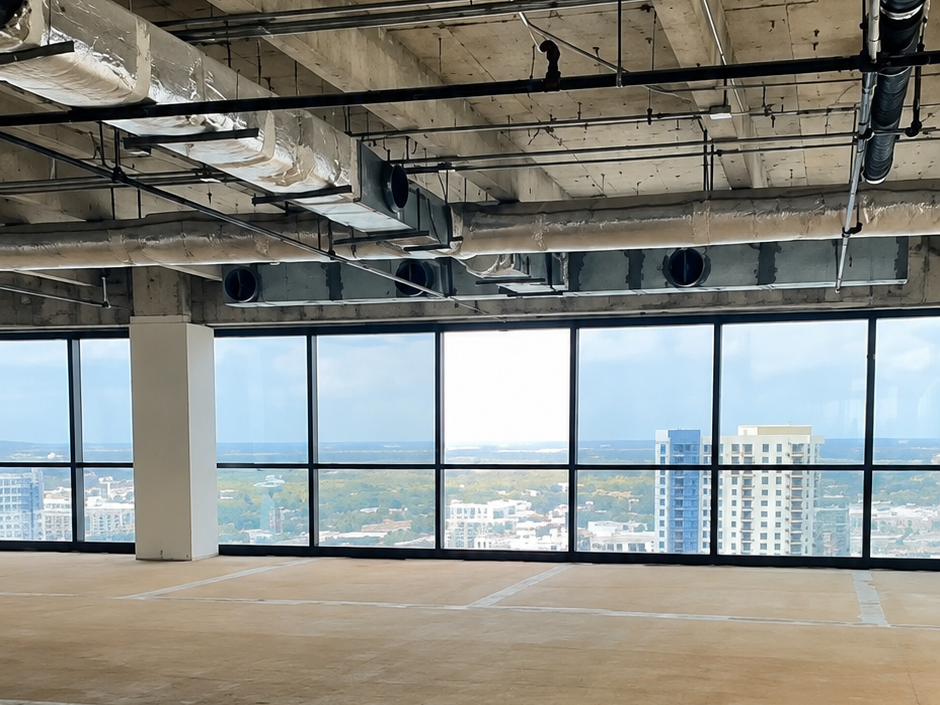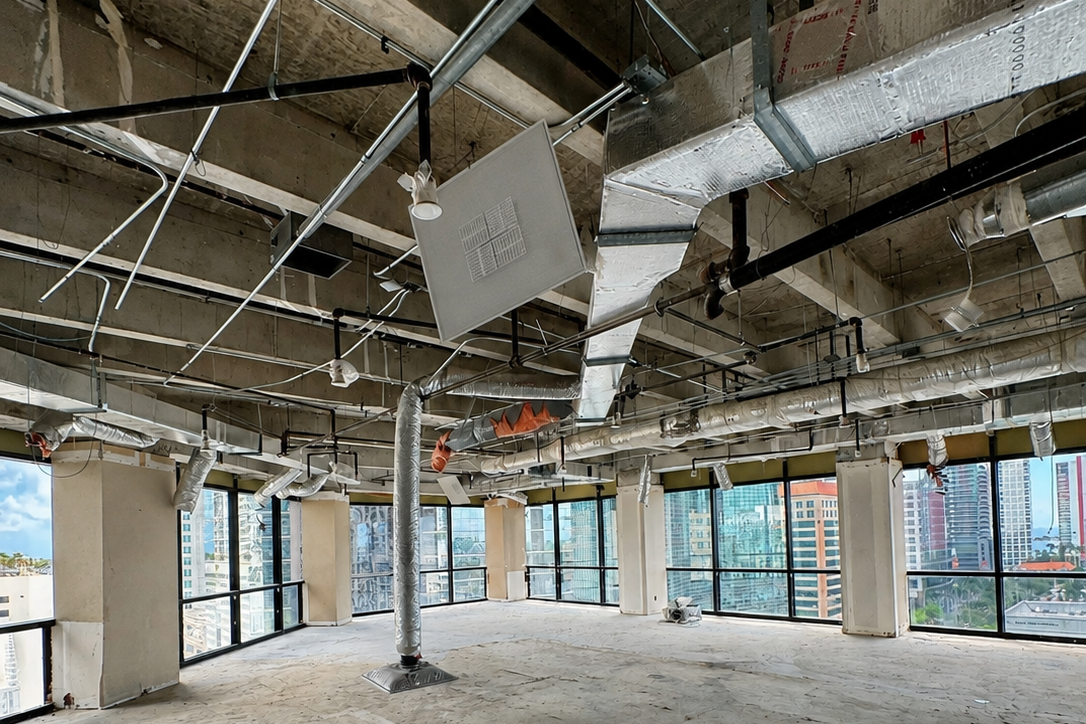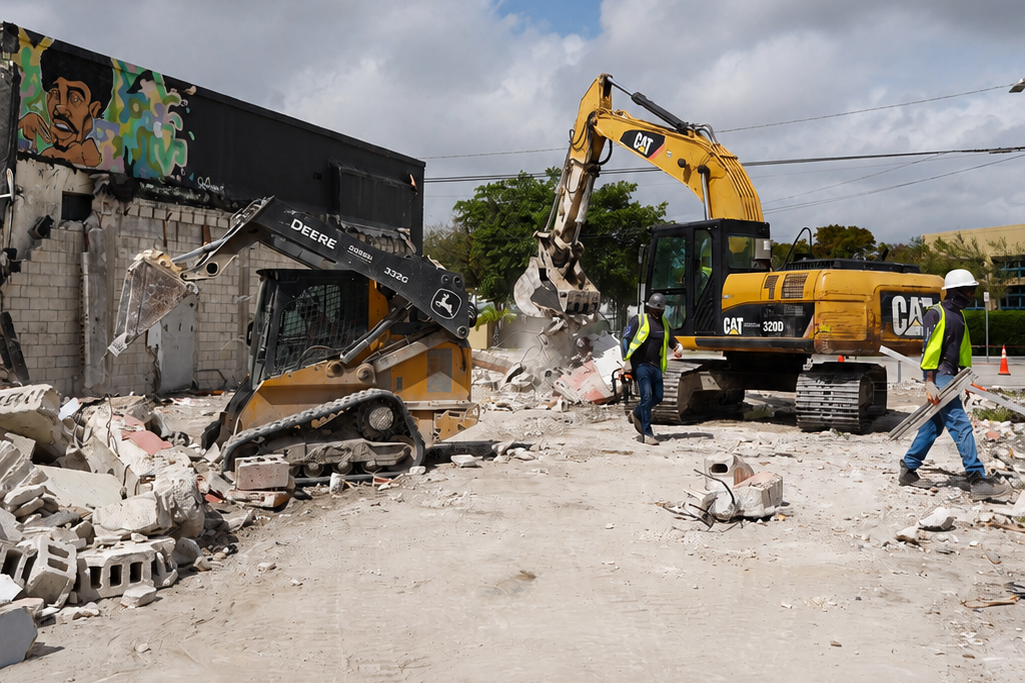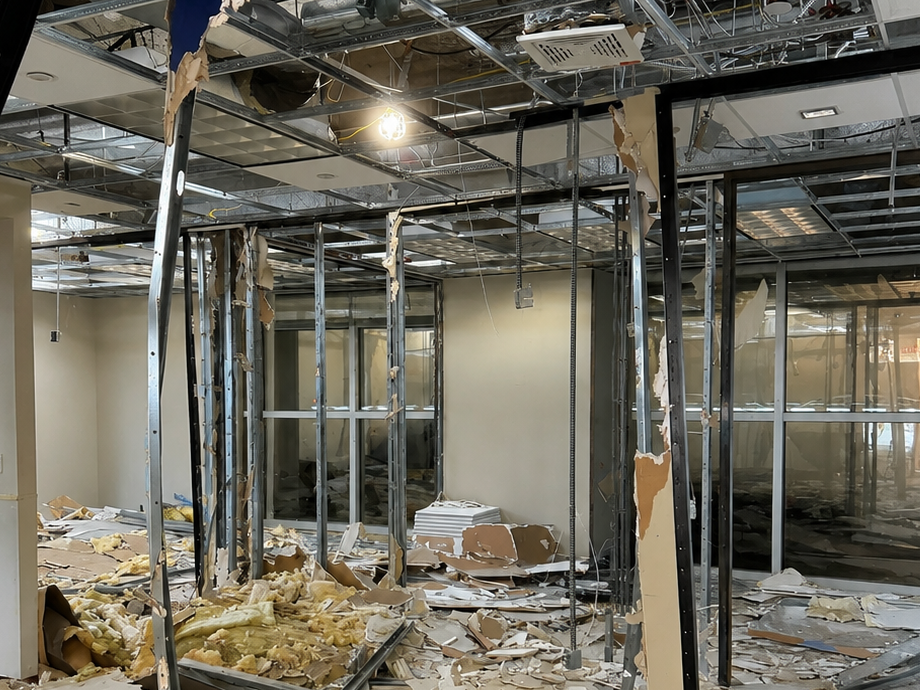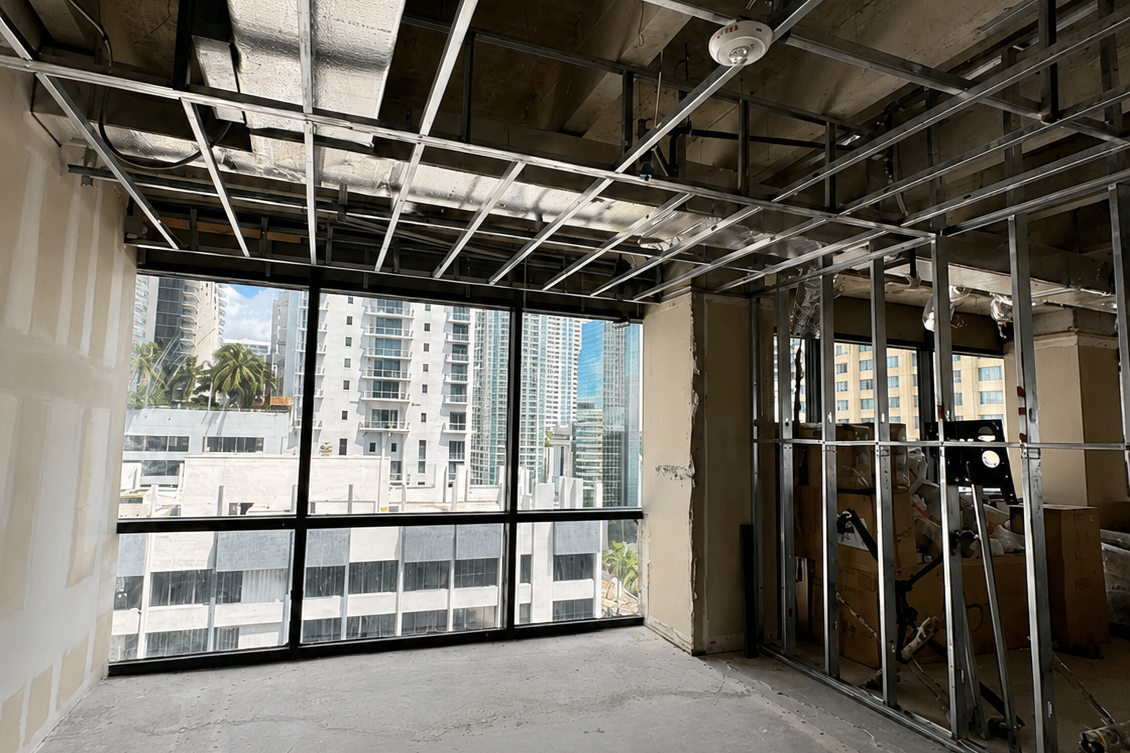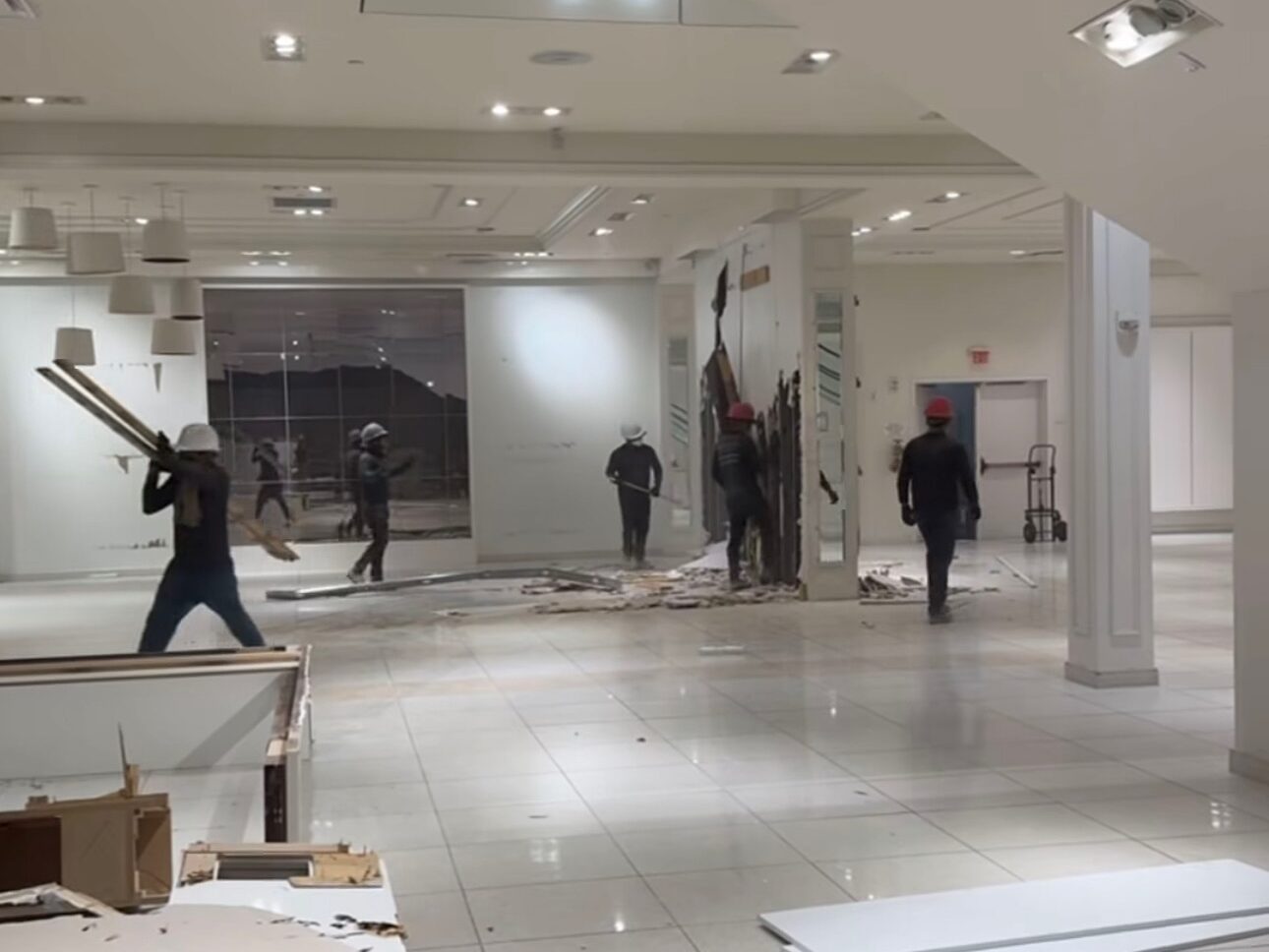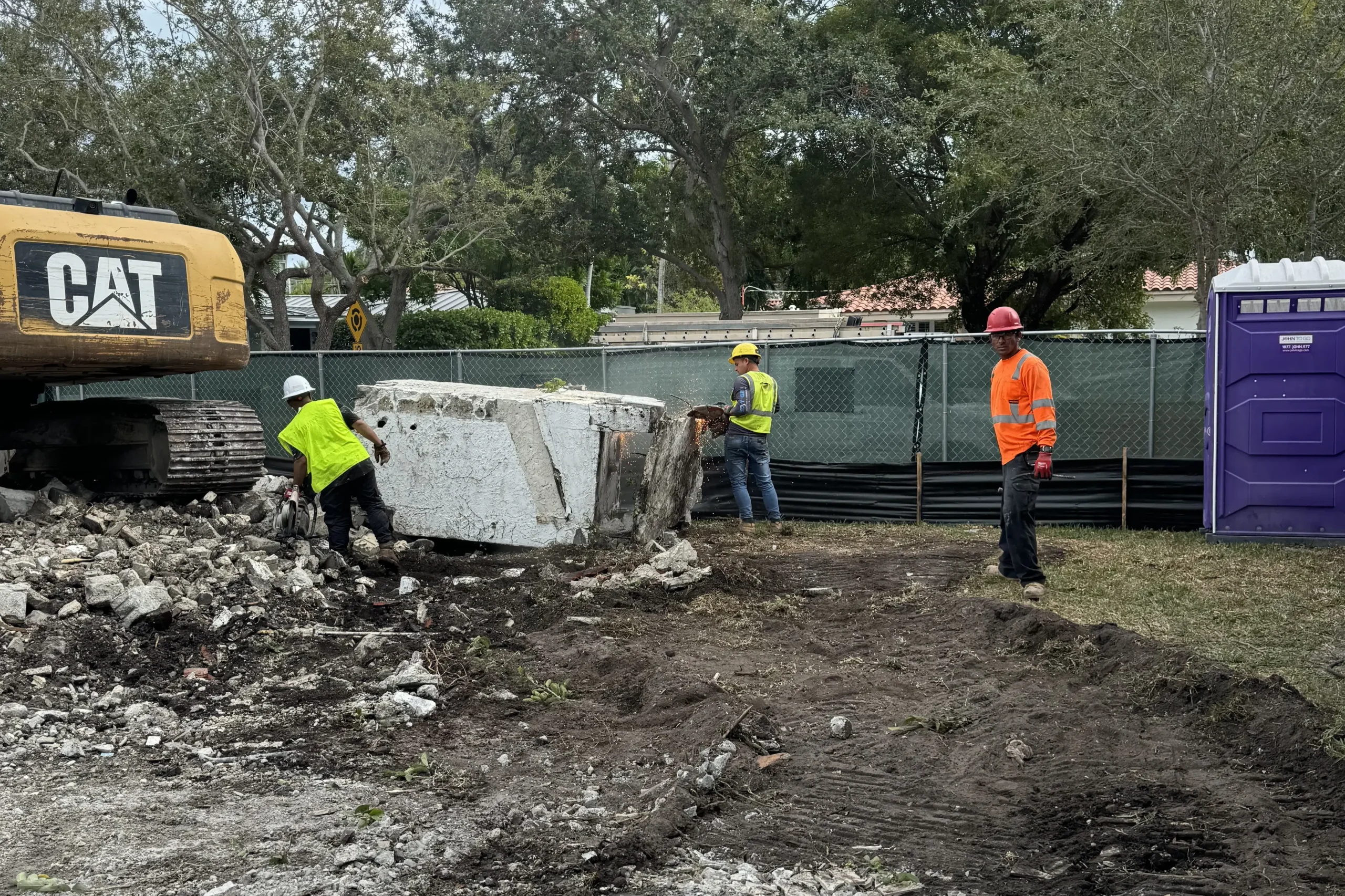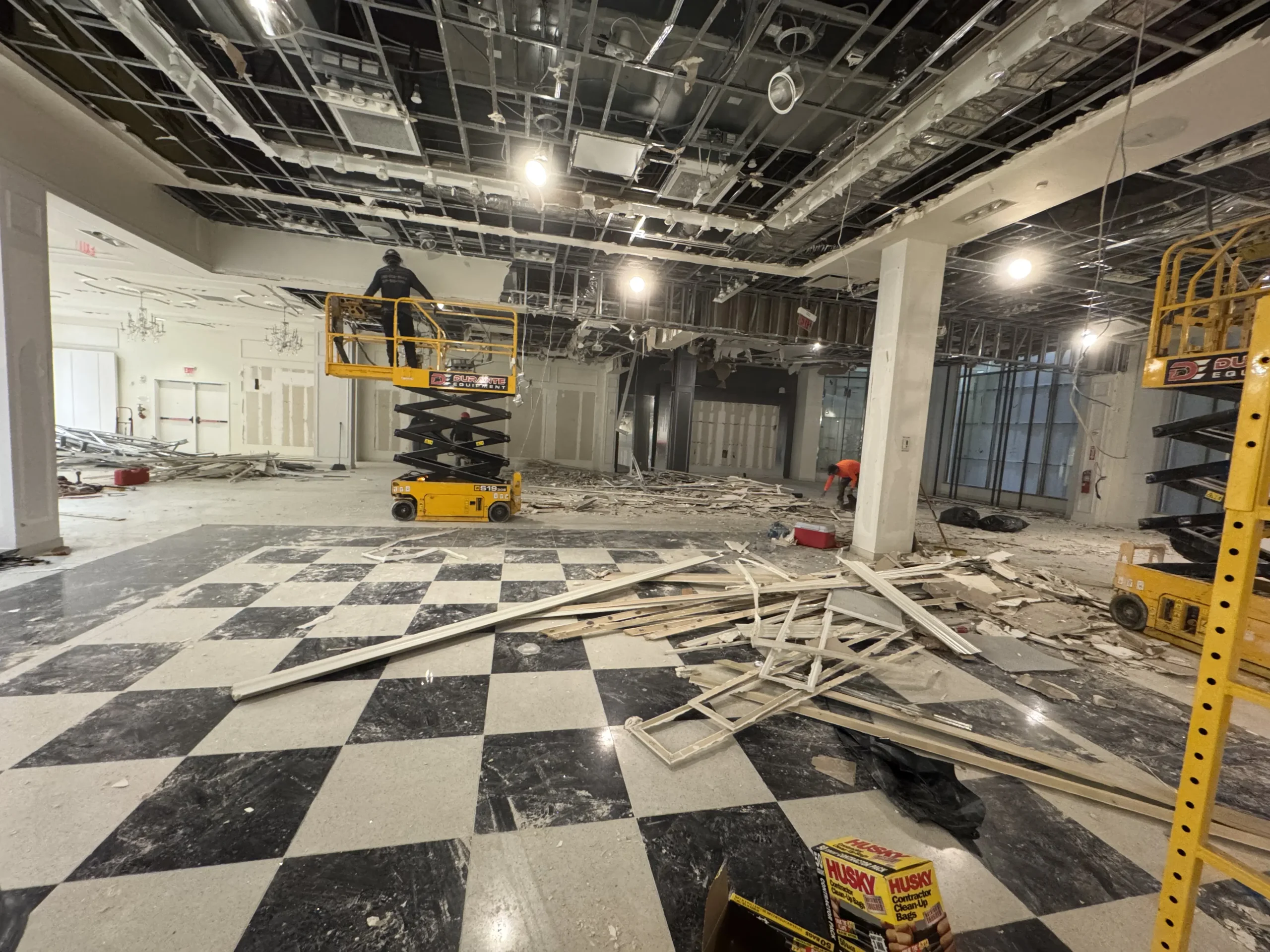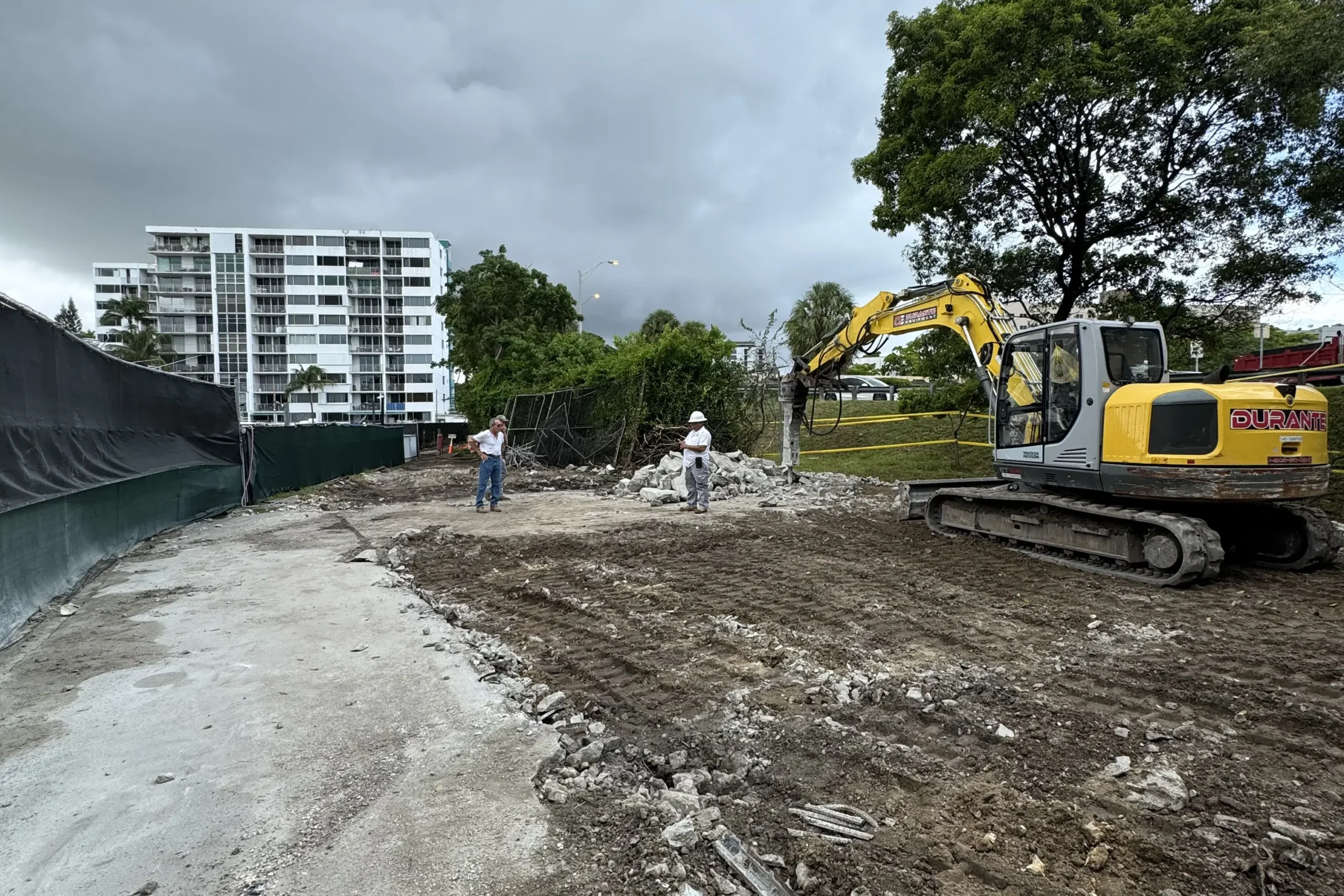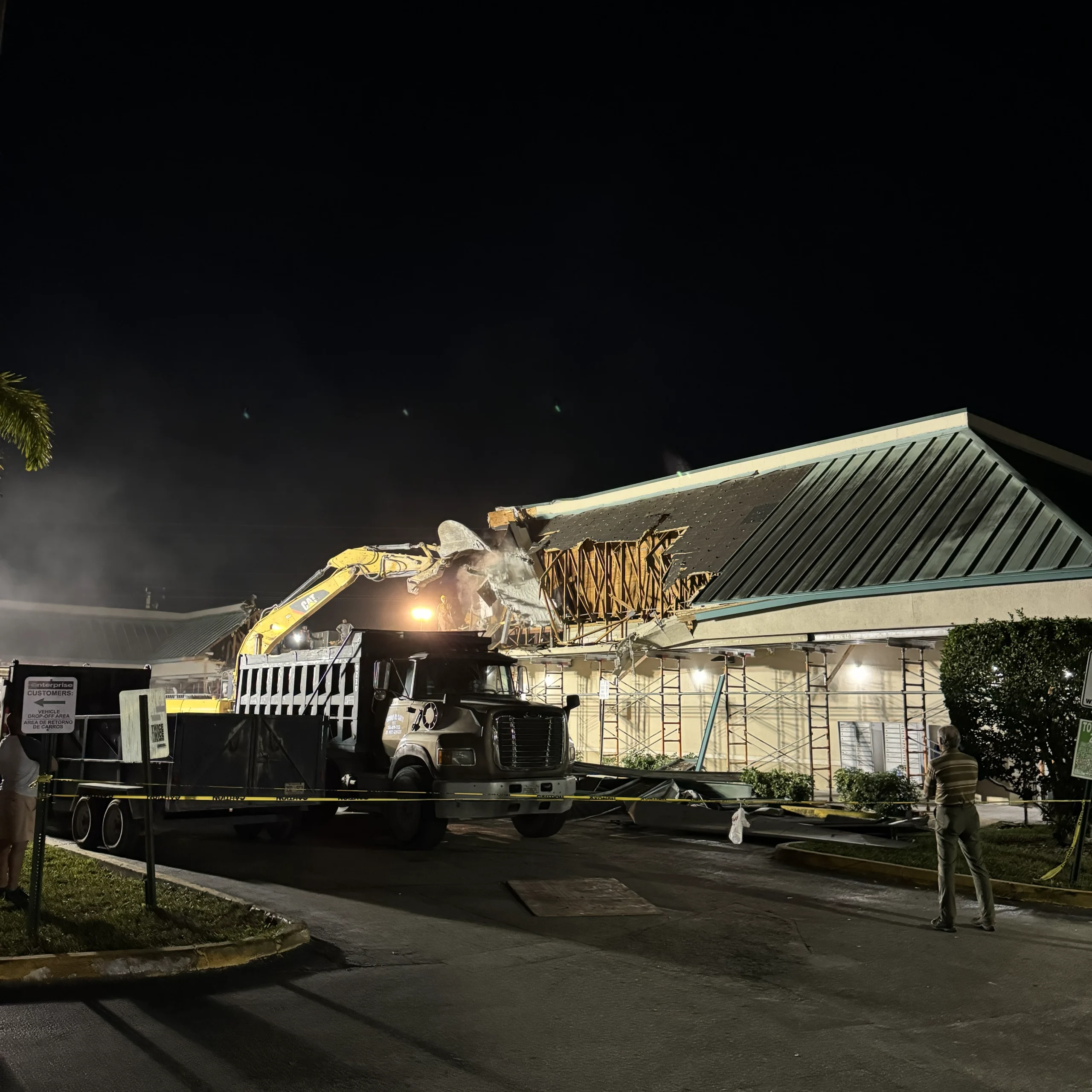
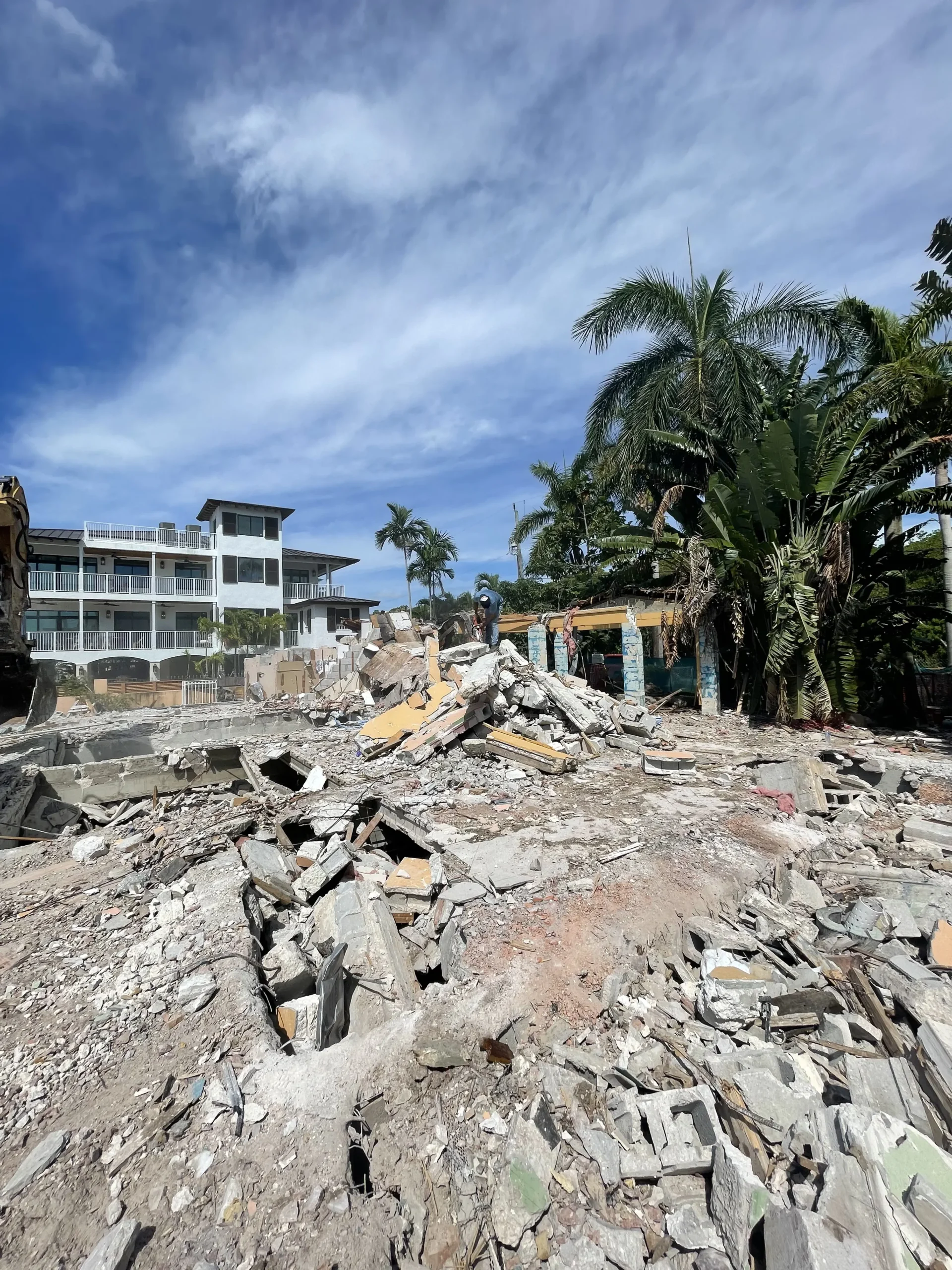
Demolition projects in Miami cannot typically begin without the proper permits and approvals in place. Whether the project involves a residential property, commercial building, or interior demolition, permitting is one of the most important steps before any work starts.
Failing to obtain the correct permits can lead to delays, fines, failed inspections, or stop-work orders that impact the entire project timeline. Working with experienced demolition professionals helps ensure the permitting process is handled properly from the beginning.
Why Demolition Permits Are Required
Demolition permits exist to ensure structures are removed safely and in compliance with local building regulations.
Before approving demolition work, local authorities review factors such as:
- Structural conditions
- Utility disconnects
- Environmental concerns
- Public safety risks
- Debris removal procedures
This process helps reduce hazards to surrounding properties, nearby utilities, pedestrians, and workers on-site.
Types of Demolition Projects That Usually Require Permits
In Miami, permits are commonly required for both full and partial demolition work.
This may include:
- Full residential demolition
- Commercial building demolition
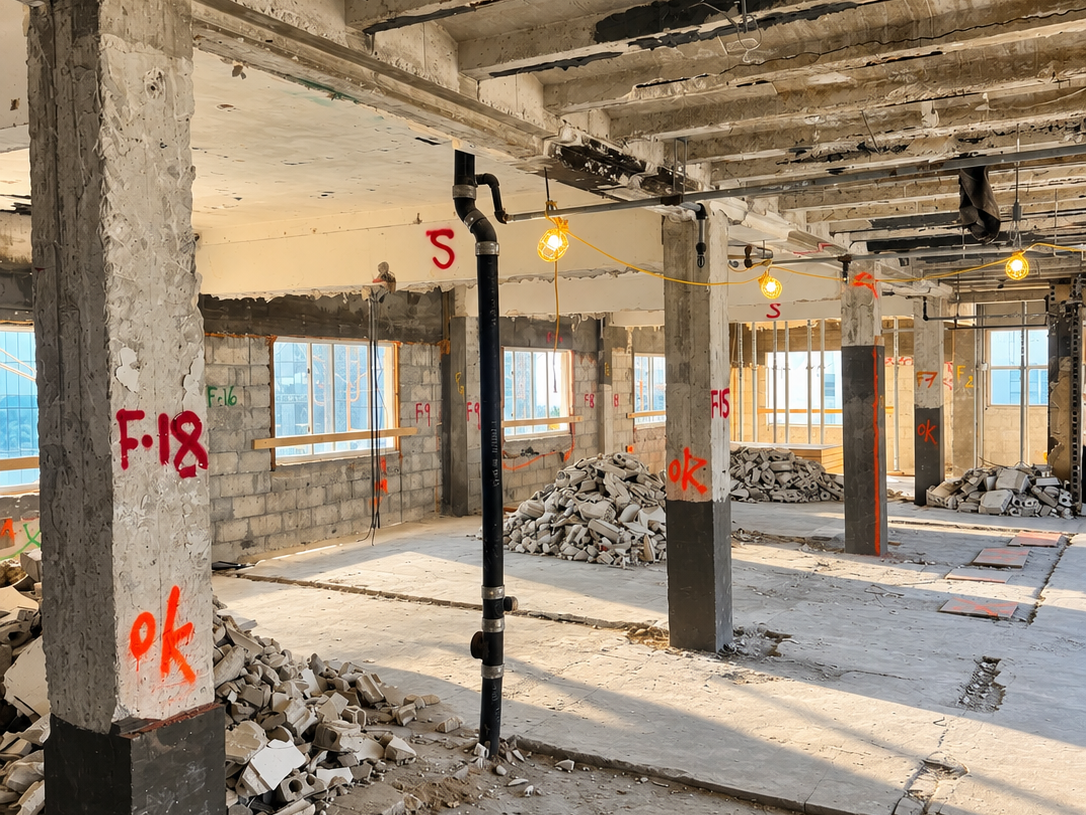
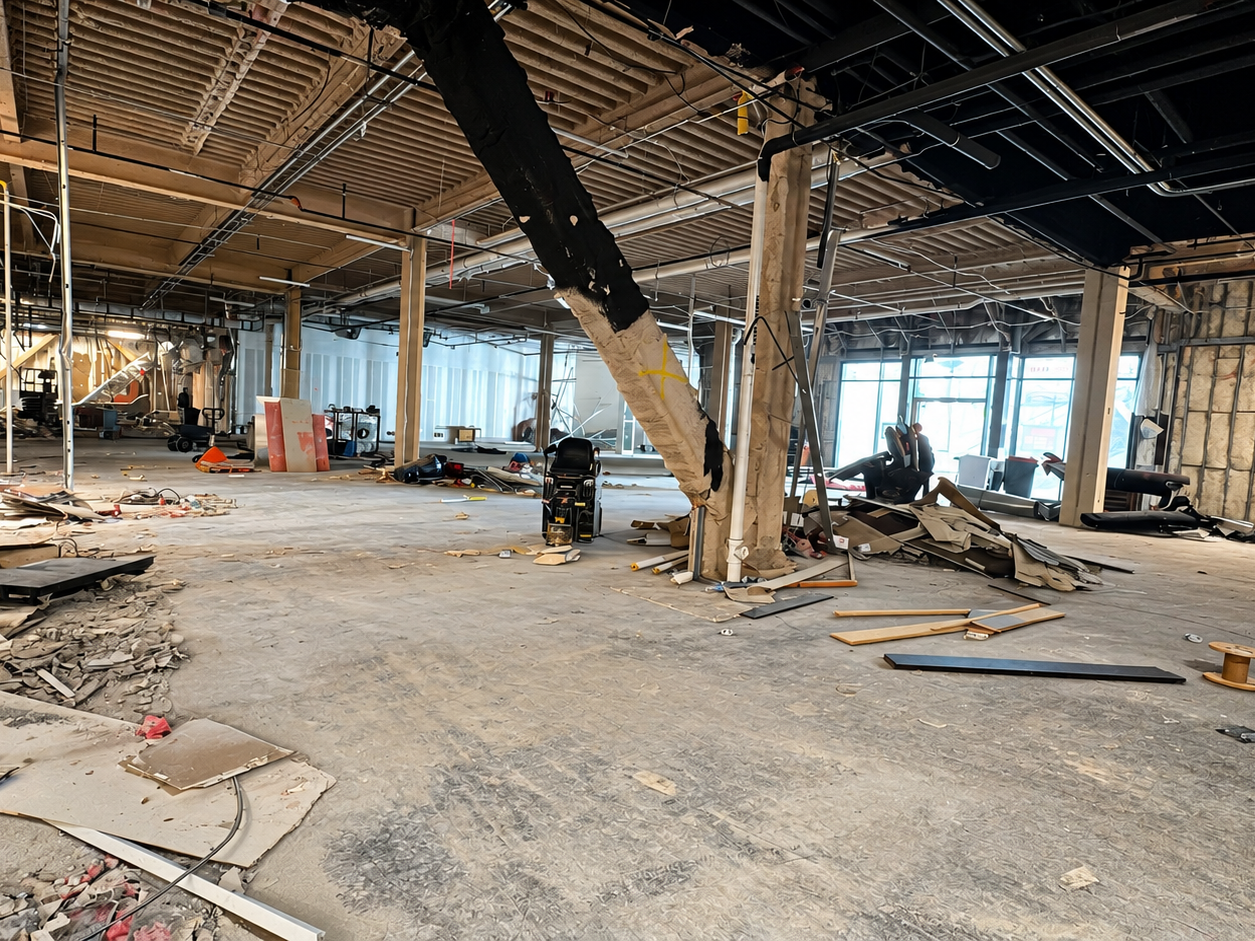
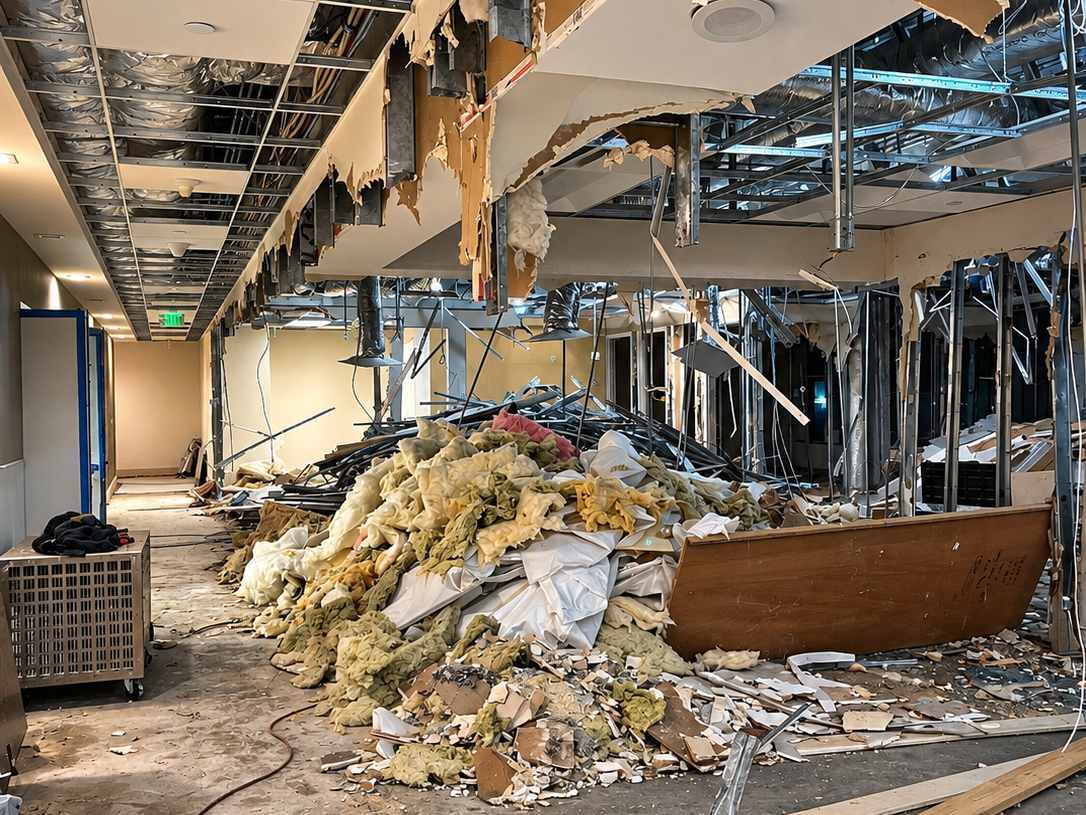
- Interior demolition projects
- Structural removals
- Concrete and slab demolition
Even projects that appear minor may still require approval depending on the scope of work and the building type.
Residential vs. Commercial Permit Requirements
Permit requirements often become more complex for commercial demolition projects.
Residential demolition permits are generally more straightforward, while commercial projects may require:
- Engineering documentation
- Detailed site plans
- Additional inspections
- Environmental compliance approvals
Larger commercial projects may also involve coordination with multiple city departments before demolition can begin.
Utility Disconnect Approvals
One of the most important parts of the permitting process is confirming that all utilities have been safely disconnected before demolition starts.
This may involve:
- Electrical disconnect letters
- Water and sewer approvals
- Gas line termination
- Communication line coordination
Permits are often delayed until all utility clearances have been properly documented.
Environmental Regulations and Inspections
Certain structures may require environmental inspections before demolition approval is granted.
Older properties are more likely to require testing for:
- Asbestos
- Lead-based materials
- Mold contamination
- Silica-related hazards
If hazardous materials are identified, proper abatement procedures may be required before demolition work can proceed.
Historic and Special Review Areas
Some properties in Miami may fall within historic districts or protected zones that require additional review.
In these situations, approvals may involve:
- Historic preservation boards
- Architectural review processes
- Additional waiting periods before permit issuance
These requirements can significantly impact project timelines if they are not addressed early in the planning process.
Interior Demolition Permit Requirements
Many property owners assume interior demolition does not require permits, but that is not always the case.
Permits may still be required when:
- Removing walls or structural components
- Altering mechanical or electrical systems
- Modifying fire protection systems
- Performing demolition in commercial buildings
Even selective demolition projects often require approval depending on the extent of the work.
How Long Does the Permit Process Take?
Permit timelines can vary depending on:
- Project size
- Scope of demolition
- Property location
- Required inspections or approvals
Simple residential permits may move relatively quickly, while larger commercial demolition projects can take significantly longer due to additional reviews and coordination requirements.
What Happens If Demolition Starts Without a Permit?
Beginning demolition without the required permits can create serious issues for property owners and contractors.
Potential consequences may include:
- Stop-work orders
- Financial penalties
- Delays in future construction permits
- Liability and compliance issues
Unpermitted work can also create complications during inspections or future property transactions.
Why Working With an Experienced Contractor Matters
The demolition permitting process can quickly become complicated, especially for larger commercial or structural projects. Experienced contractors understand local regulations, documentation requirements, and inspection procedures.
Working with a company that provides professional demolition services helps streamline the permitting process and reduce delays before demolition begins.
Planning Your Demolition Project
Permits are a critical part of any demolition project in Miami. Proper planning, utility coordination, environmental review, and compliance with local regulations all play a role in keeping a project moving forward safely and efficiently.
Understanding the permit process early helps property owners avoid unexpected setbacks and ensures demolition work begins on the right foundation.
If you are planning a residential, commercial, or interior demolition project, working with the right team can help keep the process safe, efficient, and on schedule. At Next Gen Demolition Miami. We provide reliable demolition solutions throughout South Florida for property owners, contractors, and developers.
To learn more about our demolition services or to request an estimate for your upcoming project, contact our team today.