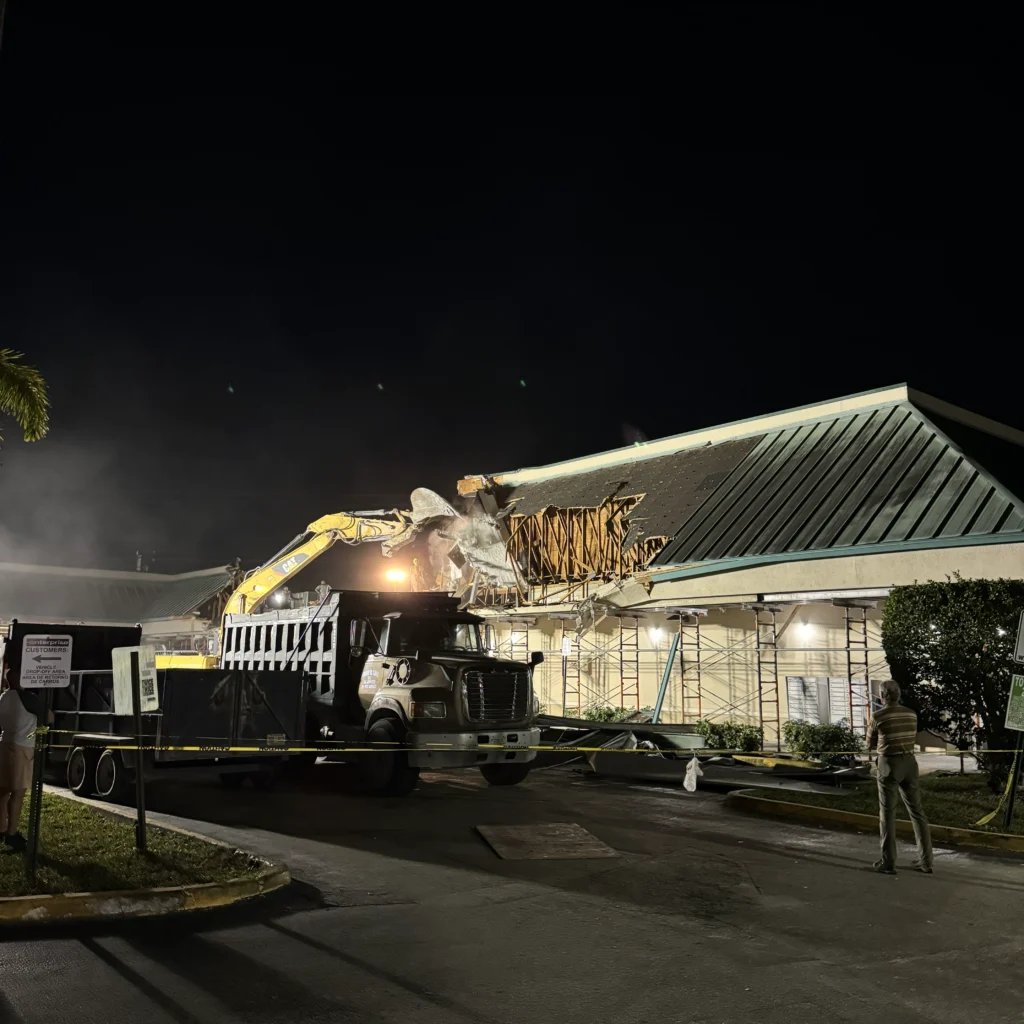
One of the first questions developers, general contractors, property managers, and business owners ask when planning a renovation or redevelopment project is, “How much will commercial demolition cost?”
The cost of commercial demolition can vary significantly depending on the scope of work, building conditions, site accessibility, permitting requirements, and project complexity. Whether the project involves a retail build-out, office renovation, healthcare facility upgrade, tenant improvement, or full commercial redevelopment, multiple factors can influence labor, equipment, debris removal, and project scheduling.
Understanding what impacts commercial demolition costs can help project teams develop more accurate budgets and avoid unexpected expenses. Working with an experienced commercial demolition contractor can also help identify potential challenges early and keep projects moving efficiently from start to finish.
Type of Commercial Demolition Project
One of the most significant factors affecting cost is the type of demolition being performed.
Commercial demolition projects may include:
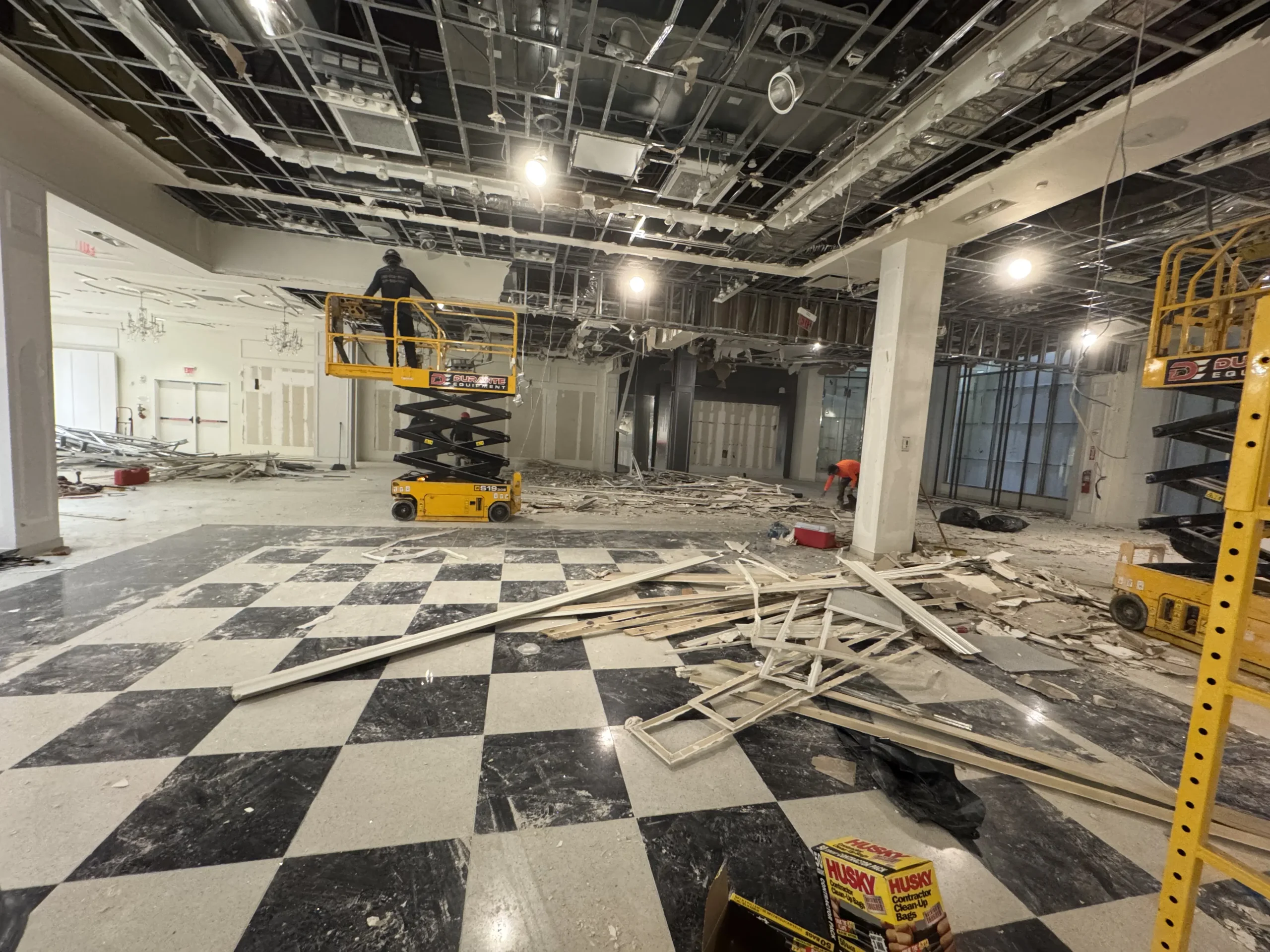
- Selective interior demolition
- Office demolition
- Retail demolition
- Tenant improvement demolition
- Healthcare facility demolition
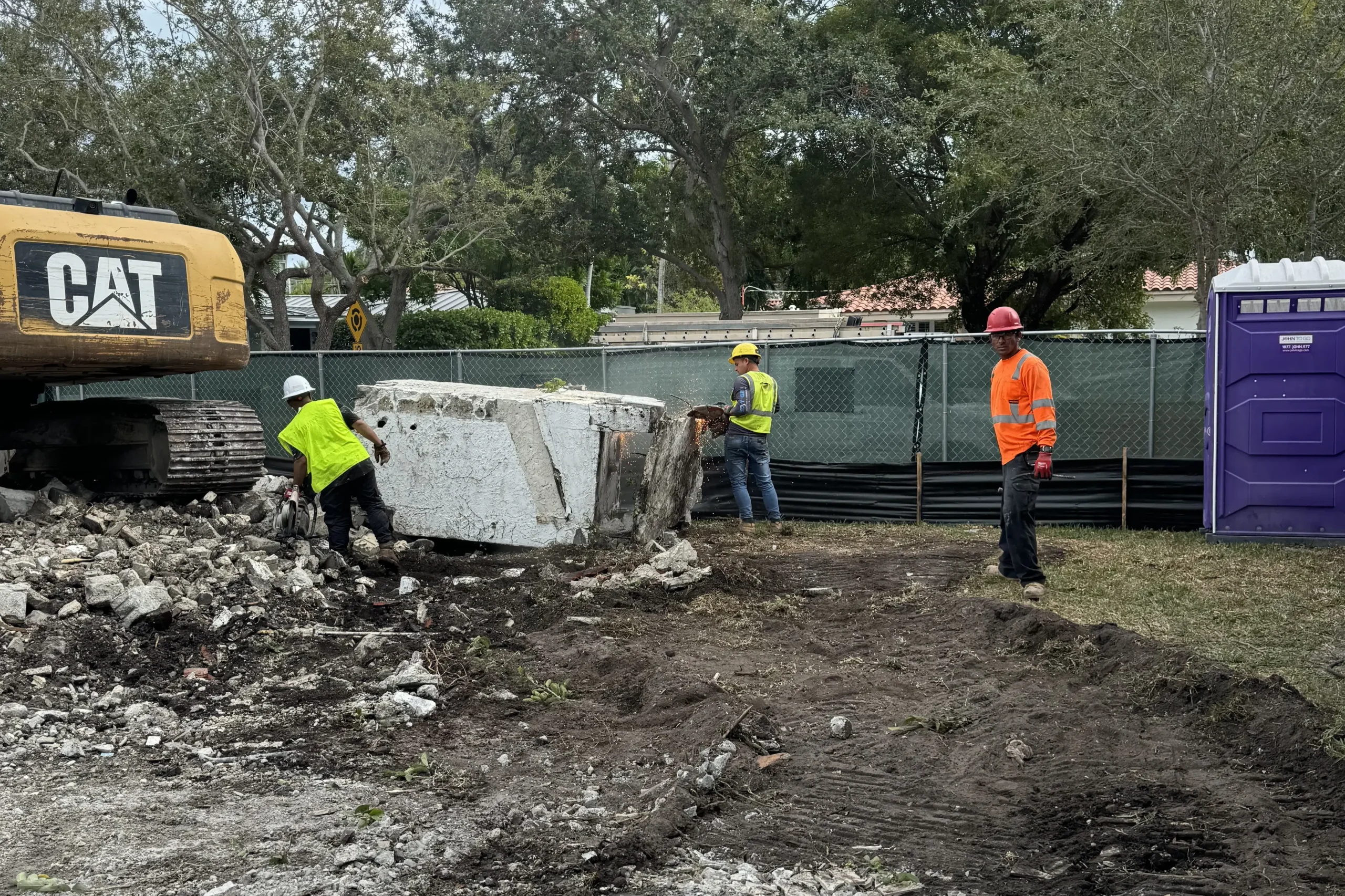
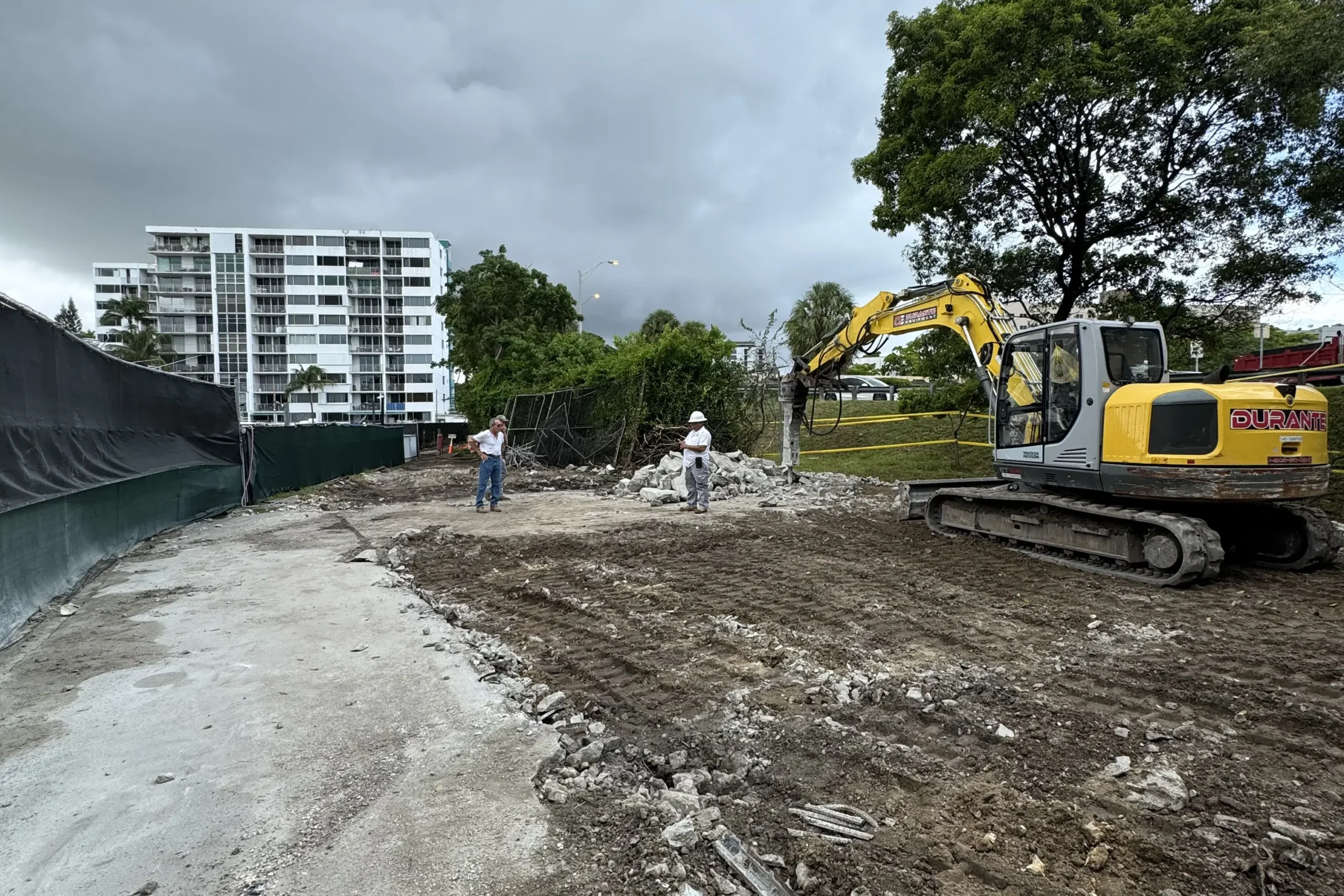
- Concrete cutting and slab removal
- Structural commercial demolition
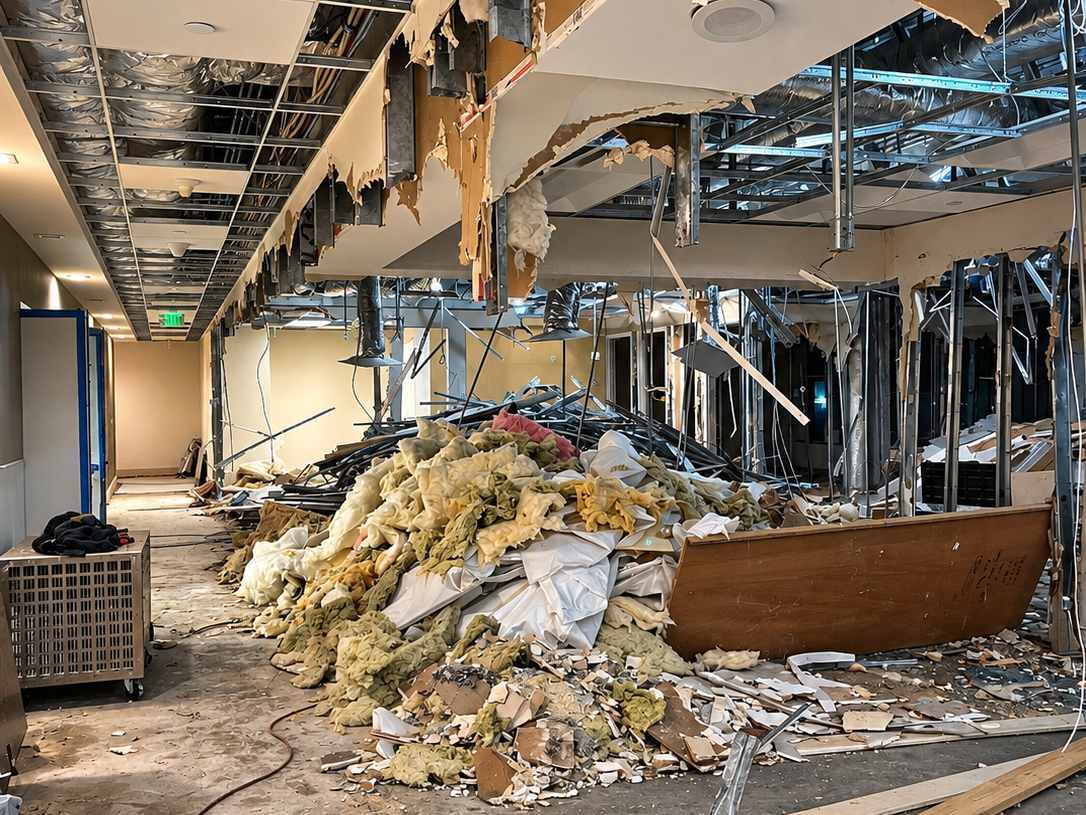
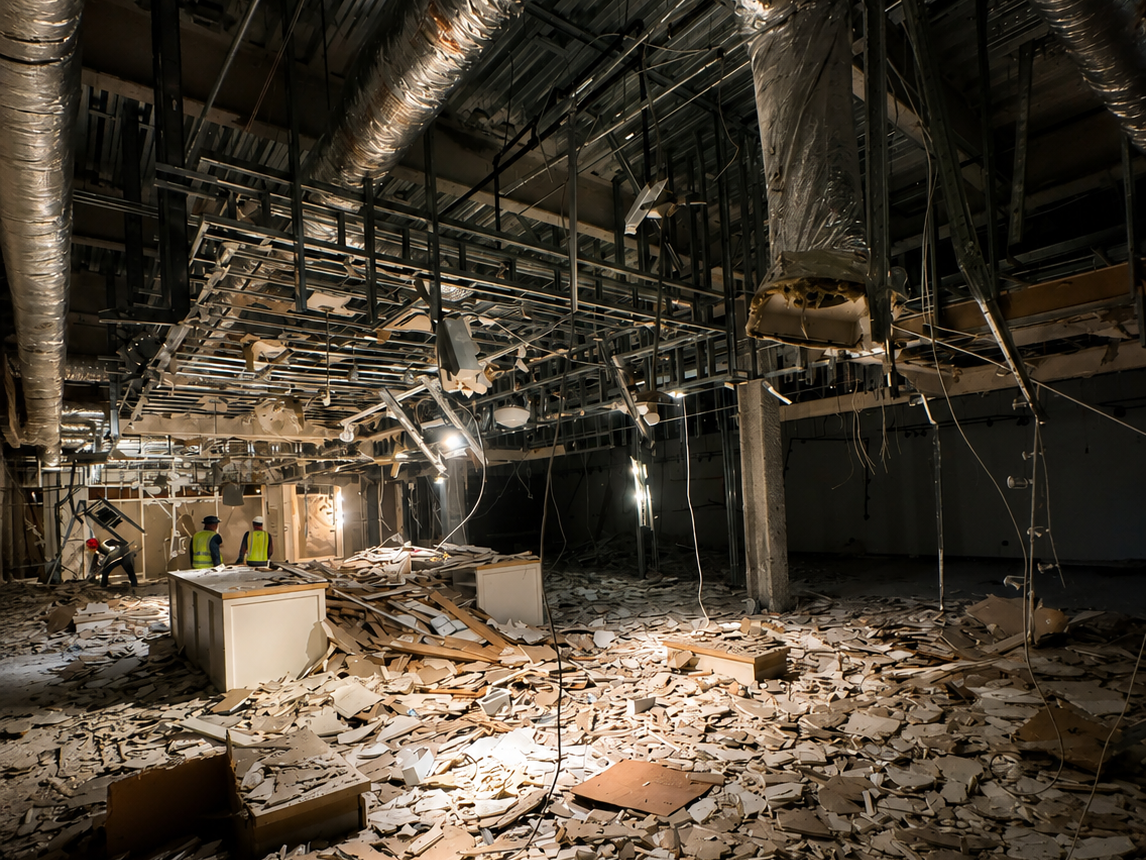
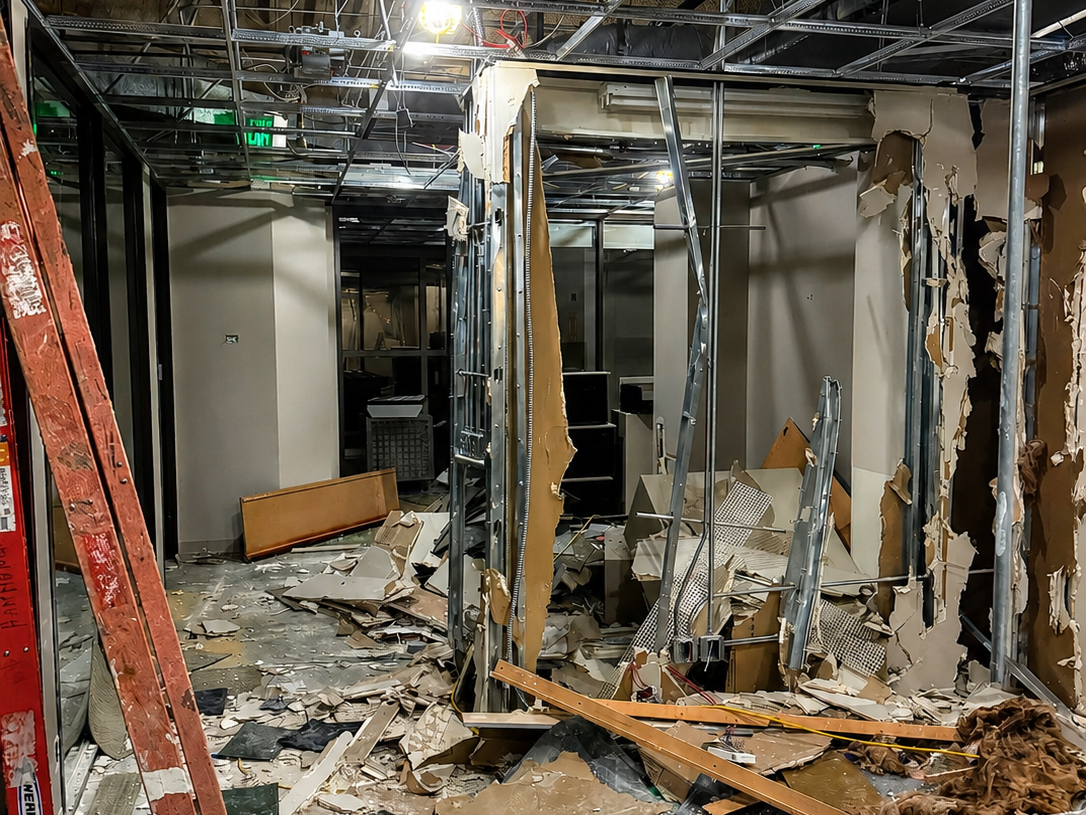
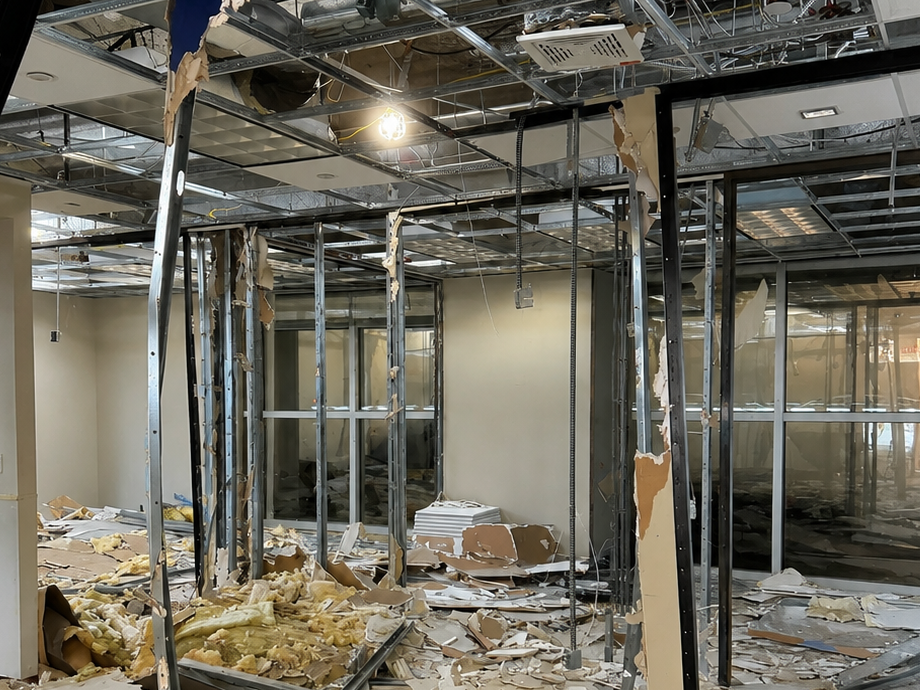
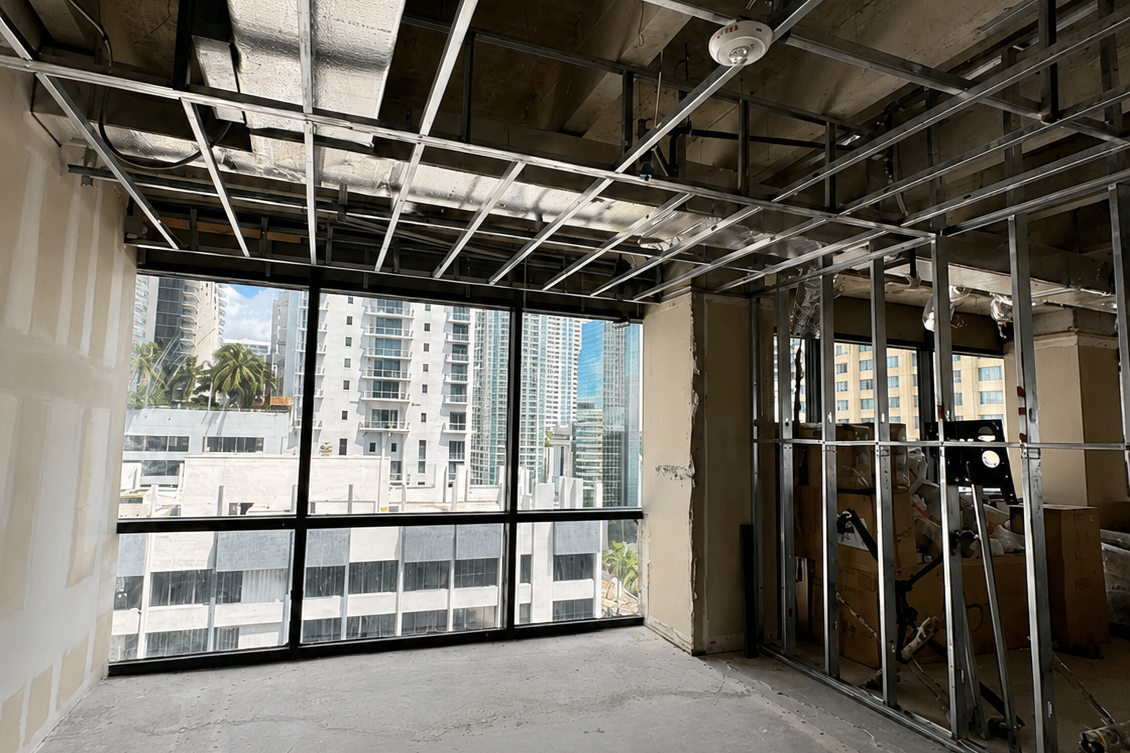
Selective demolition projects often require detailed planning and protection measures to preserve portions of the existing structure, while larger structural demolition projects typically require additional equipment, labor, and debris management.
Building Size and Project Scope
The size and complexity of a building play a major role in determining commercial demolition costs.
Project costs can be affected by:
- Building square footage
- Number of floors
- Structural steel systems
- Reinforced concrete construction
- Existing tenant occupancy
- Limited access areas
Larger commercial facilities generally require more manpower, equipment, supervision, and hauling resources than smaller interior demolition projects.
Permits and Regulatory Requirements
Permitting and compliance requirements can significantly impact demolition costs in Miami and throughout South Florida.
Depending on the project, requirements may include:
- Demolition permits
- Building department approvals
- Engineering documentation
- Utility disconnect approvals
- Environmental inspections
- Site-specific safety plans
Projects involving hospitals, schools, airports, government facilities, or occupied commercial buildings may require additional approvals and coordination before demolition work can begin.
Utility Disconnects and Site Preparation
Before commercial demolition begins, utilities must be properly identified, disconnected, and secured.
This process may involve:
- Electrical service disconnects
- Water and sewer line terminations
- Gas line shutdowns
- Telecommunications removals
- Fire alarm system coordination
The complexity of utility coordination can impact both project schedules and overall demolition costs, particularly in occupied or multi-tenant facilities.
Occupied Buildings and Phased Demolition
Many commercial demolition projects take place within active facilities that must remain operational during construction.
Examples include:
- Office buildings
- Medical facilities
- Retail centers
- Educational campuses
- Government buildings
In these situations, demolition may need to be completed in phases to minimize disruptions to daily operations. Additional protection systems, scheduling restrictions, and safety requirements can increase labor costs and project complexity.
Hazardous Materials and Environmental Concerns
Older commercial buildings may contain materials that require specialized handling before demolition can proceed.
Potential concerns include:
- Asbestos-containing materials
- Lead-based paint
- Mold contamination
- Silica-producing materials
- Regulated construction waste
If hazardous materials are identified during inspections, abatement and environmental compliance procedures may be required before demolition activities can begin, increasing both costs and project timelines.
Equipment Requirements
Different commercial demolition projects require different types of equipment depending on the building type and scope of work.
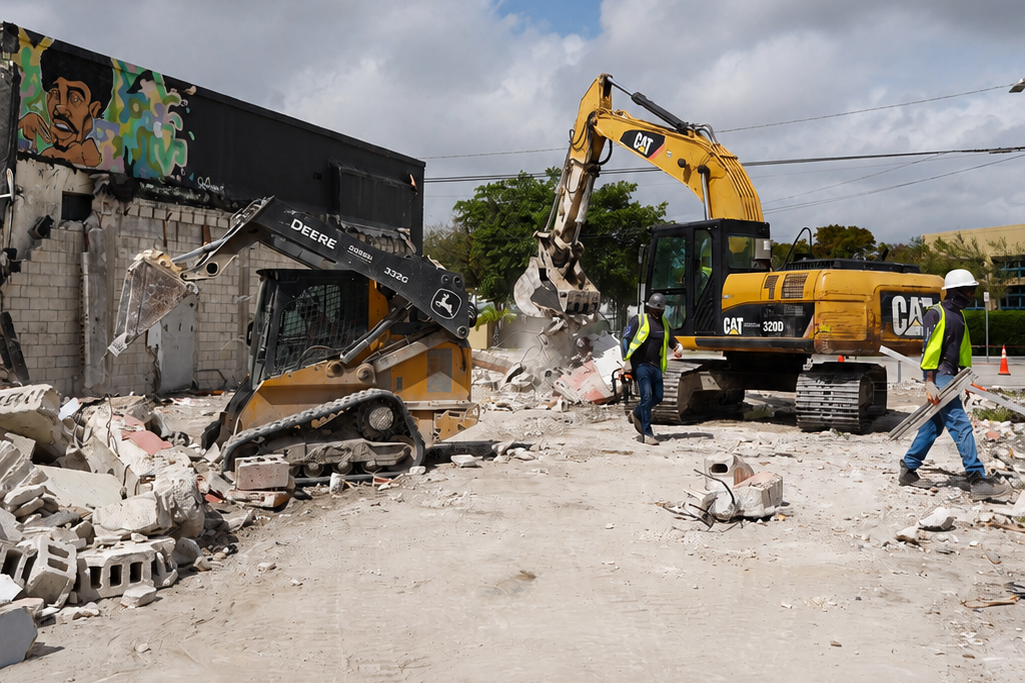
Common equipment may include:
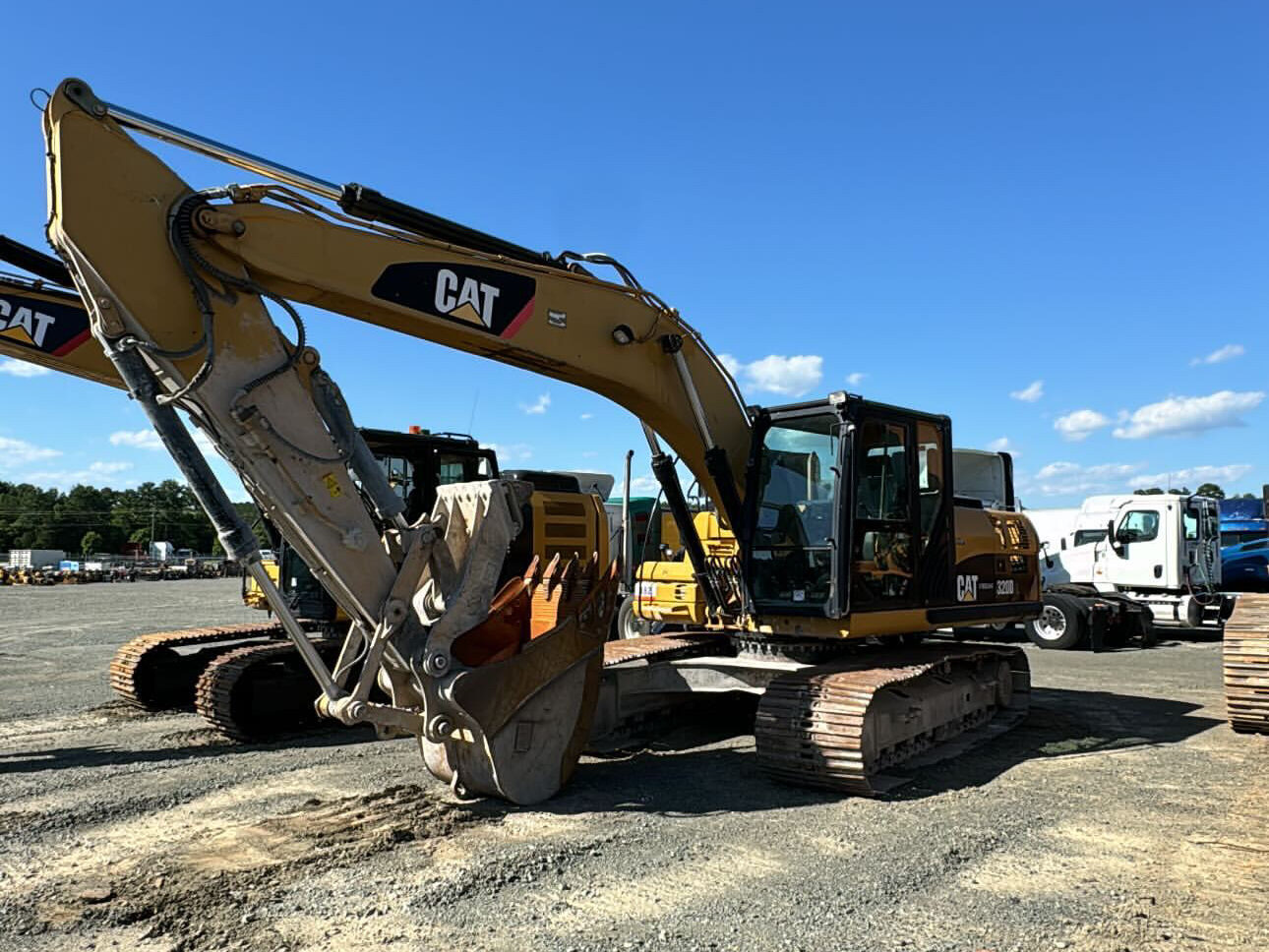
- Excavators
- Skid steers
- Concrete breakers
- Boom lifts
- Scissor lifts
- Saw cutting equipment
- Core drilling equipment
Projects involving structural concrete, steel framing, or limited access conditions may require specialized equipment and additional operators, impacting overall project costs.
Debris Removal and Disposal Costs
Debris management is often one of the largest components of a commercial demolition budget.
Material removal may include:
- Concrete debris
- Structural steel
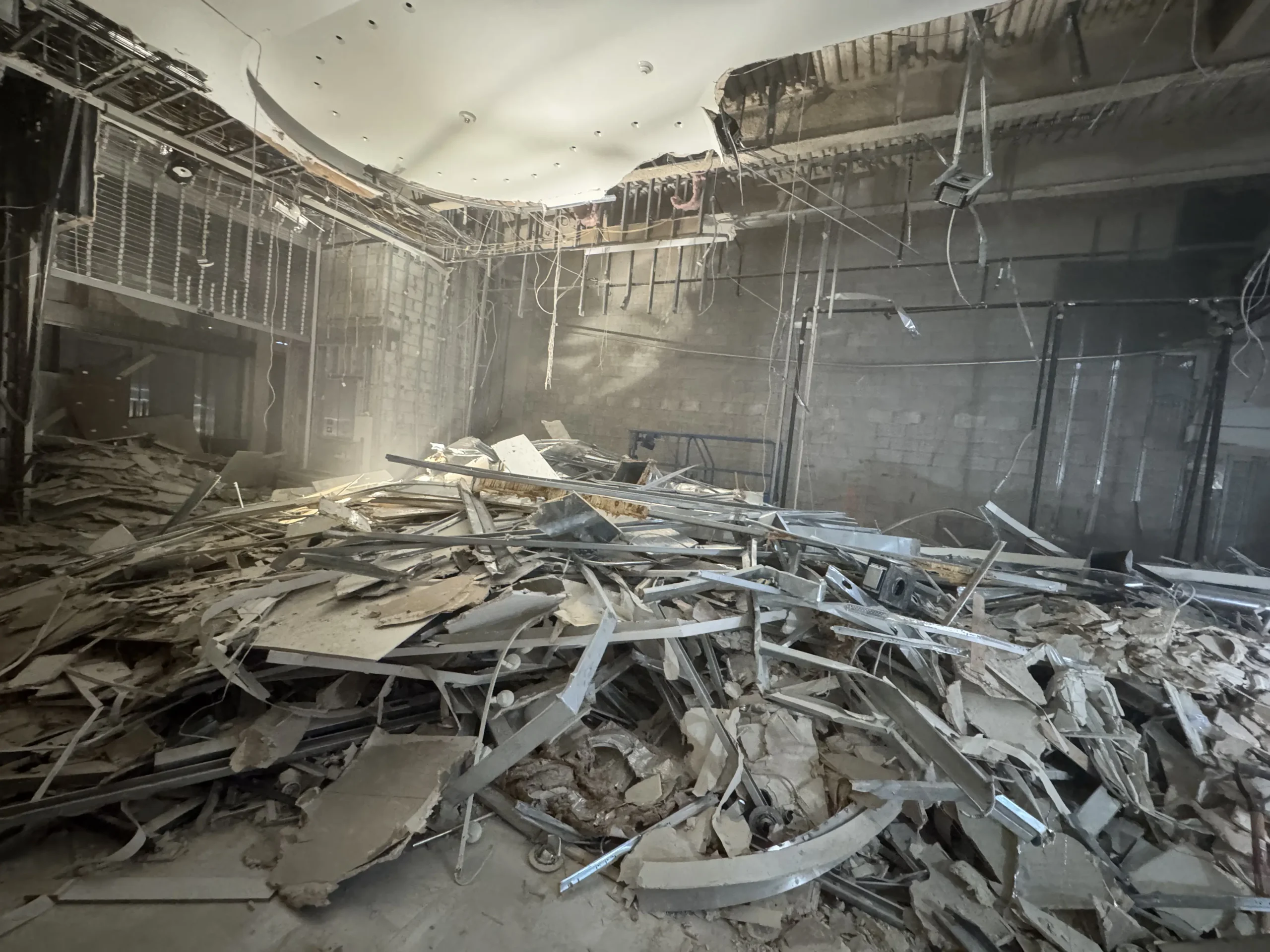
- Drywall and framing materials
- Flooring systems
- Ceiling systems
- General construction debris
The amount of material being removed, hauling distances, recycling requirements, and site access conditions can all influence disposal costs.
Projects located in dense urban environments or occupied commercial properties often require additional coordination for debris removal and trucking operations.
Site Access and Location
Site accessibility can have a significant impact on commercial demolition pricing.
Factors that may increase costs include:
- Limited staging areas
- Restricted equipment access
- Busy urban locations
- Occupied facilities
- Parking limitations
- Nearby structures requiring protection
Commercial projects in active business districts frequently require additional planning and logistical coordination to complete demolition safely and efficiently.
Project Schedule and Working Hours
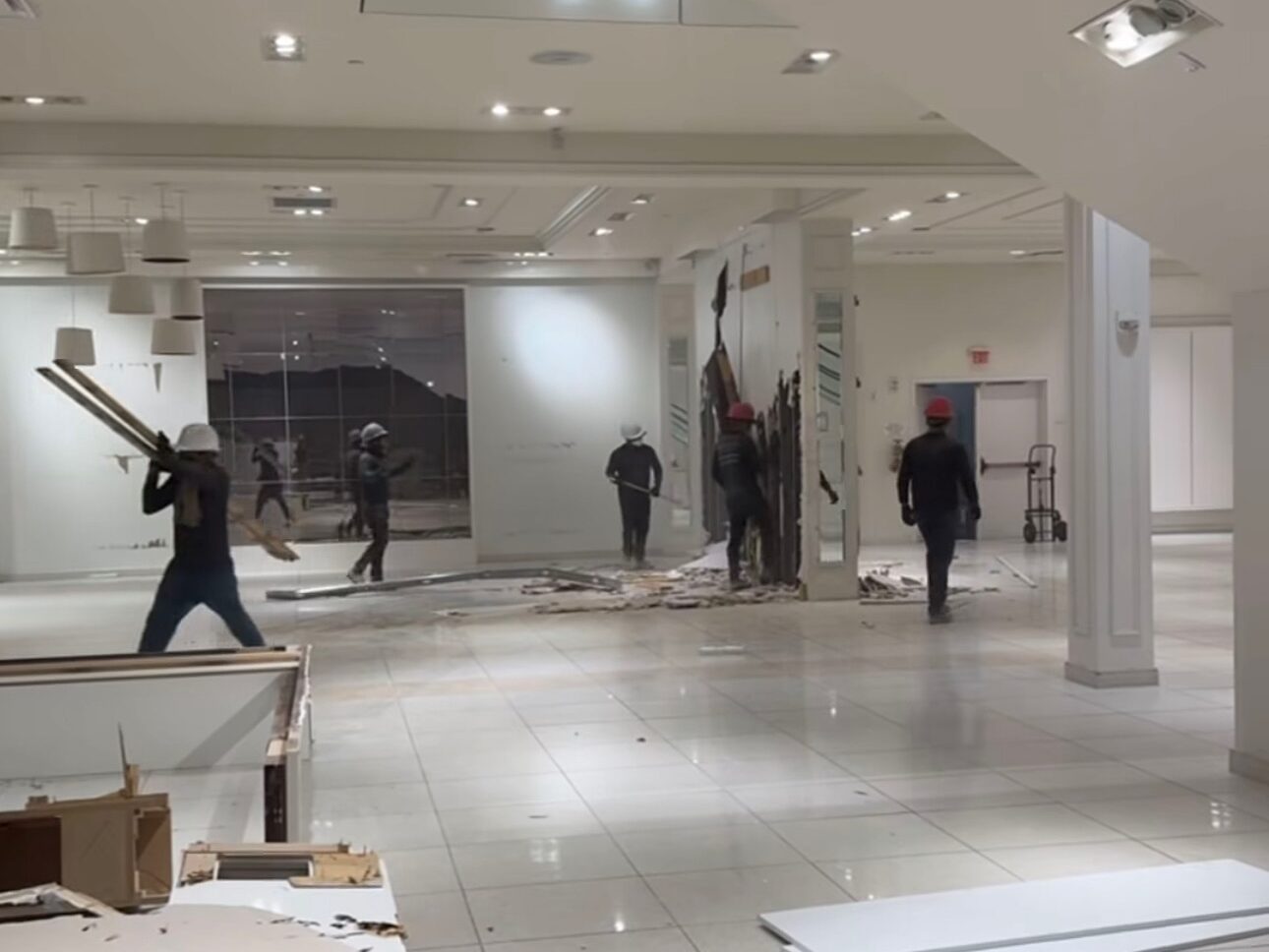
Some commercial demolition projects must be completed within strict construction schedules or limited working hours.
This may require:
- Night work
- Weekend shifts
- Accelerated schedules
- Multiple work phases
- After-hours demolition
Projects with compressed timelines often require additional labor, supervision, and equipment resources to meet project deadlines.
Protection and Safety Requirements
Safety and protection systems are critical components of commercial demolition projects.
Depending on the project, contractors may need to provide:
- Dust control systems
- Temporary barriers and partitions
- Floor protection
- Elevator protection
- Negative air systems
- Daily site cleaning
- Noise and vibration control measures
These requirements help protect adjacent spaces, building occupants, and ongoing operations while demolition work is performed.
Coordination With Other Trades
Commercial demolition is often the first phase of a larger renovation or redevelopment project.
As a result, demolition contractors frequently coordinate with:
- General contractors
- Electricians
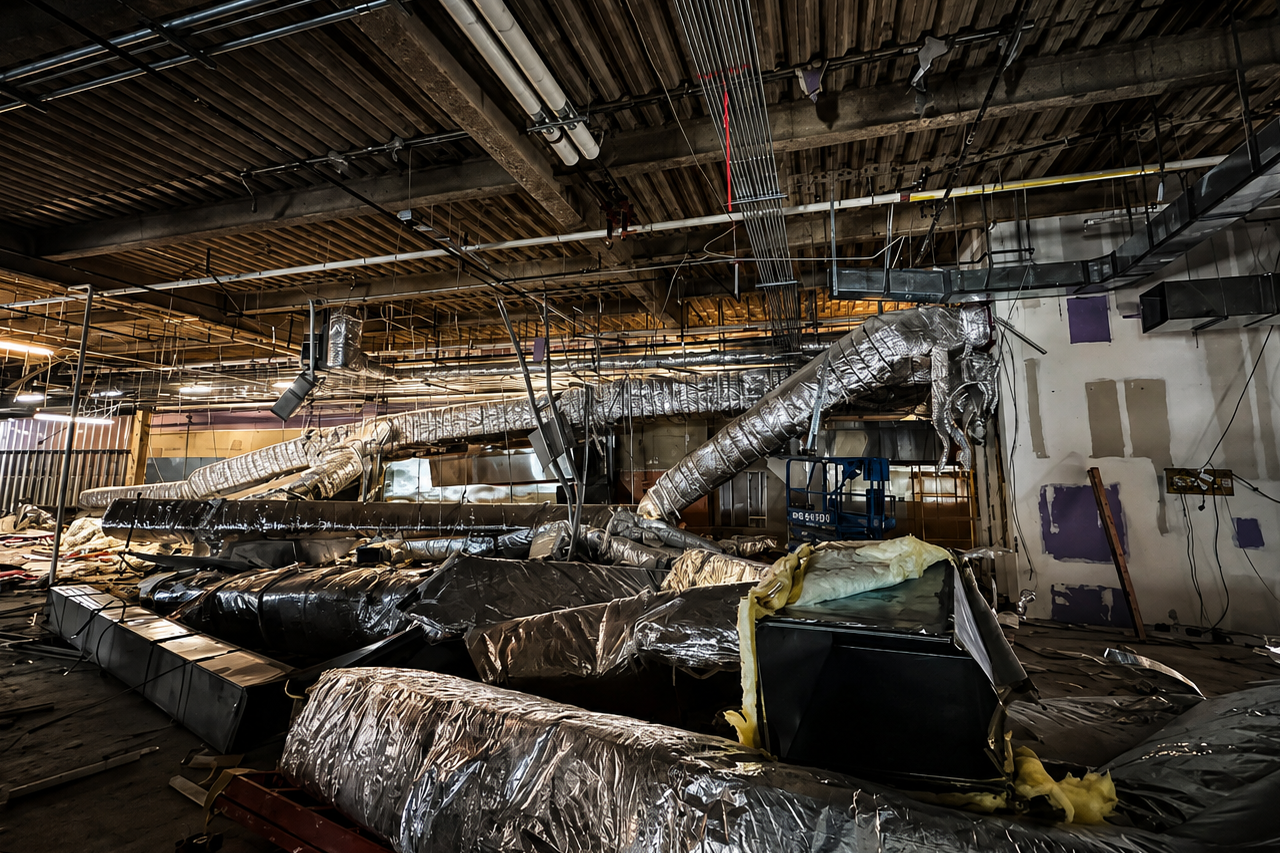
- HVAC contractors
- Plumbing contractors
- Engineers
- Property managers
Effective coordination helps prevent delays and ensures demolition activities align with the overall construction schedule.
Why Experience Matters in Commercial Demolition
Commercial demolition requires careful planning, scheduling, safety management, permitting coordination, and debris removal. Experienced demolition contractors understand how to evaluate project conditions, identify potential challenges, and develop efficient demolition strategies that help control costs.
Working with a professional commercial demolition contractor can help developers, general contractors, and property managers avoid unnecessary delays while maintaining safety, compliance, and budget expectations throughout the project.
Commercial Demolition Services in Miami and South Florida
At Next Gen Construction & Demolition, we provide commercial demolition, selective demolition, interior demolition, and concrete cutting services throughout Miami and South Florida. Our team works with developers, general contractors, property managers, healthcare facilities, retail centers, office buildings, and industrial properties to deliver safe, efficient demolition solutions.
Whether you’re planning a tenant improvement, office renovation, retail build-out, healthcare upgrade, or commercial redevelopment project, our experienced team is ready to help.
Contact Next Gen Construction & Demolition today to discuss your upcoming project and request an estimate.