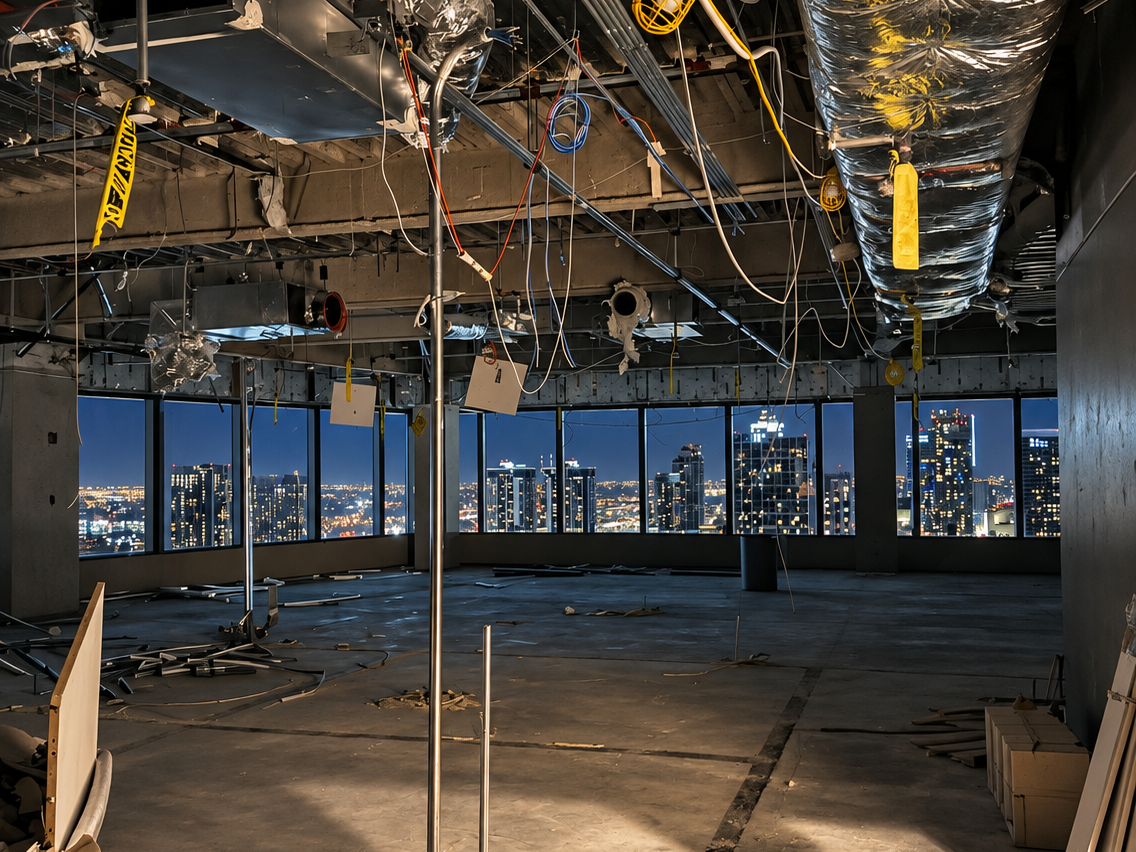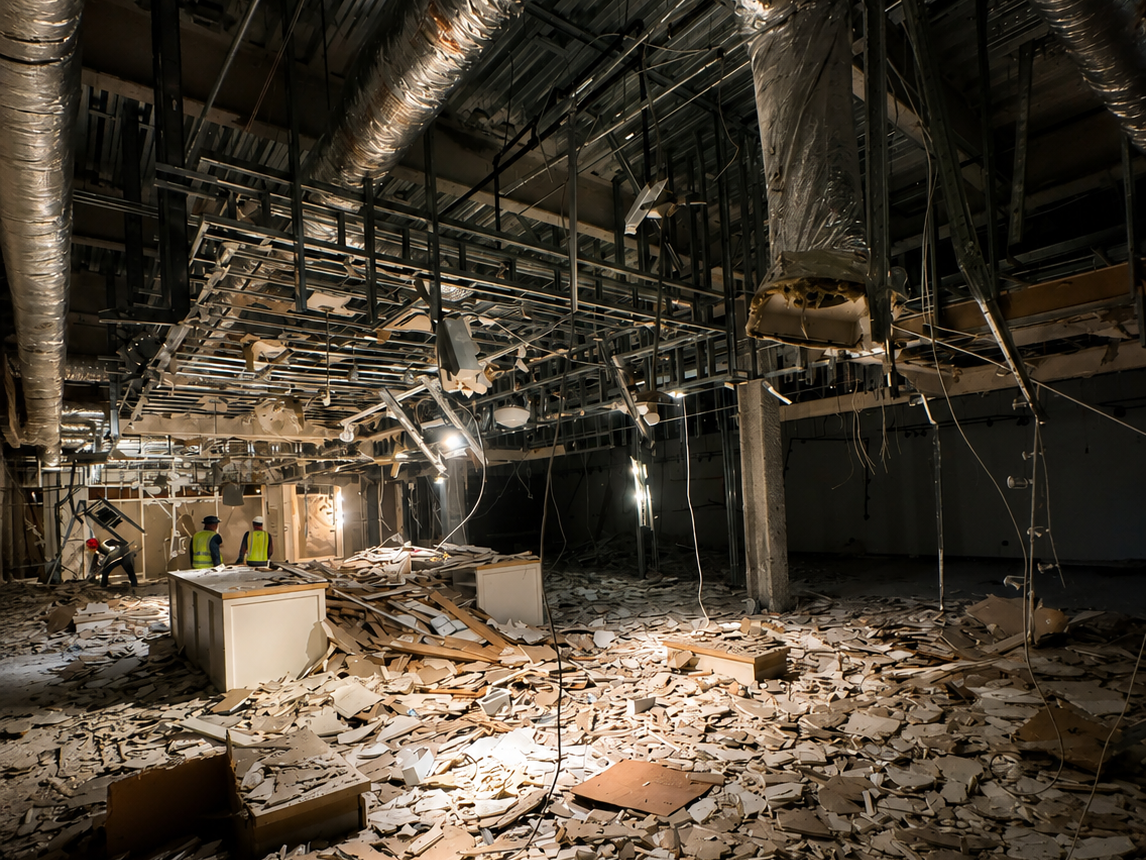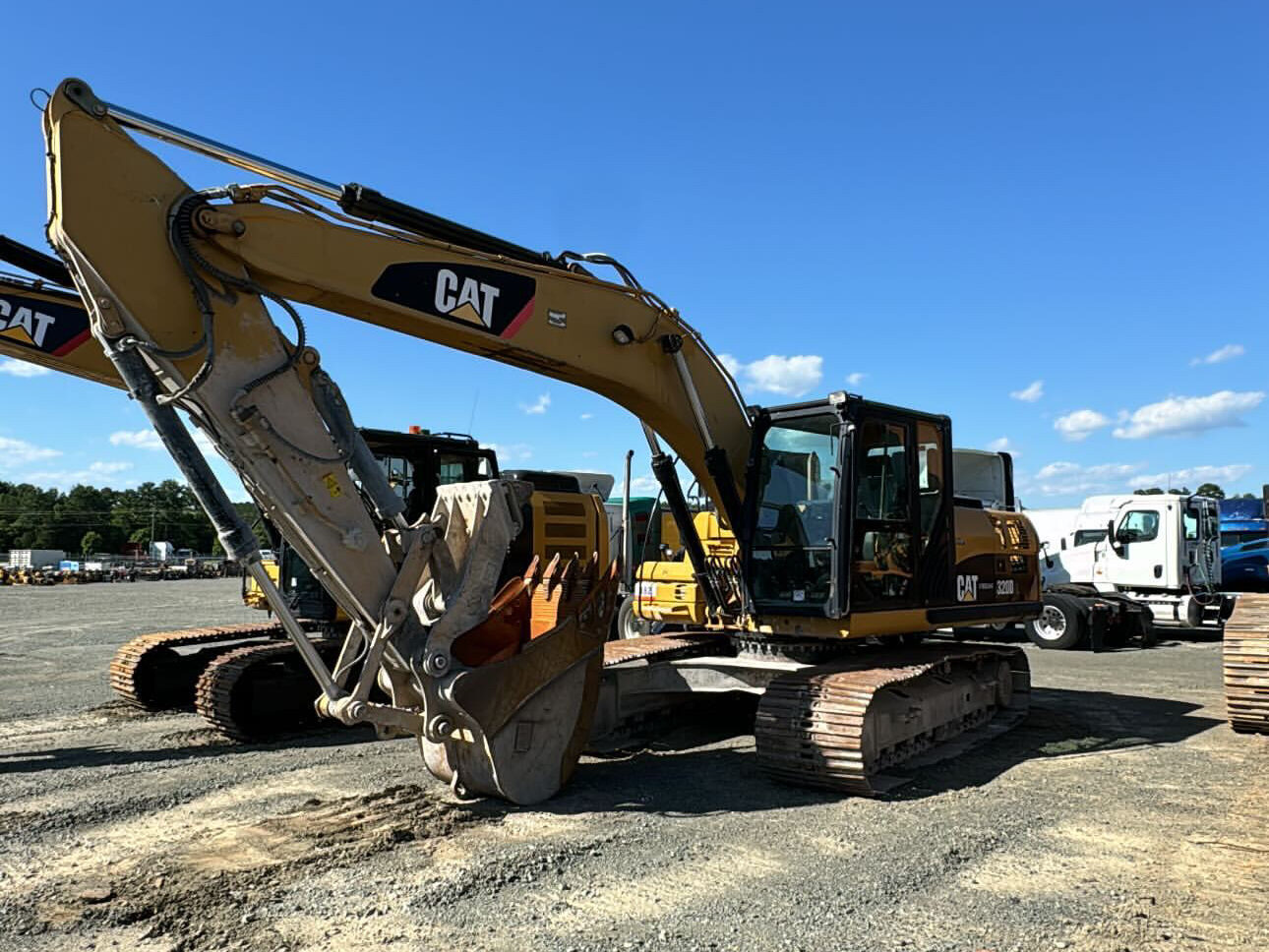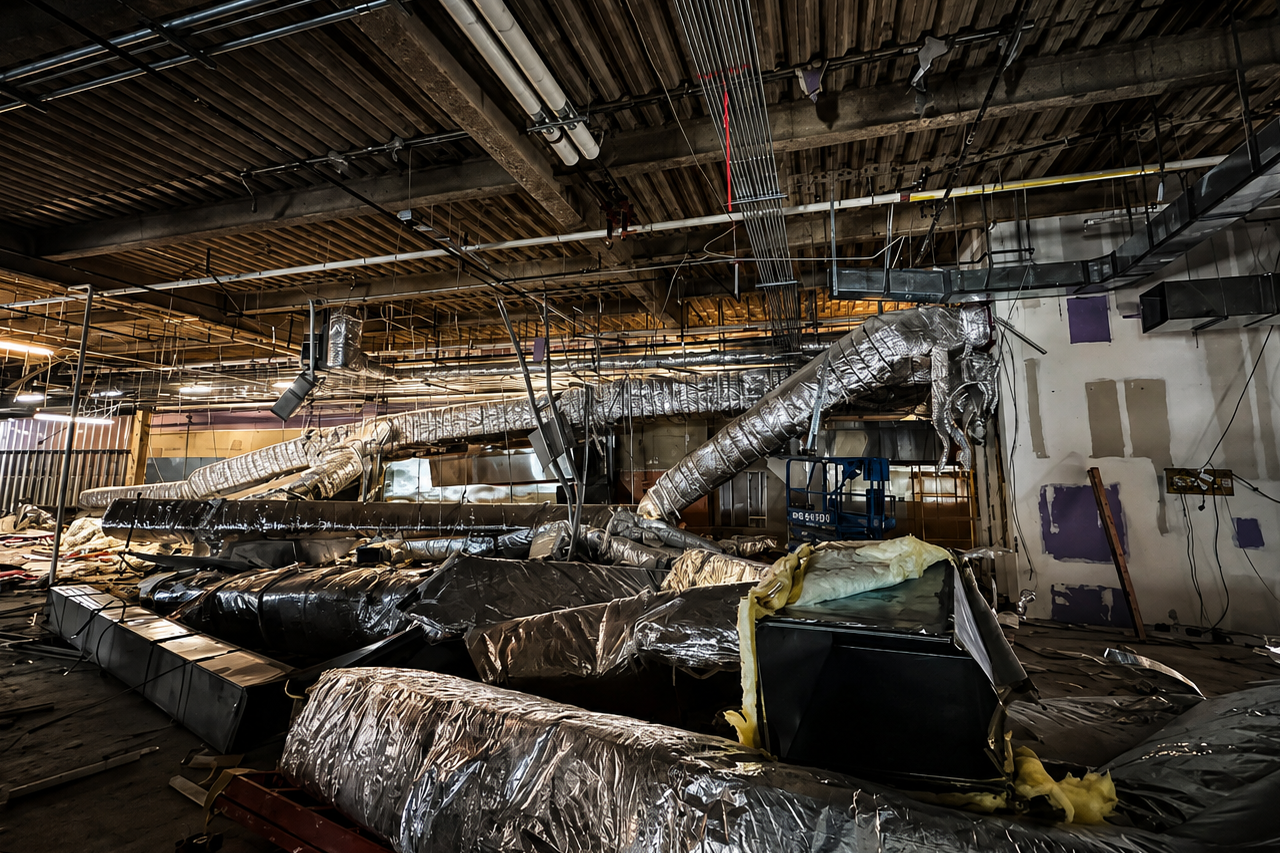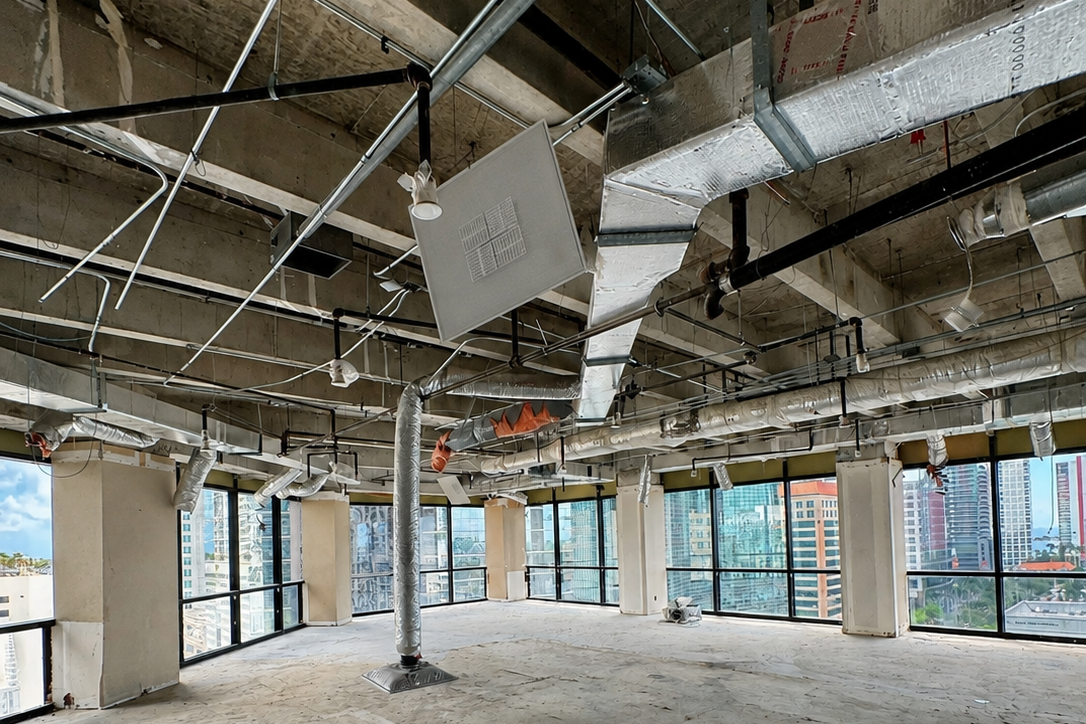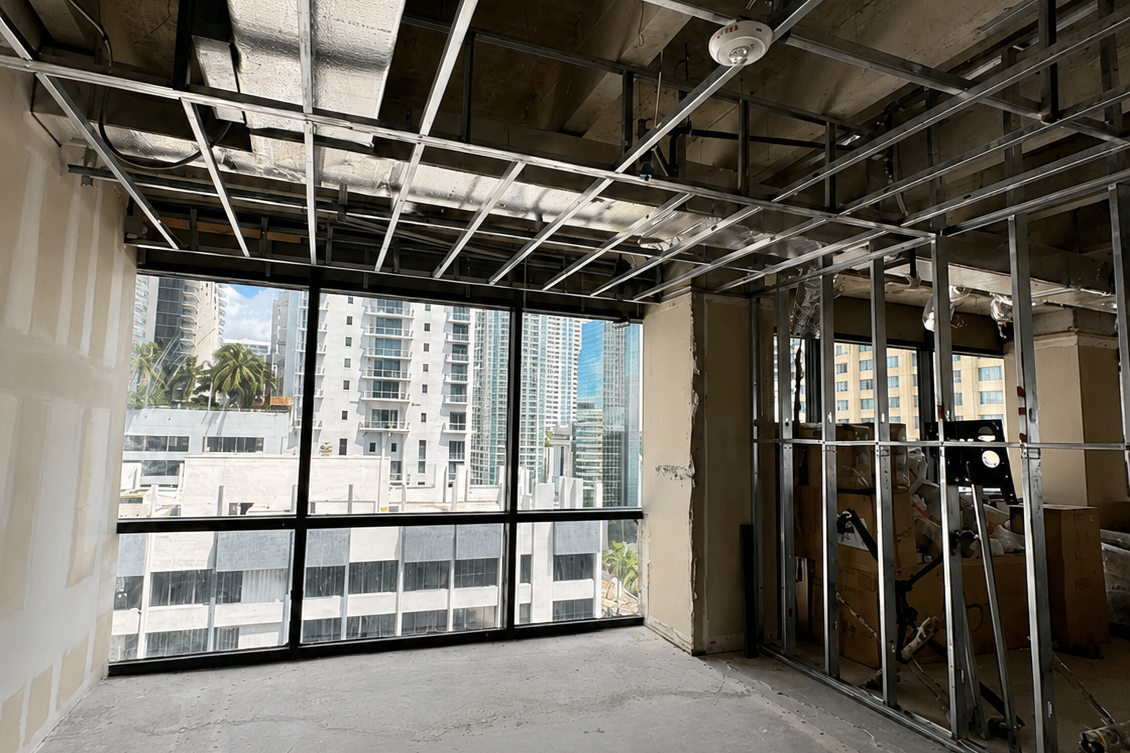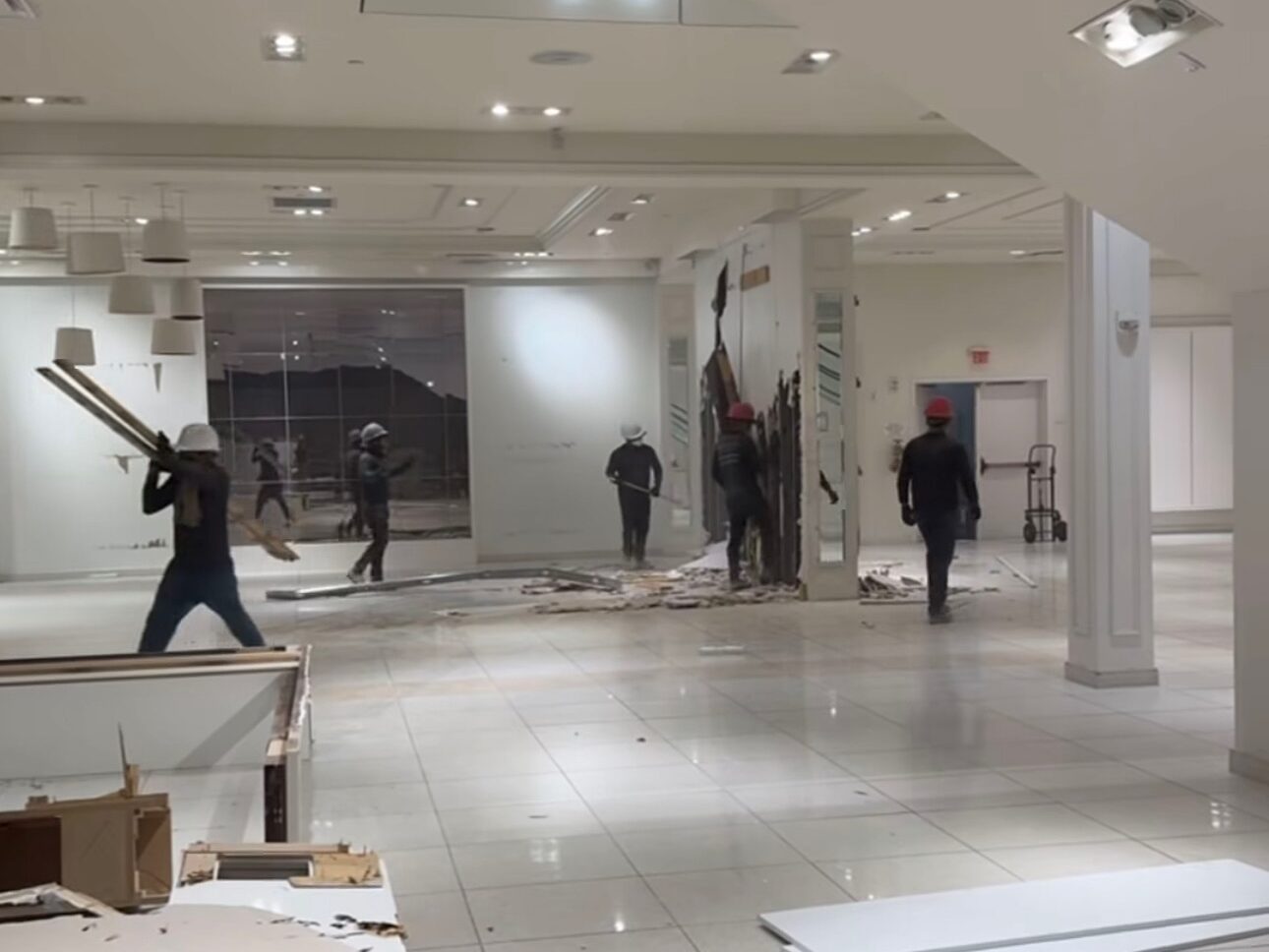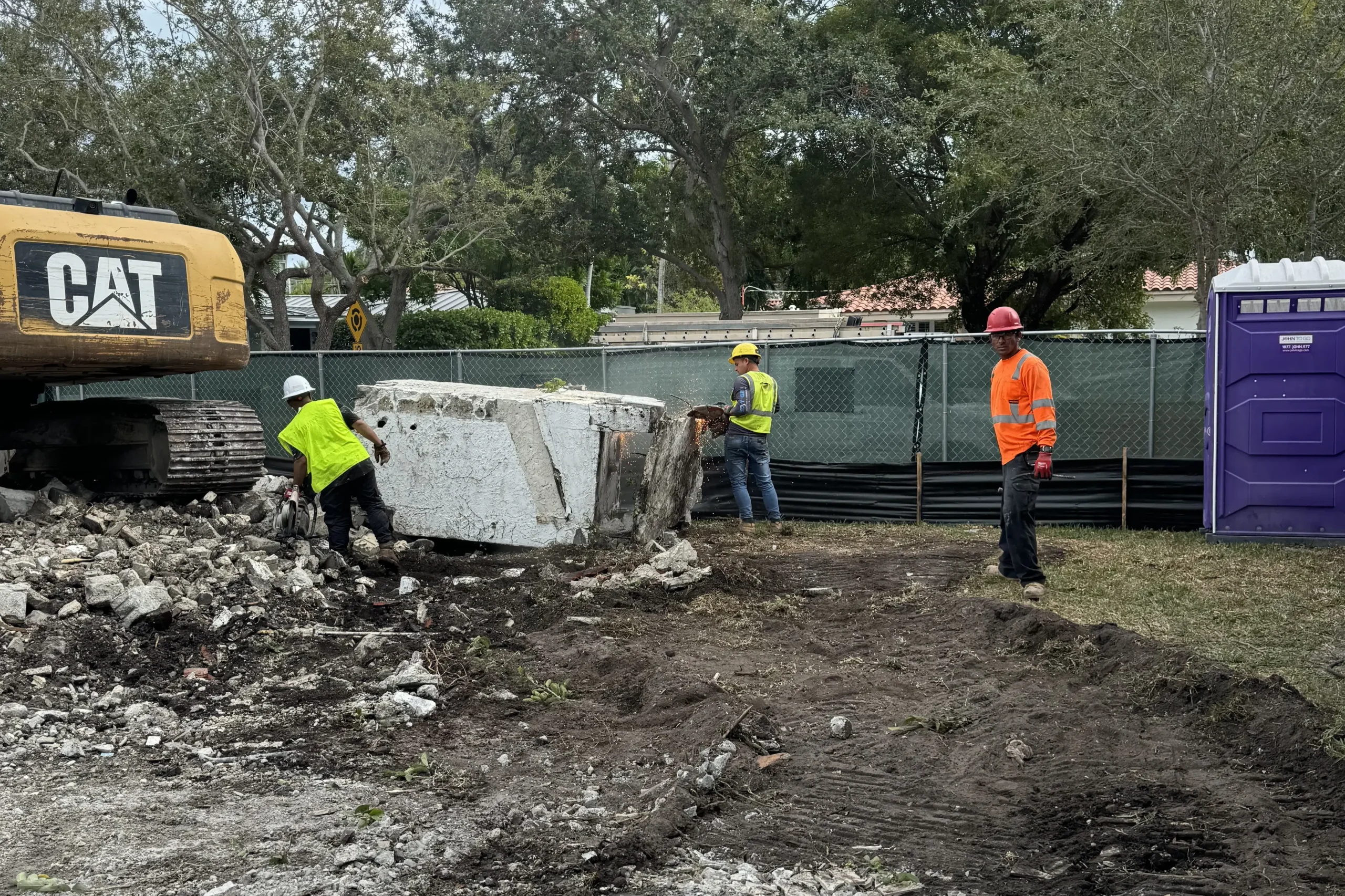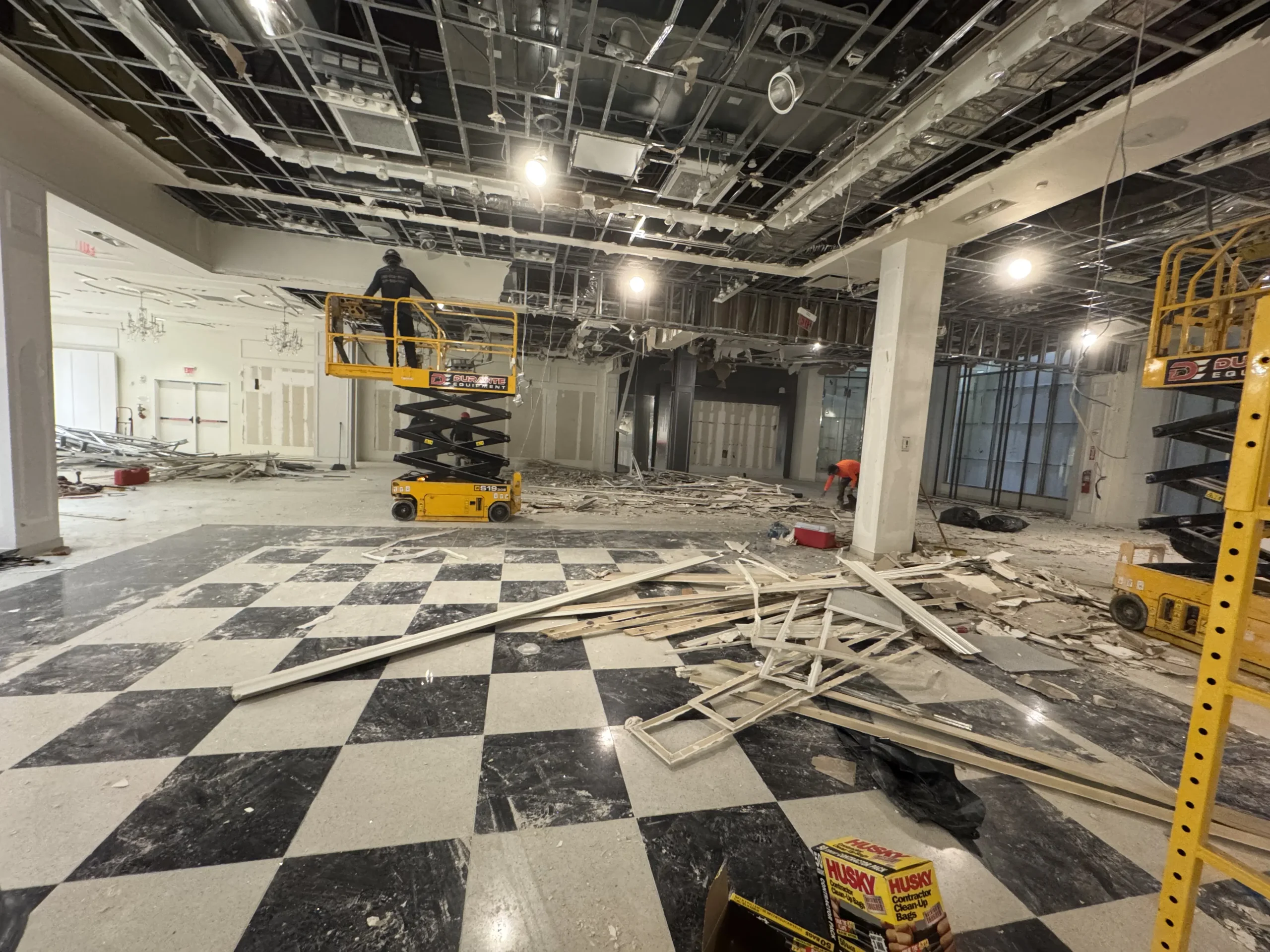
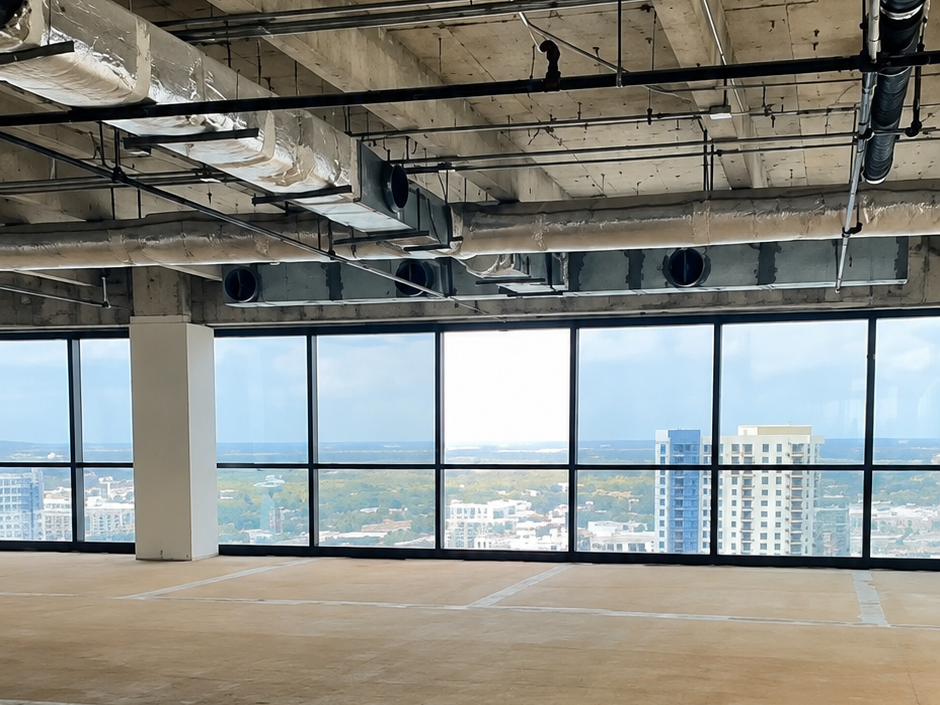
Miami’s skyline continues to grow, with high-rise office buildings, residential towers, hotels, and mixed-use developments throughout Brickell, Downtown Miami, and surrounding areas. As these properties age, change tenants, or undergo renovations, commercial demolition often becomes one of the first steps in preparing the space for its next use.
Demolition inside a high-rise building, however, presents a very different set of challenges than working on a ground-level commercial property. Limited access, occupied floors, elevator restrictions, debris removal, building management requirements, and tight work schedules can all affect how demolition is planned and performed.
For general contractors and property managers, working with an experienced commercial demolition contractor can help ensure these challenges are addressed before work begins.
Limited Access and Staging Areas
One of the biggest challenges of commercial demolition in Miami high-rises is simply getting workers, equipment, and materials in and out of the building.
Unlike a standalone property where equipment and dumpsters may be positioned close to the work area, high-rise projects often have designated loading zones, limited staging areas, and specific routes contractors must use.
Before demolition begins, the project team may need to determine:
- Approved loading and unloading areas
- Equipment access and storage locations
- Designated debris routes
- Available staging areas
- Building access requirements
- Delivery and removal schedules
Planning these details ahead of time helps keep the demolition process organized while minimizing disruption to the rest of the property.
Elevator and Loading Dock Coordination
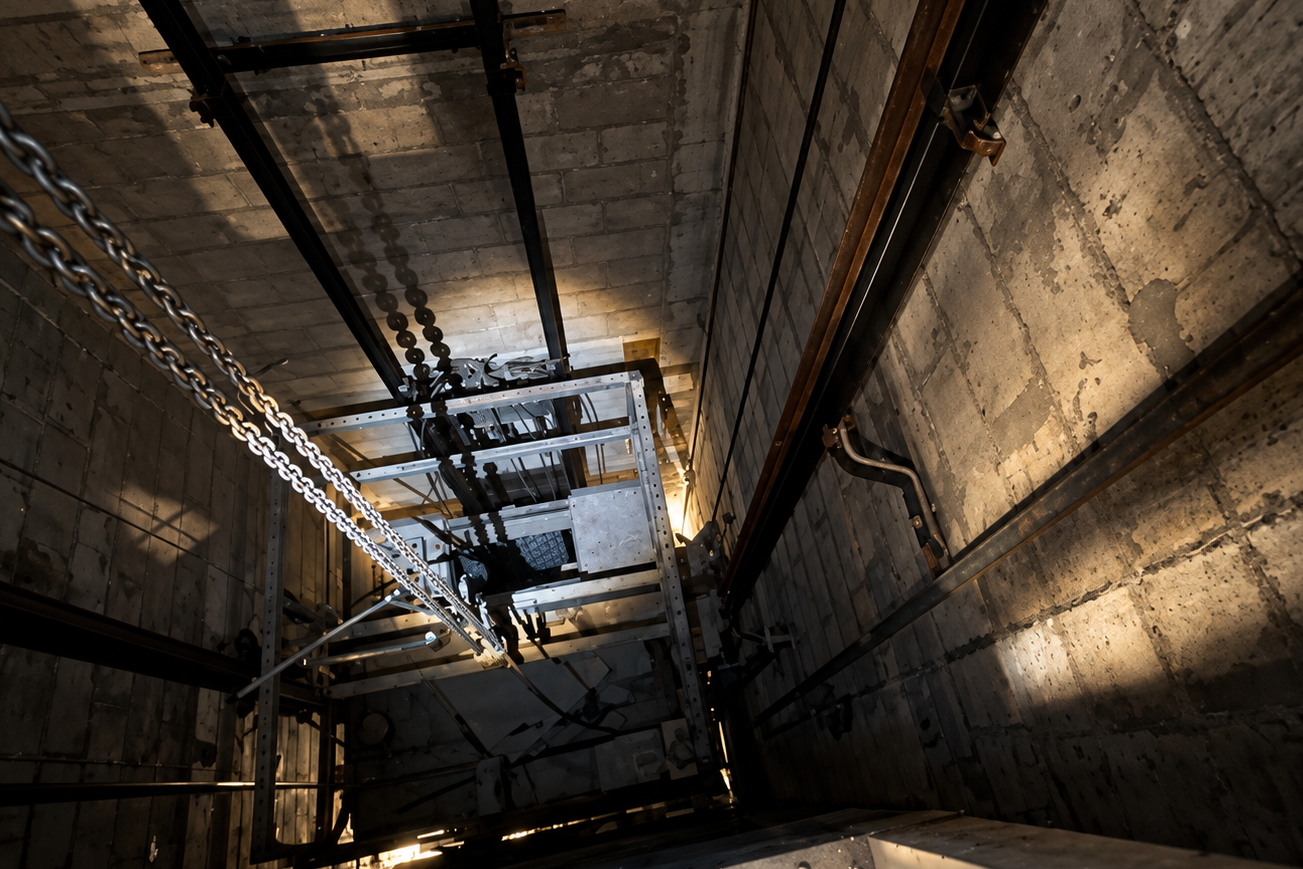
When demolition takes place several floors above ground level, elevators become an important part of project logistics.
Many commercial buildings require contractors to use designated freight or service elevators rather than passenger elevators. Building management may also establish specific hours when elevators and loading docks can be used for construction activities.
Demolition contractors must plan around these restrictions when moving equipment into the space and removing debris from the building.
Coordinating elevator access, loading areas, and debris removal schedules before work begins can help prevent unnecessary delays once demolition is underway.
Debris Removal in a High-Rise Environment
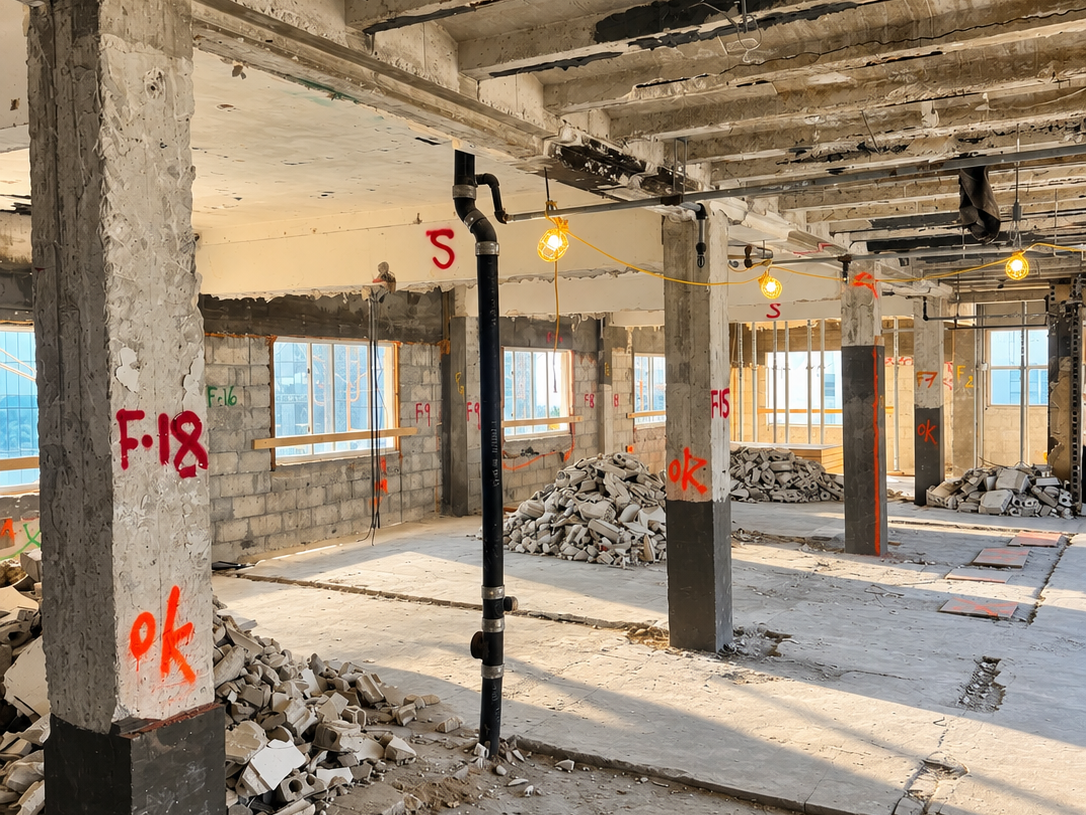
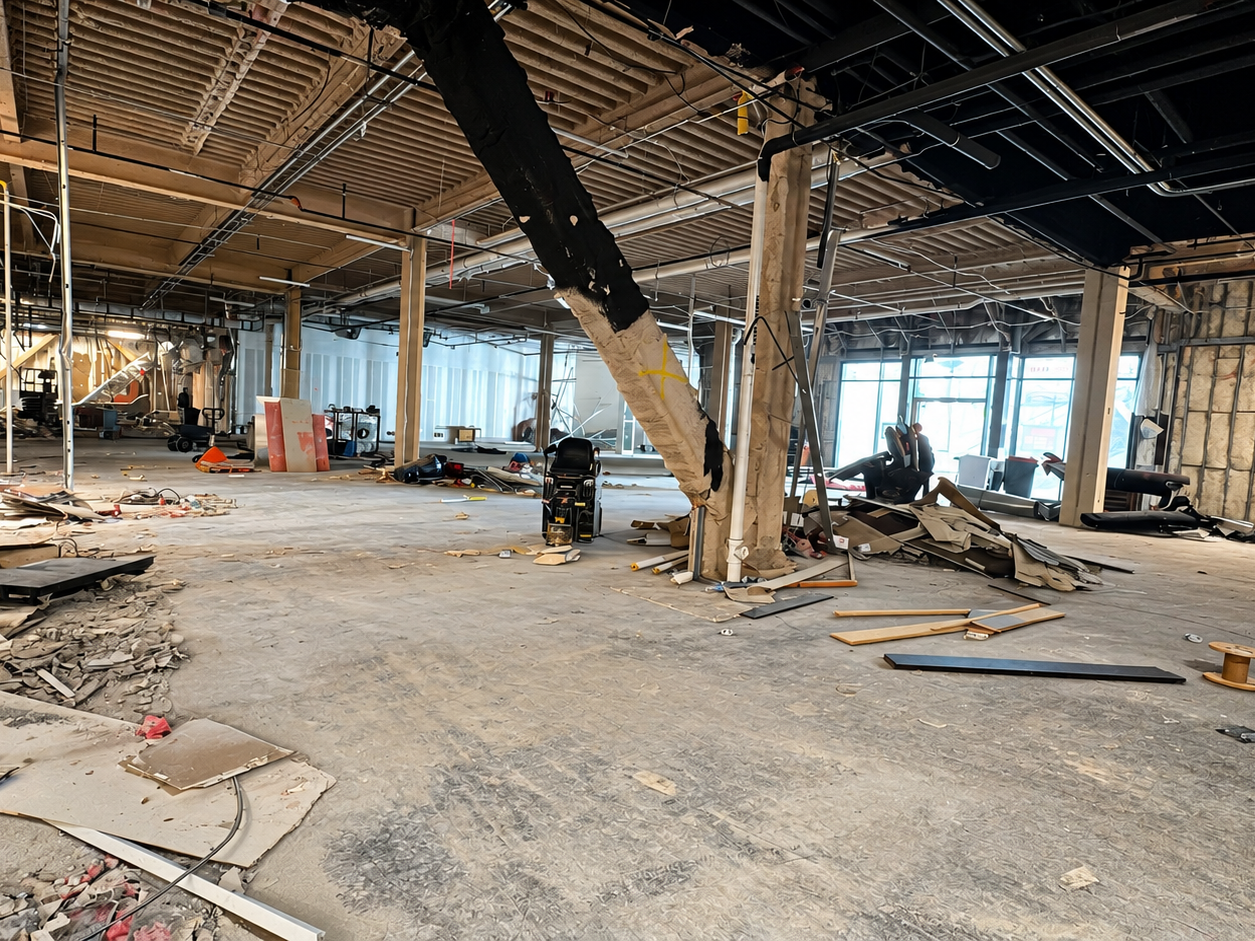
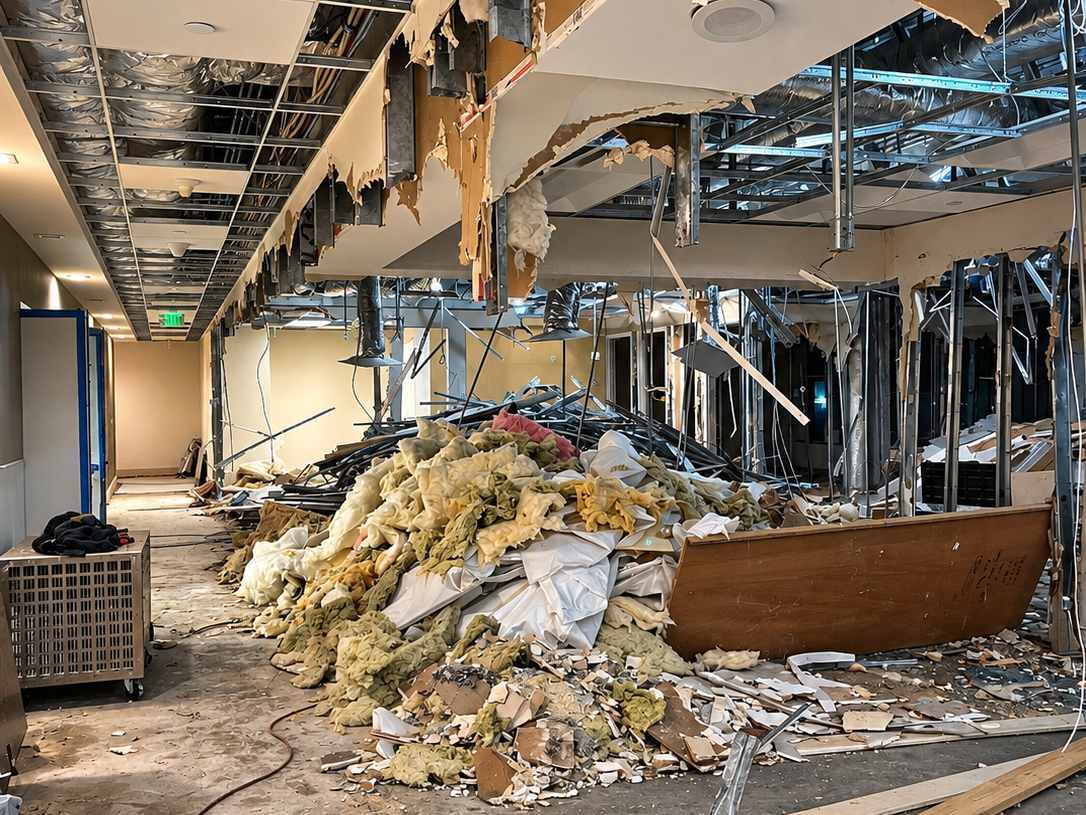
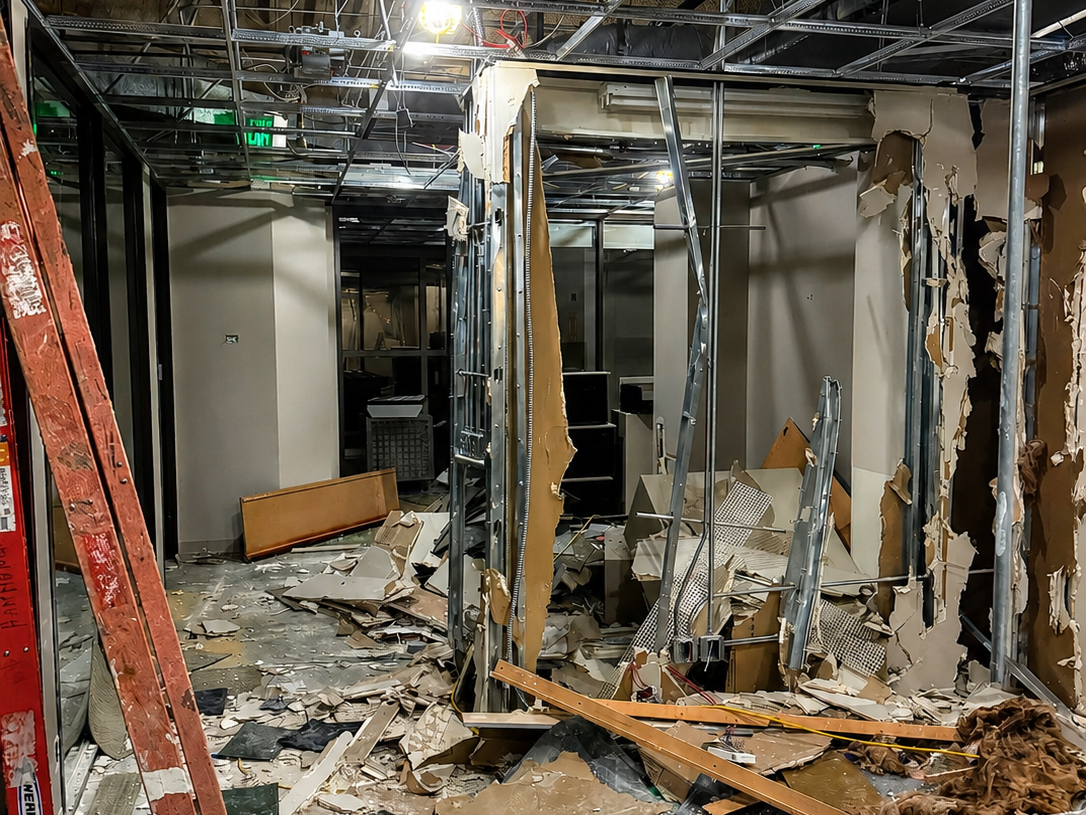
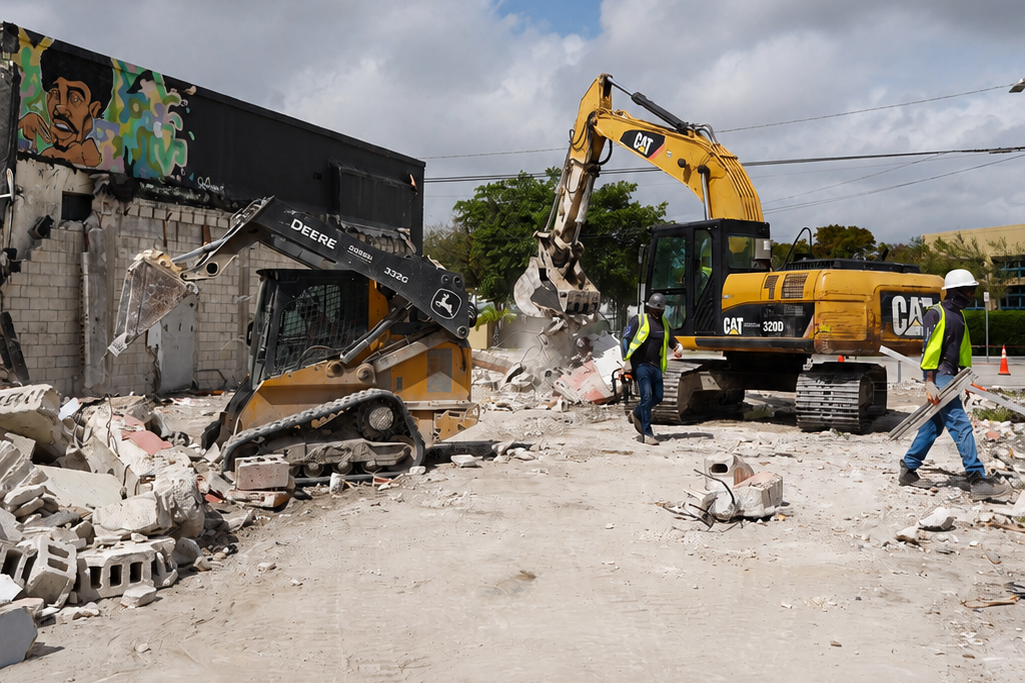
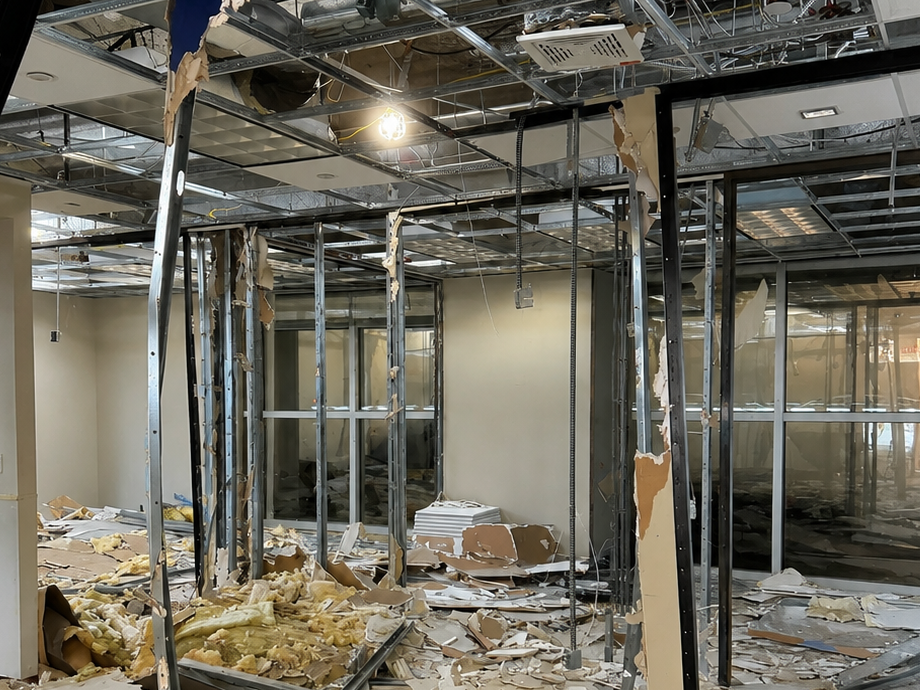
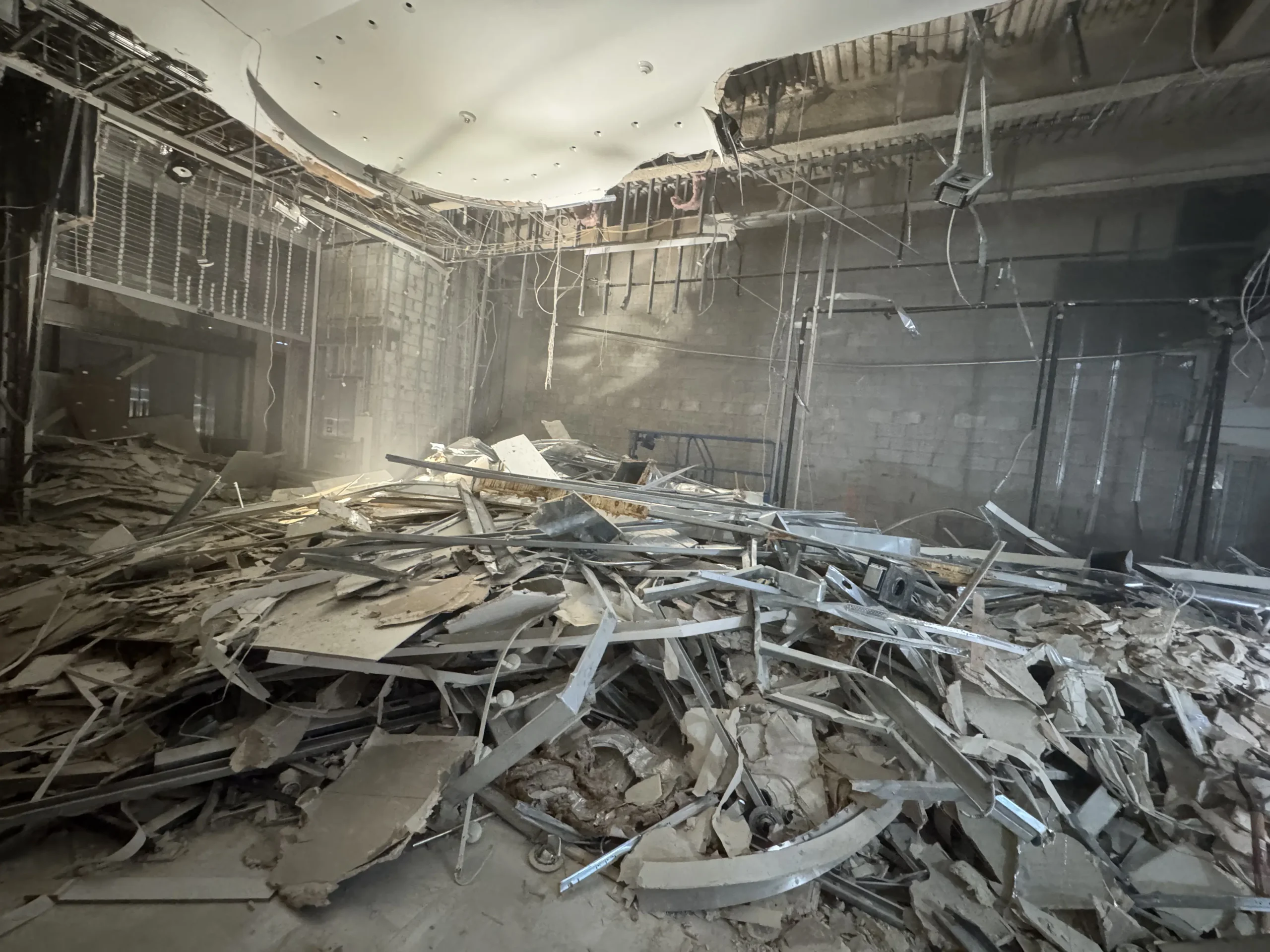
Commercial demolition can generate a significant amount of debris, including drywall, flooring, ceiling materials, partitions, fixtures, and other existing building components.
In a high-rise environment, that material cannot simply be moved directly from the work area into a nearby dumpster.
Debris may need to travel from the project floor through designated corridors, freight elevators, loading docks, and approved building exits before it can be hauled away.
A well-planned debris removal strategy helps maintain clean access routes, protects areas that are not part of the demolition scope, and keeps the project moving efficiently.
Protecting Existing Building Areas
High-rise renovations frequently involve demolition on only certain floors, suites, or areas of a building. Other portions of the property may remain fully operational throughout construction.
Because of this, protecting existing conditions is an important part of the demolition process.
Depending on the project, protection may be required for:
- Elevators
- Lobby and common areas
- Existing flooring
- Corridors
- Doors and entrances
- Areas adjacent to the demolition zone
Careful planning helps limit unnecessary damage and allows construction activity to move through the building while protecting areas scheduled to remain.
Working Around Building Rules and Restrictions
Commercial high-rises often have their own construction guidelines established by property management.
These requirements may address contractor access, work hours, noise, deliveries, elevator reservations, debris removal, parking, and other construction activities.
Some demolition activities may also need to be performed during specific hours to reduce disruption to tenants or normal building operations.
Understanding these requirements before mobilization allows the demolition contractor and general contractor to build them into the project schedule rather than discovering restrictions after work has already started.
Communication Is Critical
High-rise demolition requires coordination between multiple parties.
General contractors, demolition subcontractors, building management, property owners, engineers, and other trades may all have requirements that affect the demolition scope.
Clear communication helps ensure everyone understands how access will work, where debris will travel, which areas must remain protected, and when demolition activities can take place.
For complicated commercial renovations, addressing these details early can make a significant difference once work begins.
Commercial Demolition Experience Matters in Miami High-Rises
Working inside a high-rise requires more than simply completing the demolition shown on the plans. Contractors must understand how to perform that work within the operational and logistical limitations of the building.
At Next Gen Construction & Demolition, we provide commercial demolition services throughout Miami and South Florida, working with general contractors and construction teams on interior demolition, selective demolition, commercial renovations, and complex projects requiring careful coordination.
From planning access and debris removal to coordinating work within active commercial environments, our team understands the importance of completing demolition safely, efficiently, and in coordination with the overall construction schedule.
If you have an upcoming commercial demolition project in Miami, Brickell, Downtown Miami, or throughout South Florida, contact Next Gen Construction & Demolition to discuss your demolition scope and request pricing.