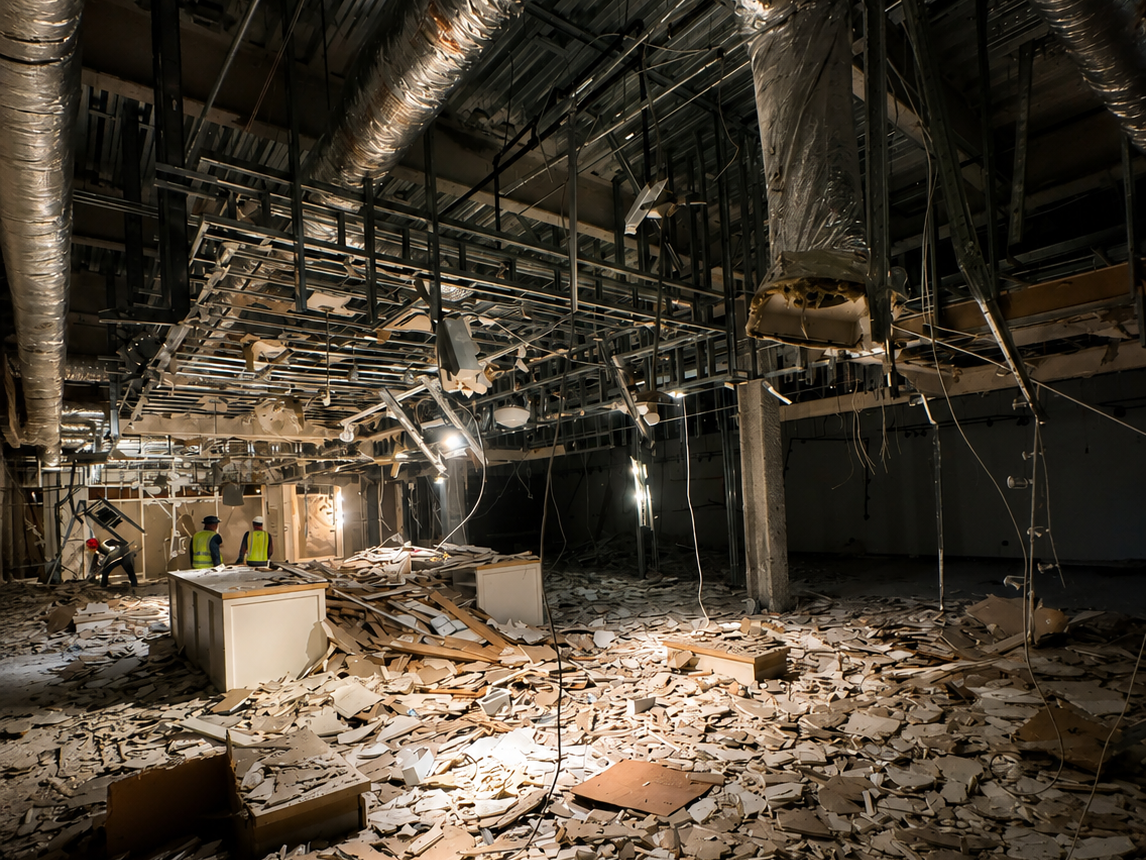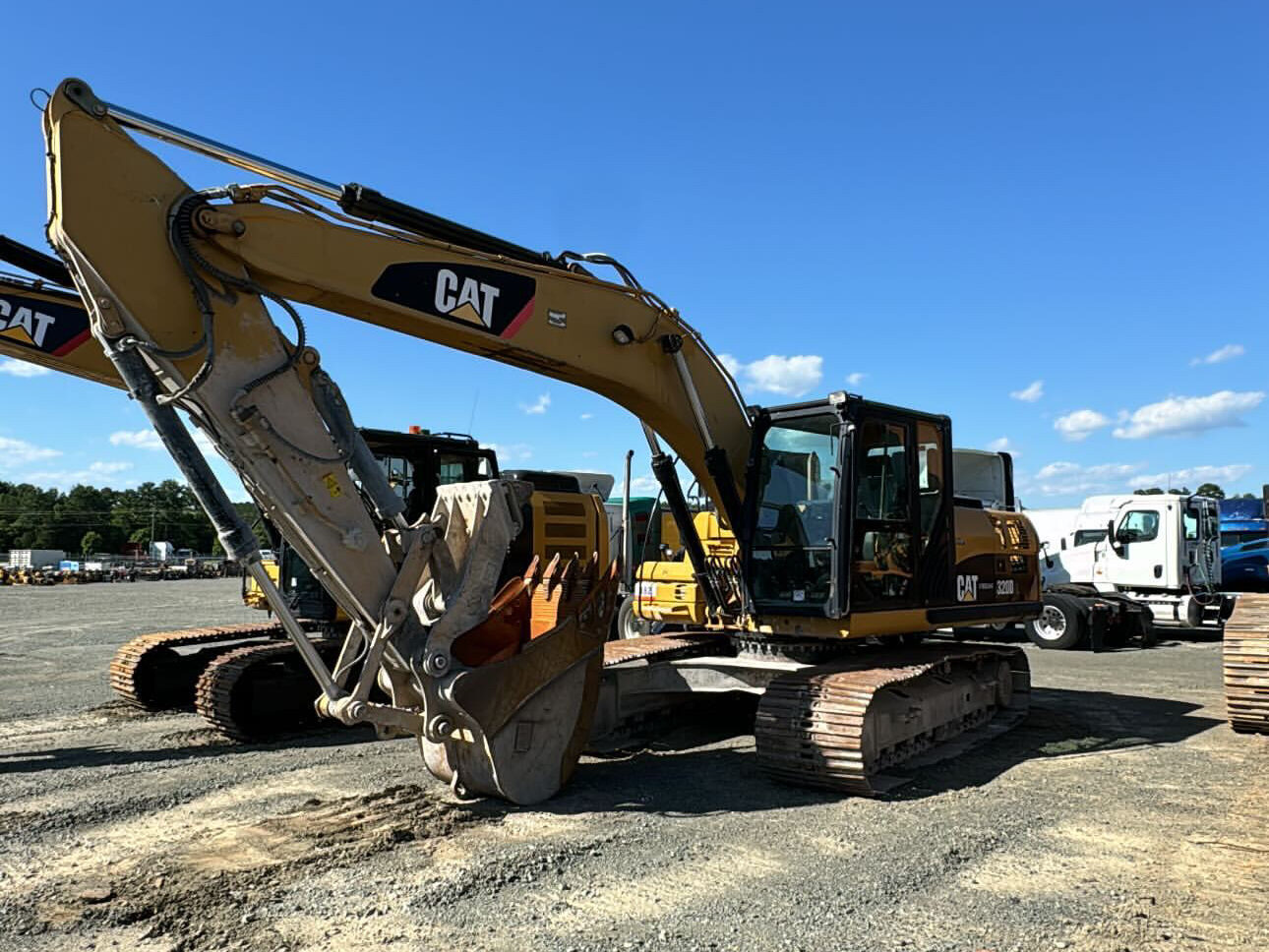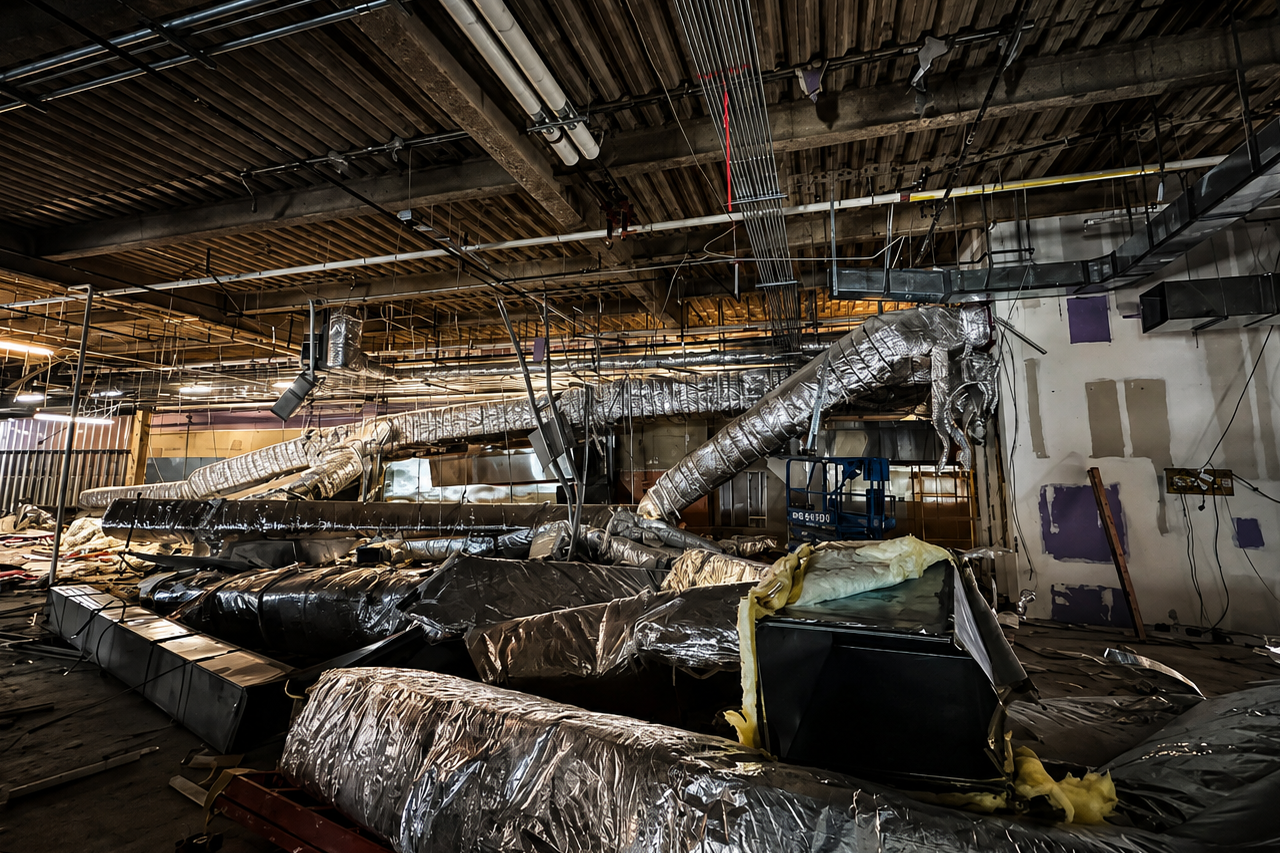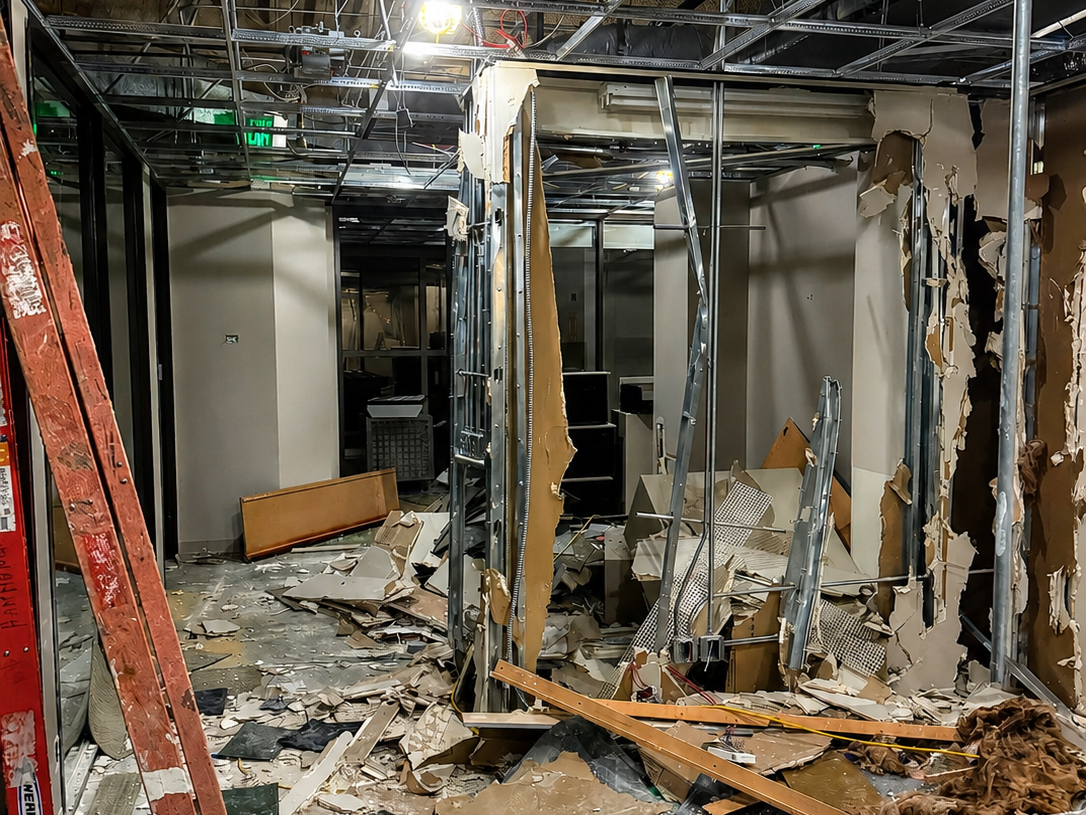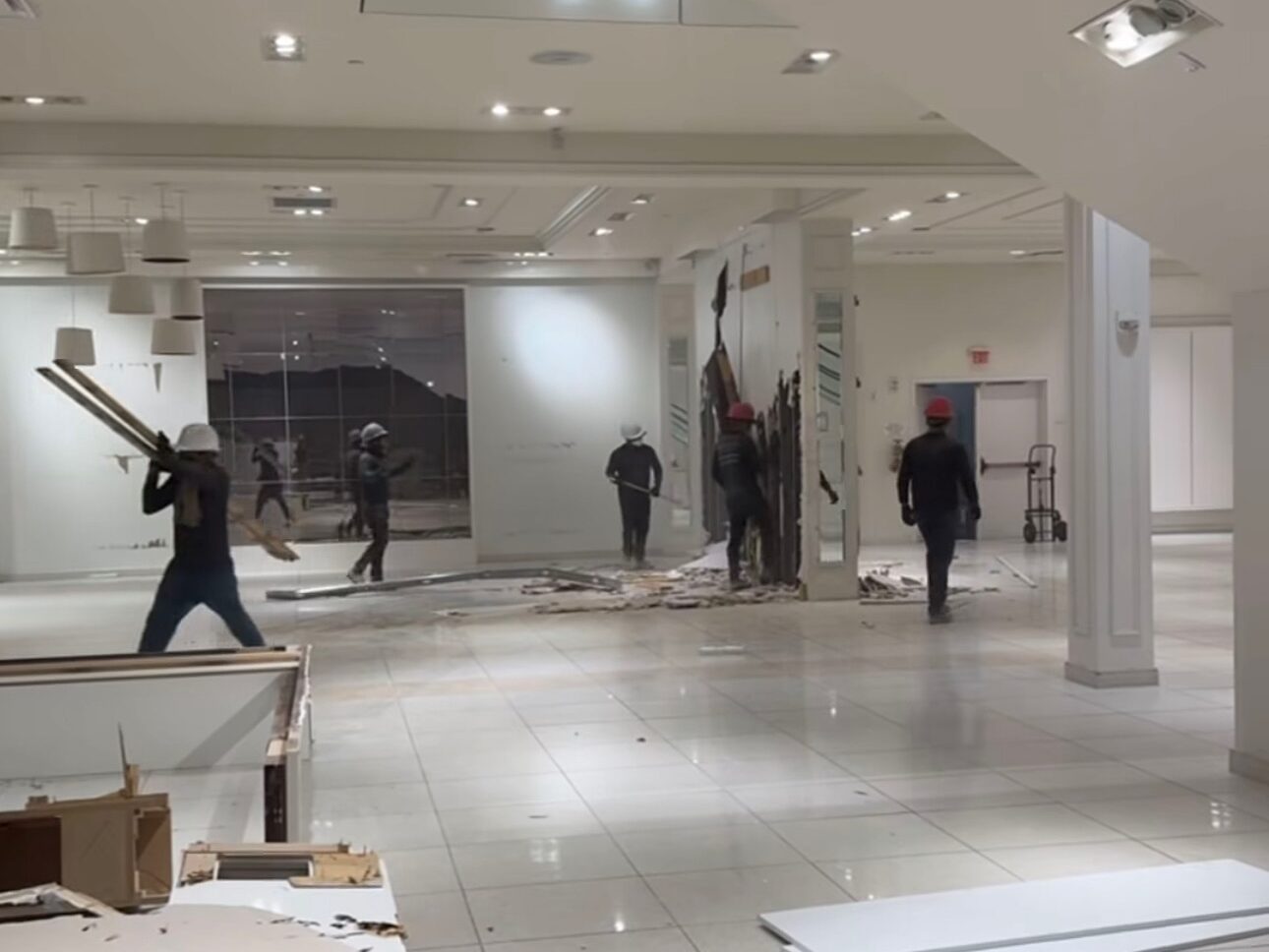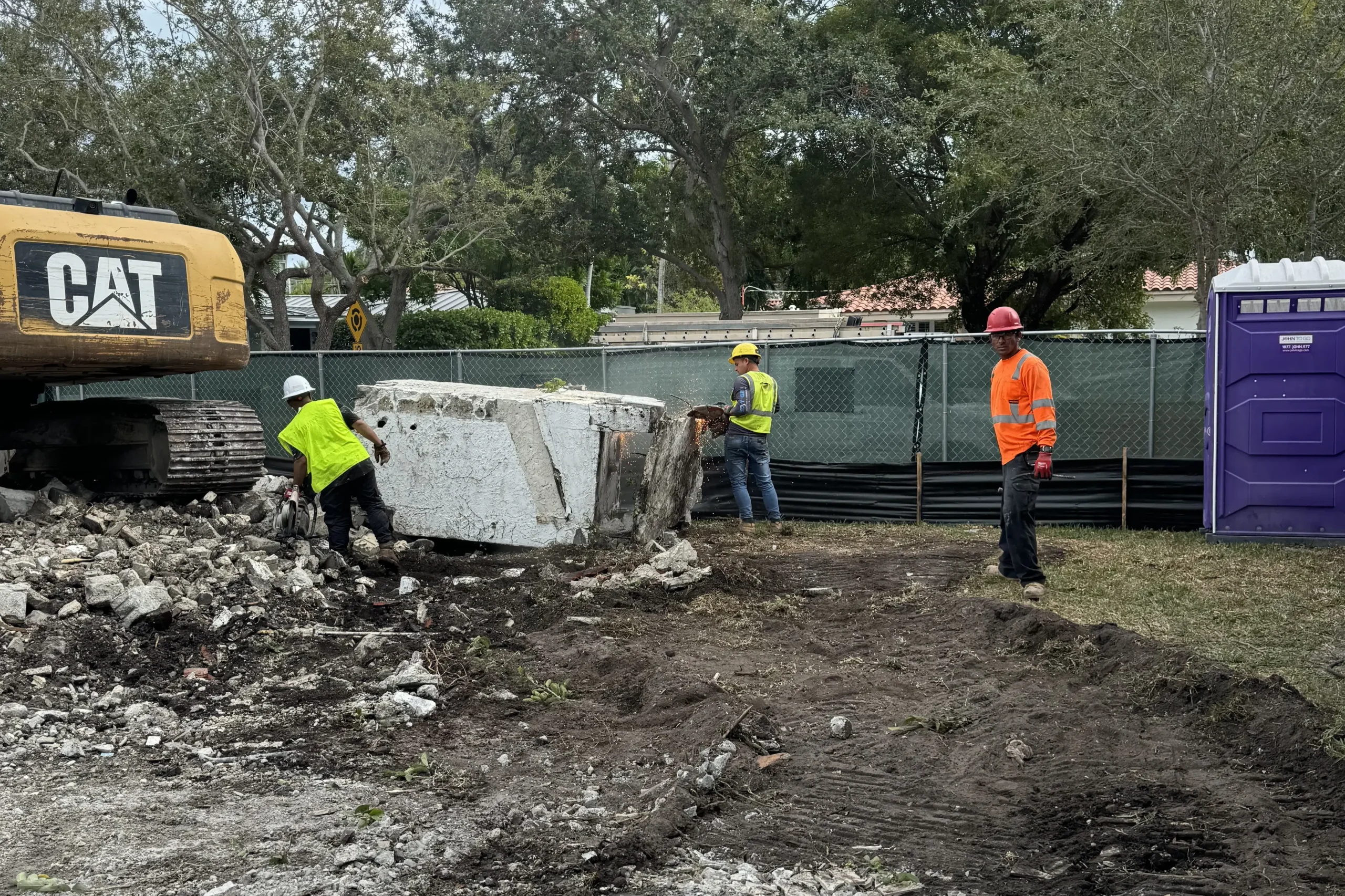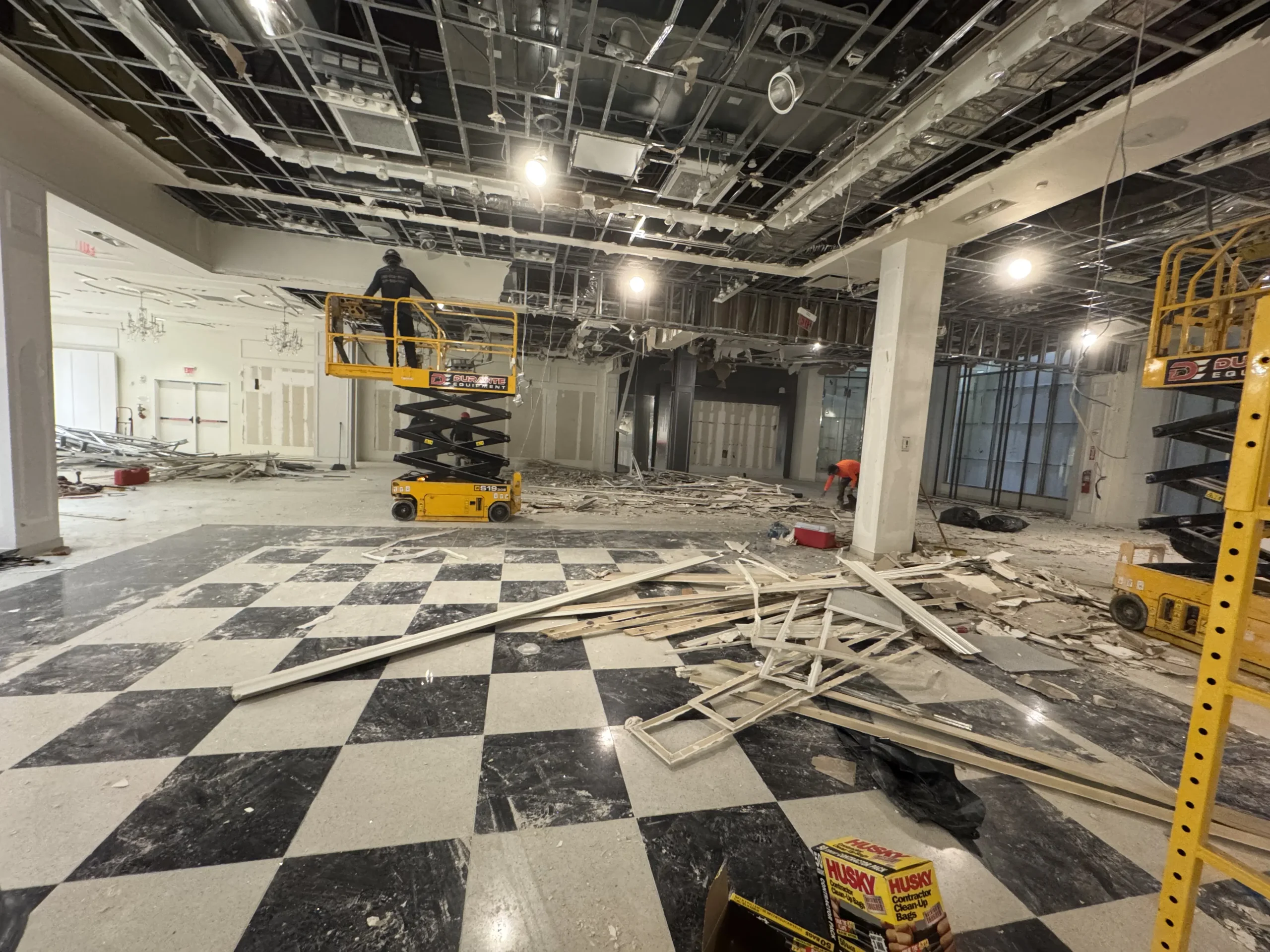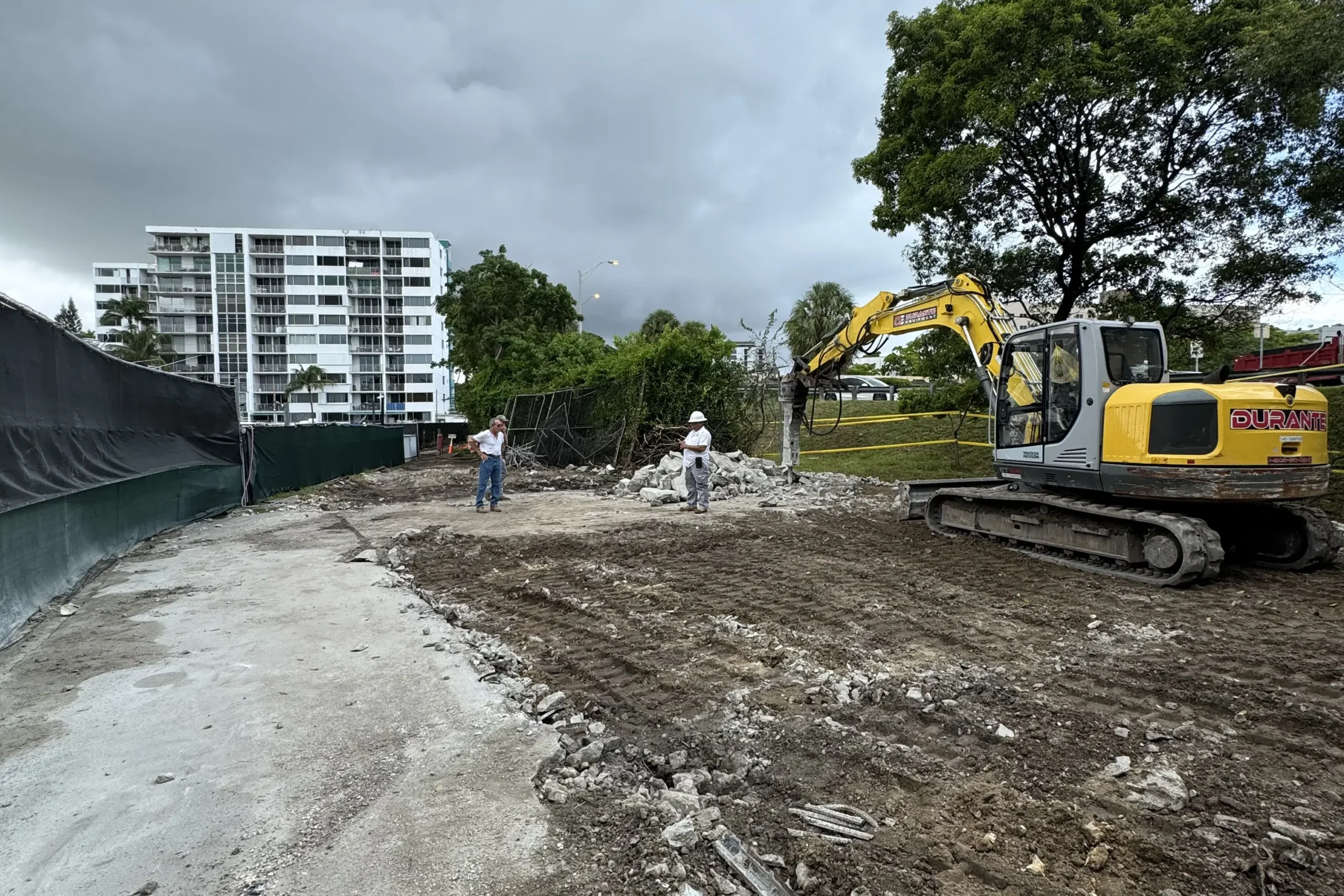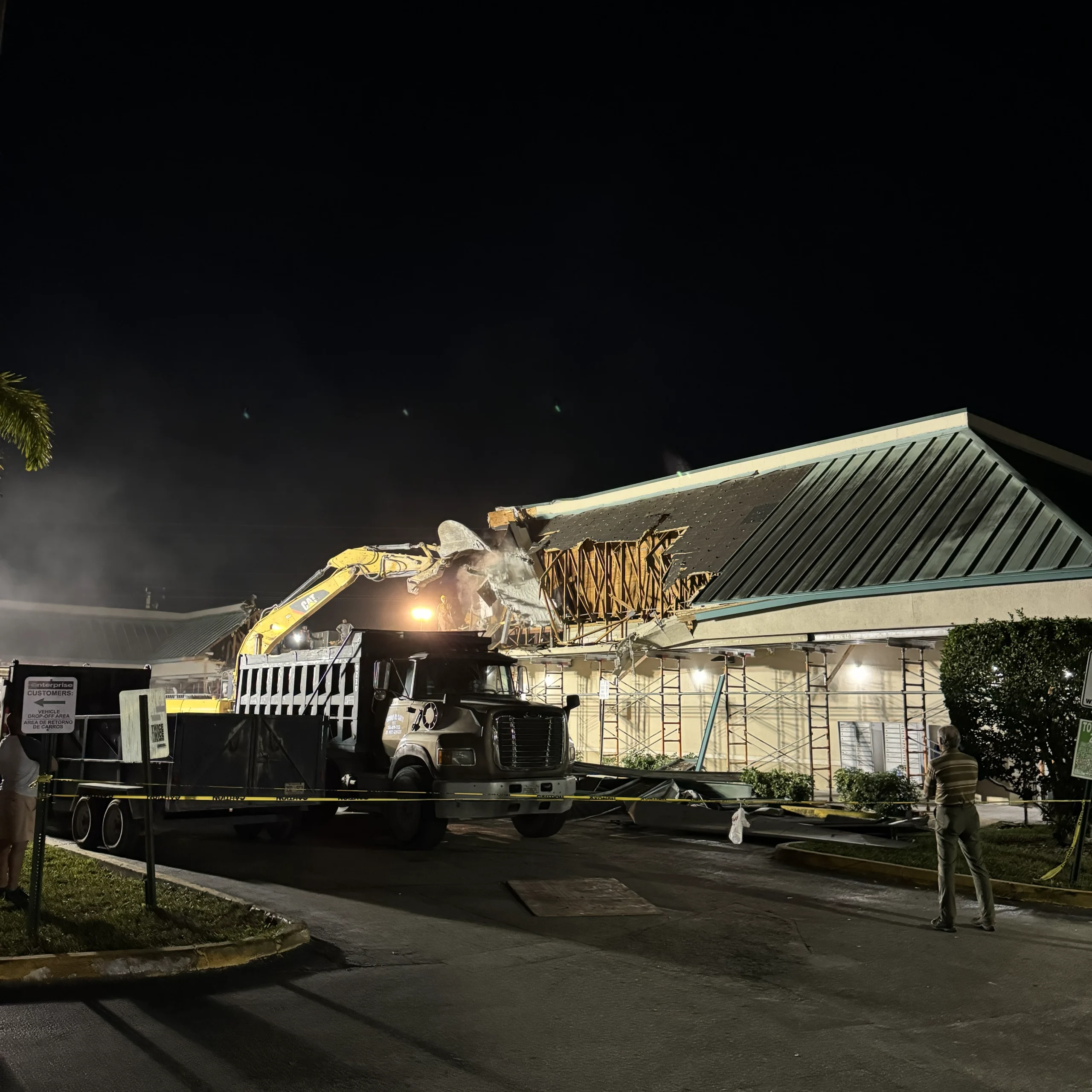
Commercial renovation projects don’t always take place in vacant buildings. Many businesses continue operating while construction is underway, making careful planning during the demolition phase essential. Office buildings, retail stores, shopping centers, healthcare facilities, hotels, airports, and government buildings often require demolition work to be completed while employees, customers, patients, or visitors remain on-site.
Unlike demolition in vacant structures, occupied building demolition requires an added level of coordination, communication, and safety to minimize disruptions while keeping the project on schedule.
Why Occupied Building Demolition Requires a Different Approach
Working inside an occupied building presents challenges that simply don’t exist on empty job sites. Demolition crews must complete their work safely while protecting people, neighboring tenants, and existing operations.
Successful occupied building demolition requires careful planning before work begins. Contractors must evaluate building access, work hours, noise restrictions, dust containment, debris removal routes, and how demolition activities may affect surrounding businesses or occupied spaces.
Every project requires close coordination between the demolition contractor, general contractor, property management team, and other trades to ensure everyone remains aligned throughout the renovation.
Safety Is Always the Top Priority
Safety becomes even more important when demolition takes place in occupied environments.
Professional commercial demolition contractors establish designated work areas using temporary barriers, safety signage, and controlled access points to separate demolition activities from occupied portions of the building.
Crews also perform daily safety inspections, maintain organized work areas, and follow OSHA regulations throughout the project. These measures help reduce risk while allowing nearby businesses or occupants to continue their normal operations whenever possible.
Controlling Dust and Debris
One of the biggest concerns during occupied building demolition is controlling dust.
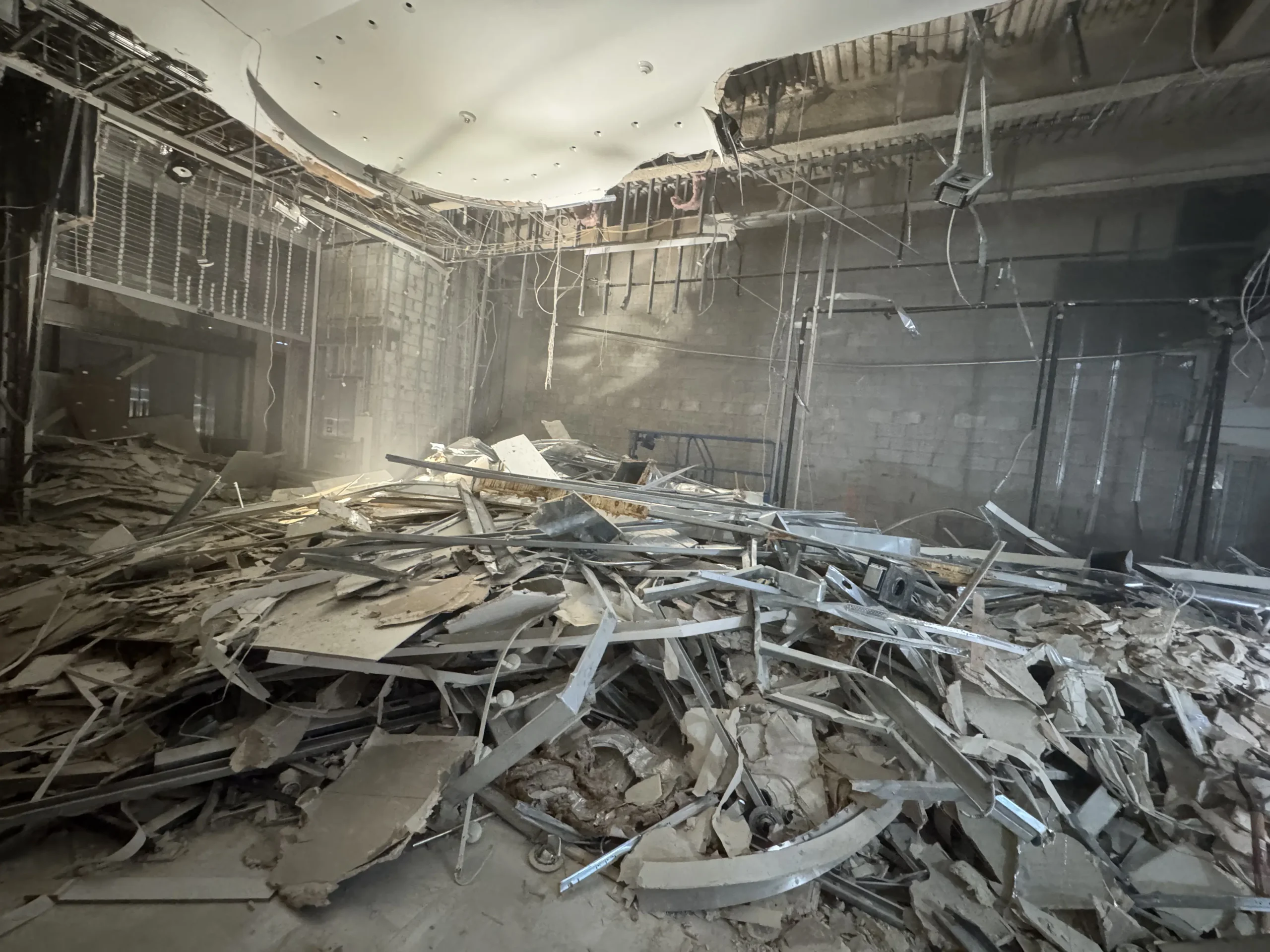
Professional demolition contractors use a variety of methods to help contain airborne dust and prevent it from spreading throughout the building. Depending on the project, this may include dust containment barriers, plastic protection, negative air machines, HEPA filtration systems, and frequent site cleaning.
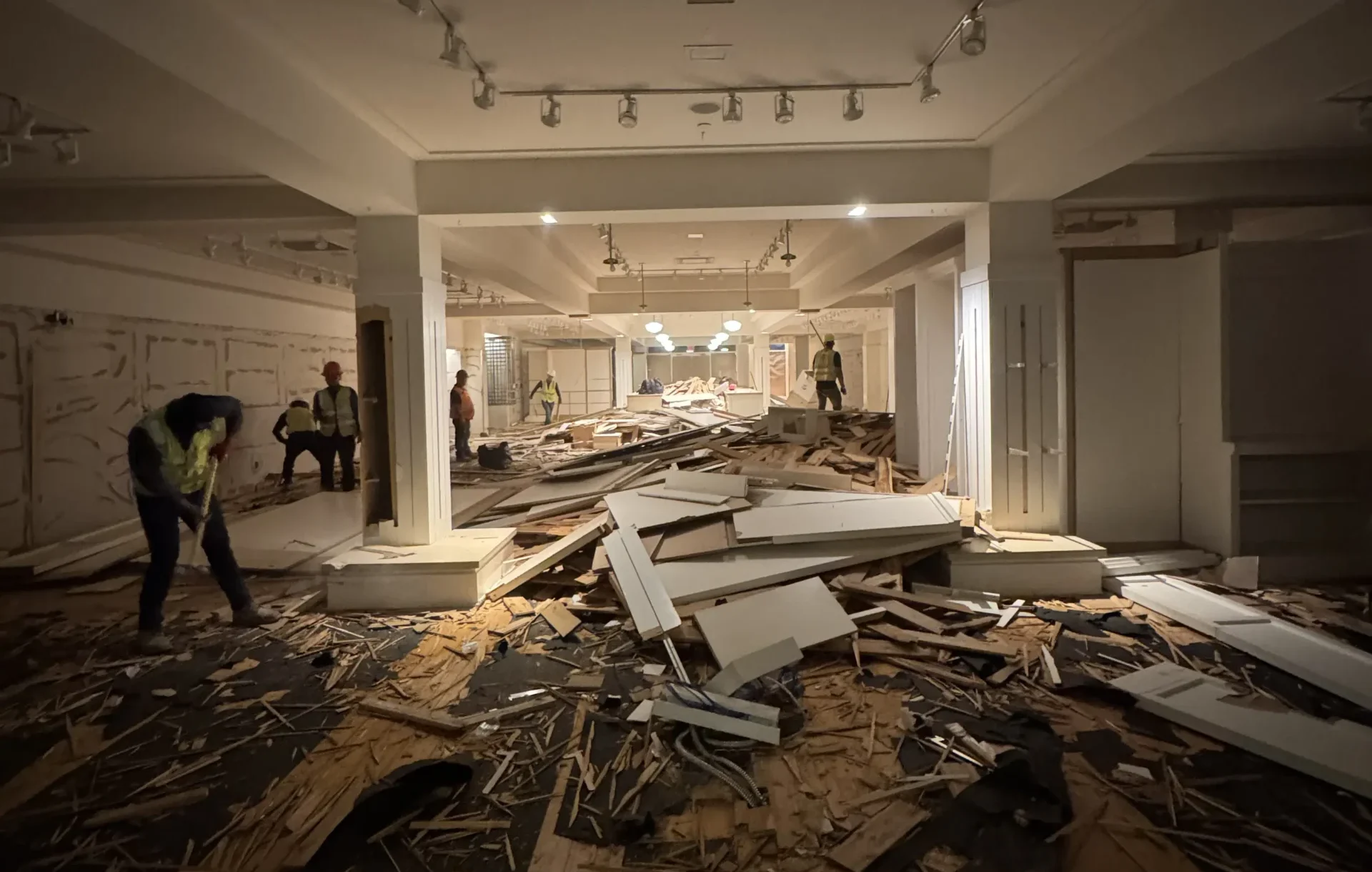
Proper debris management is equally important. Materials are removed regularly to keep work areas clean and minimize disruptions to surrounding tenants and construction crews.
Minimizing Noise and Disruptions
Demolition naturally creates noise, but experienced contractors work with project teams to reduce its impact.
Many occupied building projects are scheduled during evenings, weekends, or off-hours to limit disruptions to daily business operations. Work may also be divided into phases, allowing portions of the building to remain fully operational while demolition progresses in designated areas.
Clear communication between all project stakeholders helps ensure everyone understands the schedule and any temporary impacts before work begins.
Coordination Keeps the Project Moving
Occupied building renovations involve multiple contractors working simultaneously. Demolition crews often work alongside electricians, plumbers, HVAC contractors, drywall installers, and other trades.
Maintaining an organized schedule allows each phase to move efficiently while preventing unnecessary delays. Regular communication with the general contractor helps address unforeseen conditions quickly and keeps the overall project on track.
Experience Makes a Difference
Not every demolition contractor has experience working in occupied commercial environments. These projects require careful planning, attention to detail, and the ability to adapt as conditions change throughout construction.
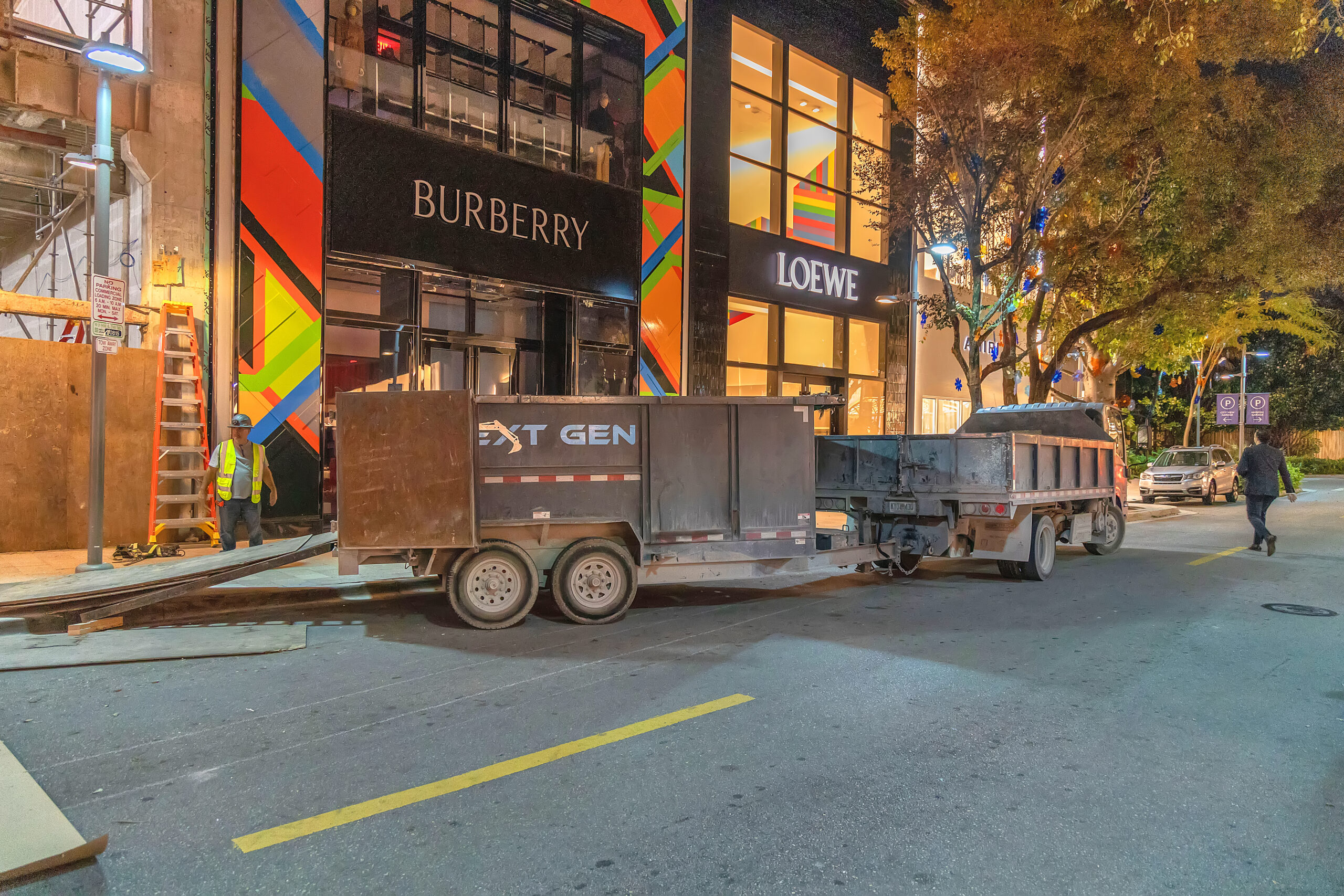
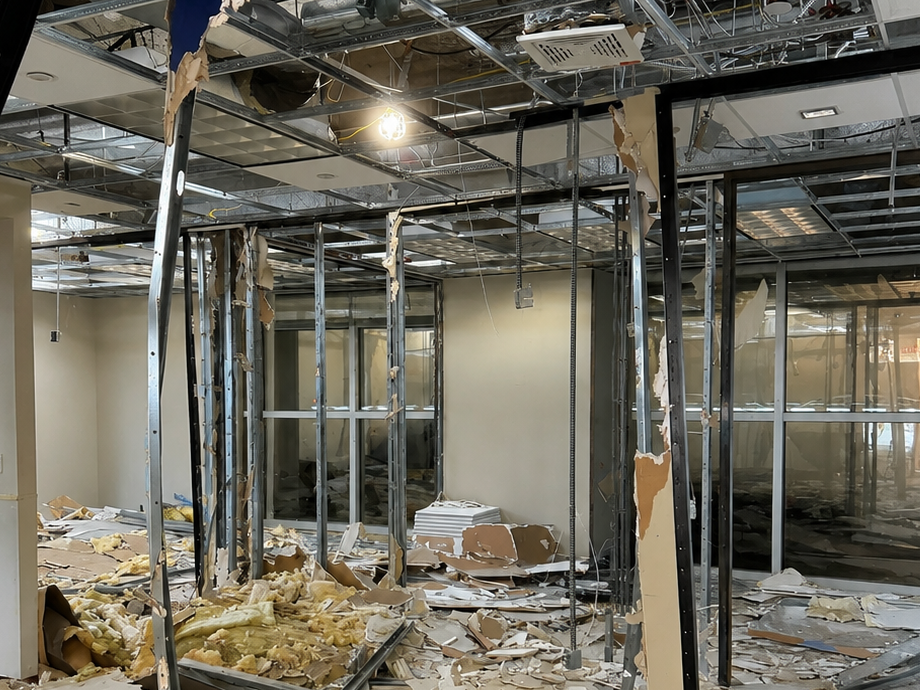
At Next Gen Construction & Demolition, we regularly perform selective demolition for occupied commercial buildings throughout South Florida, including offices, healthcare facilities, retail centers, restaurants, government buildings, shopping malls, and other active environments. Our team focuses on completing demolition safely, efficiently, and with minimal disruption to ongoing operations.
Whether the project involves a tenant improvement, interior renovation, or large-scale redevelopment, proper planning and coordination help create a safer job site while allowing the next phase of construction to begin on schedule.