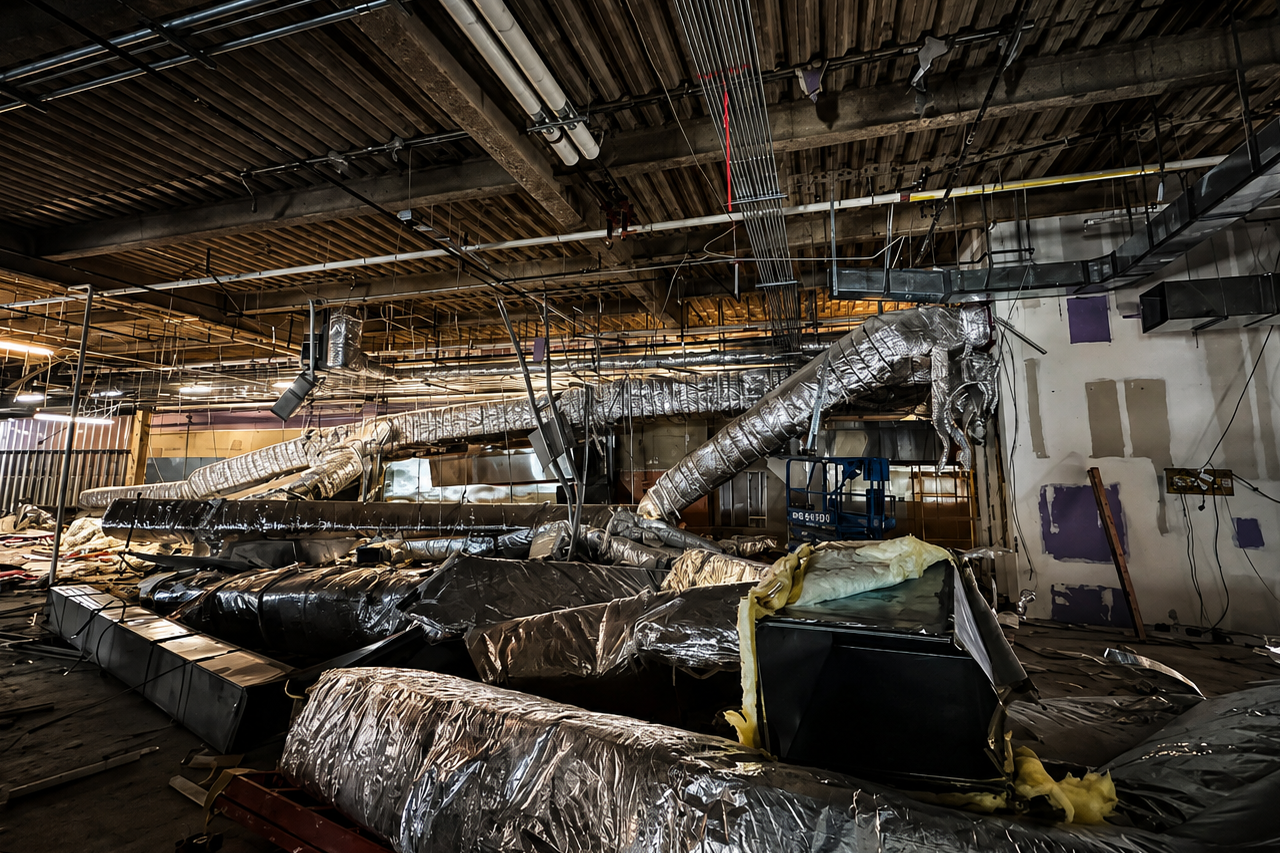
Florida’s commercial landscape includes buildings that have served businesses and communities for decades. Across Miami-Dade, Broward, Palm Beach, and other parts of the state, older shopping centers, office buildings, restaurants, hotels, medical facilities, and mixed-use properties are continuously being renovated to accommodate new tenants and modern uses.
Before those renovations can begin, however, existing spaces often need to be carefully stripped back and prepared for new construction. That is where selective demolition becomes an important part of the renovation process.
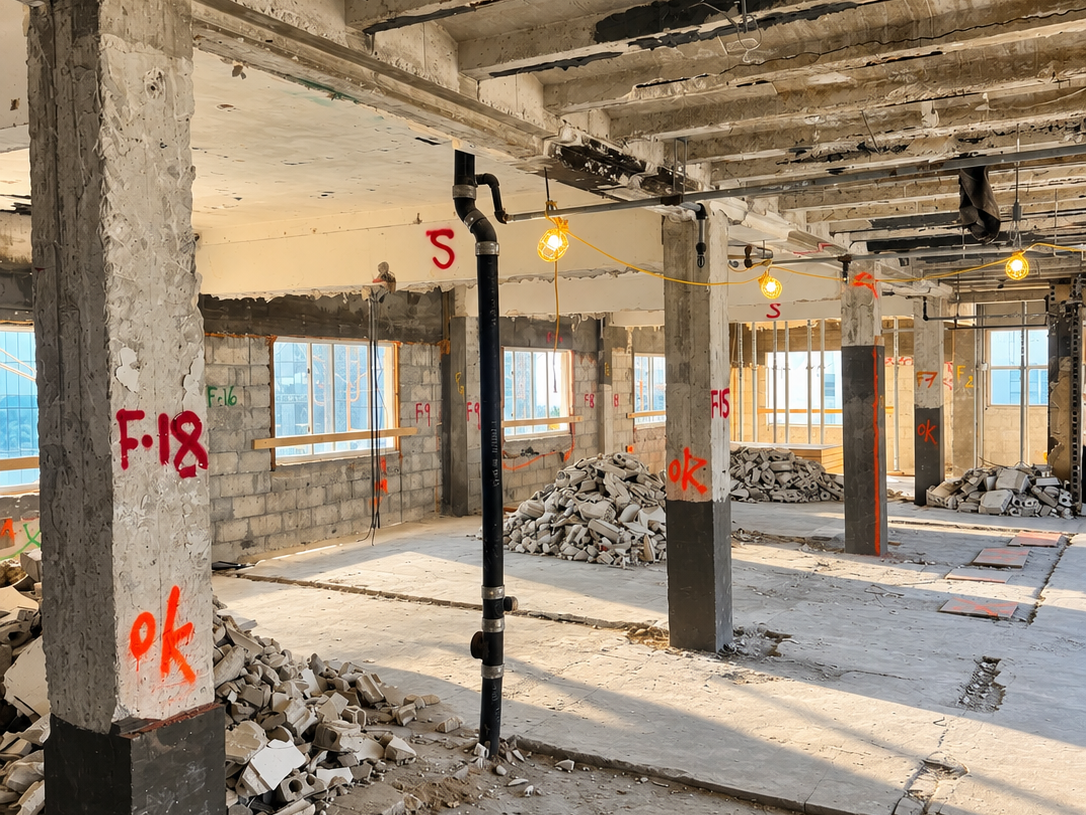
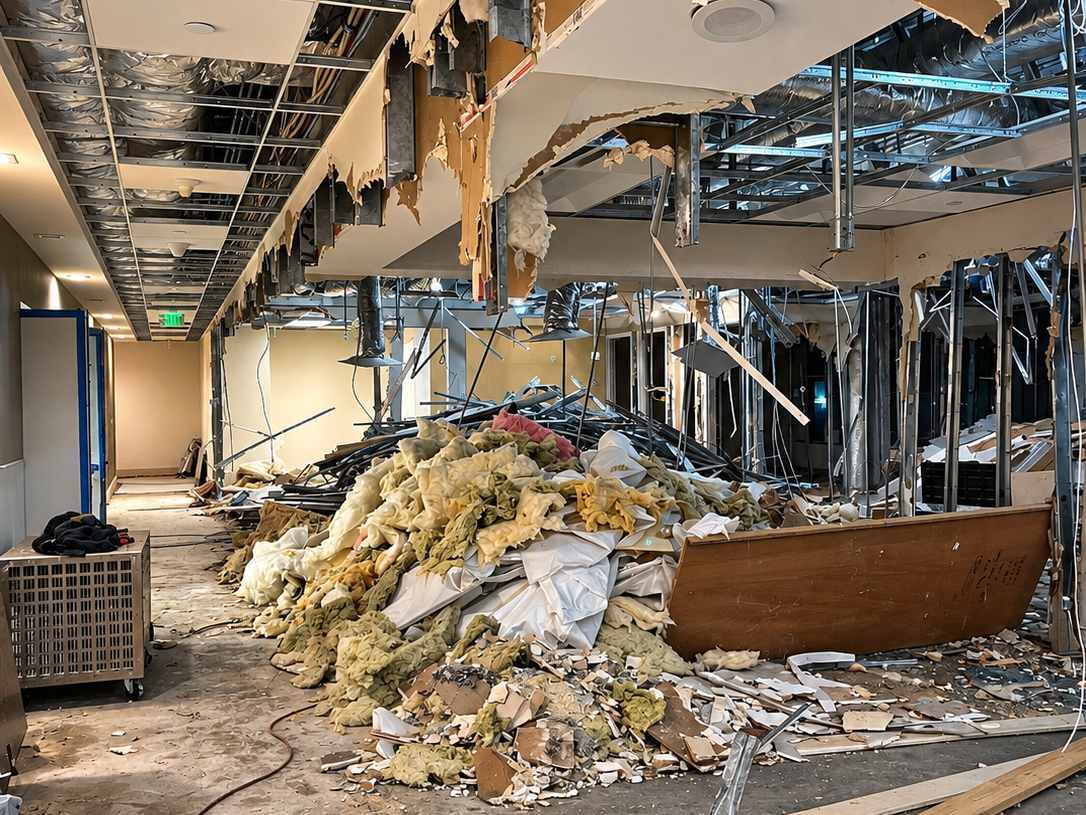
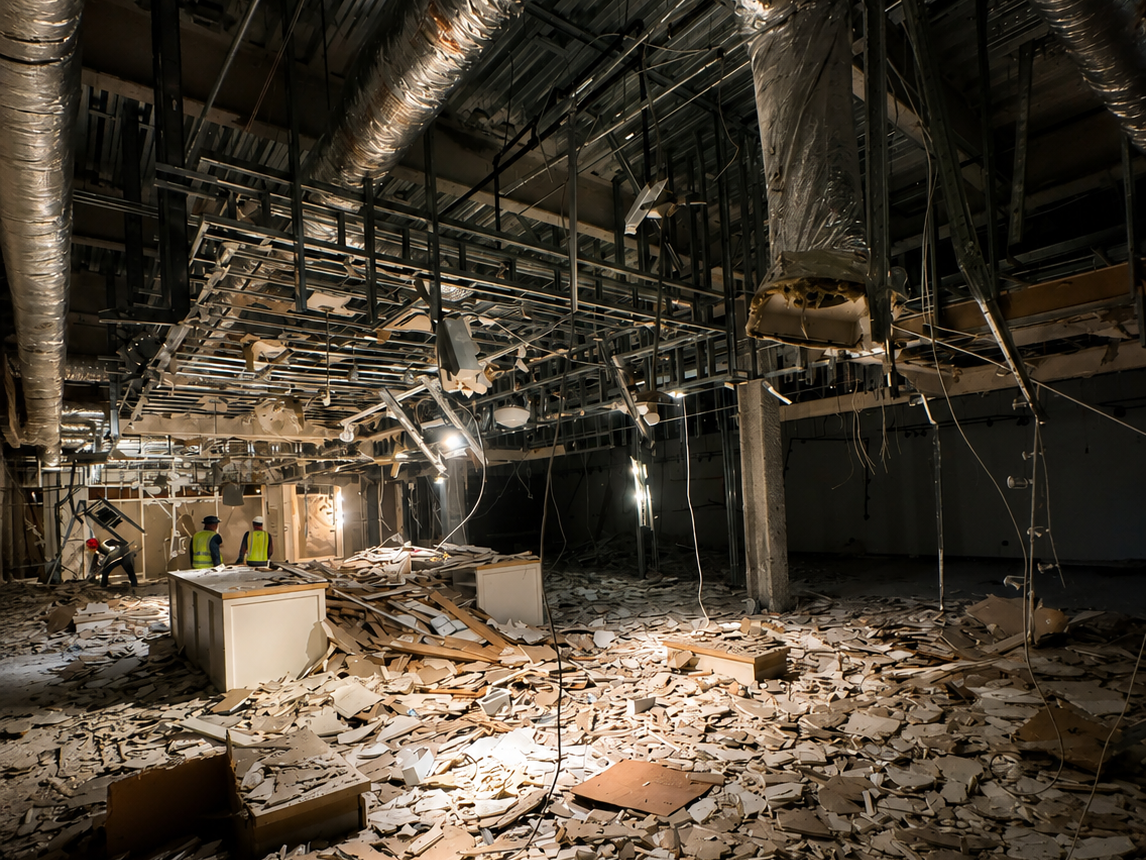
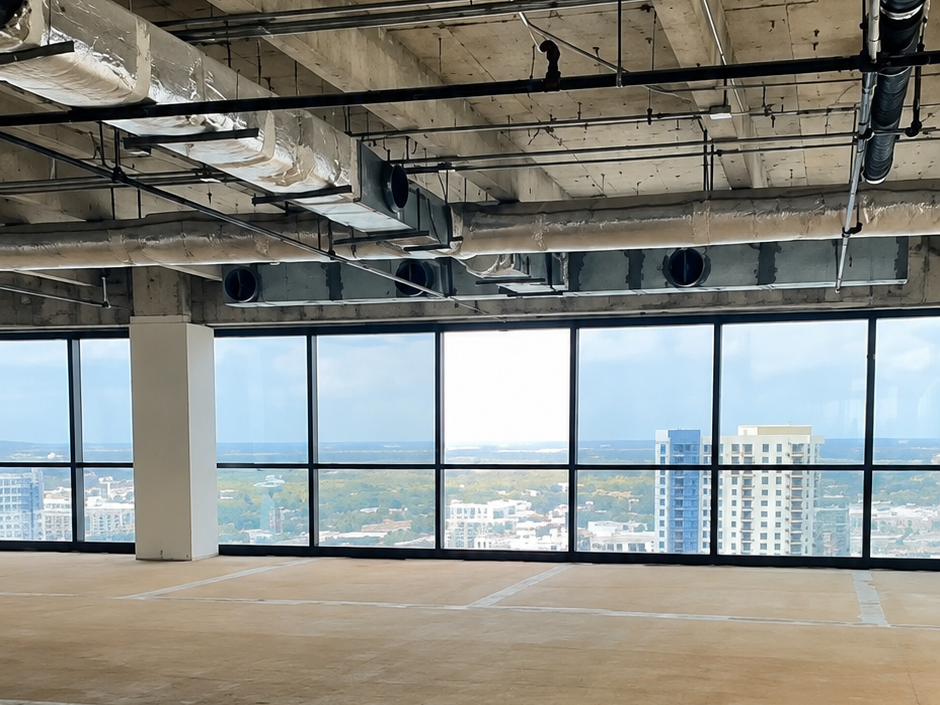
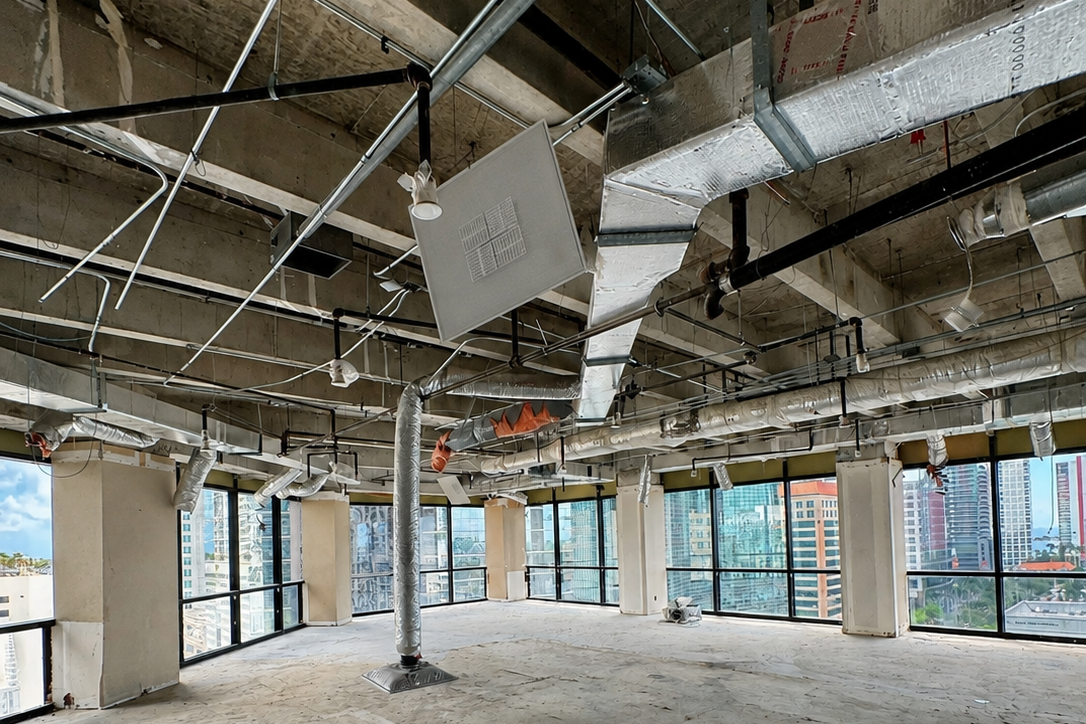
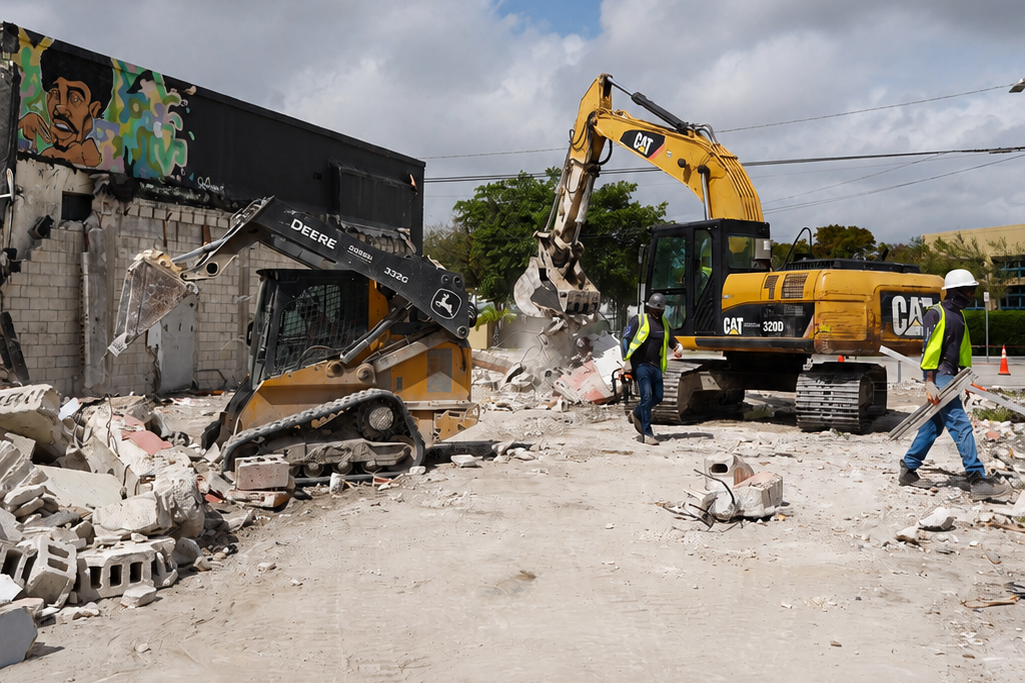
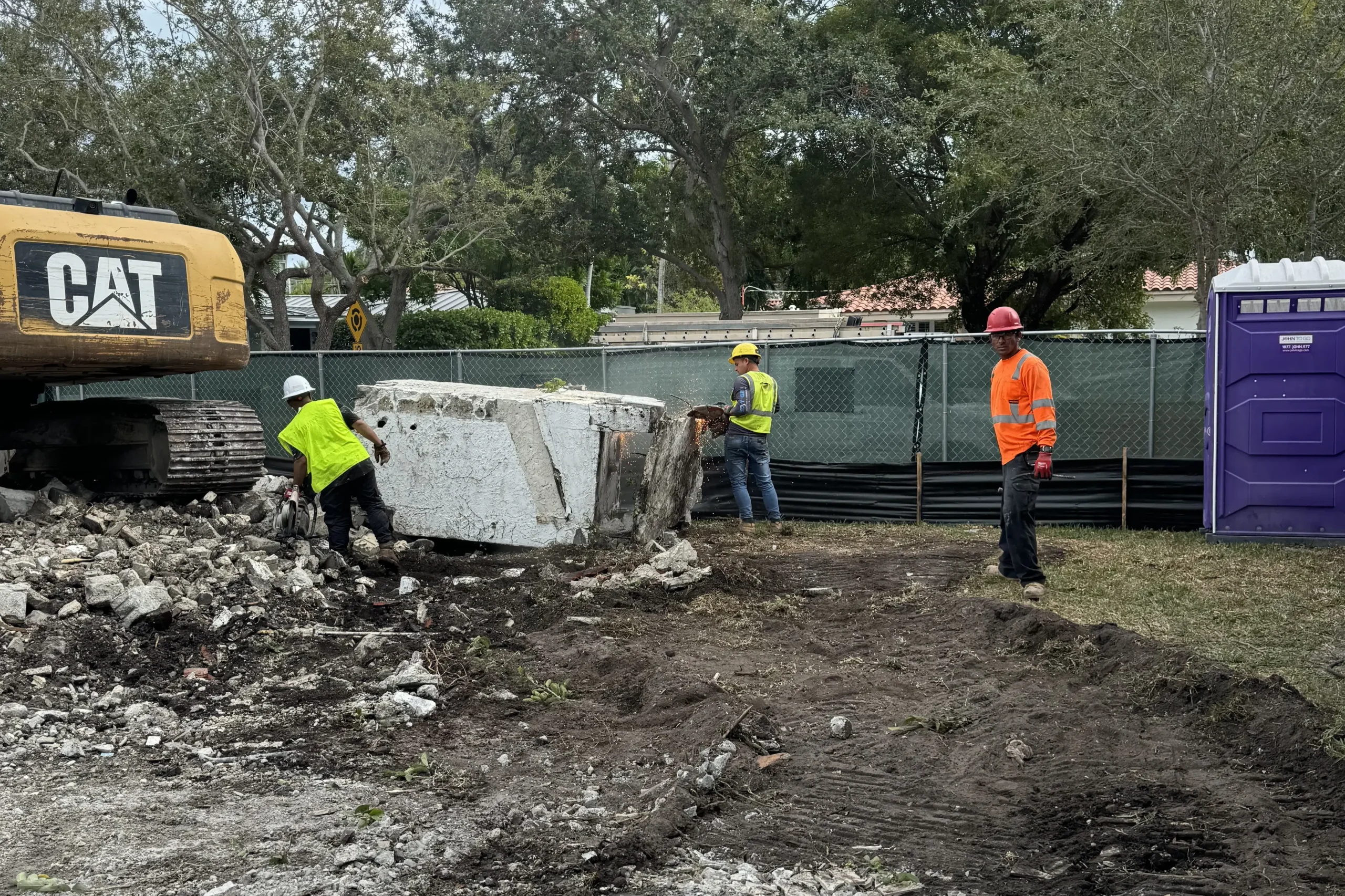
Unlike complete demolition, selective demolition removes specific building components while allowing designated areas and structural elements to remain. For older Florida commercial properties, this approach can help project teams uncover existing conditions, remove outdated materials and finishes, and create a clean starting point for the next phase of construction.
Older Commercial Properties Often Have Layers of Previous Renovations
One of the challenges of renovating an older commercial building is that what appears on the surface may not represent the building’s original construction.
Over the years, commercial spaces may undergo multiple tenant buildouts and renovations. Walls may have been relocated, ceilings replaced, flooring installed over previous materials, and mechanical, electrical, or plumbing systems modified as the property changed uses.
As selective demolition progresses, contractors may encounter previous construction that is not immediately apparent during the planning stages.
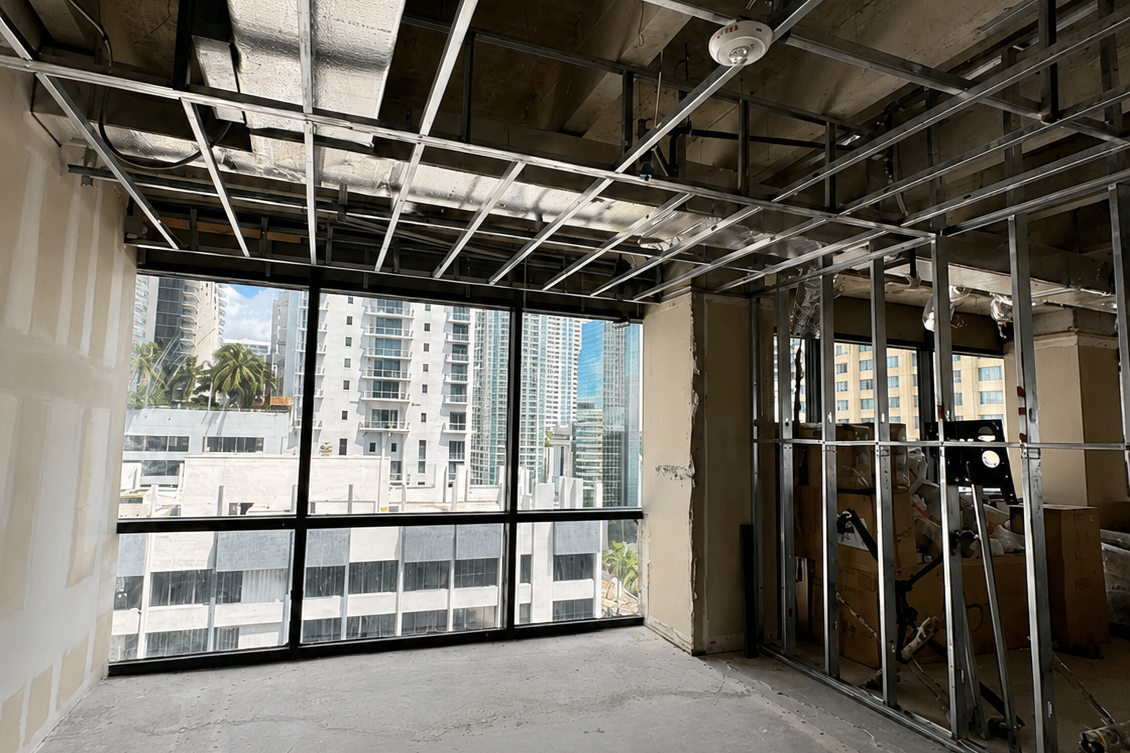
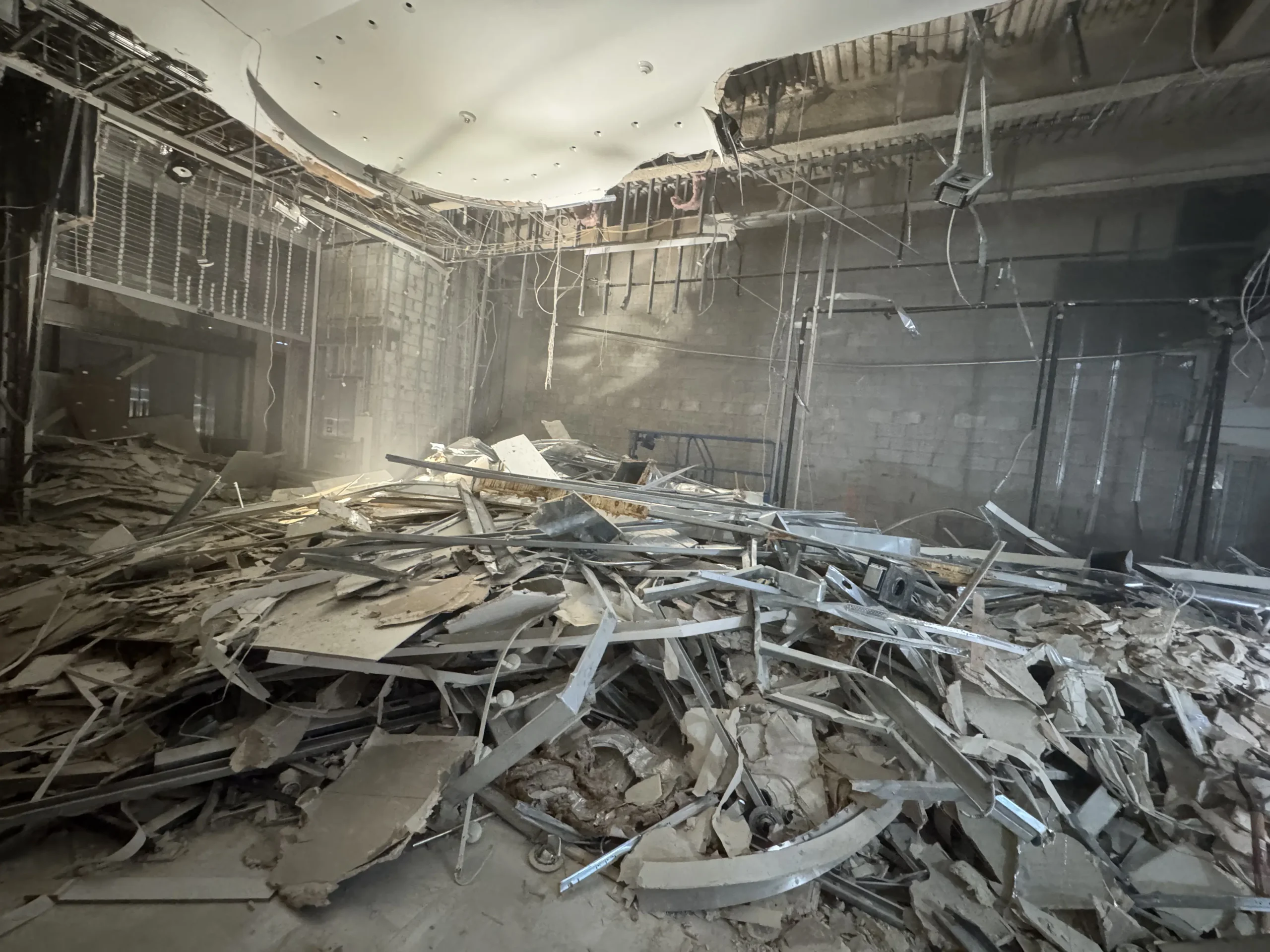
Carefully removing designated finishes, partitions, ceilings, flooring, millwork, and other components allows the project team to better understand existing conditions before new construction moves forward.
Outdated Layouts May No Longer Work for Modern Businesses
Commercial spaces built decades ago were designed around the needs and standards of their time.
Today, businesses often require completely different layouts. An older office may need to transition from individual rooms to a more open configuration. A former retail store may become a restaurant or medical office. An aging shopping center may need individual suites reconfigured for new tenants.
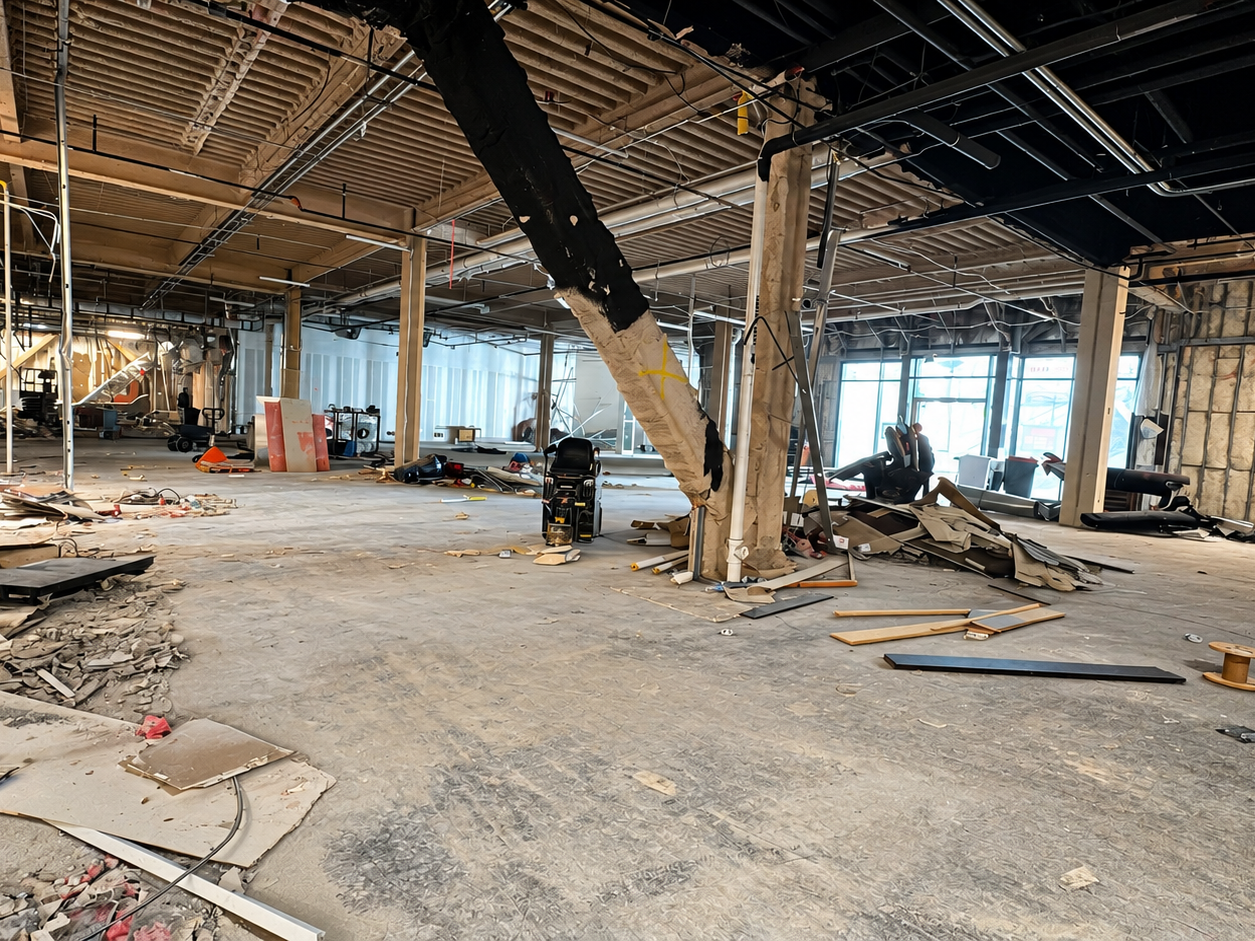
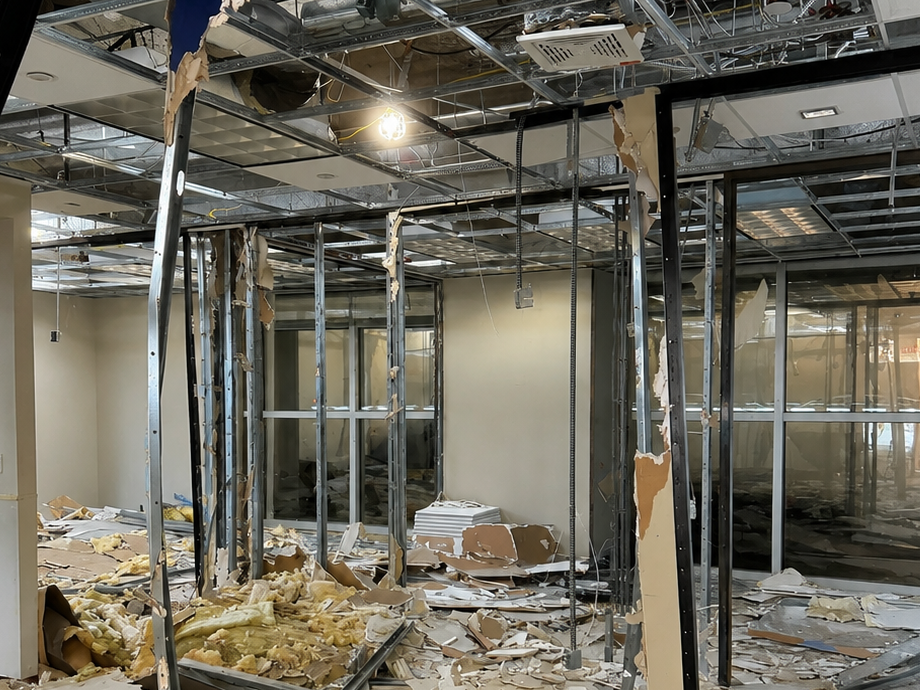
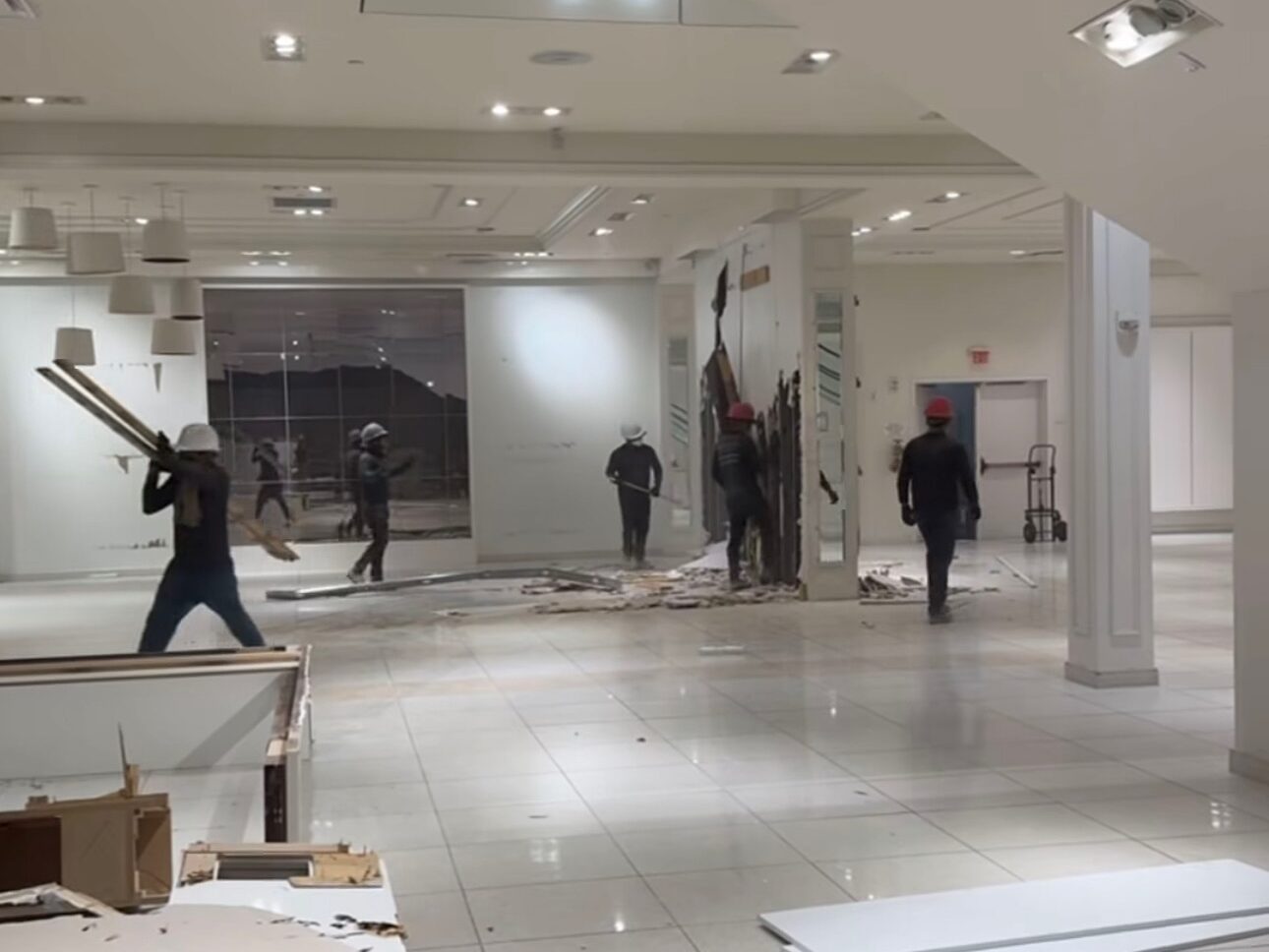
Selective interior demolition allows contractors to remove the portions of an existing space that no longer serve the new design while preserving elements intended to remain.
This can include the removal of:
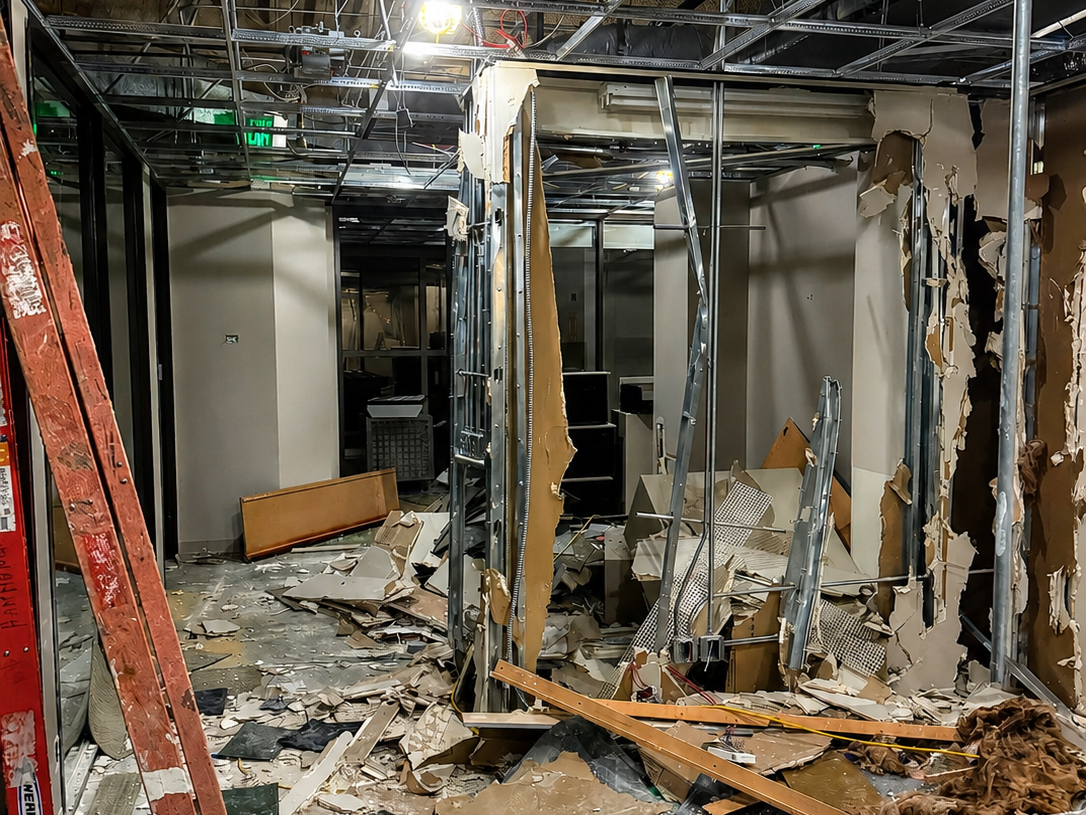
- Non-structural interior partitions
- Flooring and floor finishes
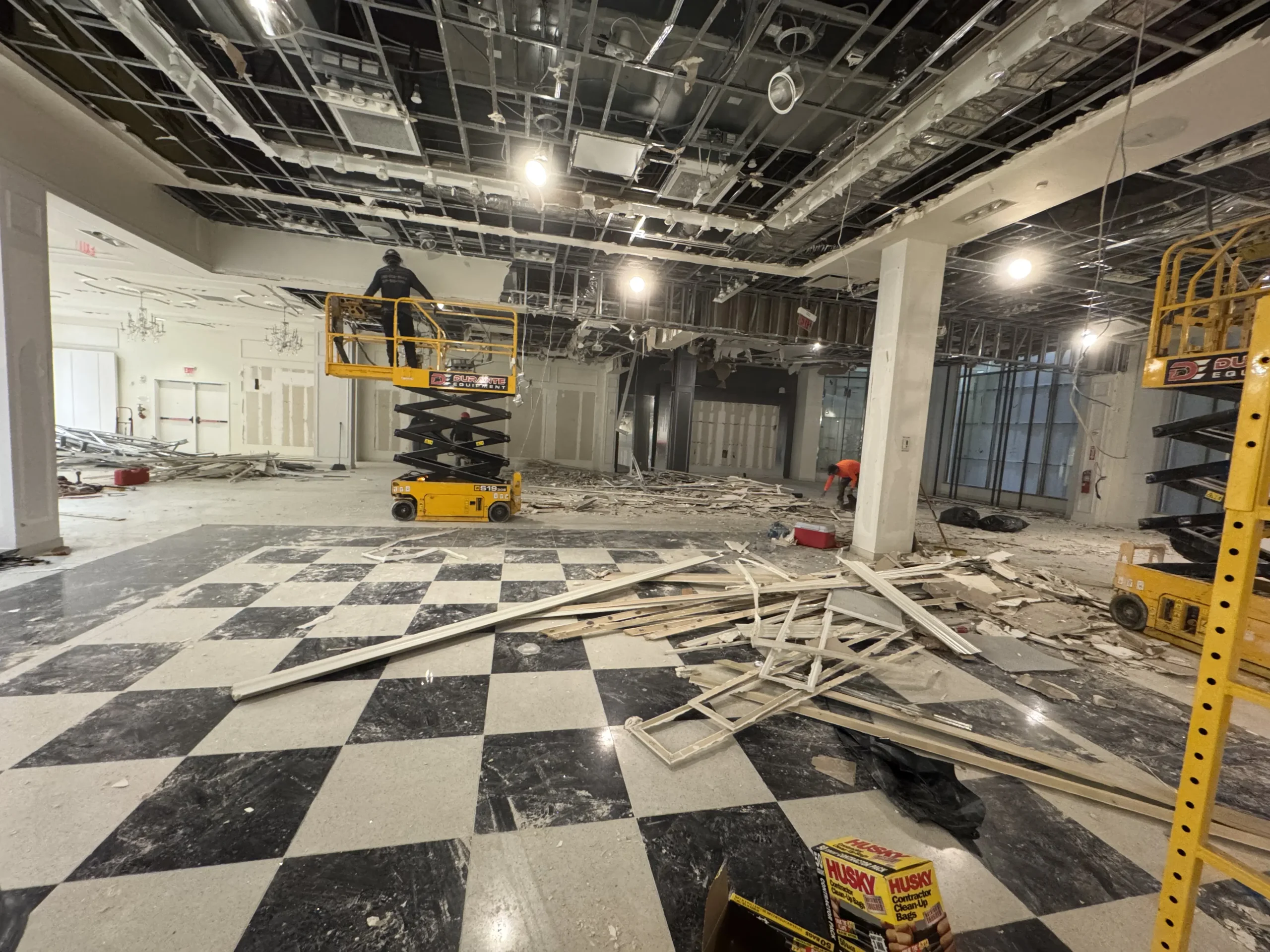
- Suspended ceilings
- Doors and frames
- Millwork and cabinetry
- Restroom finishes and fixtures
- Selected mechanical, electrical, and plumbing components as specified
- Existing equipment and accessories
The exact demolition scope depends on the project plans, existing conditions, and requirements of the renovation.
Florida’s Climate Can Affect Older Buildings
Florida’s heat, humidity, heavy rainfall, and coastal conditions can also affect commercial properties over time.
Older buildings may have experienced moisture intrusion, deterioration, corrosion, or other conditions that are not fully visible until finishes and interior components are removed. This does not mean every older Florida building will have these problems, but it makes careful evaluation of existing conditions particularly important during renovation projects.
Selective demolition can provide access to areas that were previously concealed behind walls, ceilings, flooring, and other finishes, allowing the appropriate project professionals to evaluate conditions before reconstruction continues.
Selective Demolition Helps Reveal Existing Conditions
Construction drawings are essential for planning a renovation, but older buildings do not always match the information available on paper.
Previous renovations may not have been fully documented, and field conditions can differ from what project teams expect before demolition begins.
During selective demolition, previously concealed conditions may become visible. When unexpected conditions are encountered, communication between the demolition contractor, general contractor, and other project professionals becomes especially important.
Identifying these conditions early in the renovation process can help the project team determine the appropriate next steps before subsequent trades begin their work.
Preserving What Needs to Remain Is Just as Important as Removal
Selective demolition is not simply about removing material. It also requires understanding what must remain.
Renovation plans frequently identify existing walls, structural components, utilities, storefronts, doors, finishes, equipment, or neighboring spaces that must be protected during demolition.
This requires a more controlled approach than complete building demolition.
An experienced commercial demolition contractor reviews the demolition plans carefully, coordinates with the general contractor, and performs the work according to the defined scope. Proper protection and planning help reduce unnecessary damage to portions of the property that will remain part of the finished project.
Selective Demolition Can Prepare a Space for New Tenants
Tenant turnover is common throughout Florida’s commercial real estate market.
Retail stores, restaurants, offices, medical practices, and other businesses regularly move into spaces previously occupied by completely different tenants. Before a new buildout can begin, portions of the previous tenant’s improvements may need to be removed.
Selective demolition can help transform an existing commercial space into a suitable starting point for the new construction scope.
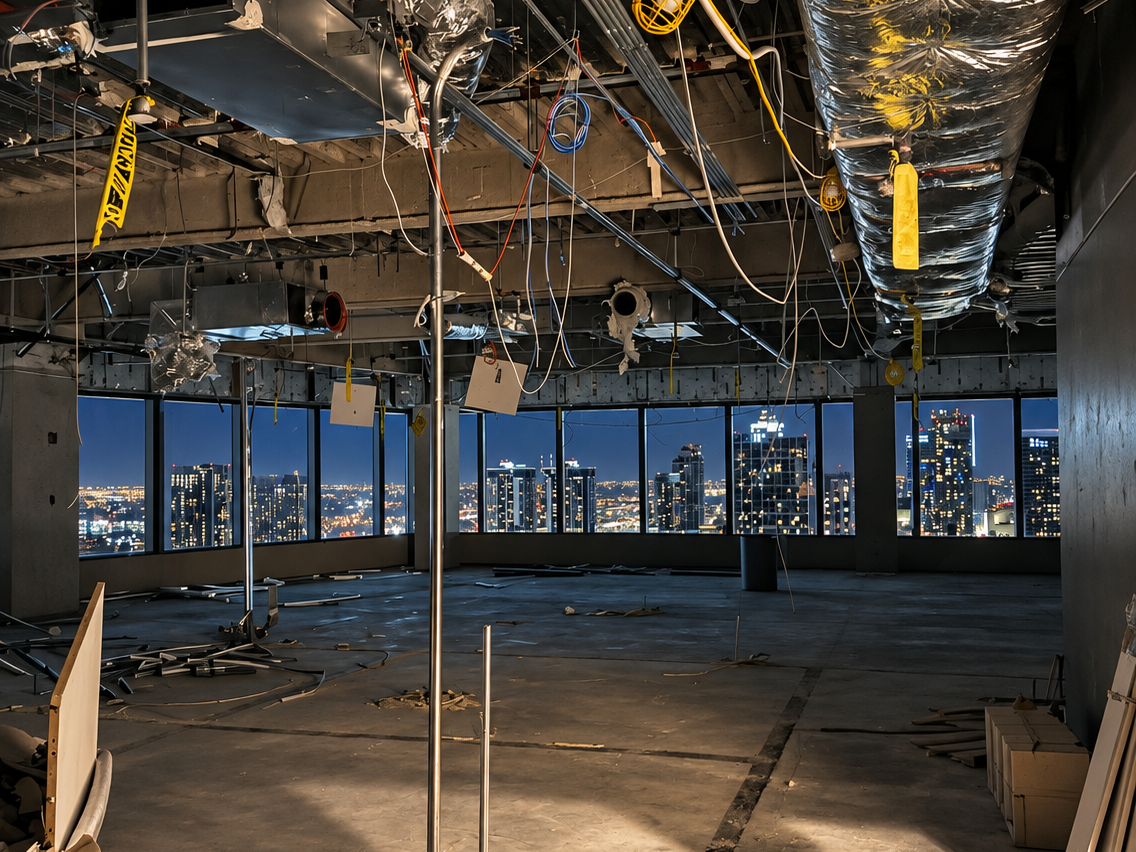
Depending on the project, this may involve removing interior walls, ceilings, flooring, fixtures, millwork, equipment, and other existing improvements while maintaining the building components designated to remain.
Site Walks Are Especially Valuable in Older Buildings
A site walk can be particularly useful when estimating demolition for an older commercial property.
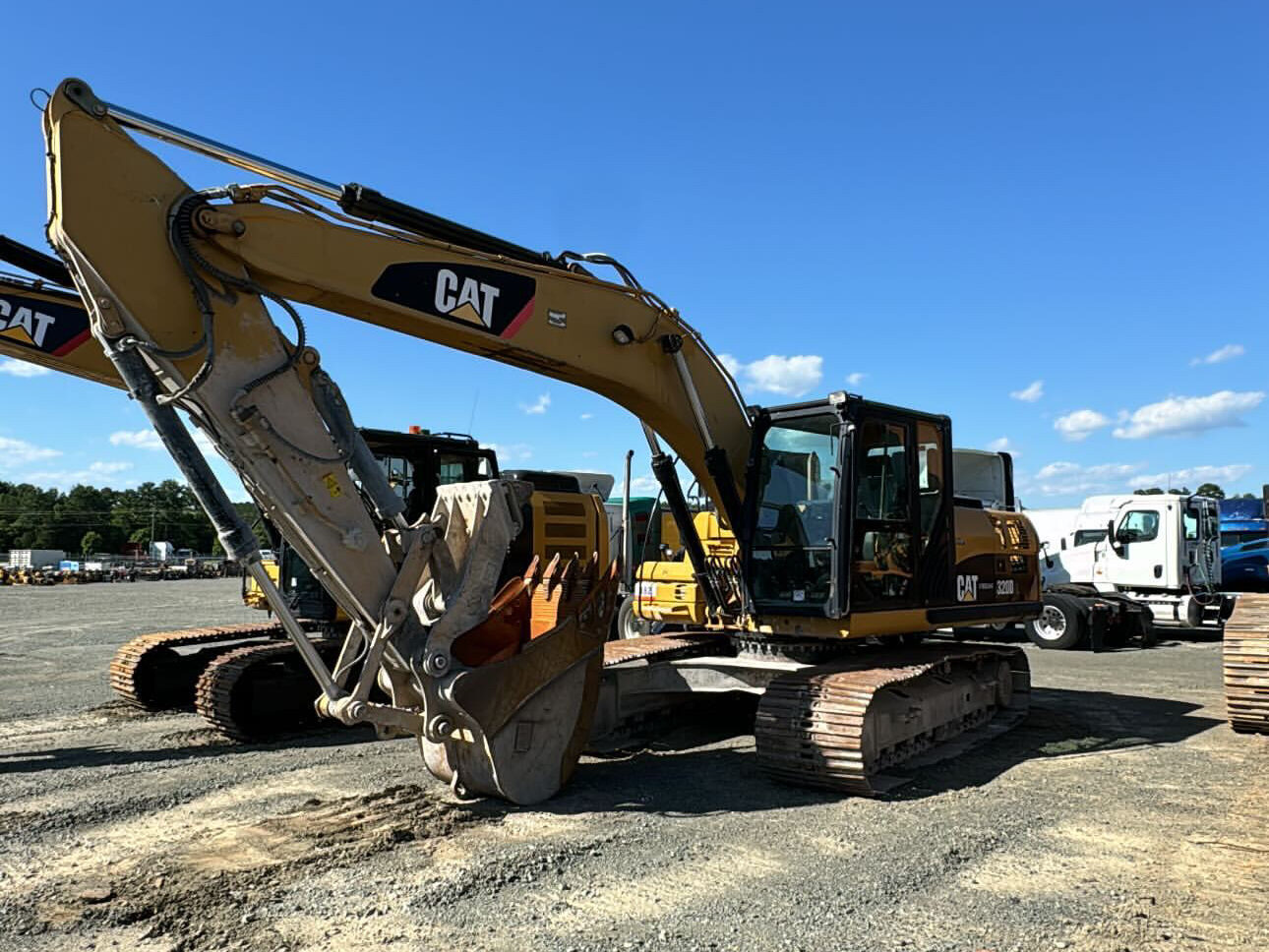
Plans provide the intended demolition scope, but physically reviewing the property can help contractors evaluate access, existing materials, ceiling heights, debris removal routes, occupied adjacent spaces, equipment requirements, and other site-specific conditions.
For older buildings with multiple previous renovations, seeing the existing space firsthand can provide valuable context before demolition begins.
Coordination Helps Keep the Renovation Moving
Demolition is often one of the first active construction phases of a commercial renovation. The condition in which the demolition contractor leaves the space can affect the trades that follow.
Once designated materials are removed, framing, mechanical, electrical, plumbing, and other contractors may need access to the exposed areas to begin their portions of the renovation.
A properly coordinated demolition scope helps prepare the project for those next phases while minimizing unnecessary interruptions.
For older Florida commercial properties, where existing conditions can sometimes be less predictable, communication between the demolition team and the rest of the project team becomes even more important.
Commercial Selective Demolition in South Florida
As commercial properties throughout Miami-Dade, Broward, and Palm Beach Counties continue to age and evolve, renovation provides owners and developers with opportunities to modernize existing buildings for new businesses and uses.
Selective demolition plays an important role in that process by carefully removing outdated or unwanted components while preserving the portions of the property that will remain.
At Next Gen Construction & Demolition, our team provides commercial demolition and selective interior demolition services throughout South Florida. We work with general contractors, developers, property managers, and project teams to help prepare commercial spaces for renovation and redevelopment.
If you are planning a commercial renovation project in Miami, Broward, Palm Beach, or surrounding South Florida areas, contact Next Gen Construction & Demolition to discuss your demolition scope and upcoming project.