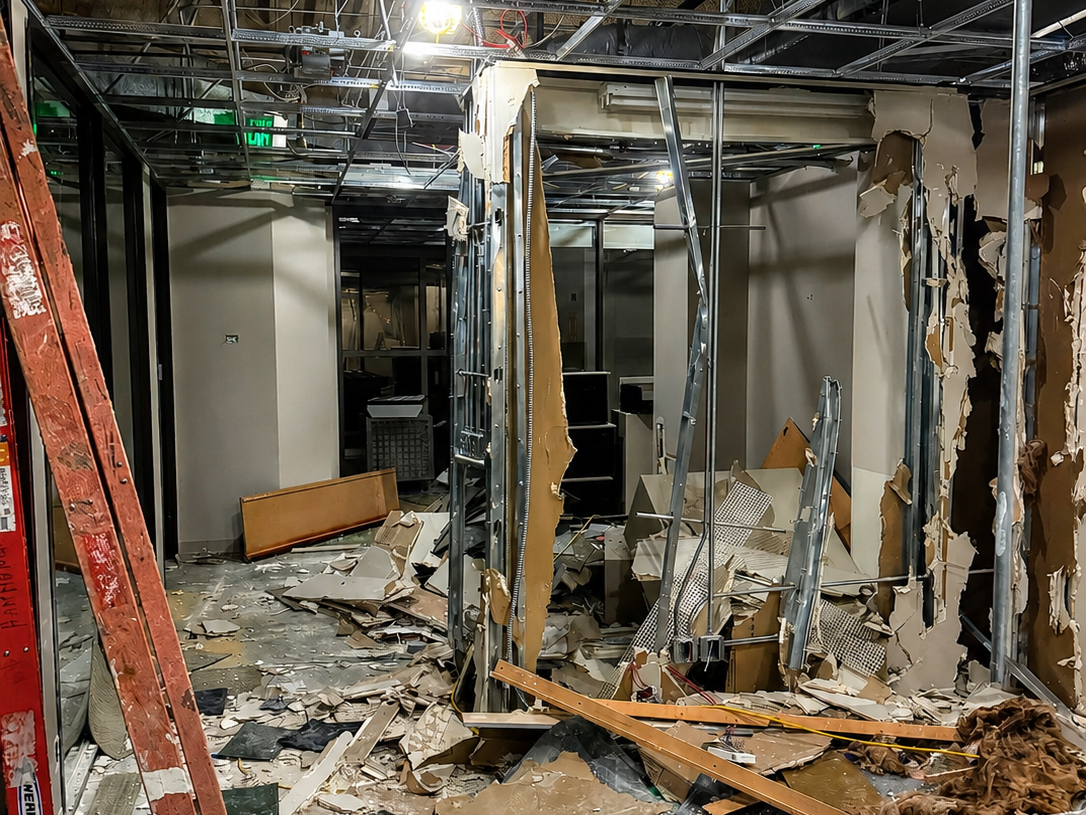
South Florida’s commercial construction market is constantly evolving. Across Miami-Dade, Broward, and Palm Beach Counties, office buildings, retail spaces, restaurants, healthcare facilities, hotels, and other commercial properties are regularly renovated to accommodate new tenants, updated layouts, and modern building requirements.
Before new construction can begin, however, many of these projects require an important first step: selective interior demolition.
Unlike complete demolition, selective interior demolition focuses on removing specific elements of an existing commercial space while preserving the portions of the building that will remain. For general contractors, developers, property managers, and business owners planning a commercial renovation in South Florida, a properly executed demolition phase can help prepare the space for the trades that follow and keep the overall renovation moving efficiently.
What Is Selective Interior Demolition?
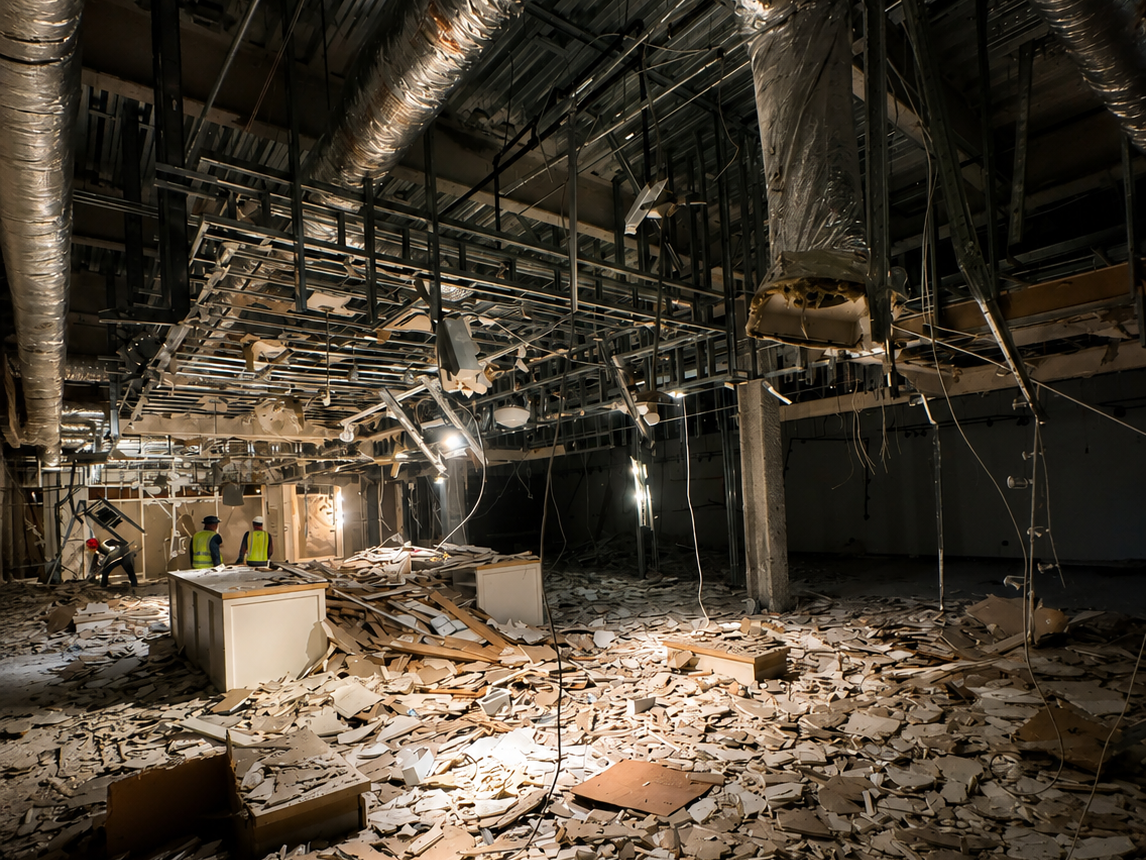
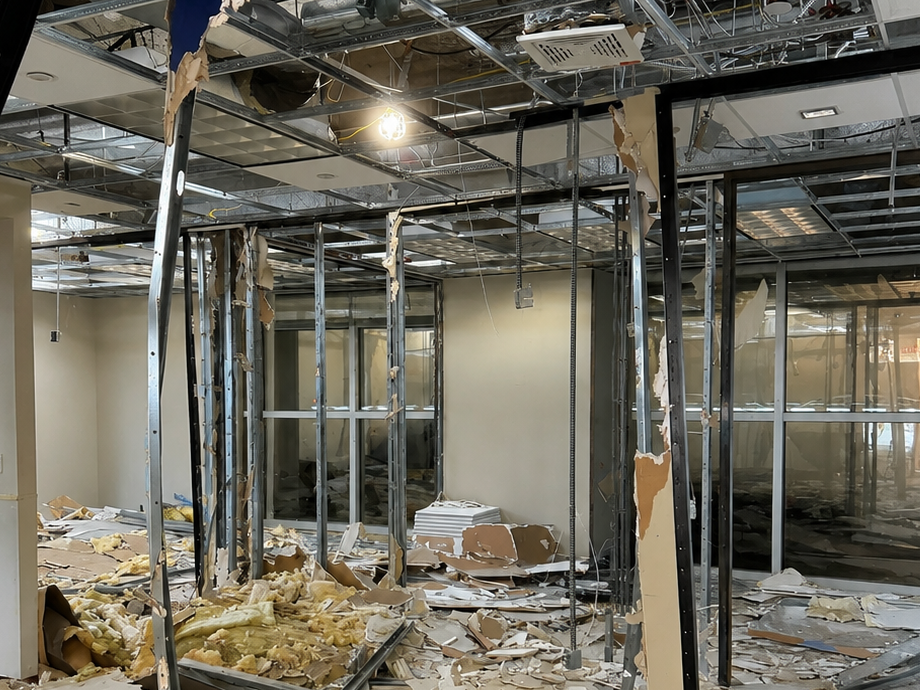
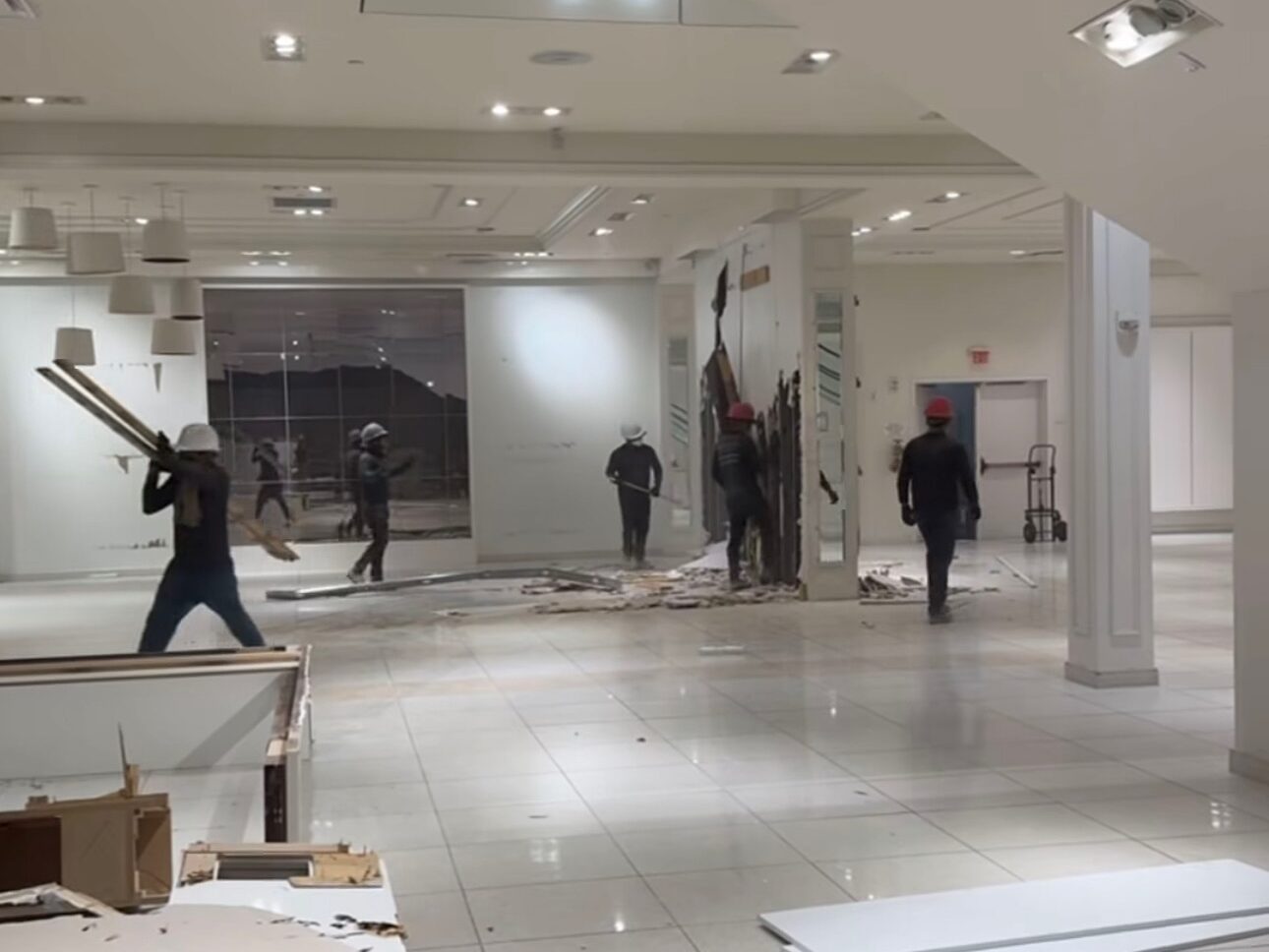
Selective interior demolition involves the controlled removal of designated building components without demolishing the entire structure.
Depending on the renovation, the demolition scope may include removing:
- Interior walls and partitions
- Flooring and floor finishes
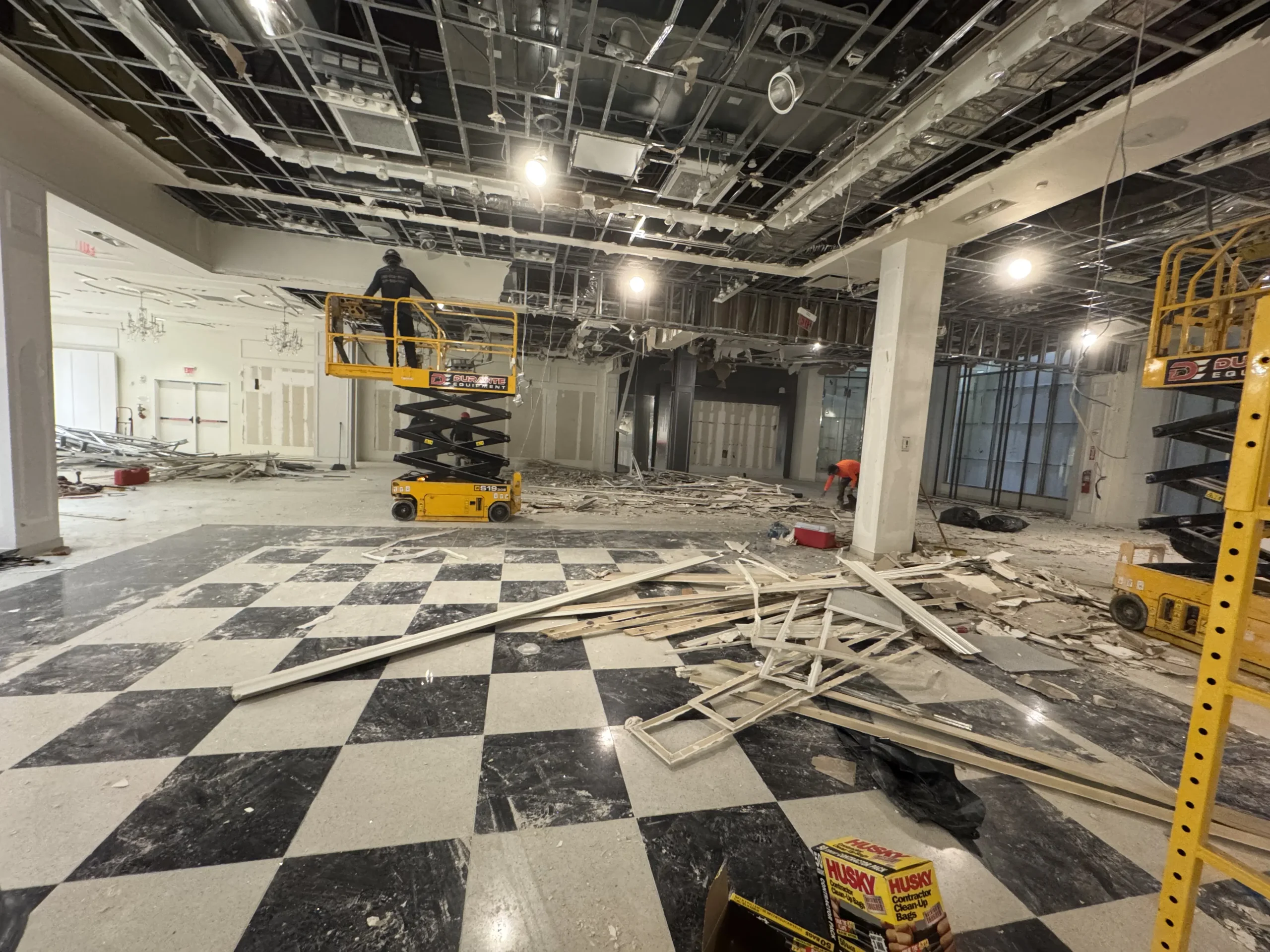
- Suspended ceilings and ceiling systems
- Millwork and cabinetry
- Doors and frames
- Plumbing fixtures
- Restroom finishes
- Storefront components
- Non-structural elements
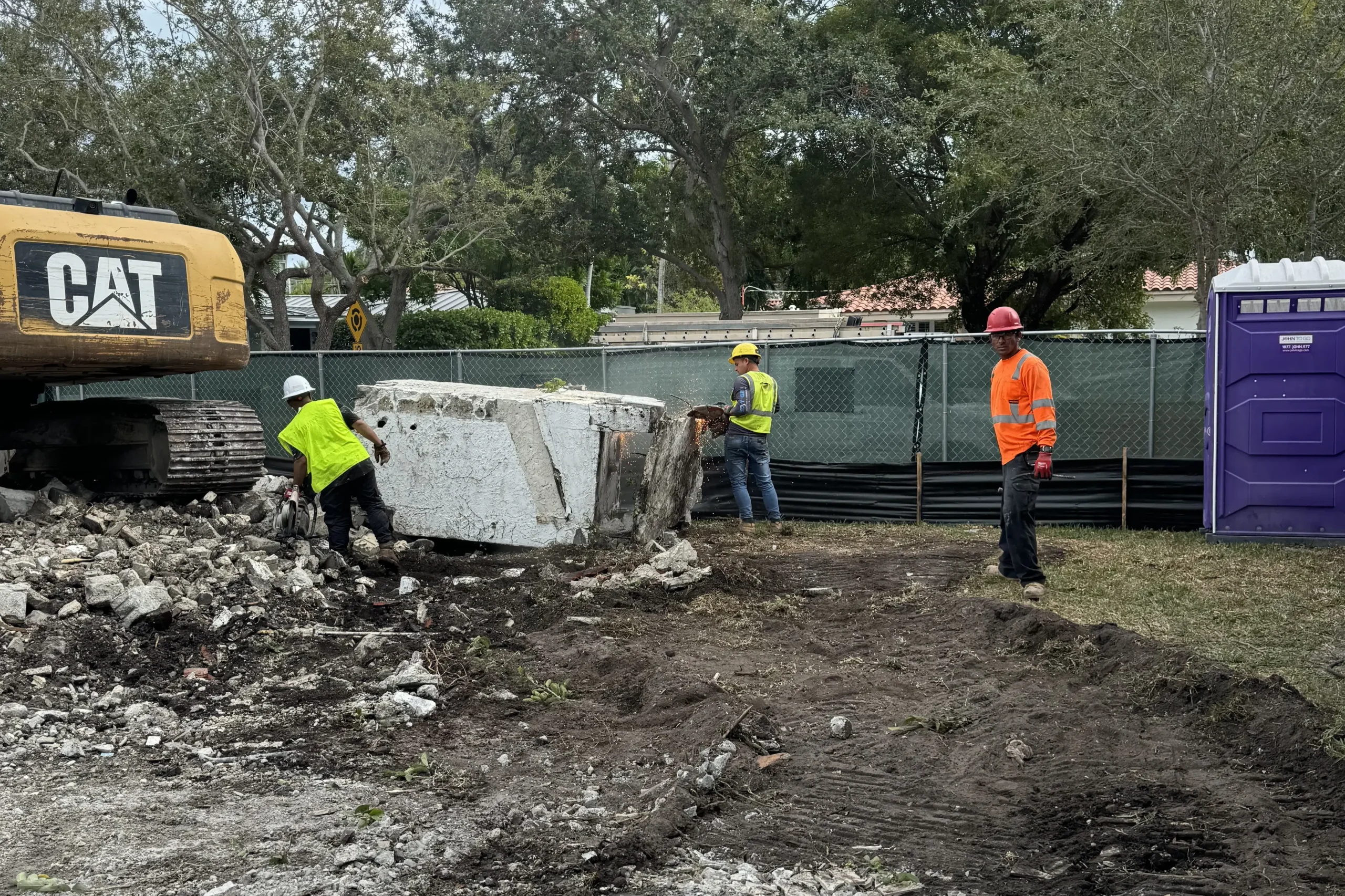
- Selected concrete or masonry
- Existing fixtures and equipment
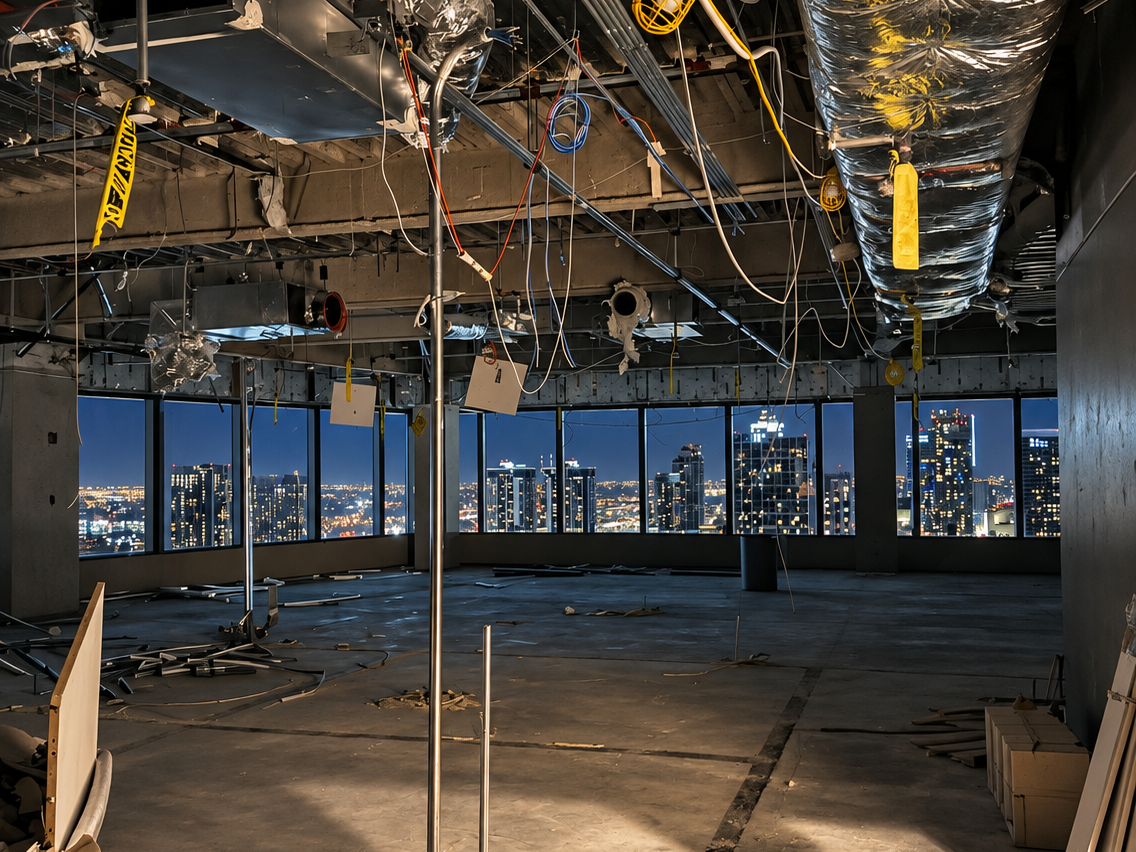
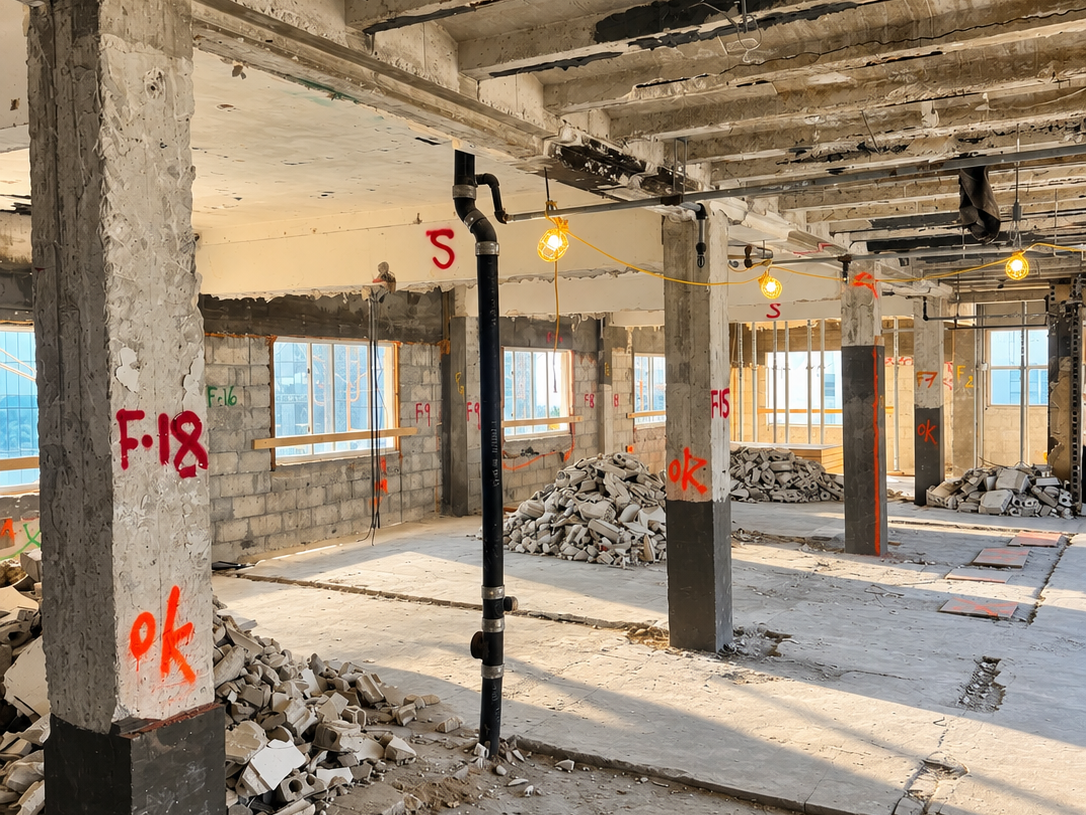
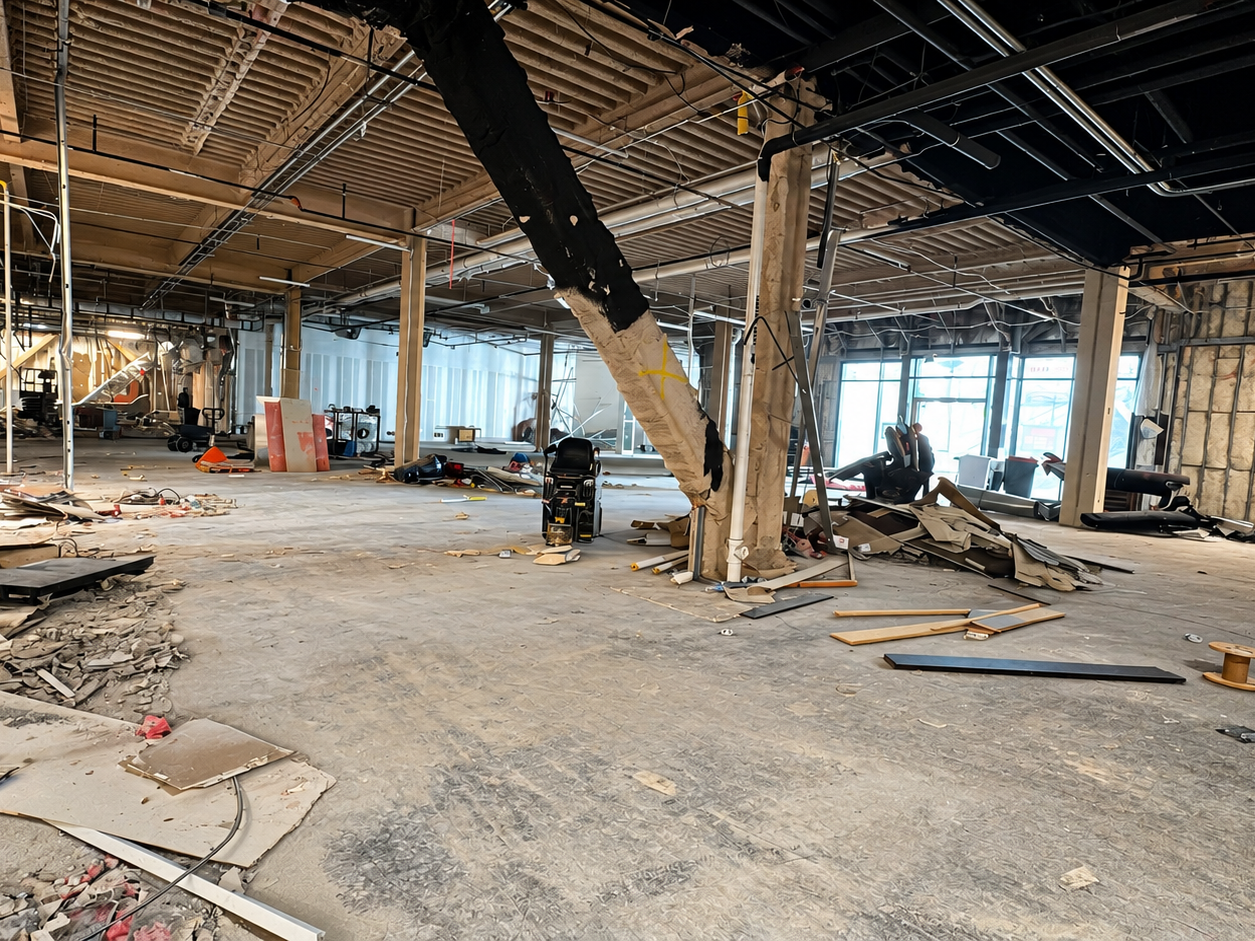
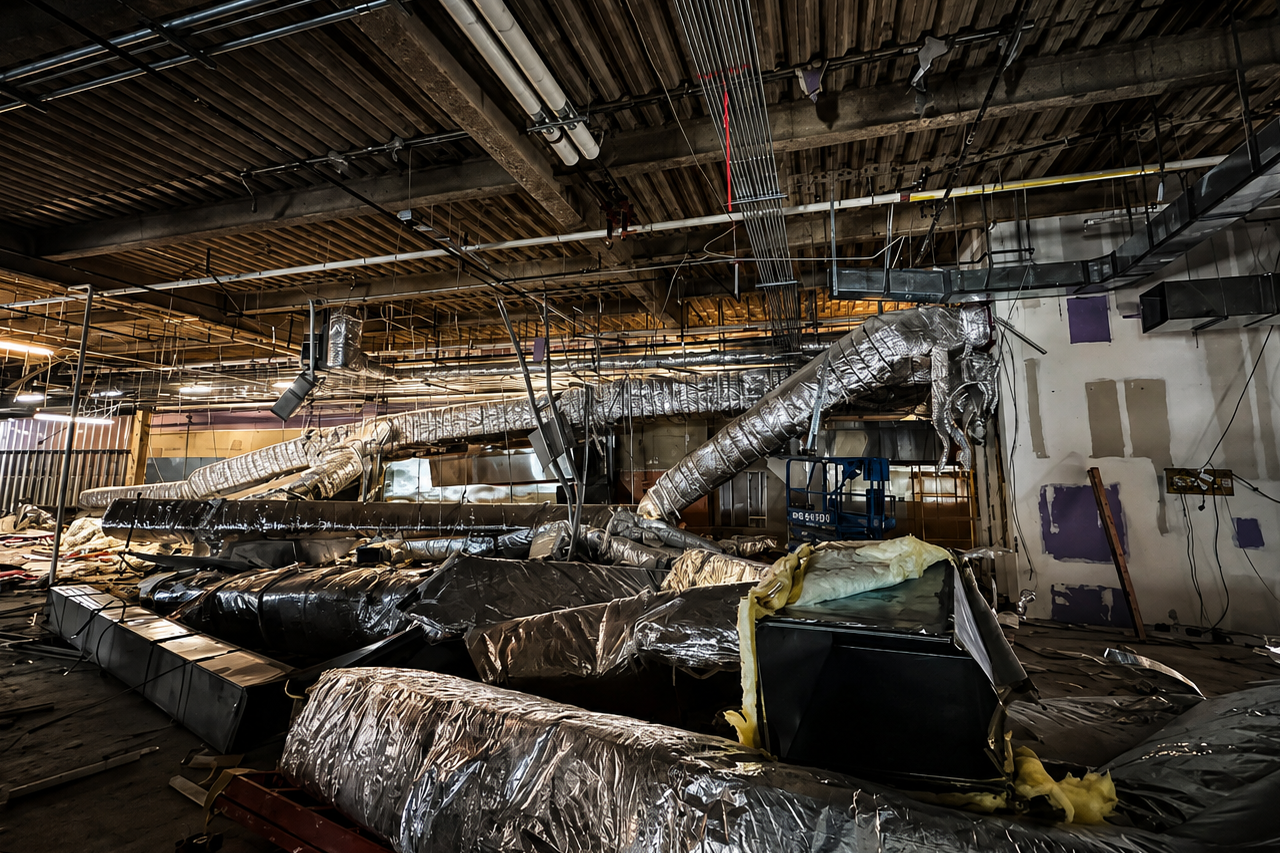
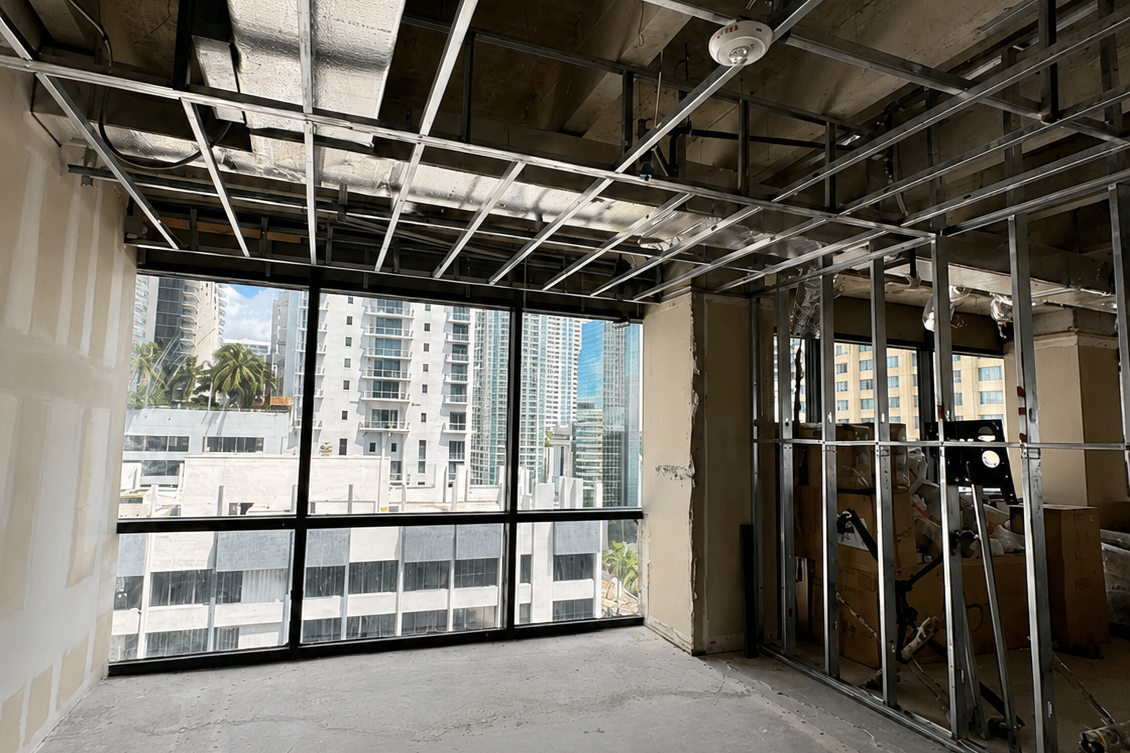
The exact scope varies considerably from one project to another. A retail tenant build-out may require stripping an existing space back to a shell condition, while an office renovation may only require removing partitions, flooring, ceilings, and selected finishes.
This flexibility makes selective demolition an important part of commercial renovation projects throughout South Florida.
Why Selective Demolition Is Common in South Florida Commercial Renovations
South Florida has a large inventory of existing commercial properties that continue to change as businesses relocate, expand, remodel, or update their spaces.
In areas such as Miami, Brickell, Coral Gables, Doral, Fort Lauderdale, Boca Raton, and West Palm Beach, renovation does not always mean replacing an entire building. Often, the existing structure remains while the interior is reconfigured for its next use.
Selective demolition allows project teams to remove what is no longer needed while protecting components that are incorporated into the new design.
This can be especially useful for:
Tenant build-outs: When one business leaves and another moves in, the existing interior may need to be partially or completely stripped before the new build-out begins.
Office renovations: Existing partitions, ceilings, flooring, millwork, and other finishes may need to be removed to create a new workplace layout.
Retail renovations: Stores and shopping centers frequently undergo renovations as tenants change or brands introduce updated designs.
Healthcare renovations: Medical offices and healthcare facilities may require carefully planned demolition as spaces are reconfigured or upgraded.
Restaurant renovations: Existing kitchens, dining areas, flooring, ceilings, partitions, and fixtures may need removal before a new restaurant concept can be constructed.
Selective Demolition Creates a Clean Starting Point for Construction
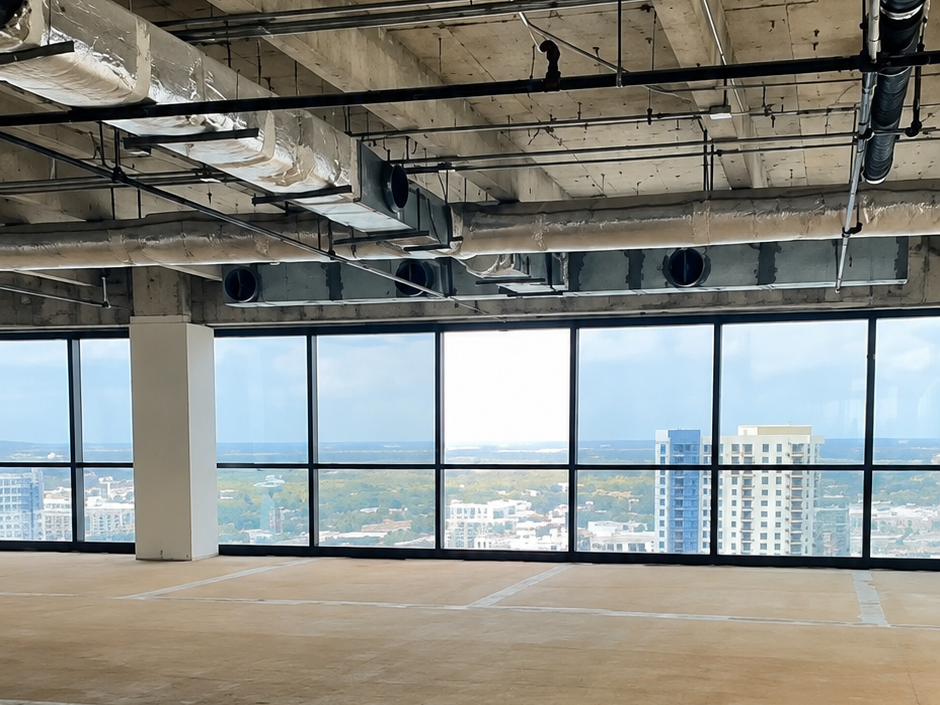
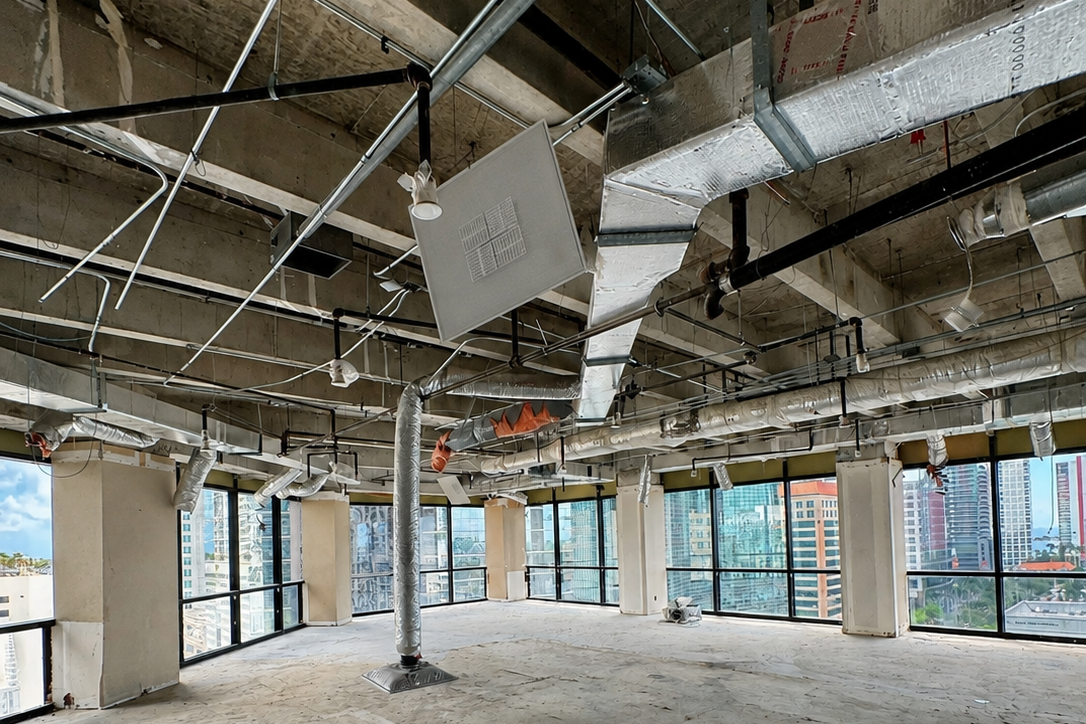
One of the primary purposes of interior demolition is to prepare the space for the next phase of construction.
Once designated materials and components are removed, general contractors and other trades can access the areas that need to be rebuilt or upgraded. Existing conditions that may not have been completely visible on drawings can also become easier to evaluate once finishes, ceilings, walls, and other elements are removed.
For this reason, demolition is not simply about taking materials out of a building. It is part of the overall commercial renovation process and can directly affect how efficiently subsequent work begins.
Protecting What Needs to Remain
Selective demolition requires precision.
On many South Florida commercial renovation projects, certain walls, structural components, storefronts, elevators, common areas, finished surfaces, or neighboring tenant spaces must remain untouched.
Before demolition begins, crews need to clearly understand the demolition drawings and scope of work so they know exactly what is being removed and what must remain.
Protection may also be required around existing finishes and building components, particularly when demolition takes place inside an occupied or partially occupied commercial property.
The goal is not simply to demolish quickly. It is to remove the correct materials while maintaining control over the surrounding environment.
Logistics Can Be Just as Important as the Demolition
Commercial demolition in South Florida can present logistical challenges, particularly in dense areas such as Brickell, Downtown Miami, Miami Beach, and other busy commercial districts.
A project may have:
- Limited loading or staging areas
- Restricted work hours
- Shared elevators or loading docks
- Active neighboring businesses
- Limited dumpster placement
- Building management requirements
- Specific debris-removal routes
- Tight construction schedules
These conditions must be considered when planning the demolition scope.
For example, demolition inside a high-rise office building may require debris to travel through designated service elevators and loading areas. A retail renovation inside an operating shopping center may require demolition and hauling to occur during specific hours to minimize interference with customers and neighboring tenants.
Understanding these conditions before work begins helps the demolition contractor coordinate effectively with the general contractor and building management.
Debris Removal Is Part of the Process
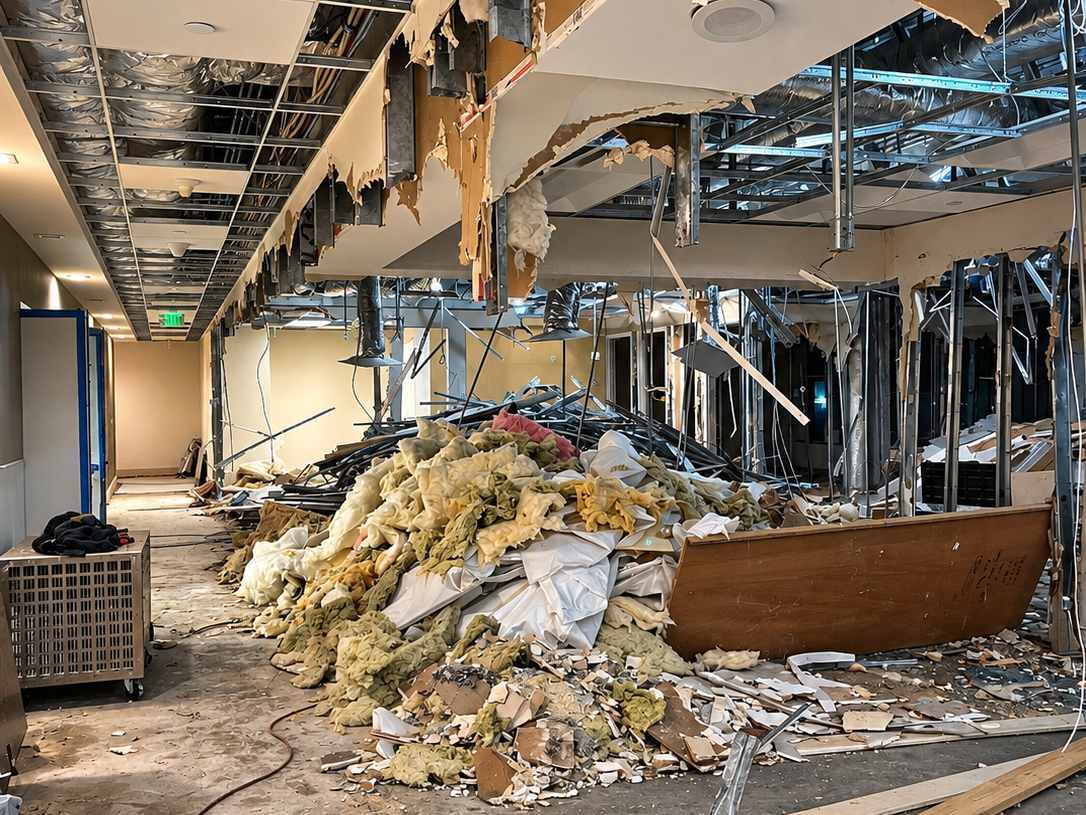
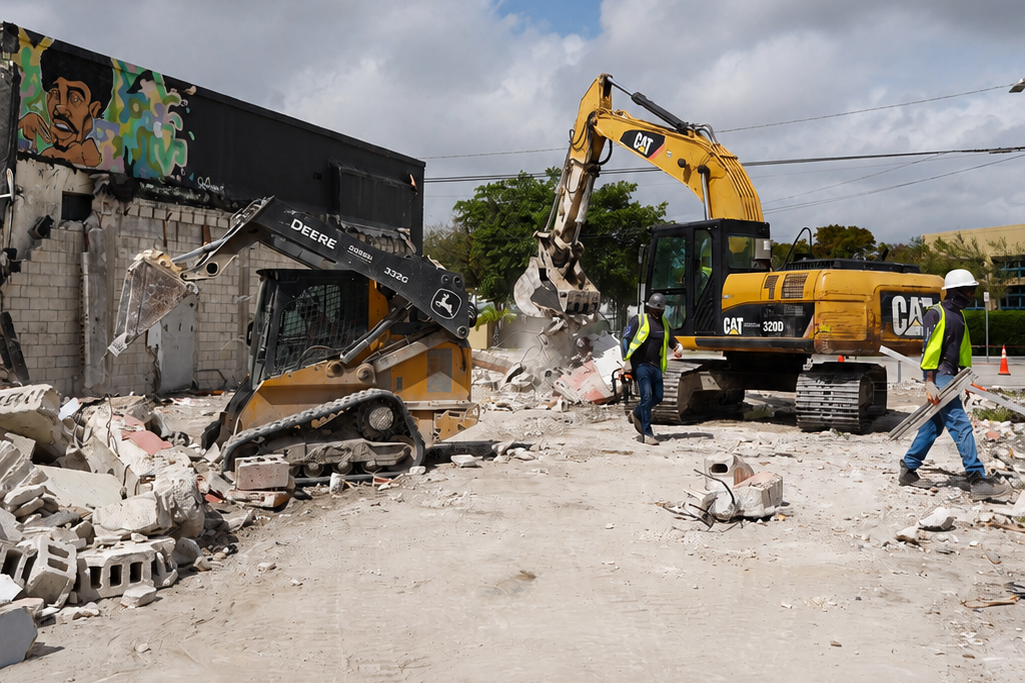
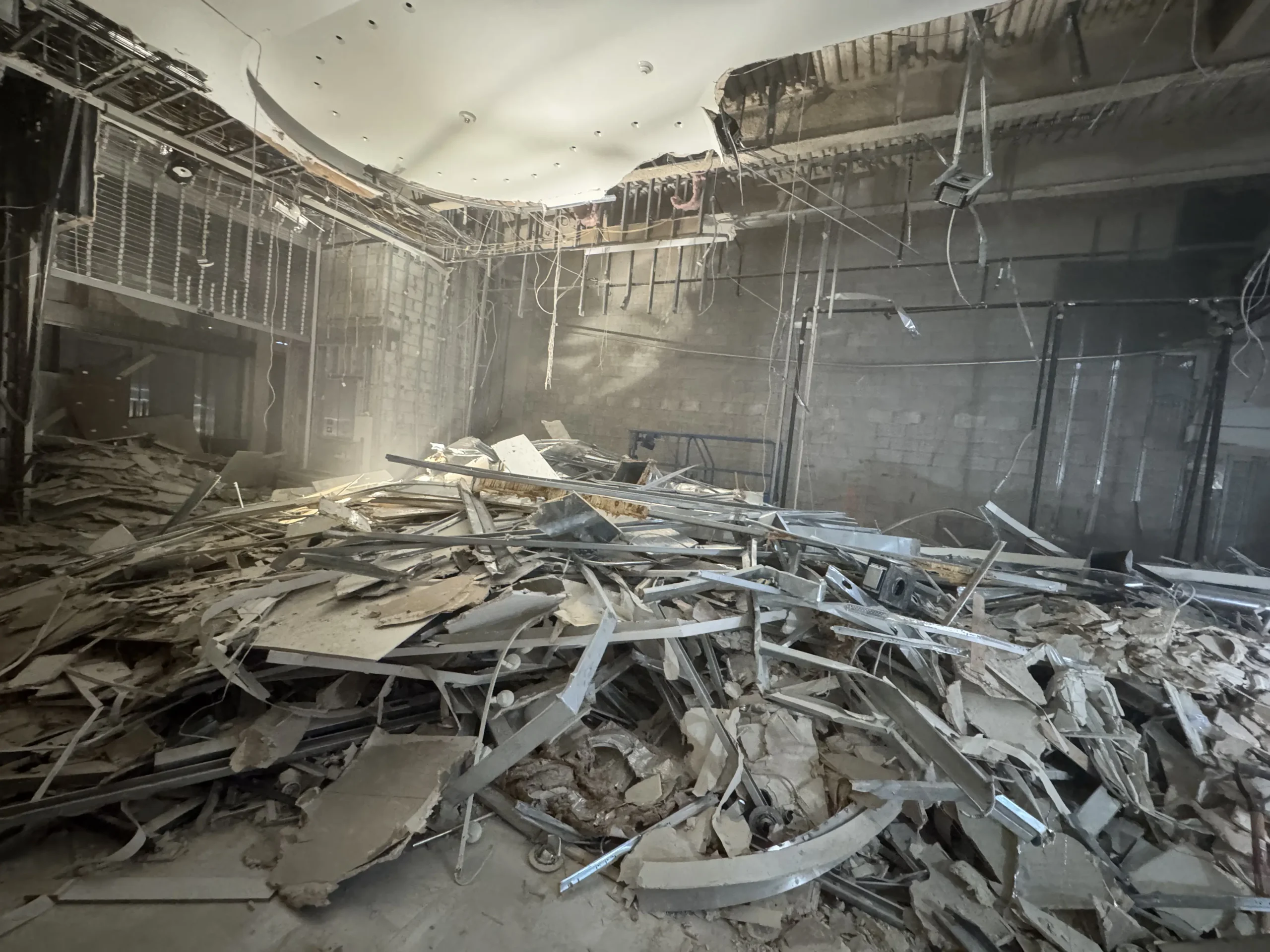
Interior demolition can generate a significant amount of debris even when the building itself remains standing.
Drywall, metal framing, flooring, ceiling materials, millwork, fixtures, concrete, and other removed materials must be collected and transported out of the project area efficiently.
On commercial projects, debris management needs to work with the overall jobsite logistics. Keeping work areas and access routes organized can help prevent demolition debris from interfering with other trades as construction progresses.
In locations where space is limited, debris removal may need to be carefully scheduled rather than allowing large quantities of material to accumulate onsite.
Coordination Helps Keep Commercial Renovations Moving
Demolition is often one of the earliest construction activities performed inside an existing commercial space, which means delays during this phase can affect the trades scheduled afterward.
A professional commercial demolition contractor in South Florida should coordinate closely with the general contractor, superintendent, project management team, and other trades as needed.
Clear communication regarding the demolition scope, schedule, access, existing conditions, and debris removal helps establish a smoother transition from demolition into construction.
This is especially important on projects with aggressive schedules, phased renovations, or occupied buildings.
Selective Demolition Across Miami-Dade, Broward & Palm Beach
Commercial properties throughout South Florida continue to evolve as businesses and communities grow. Rather than replacing every existing building, many properties can be renovated and adapted for new uses.
From commercial interior demolition in Miami to retail renovations in Broward County and office or healthcare renovations in Palm Beach County, selective demolition provides project teams with a controlled way to prepare existing spaces for what comes next.
Every project has different requirements, which is why understanding the building, scope, access conditions, schedule, and surrounding environment is essential before demolition begins.
Commercial Selective Demolition in South Florida
At Next Gen Construction & Demolition, we specialize in commercial demolition services throughout South Florida. Our team works with general contractors, developers, property managers, and construction teams on selective interior demolition and other commercial demolition scopes.
Whether a project involves an office renovation, retail build-out, healthcare facility, restaurant, commercial building, or another type of renovation, our goal is to provide an organized and efficient demolition process that prepares the site for the next phase of construction.
If you have an upcoming commercial renovation project in Miami-Dade, Broward, or Palm Beach County, contact Next Gen Construction & Demolition to discuss your demolition scope and request pricing.