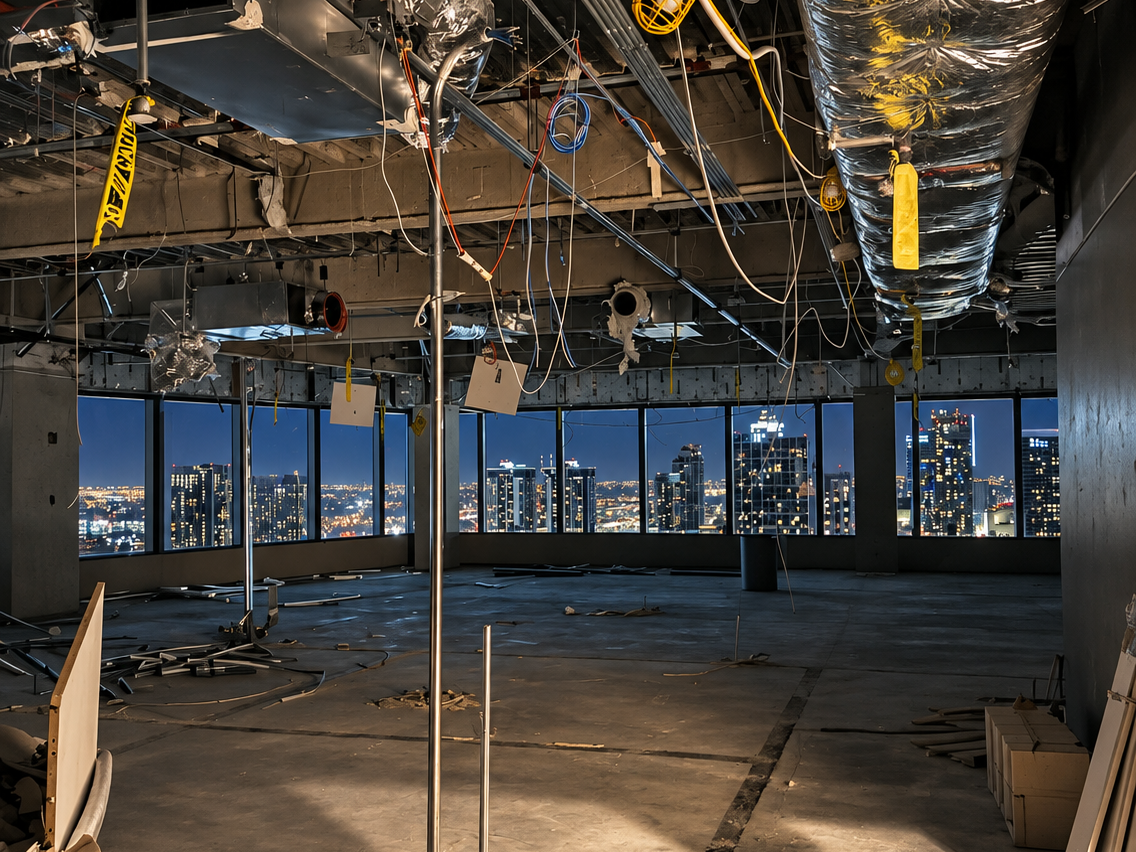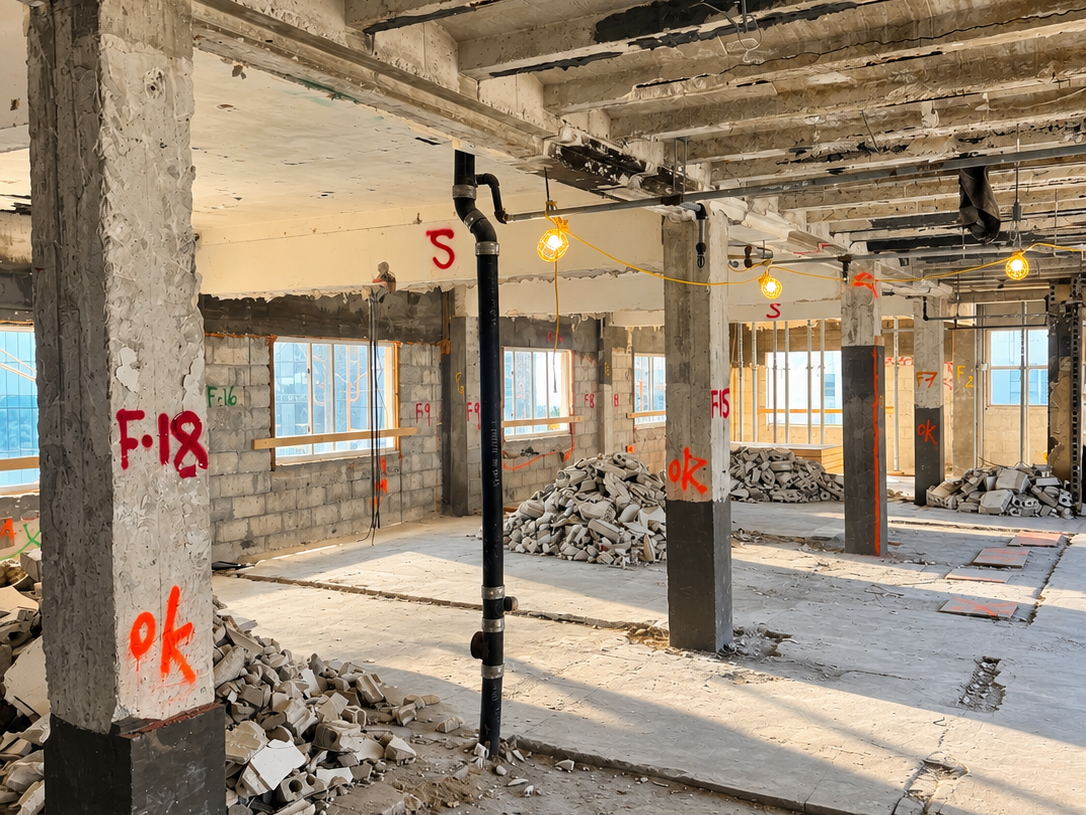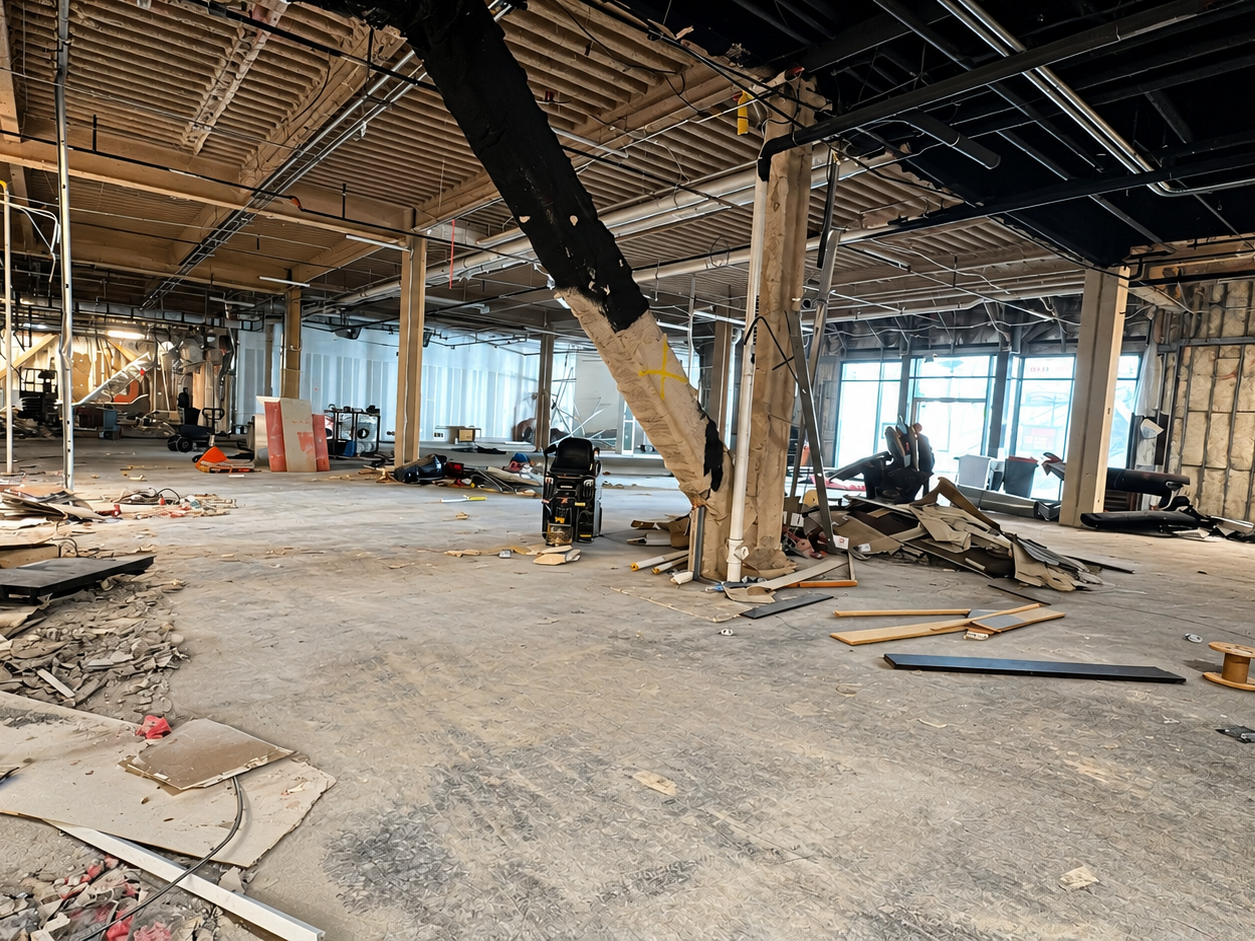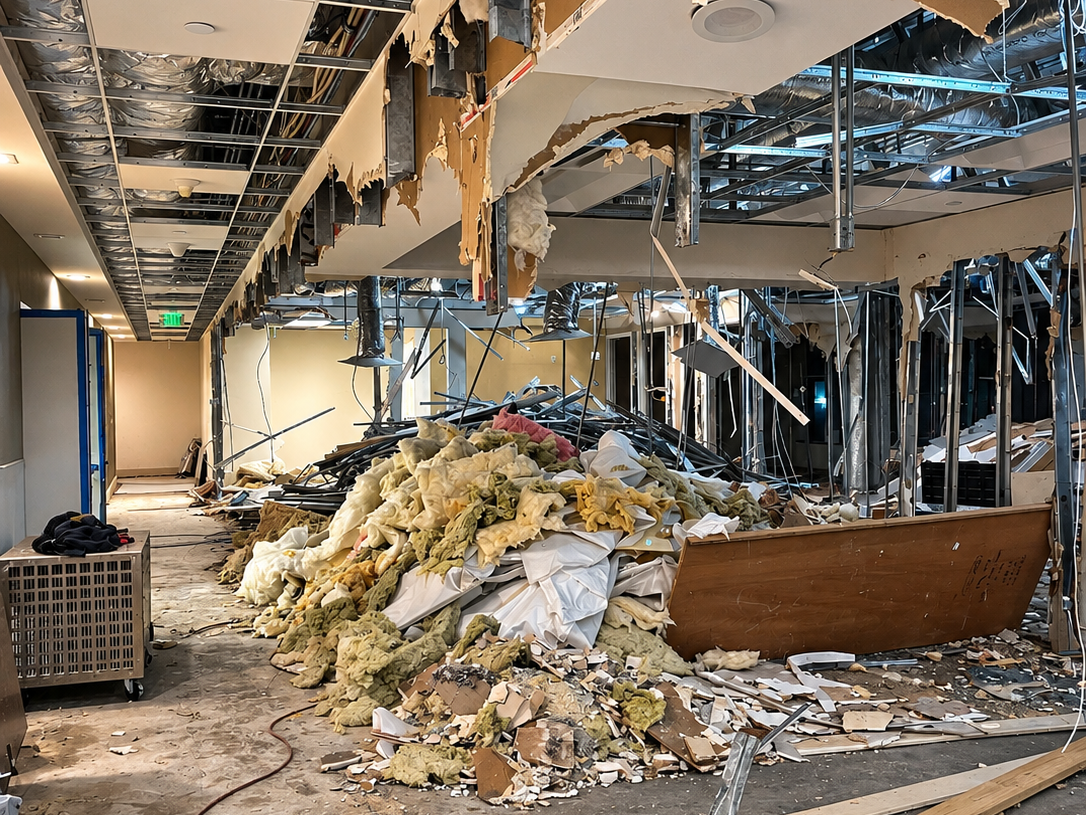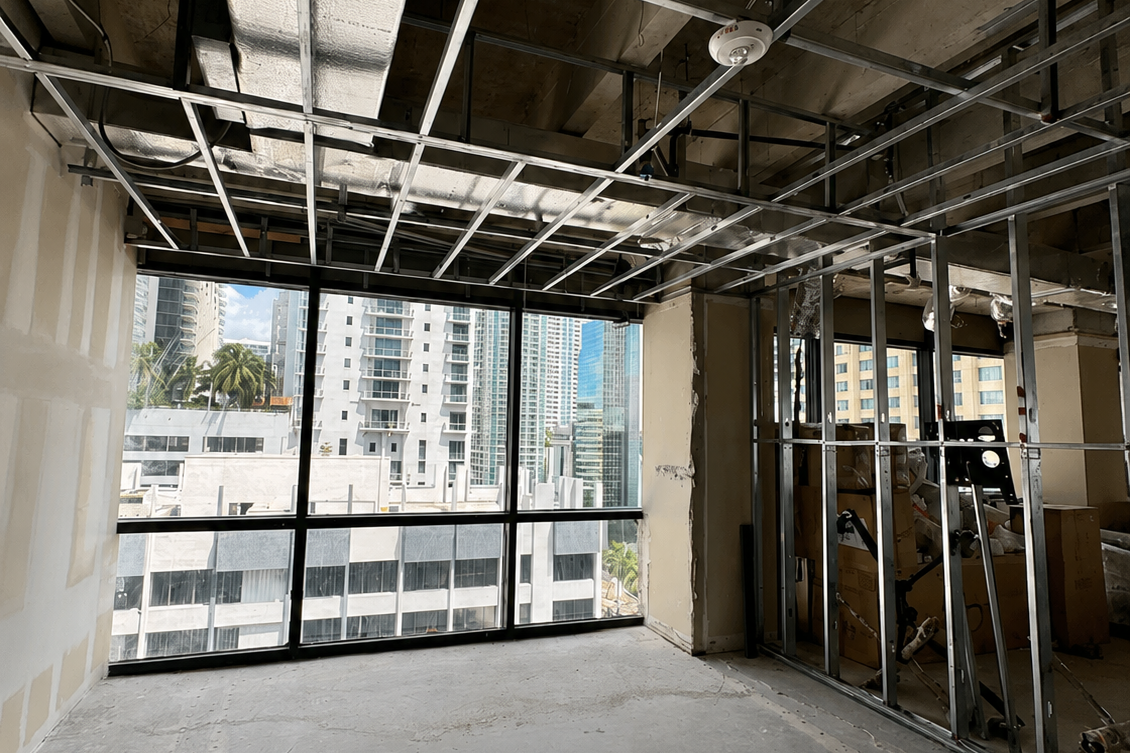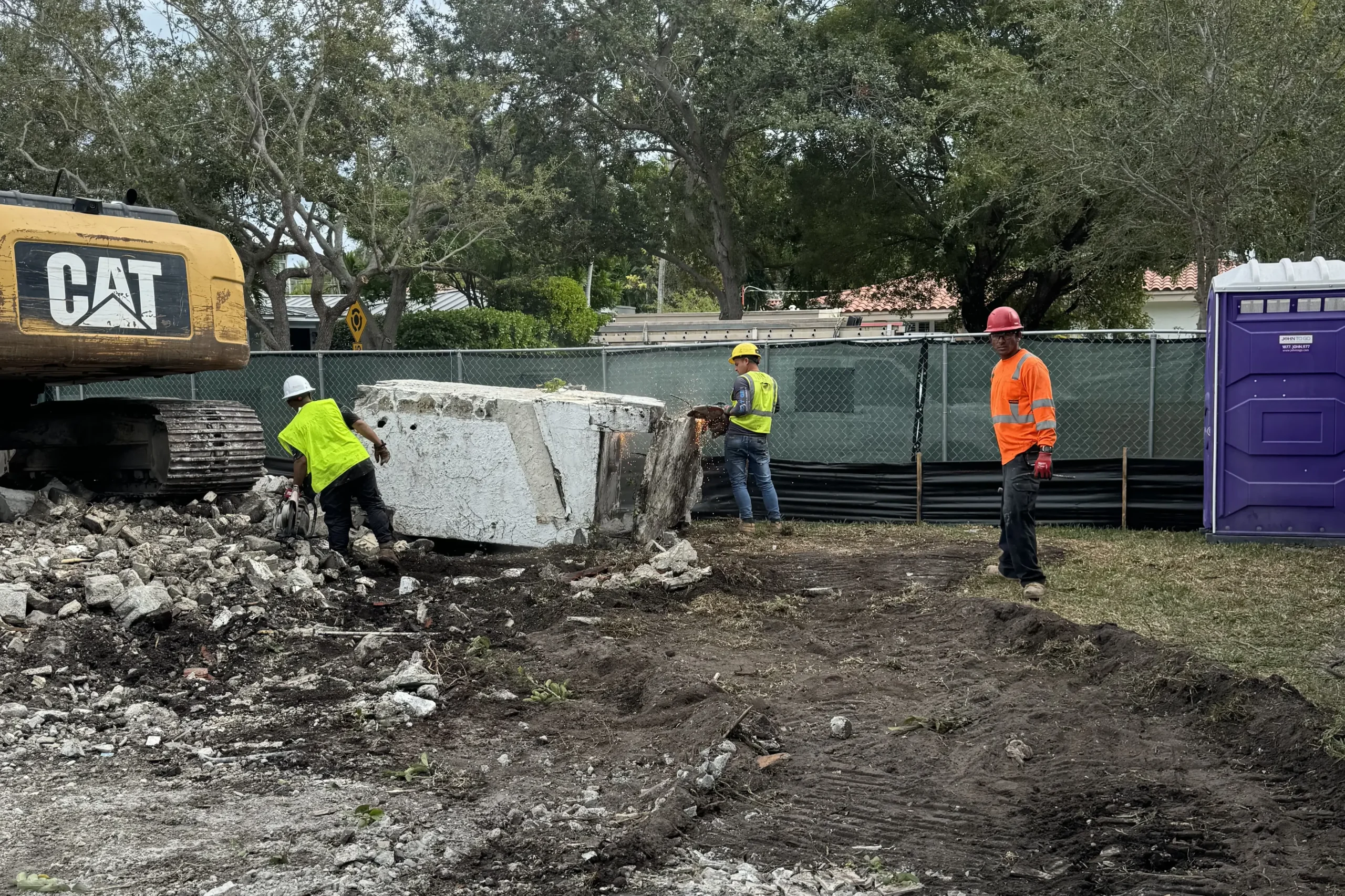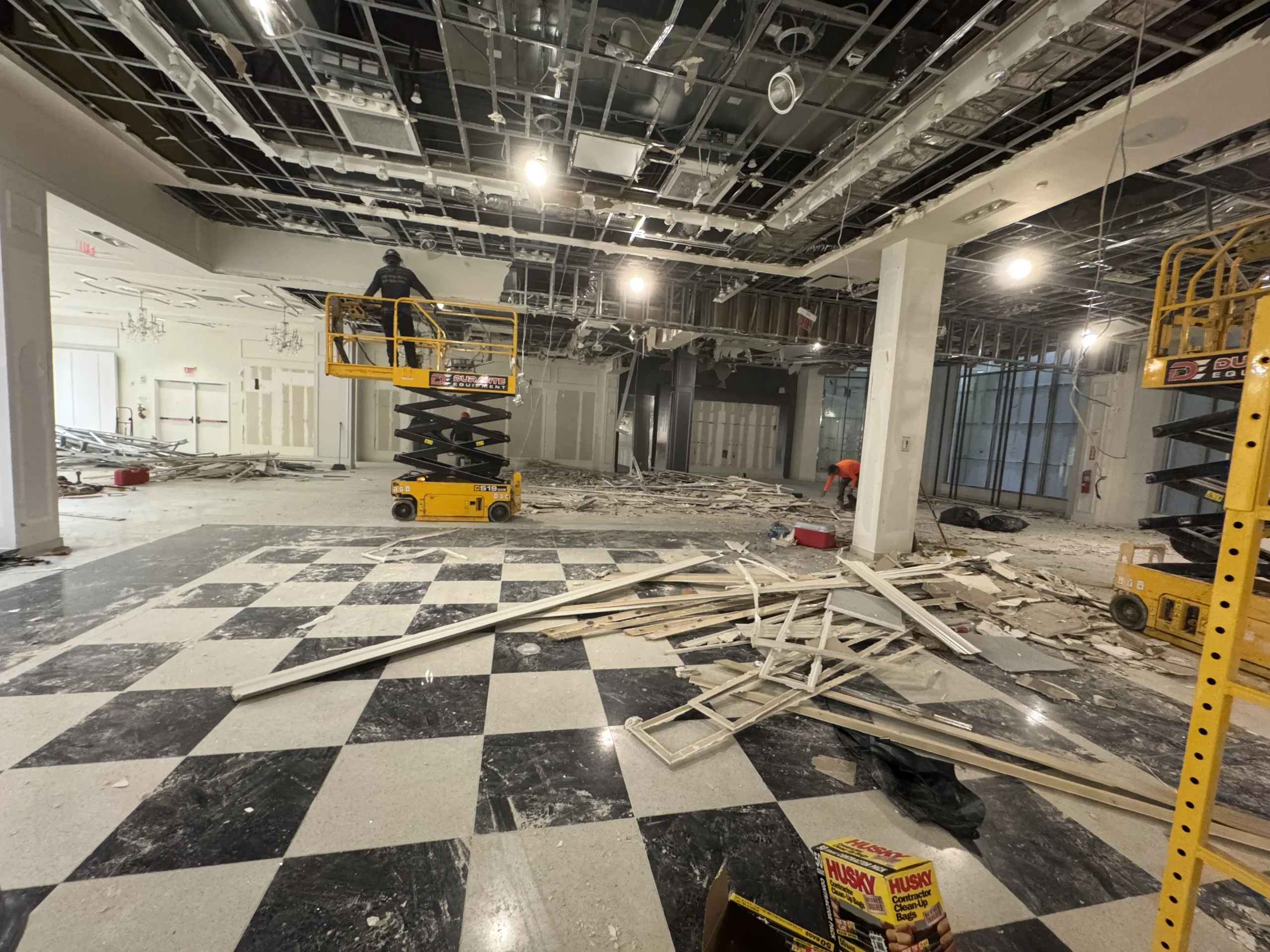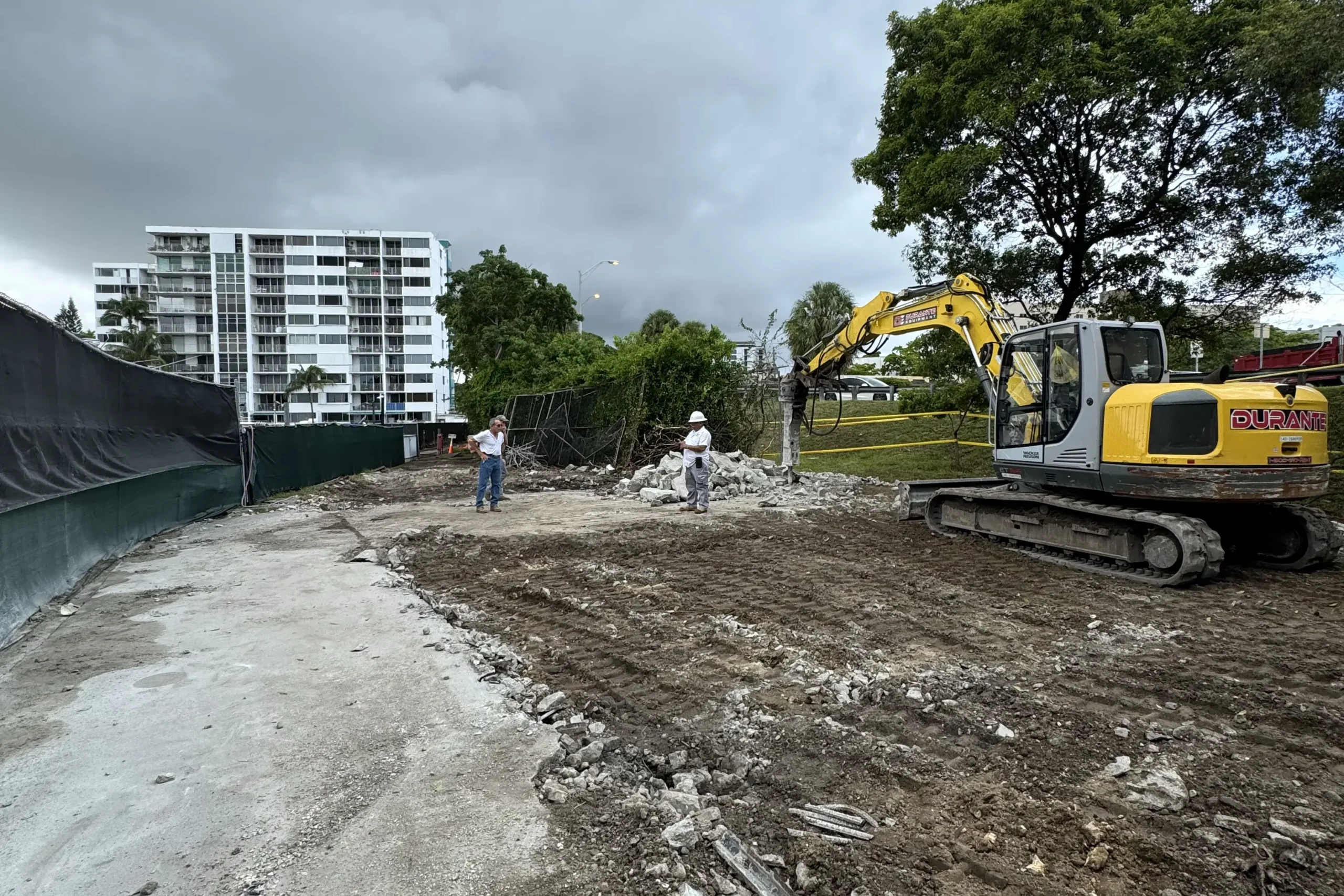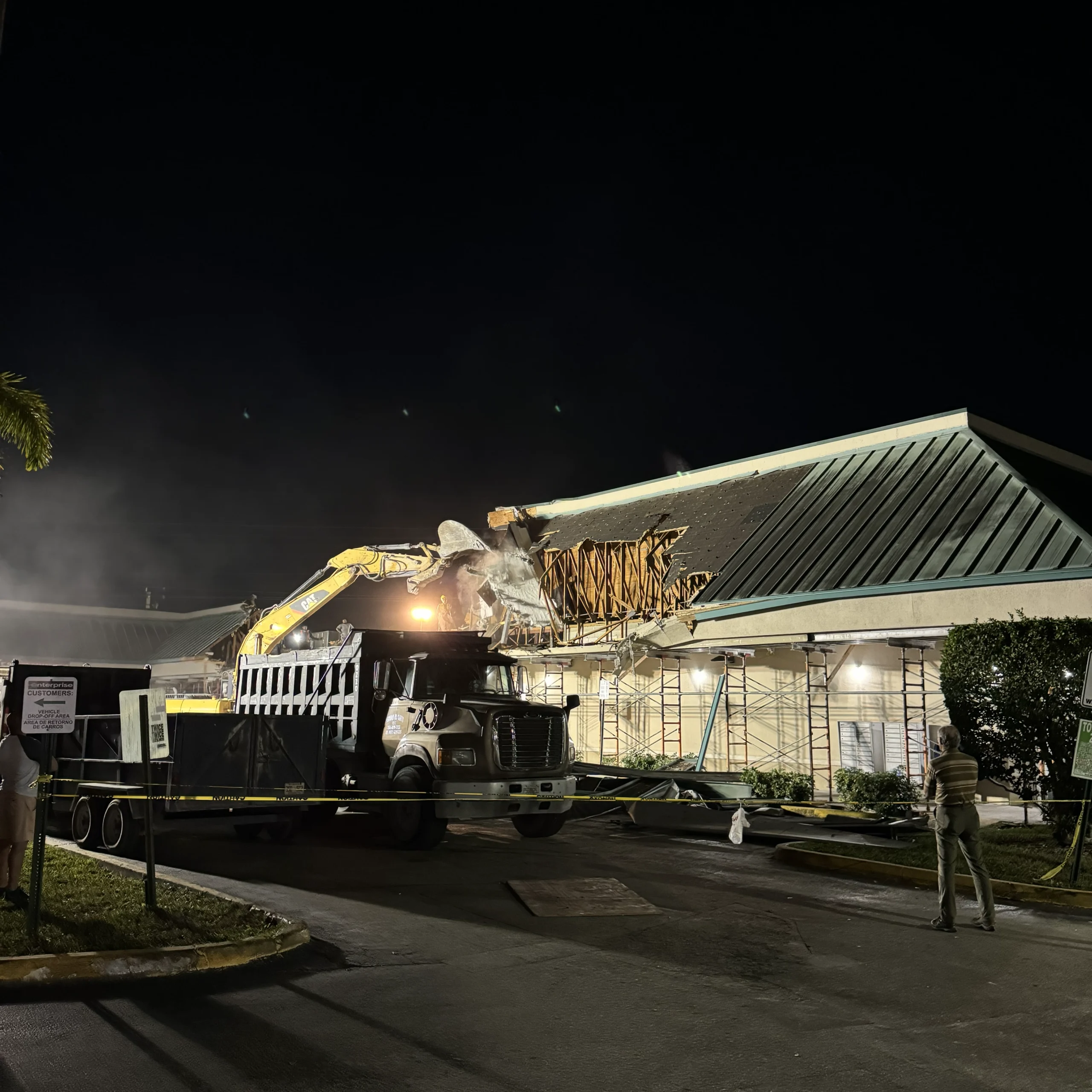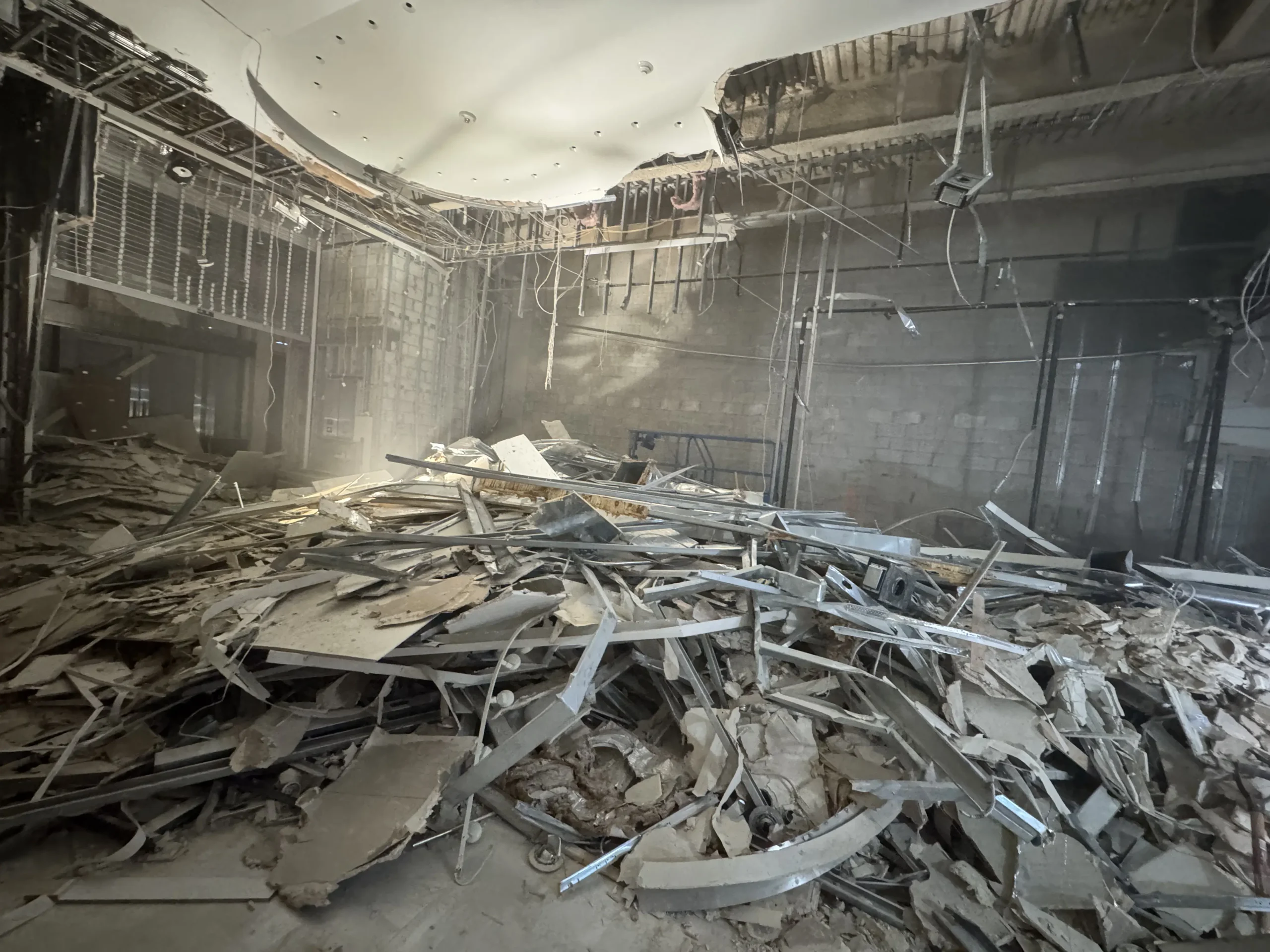
Commercial building renovations often involve more than updating interiors, replacing finishes, or modifying floor plans. In some projects, existing elevator systems must be removed to accommodate major renovations, equipment upgrades, structural modifications, or changes in how a building is used.
Commercial elevator removal is a specialized process that requires careful planning, safety considerations, and coordination between demolition contractors, general contractors, elevator specialists, and other construction professionals.
In South Florida, where commercial properties are frequently renovated and modernized, understanding the elevator removal process can help project teams prepare for potential challenges before construction begins.
When Is Commercial Elevator Removal Necessary?
Elevator removal may be required for several reasons, depending on the condition of the building and the scope of the renovation.
Common situations include:
- Major building renovations: Existing elevator systems may need to be removed when significant changes are made to a property’s interior or structural layout.
- Elevator modernization projects: Certain upgrades require the removal of outdated elevator equipment before replacement systems can be installed.
- Commercial property redevelopment: Buildings undergoing extensive redevelopment may require the removal of existing elevator systems as part of a larger demolition scope.
- Changes in building use: Converting an existing commercial property into a different type of facility may require modifications to its vertical transportation systems.
- Complete building demolition: Elevator equipment and associated components may be addressed as part of the overall demolition sequence.
Not every elevator upgrade requires complete removal. The extent of demolition depends on the renovation plans, existing equipment, and project requirements.
Planning Commercial Elevator Removal Before Construction
Successful commercial elevator removal begins with understanding the existing conditions and identifying how the work will affect other construction activities.
Before removal begins, project teams may need to evaluate the elevator’s location, surrounding structural elements, available access points, and the equipment involved.
Important planning considerations include:
1. Evaluating Existing Building Conditions
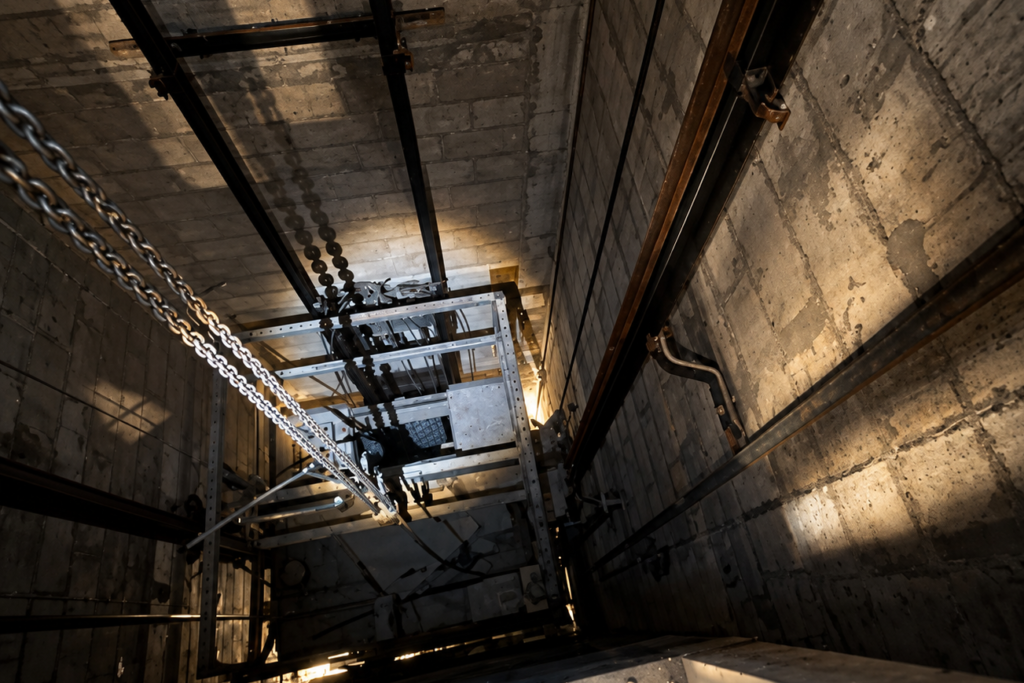
Every commercial building presents different challenges. Elevator systems may be located within enclosed shafts, mechanical areas, or other spaces with limited accessibility.
Reviewing existing conditions helps determine how removal activities can be coordinated with the overall renovation.
2. Reviewing Demolition Plans and Project Scope
Demolition drawings and construction documents help establish which elevator components are scheduled for removal and which building elements must remain.
Clearly identifying the scope is important because elevator removal may involve multiple trades with different responsibilities.
3. Coordinating Equipment Access and Material Removal
Commercial elevator components can be heavy, bulky, and difficult to transport through an existing building.
Project teams must consider available access routes, material handling requirements, loading areas, and debris transportation before work begins.
In high-rise buildings and occupied commercial properties, these logistical considerations can become particularly important.
Safety Considerations During Elevator Removal
Safety is a critical part of any commercial demolition project, especially when work involves elevator shafts, heavy equipment, electrical systems, and restricted spaces.
Elevator removal requires coordination with appropriately qualified professionals to address the hazards associated with the existing system.
Depending on the project, safety planning may involve:
- Evaluating electrical and mechanical hazards.
- Establishing restricted work areas.
- Coordinating equipment shutdown and isolation.
- Protecting surrounding building components.
- Planning safe material handling and removal.
- Maintaining communication between contractors and other trades.
Elevator equipment should only be disconnected, dismantled, or removed by personnel qualified and authorized to perform the applicable work.
Applicable permits, inspections, safety requirements, and trade responsibilities should be reviewed before the project begins.
Why Coordination With General Contractors Matters
Elevator removal is rarely an isolated activity during a major commercial renovation.
The work may need to be coordinated with electrical contractors, structural contractors, elevator specialists, demolition crews, and other professionals working within the same building.
General contractors play an important role in organizing these activities and establishing a demolition sequence that supports the construction schedule.
For example, surrounding interior demolition may need to be completed before certain elevator-related work can proceed. In other situations, elevator removal must be scheduled around ongoing building operations or other construction activities.
Early coordination helps reduce scheduling conflicts, improve access planning, and clarify responsibilities between trades.
Elevator Removal Challenges in South Florida Commercial Buildings
Commercial elevator removal projects in Miami, Fort Lauderdale, and West Palm Beach can involve additional logistical considerations depending on the building’s location, age, and occupancy.
Limited Access in High-Rise Buildings
High-rise properties may have restricted loading areas, narrow service corridors, and limited space for moving large materials.
Planning access and transportation routes is essential when removing equipment from upper floors or enclosed mechanical spaces.
Renovations in Occupied Properties
Office buildings, hotels, healthcare facilities, and mixed-use developments may remain partially operational during renovations.
In these environments, contractors must coordinate work areas, access restrictions, noise, and material movement to minimize disruption to surrounding operations.
Older Commercial Building Conditions
Older properties may contain elevator systems that differ significantly from modern installations.
Existing drawings may not fully reflect current conditions, making site assessments and coordination especially important before demolition activities begin.
Debris Removal and Site Preparation
Once elevator components have been safely removed by the responsible qualified trades, the project may involve additional demolition, material handling, and site preparation activities.
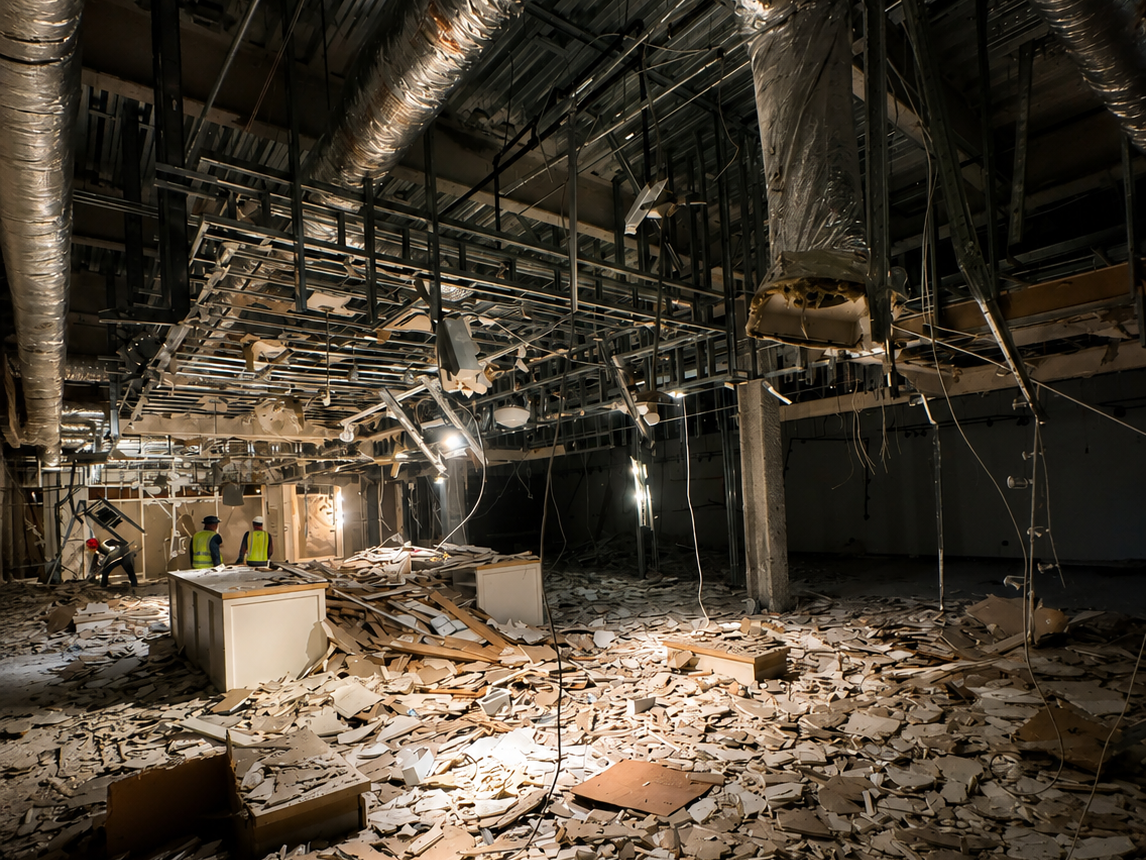
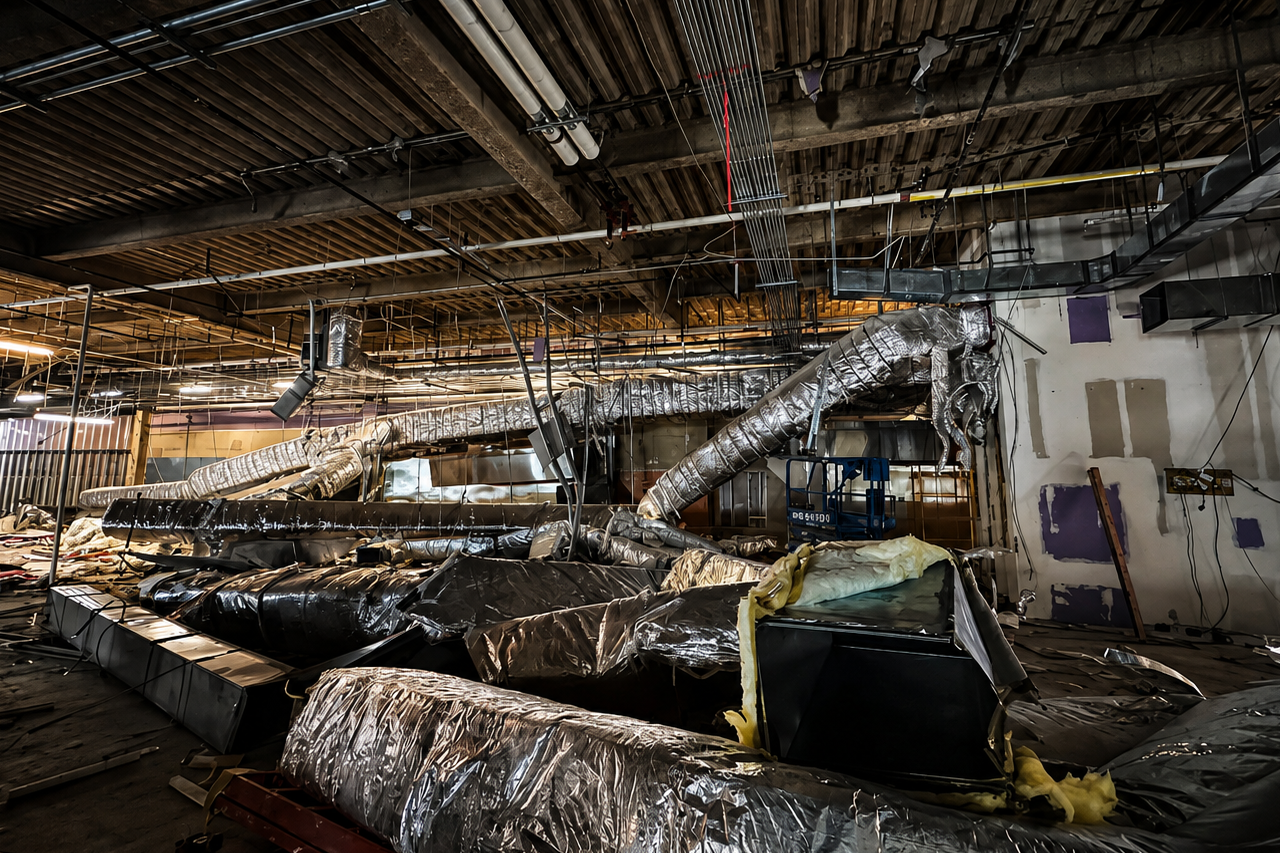
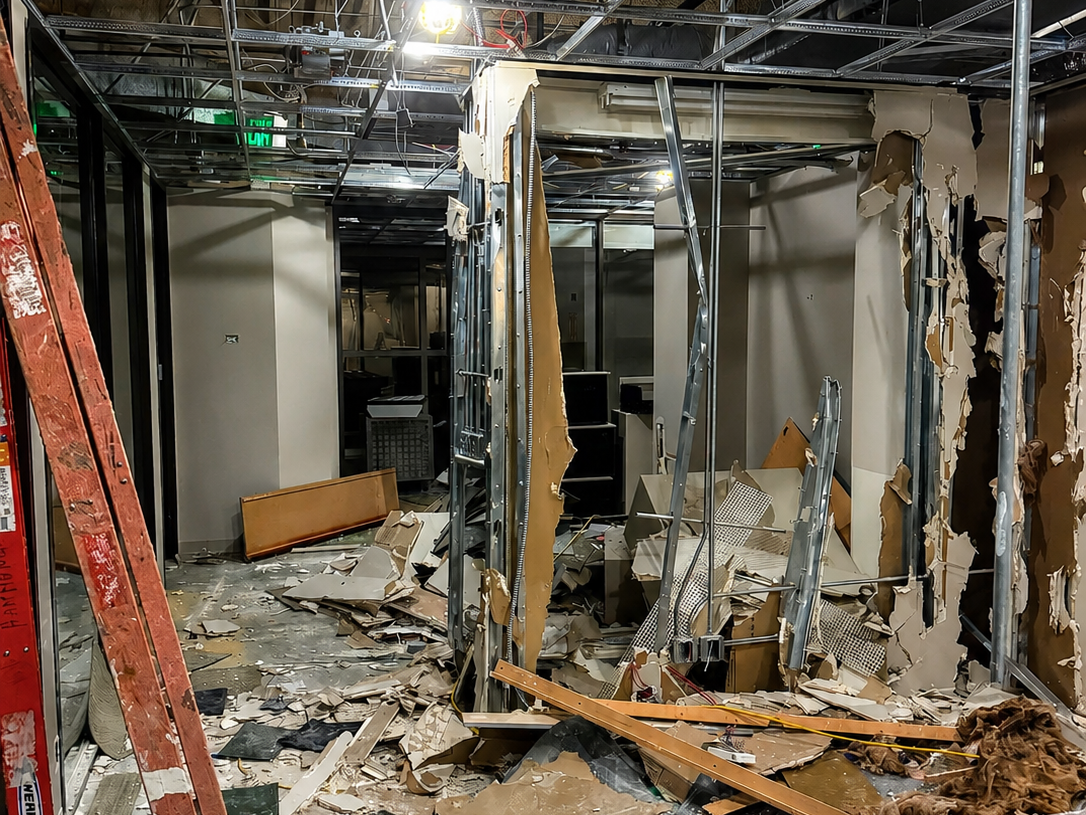
Depending on the scope, these activities can include removing designated surrounding finishes, managing demolition debris, and preparing affected areas for the next construction phase.
Proper debris management helps maintain organized work areas and supports coordination with the contractors responsible for subsequent installation or renovation work.
Material disposal and recycling requirements should also be considered during project planning.
Supporting Commercial Renovation Projects With Professional Demolition Services
Commercial elevator removal projects require a coordinated approach that considers safety, access, scheduling, and the condition of the existing building.
Whether a property is undergoing modernization, major interior renovation, or complete redevelopment, clear demolition planning helps establish an organized transition between existing conditions and new construction.
At Next Gen Construction & Demolition, we work with general contractors, developers, and commercial project teams throughout Miami-Dade, Broward, and Palm Beach Counties to support commercial demolition and renovation projects.
Our team understands the importance of coordinating demolition activities with project schedules, site conditions, and the requirements of other trades.
Planning a commercial renovation in South Florida? Contact Next Gen Construction & Demolition to discuss your demolition scope and how our team can support your upcoming project.