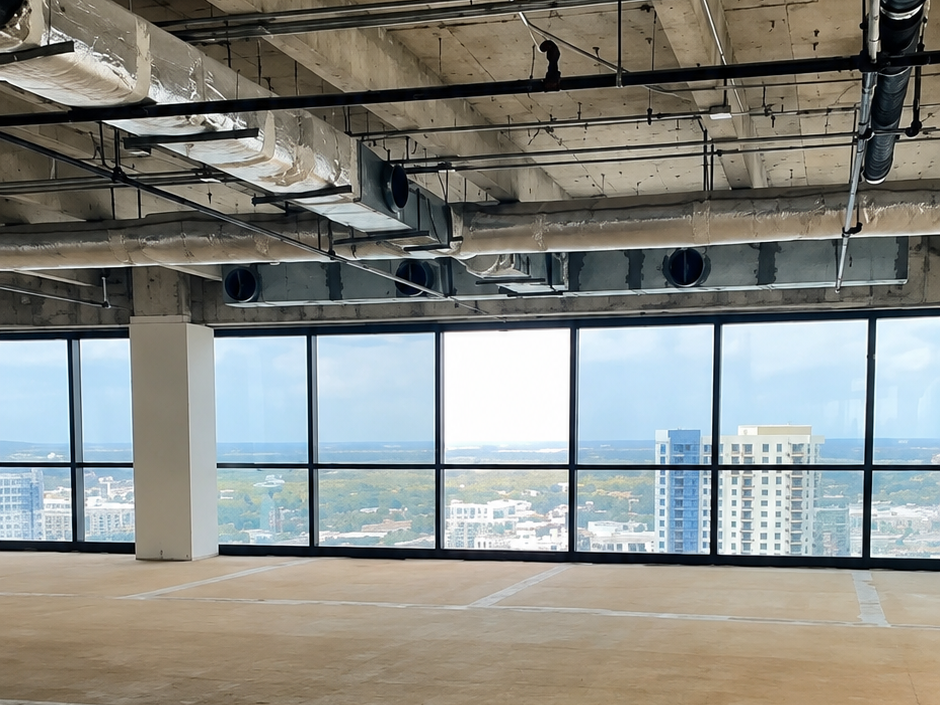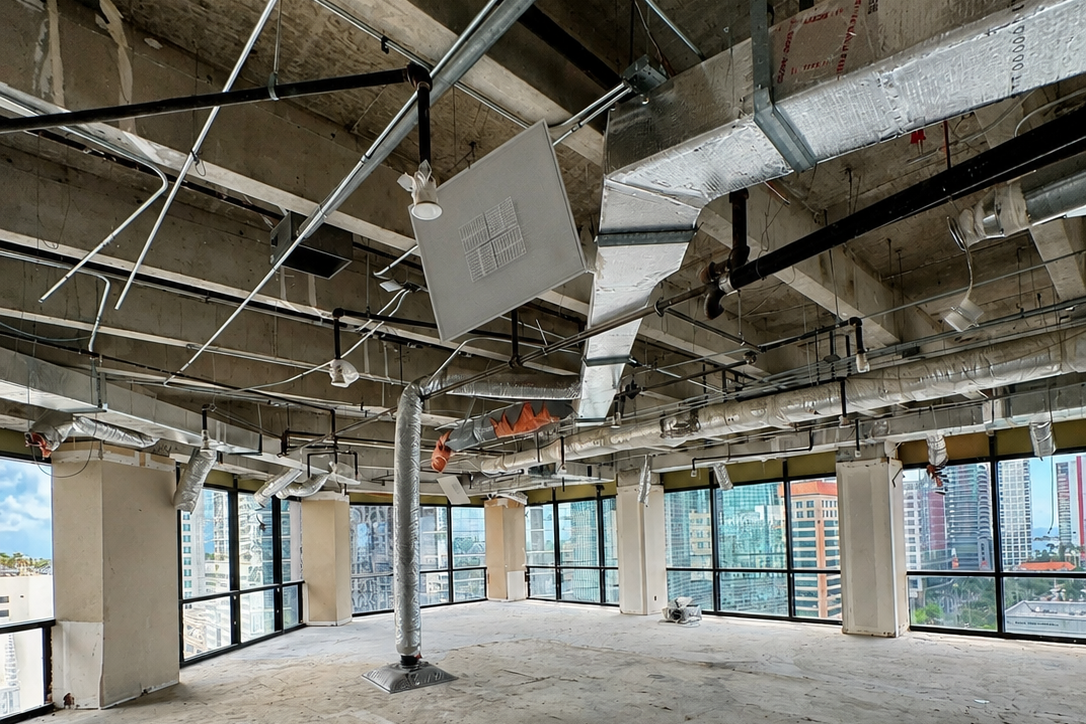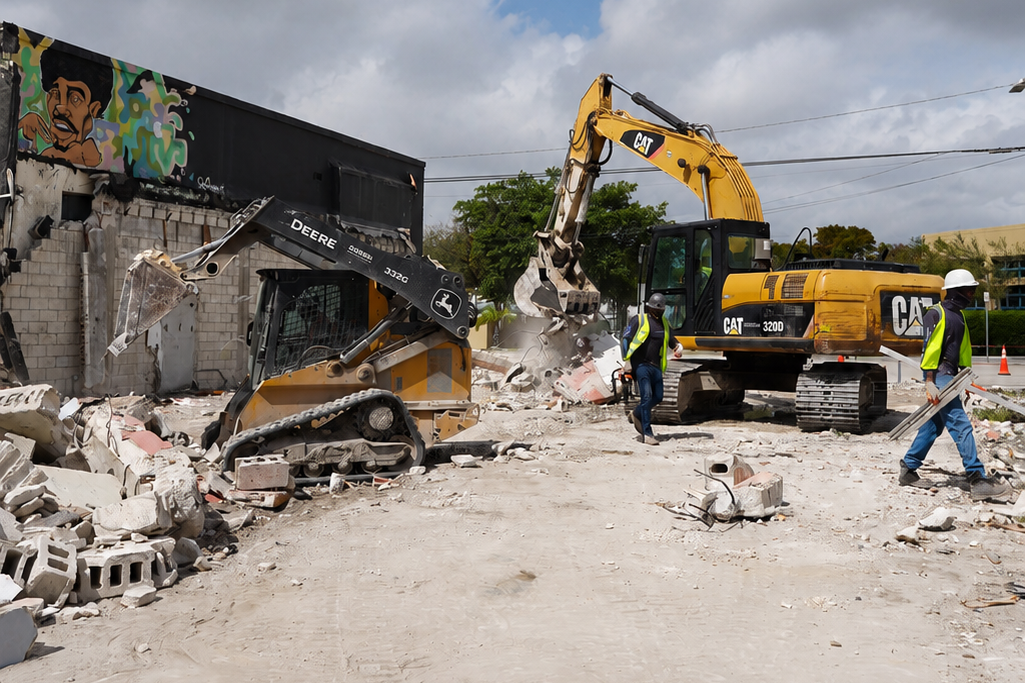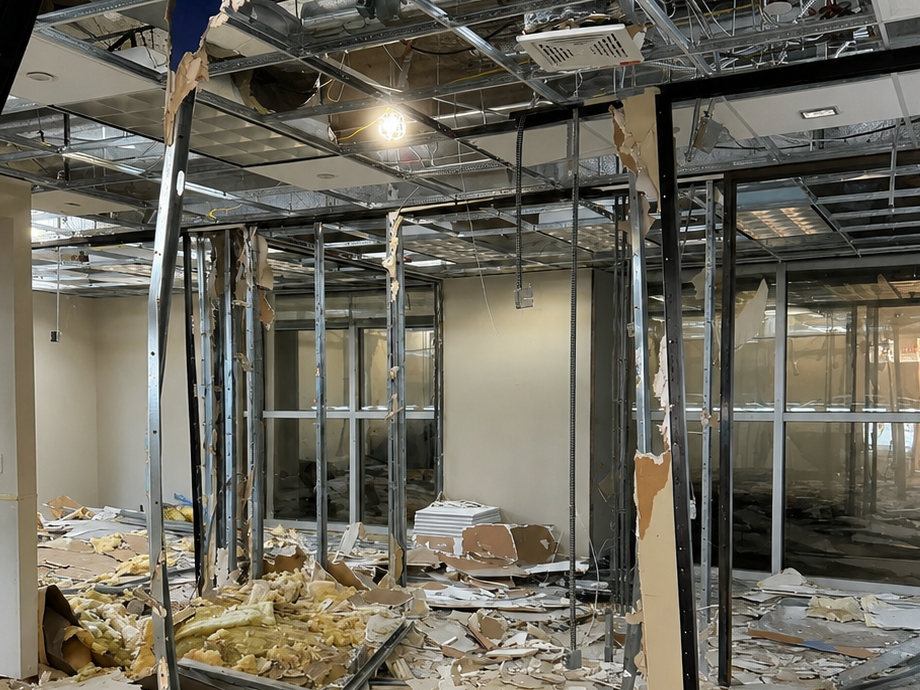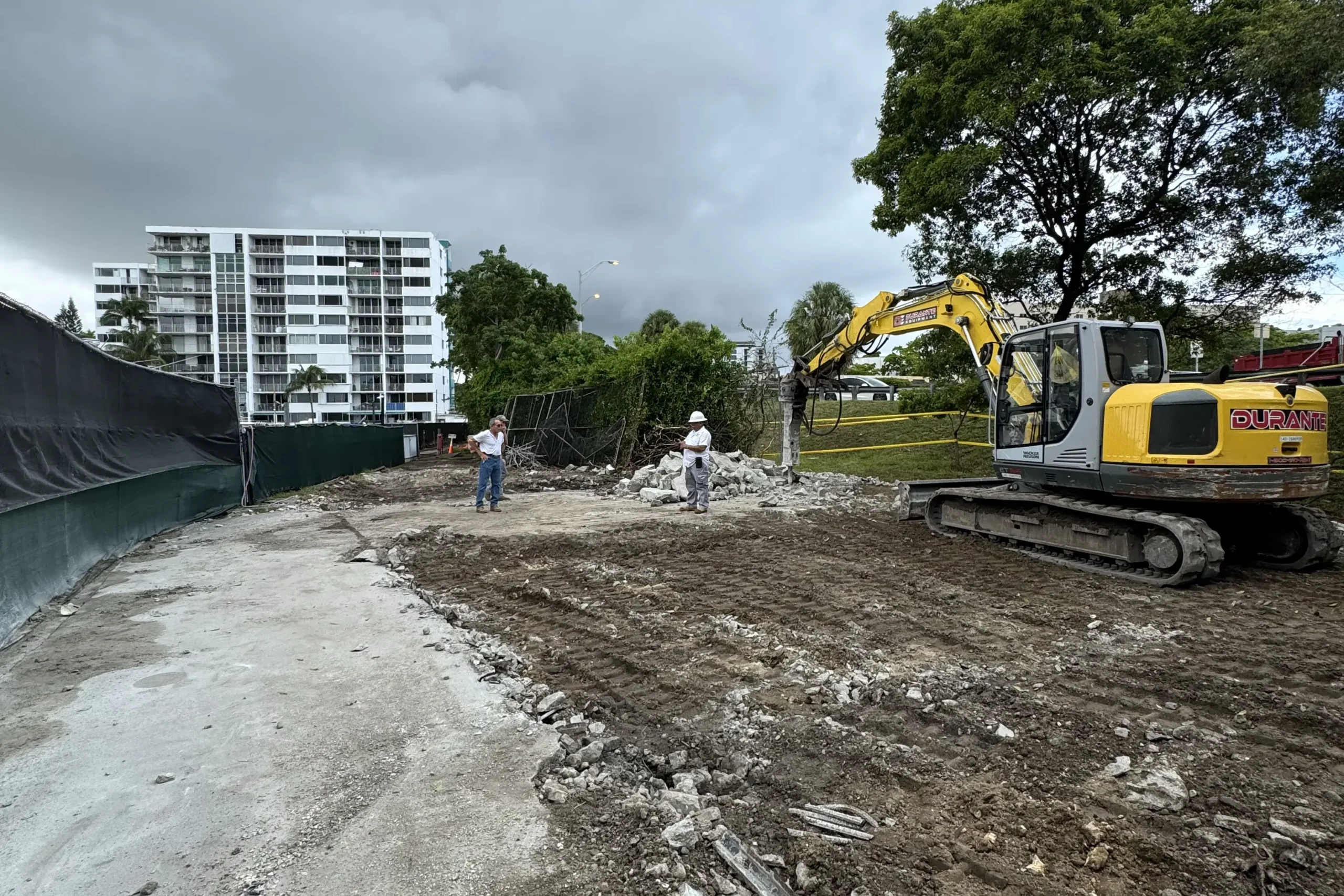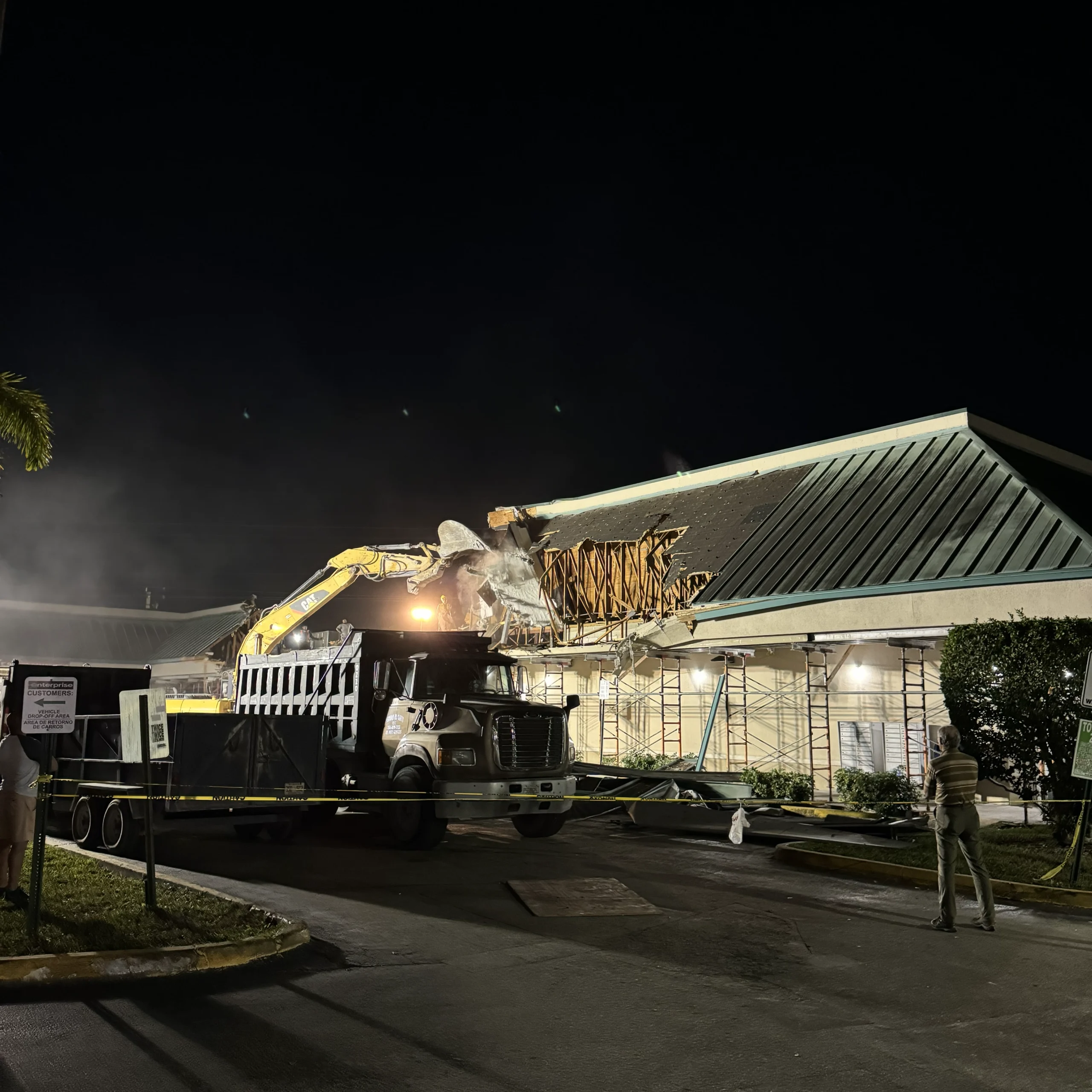
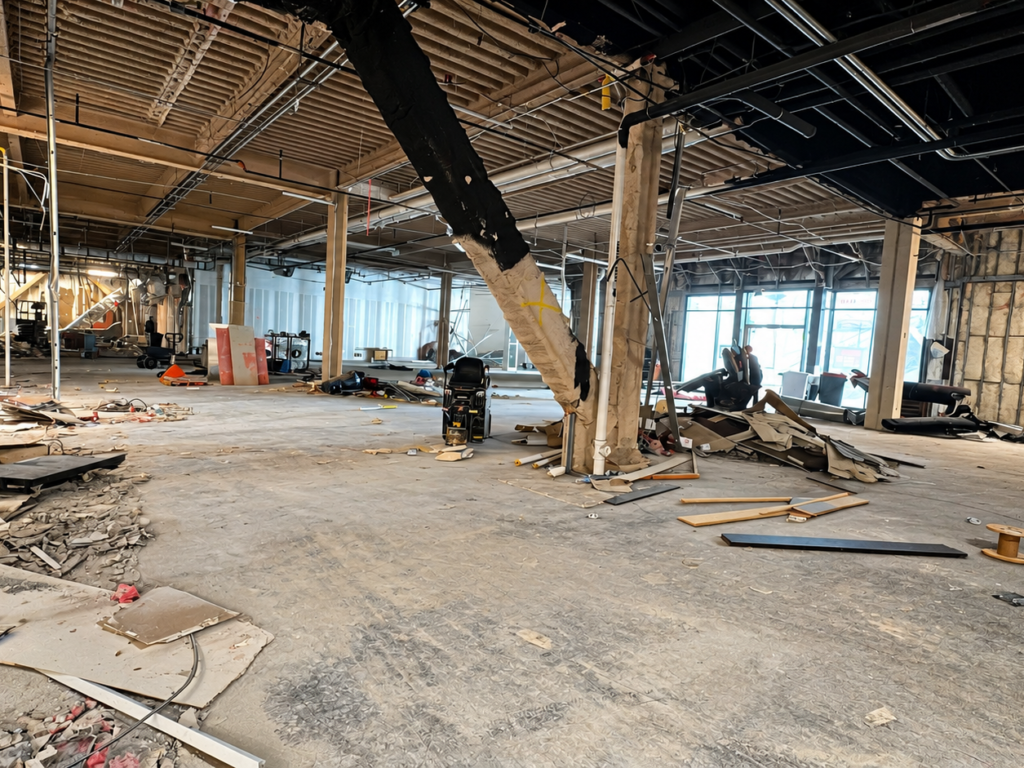
Miami’s continued growth has led to an increasing number of mixed-use developments that combine retail, office, residential, hospitality, dining, and entertainment spaces within a single property. From large developments in Downtown Miami and Brickell to commercial centers throughout Miami-Dade County, these properties are designed to bring multiple uses together in one location.
When mixed-use properties undergo renovations, tenant improvements, or redevelopment, demolition can become one of the most important early phases of the project. Unlike demolition in a standalone commercial space, mixed-use developments often require contractors to work around multiple tenants, different building uses, shared access points, and active areas of the property.
For general contractors, developers, and property managers, working with an experienced commercial demolition contractor in Miami can help ensure the demolition scope is completed efficiently while preparing the property for the next phase of construction.
What Is a Mixed-Use Development?
A mixed-use development combines multiple types of spaces within the same building or property. A single development may include ground-floor retail and restaurants, office space, residential units, hotels, parking structures, and shared common areas.
Because these spaces serve different purposes, renovation projects within mixed-use developments can involve a wide range of demolition scopes.
A retail tenant may require a complete interior demolition before a new buildout begins, while an office renovation may involve selective removal of partitions, ceilings, flooring, and finishes. Restaurant spaces may require demolition of kitchens, bars, millwork, and specialty finishes, while common areas may be renovated without affecting the surrounding occupied spaces.
This variety makes planning and coordination particularly important.
Selective Demolition in Mixed-Use Properties
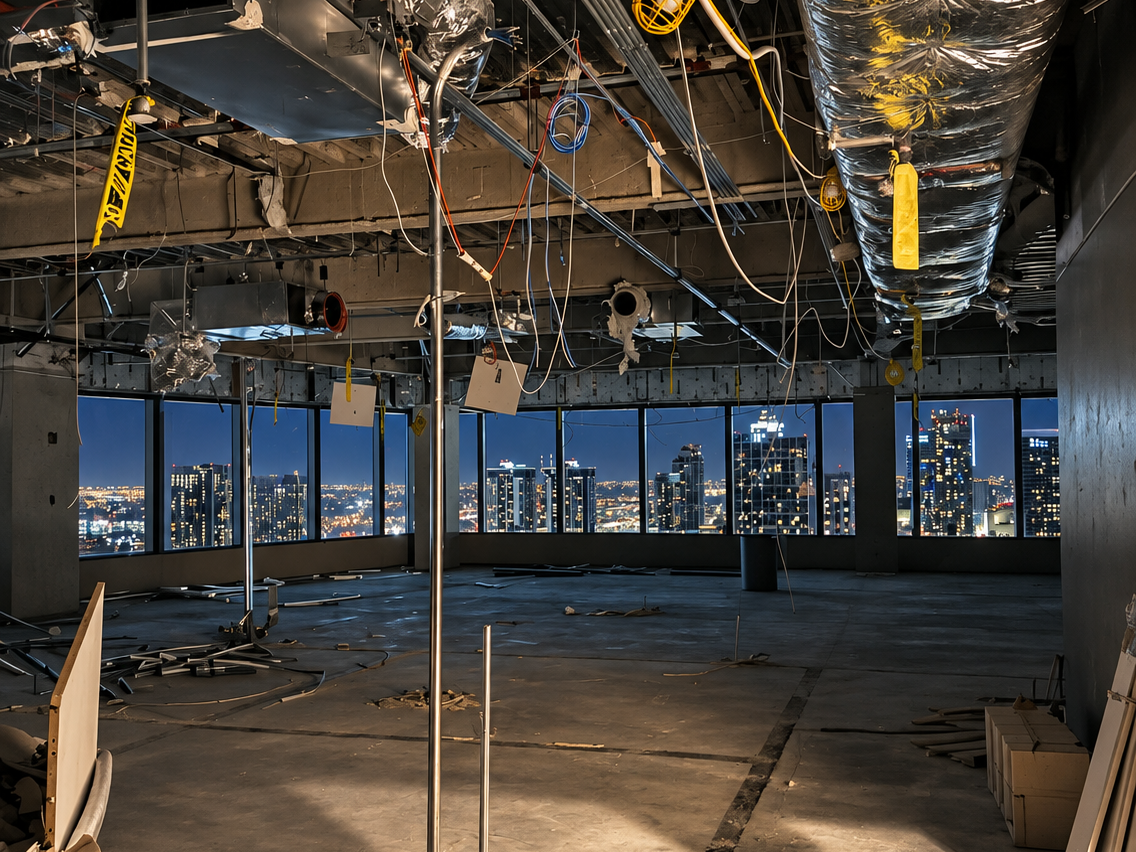
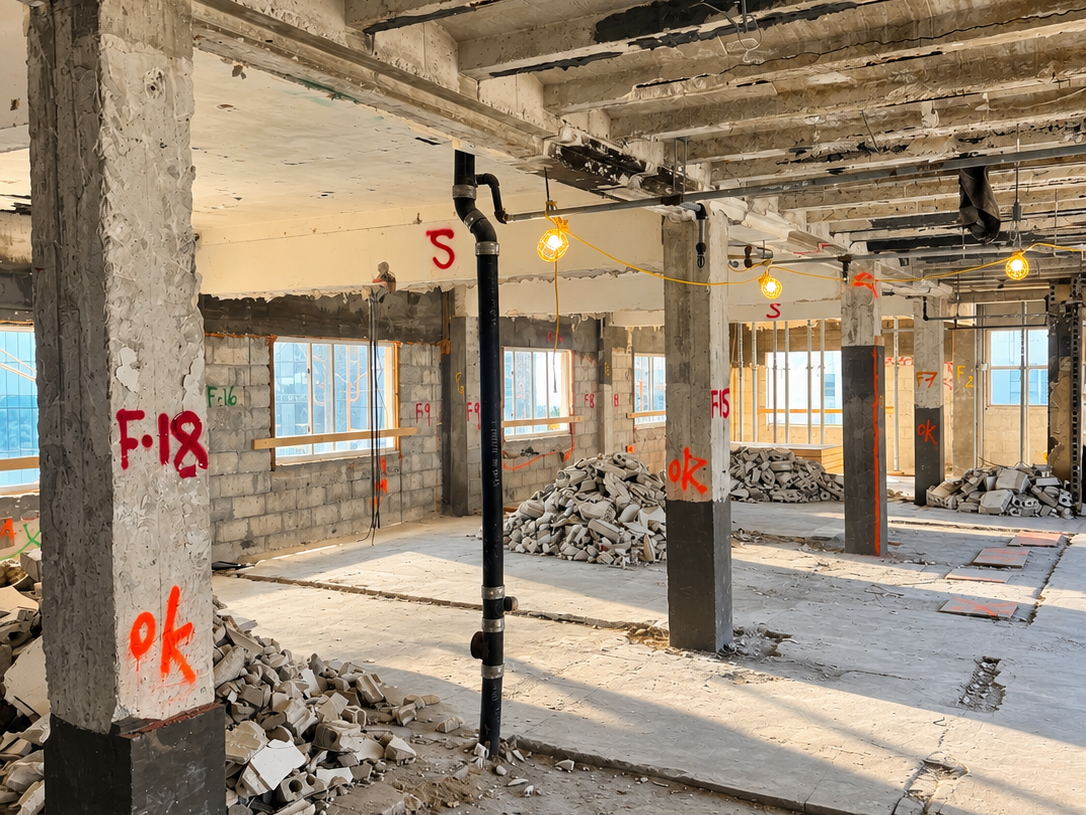
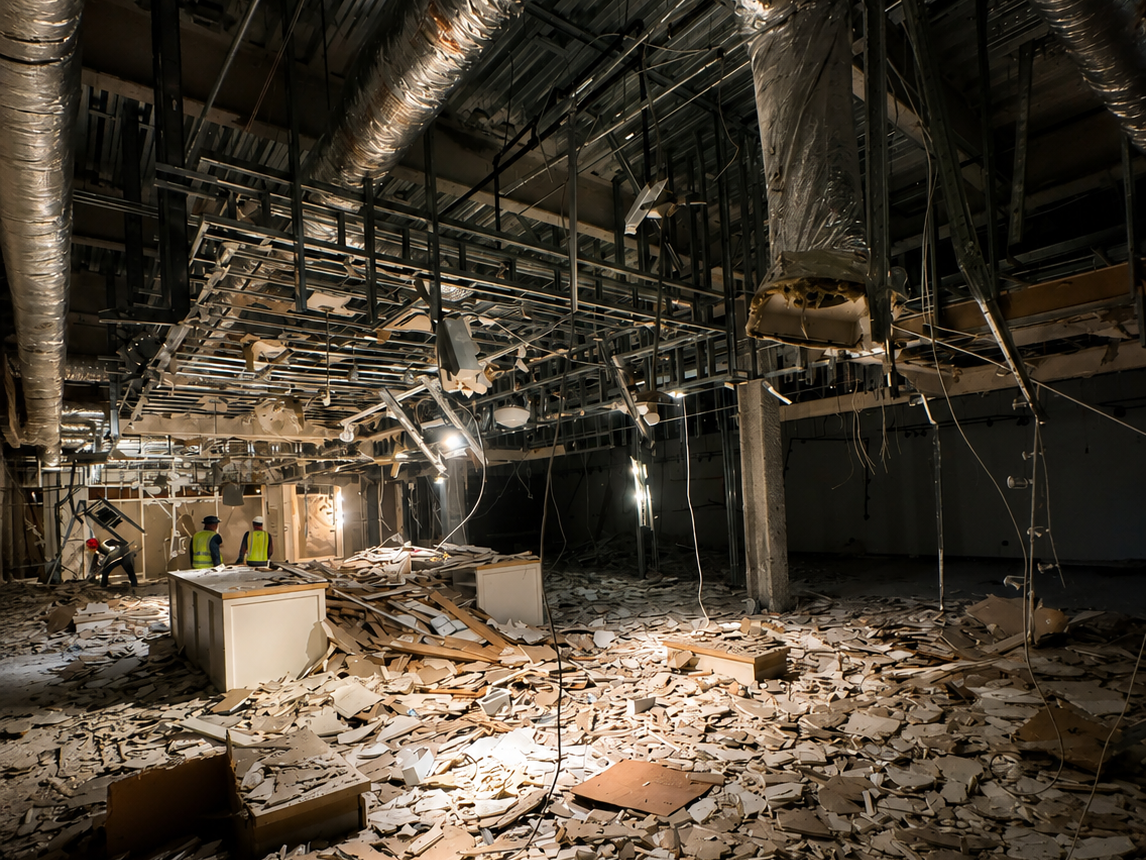
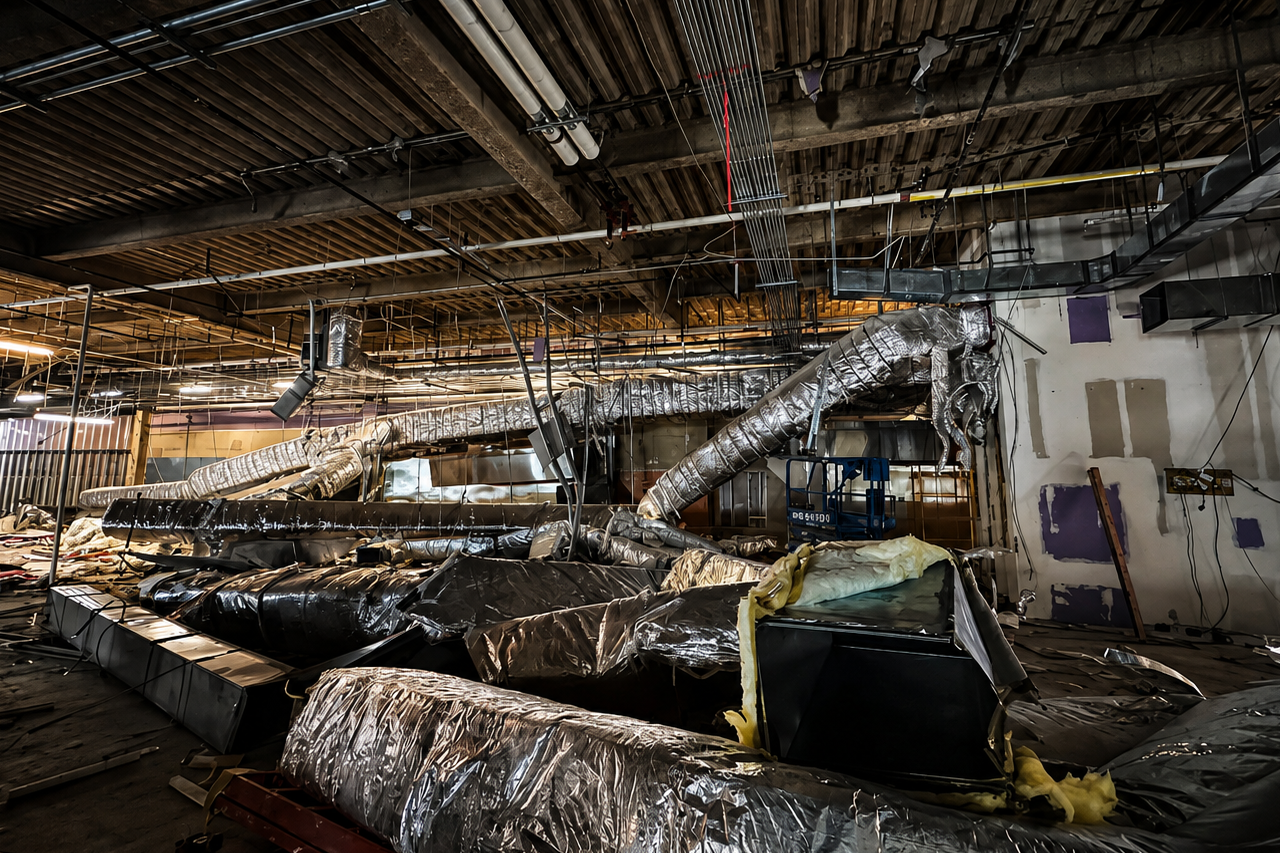
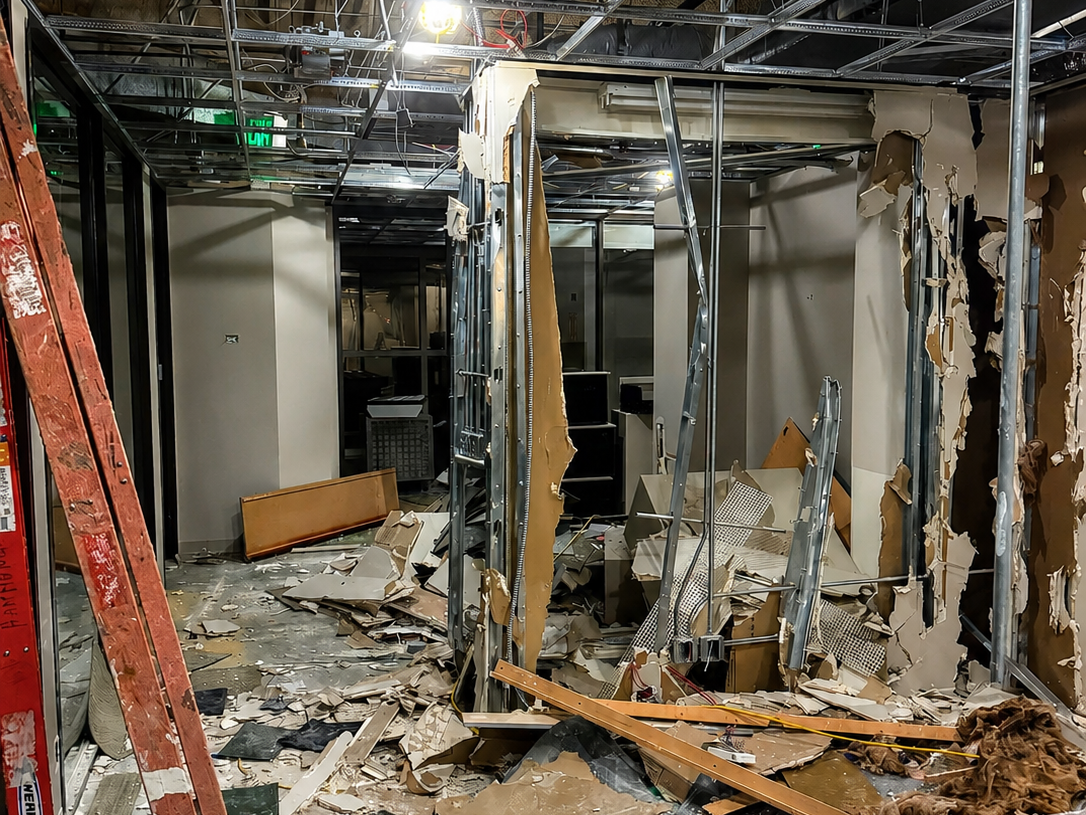
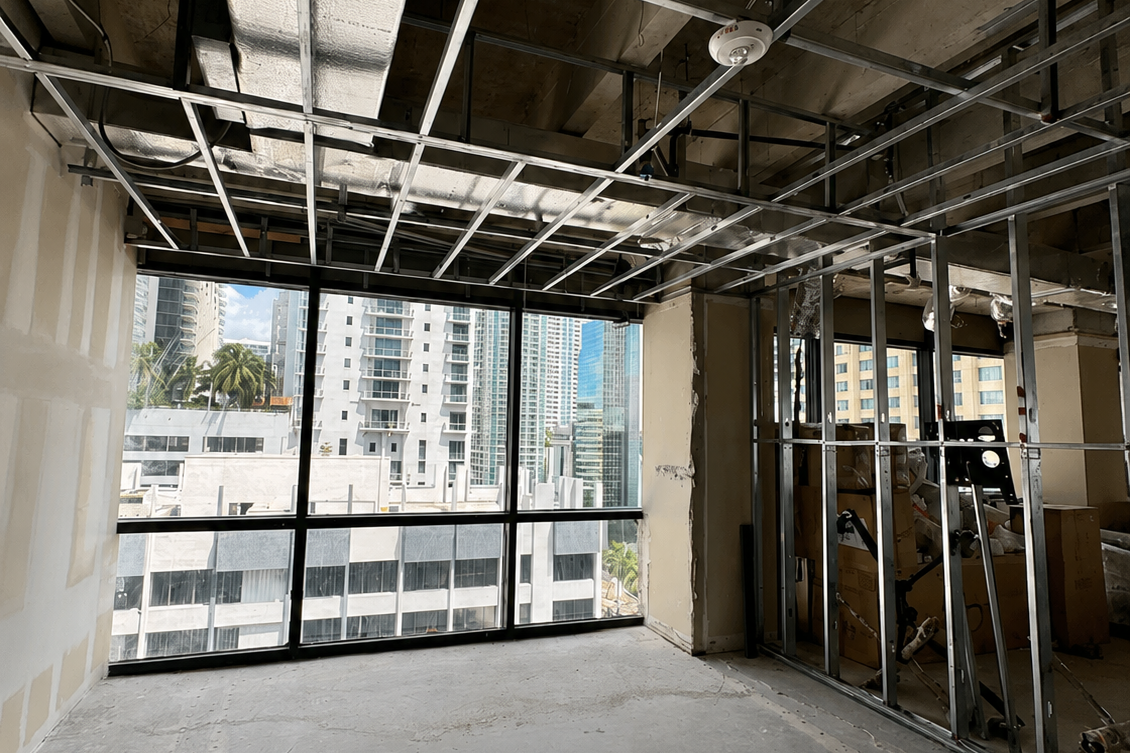
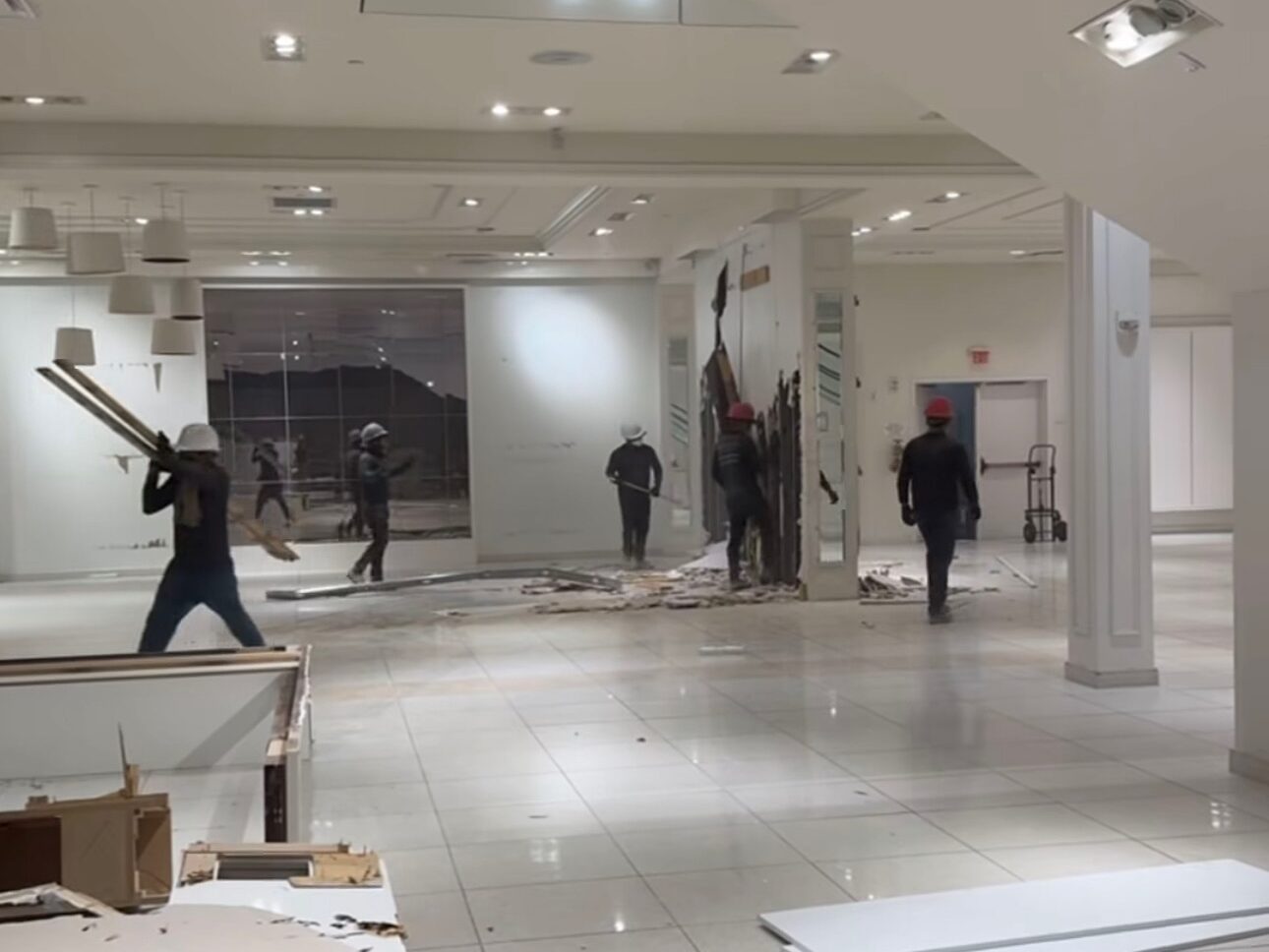
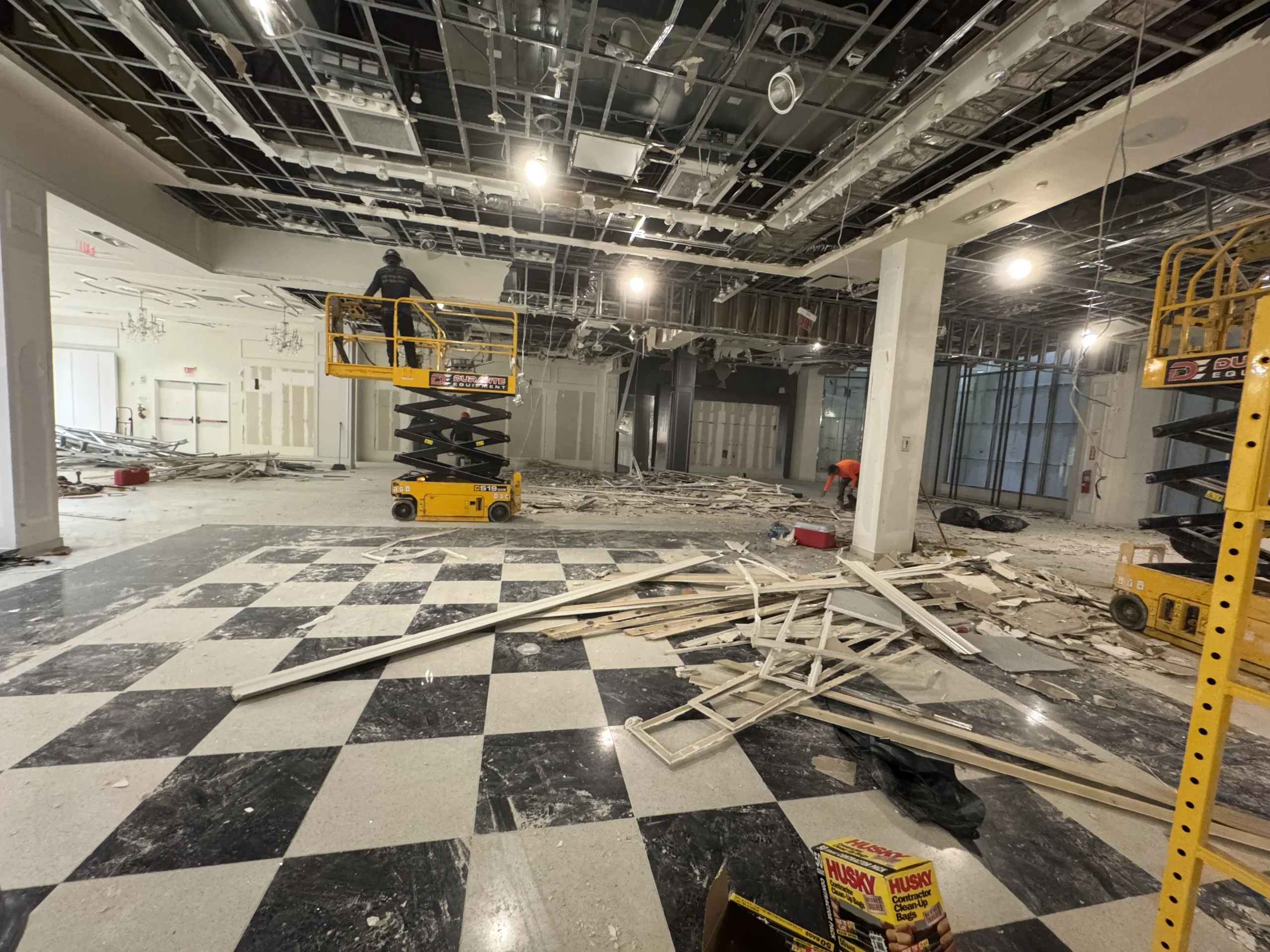
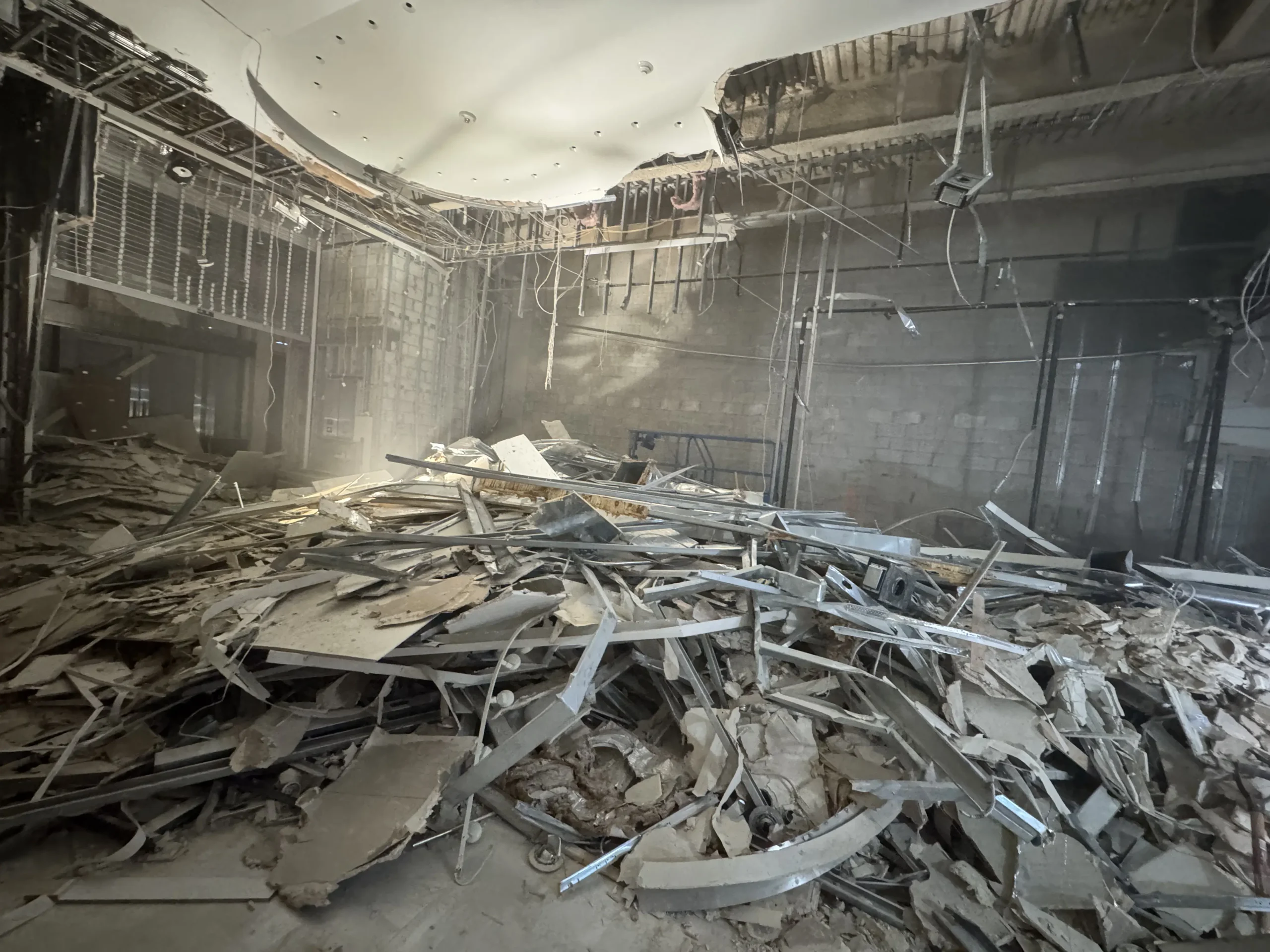
Many mixed-use renovation projects do not require complete structural demolition. Instead, selective demolition allows specific building components to be removed while surrounding areas remain intact.
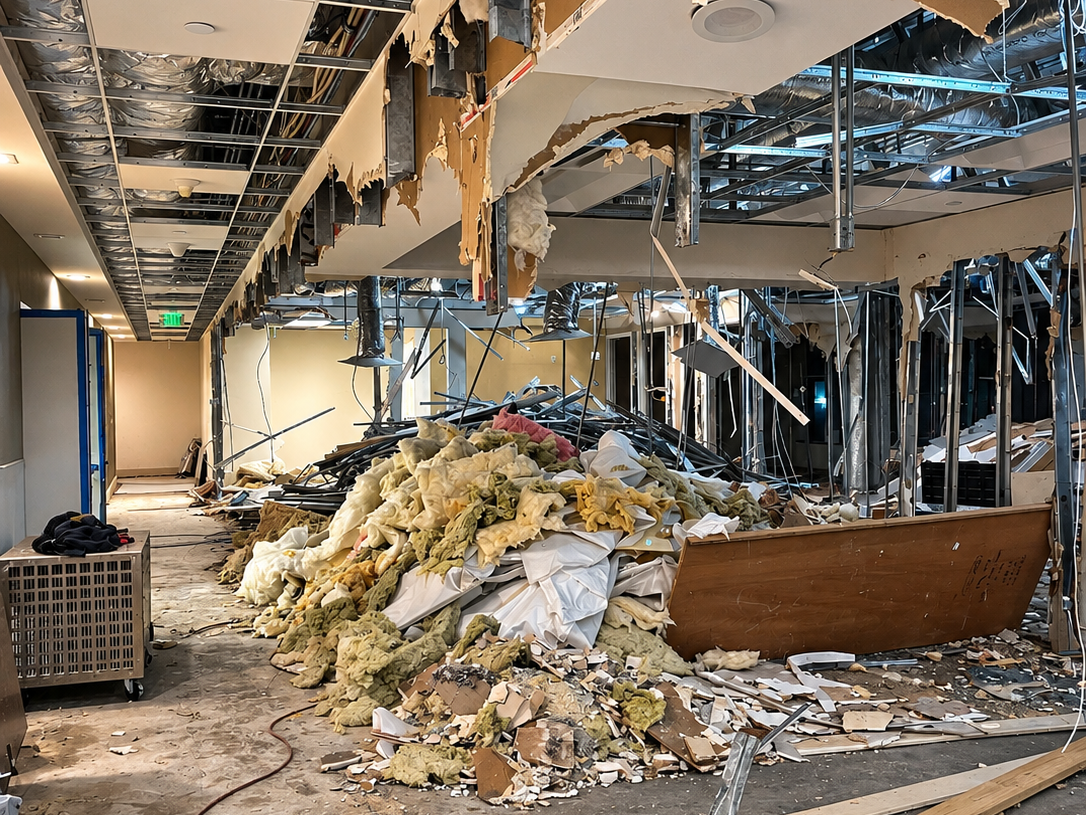
Depending on the project, commercial selective demolition may include:
- Interior partitions and non-structural walls
- Flooring and floor finishes
- Acoustical ceilings and ceiling systems
- Doors, frames, and hardware
- Millwork and cabinetry
- Restrooms and interior fixtures
- Storefront components
- Existing finishes
- Selected mechanical, electrical, or plumbing components within the demolition scope
Selective demolition helps create a clean starting point for new construction while preserving portions of the property that will remain.
For mixed-use developments, precision becomes especially important because demolition may take place directly beside occupied tenant spaces or areas that are not included in the renovation.
Working Around Active Commercial Spaces
One of the biggest challenges of commercial demolition in mixed-use developments is that the entire property may not close during construction.
Restaurants may continue serving customers. Retail stores may remain open. Offices may continue operating, and residents or hotel guests may still need access to other parts of the building.
As a result, demolition contractors may need to coordinate work around building operations and the overall construction schedule.
Site access, debris removal routes, equipment staging, noise-producing activities, elevators, loading areas, and temporary barriers can all become important considerations.
Clear communication between the demolition subcontractor, general contractor, property management team, and other trades helps ensure that demolition activities remain coordinated with the rest of the project.
Limited Access and Debris Removal
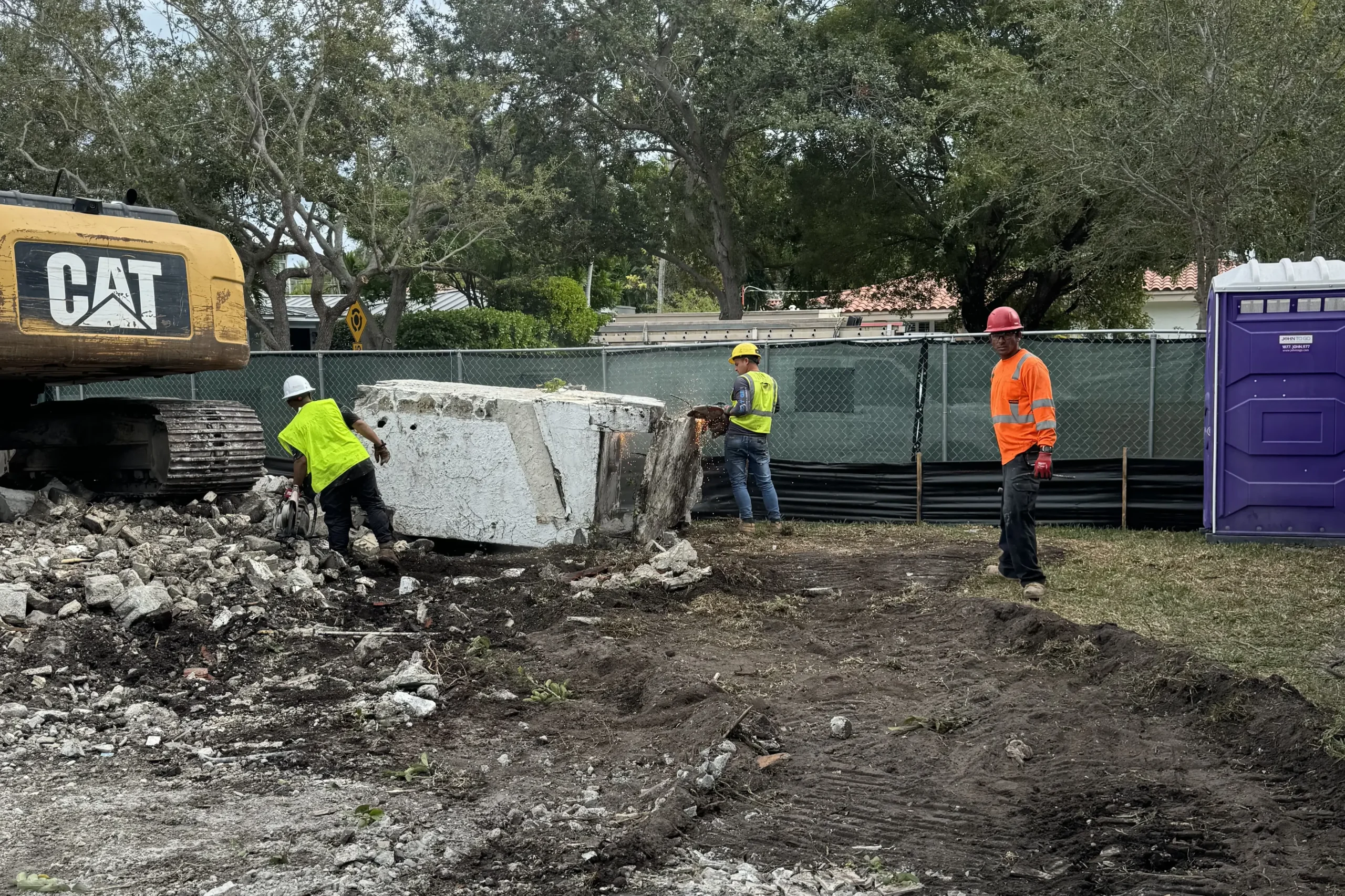
Mixed-use developments in Miami can also present logistical challenges, particularly in dense areas where staging and equipment access are limited.
Unlike a vacant site with ample space for dumpsters and machinery, an active mixed-use property may have designated loading areas, limited service entrances, shared parking structures, or specific routes contractors must use.
Debris removal therefore requires planning before demolition begins.
Contractors may need to determine how demolition debris will move from the work area to the designated disposal location without interfering with tenants, customers, residents, or other construction activities.
For projects in busy areas of Miami, efficient debris management can play an important role in keeping the demolition phase moving according to schedule.
Coordination With General Contractors and Other Trades
Demolition is often one of the first major construction activities to take place during a commercial renovation, which means its progress can affect the trades that follow.
Once demolition is complete, framing, electrical, plumbing, HVAC, flooring, and other contractors may need access to begin their work.
For this reason, an experienced commercial demolition subcontractor in Miami should understand how its scope fits within the larger construction schedule.
Reviewing demolition plans, attending site walks, identifying existing conditions, communicating field discoveries, and coordinating with the general contractor can help reduce unnecessary interruptions between demolition and new construction.
In mixed-use developments, this coordination becomes even more important because several renovation scopes or tenant spaces may be progressing simultaneously.
Understanding Existing Conditions Before Demolition
Existing conditions do not always match what appears on construction drawings.
Previous tenant improvements, undocumented renovations, concealed materials, abandoned components, or changes made throughout the building’s history may only become visible once demolition begins.
Mixed-use properties can be particularly complex because different portions of the building may have been renovated at different times.
A thorough site walk before work begins allows the demolition contractor and project team to better understand access, existing materials, site logistics, and potential challenges that could affect the scope.
When unexpected conditions are discovered during demolition, timely communication with the general contractor is essential so the project team can determine the appropriate next step.
Commercial Demolition for Miami’s Changing Properties
Mixed-use developments are an important part of Miami’s commercial landscape. As neighborhoods grow and properties evolve, existing spaces are continually being renovated for new tenants, new concepts, and new uses.
Commercial demolition helps make those transformations possible.
Whether the project involves a retail buildout, restaurant renovation, office space, hospitality property, common area, or a larger redevelopment, careful demolition provides the foundation for the construction work that follows.
At Next Gen Construction & Demolition, we provide commercial demolition and selective demolition services for projects throughout Miami-Dade and South Florida. Our team works with general contractors, developers, and project teams to complete demolition scopes safely, efficiently, and with the coordination required for complex commercial environments.
Looking for a Commercial Demolition Contractor in Miami?
If you are planning a mixed-use renovation, tenant improvement, or commercial redevelopment project, Next Gen Construction & Demolition can review your demolition scope and project requirements.
Contact our team to discuss your upcoming project or invite Next Gen Construction & Demolition to bid on your next commercial demolition project in Miami or South Florida.