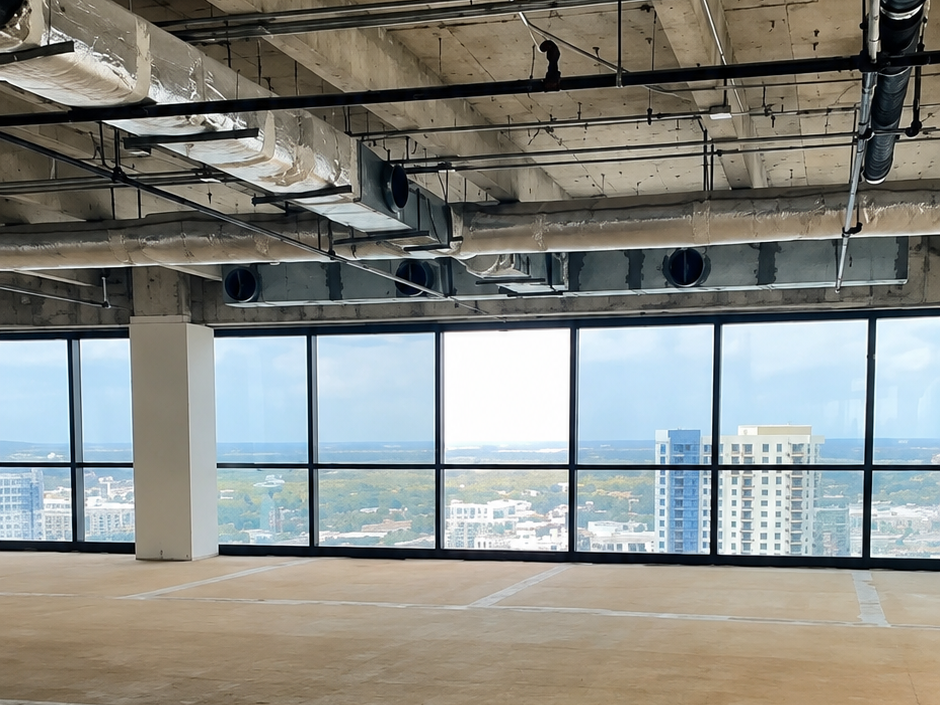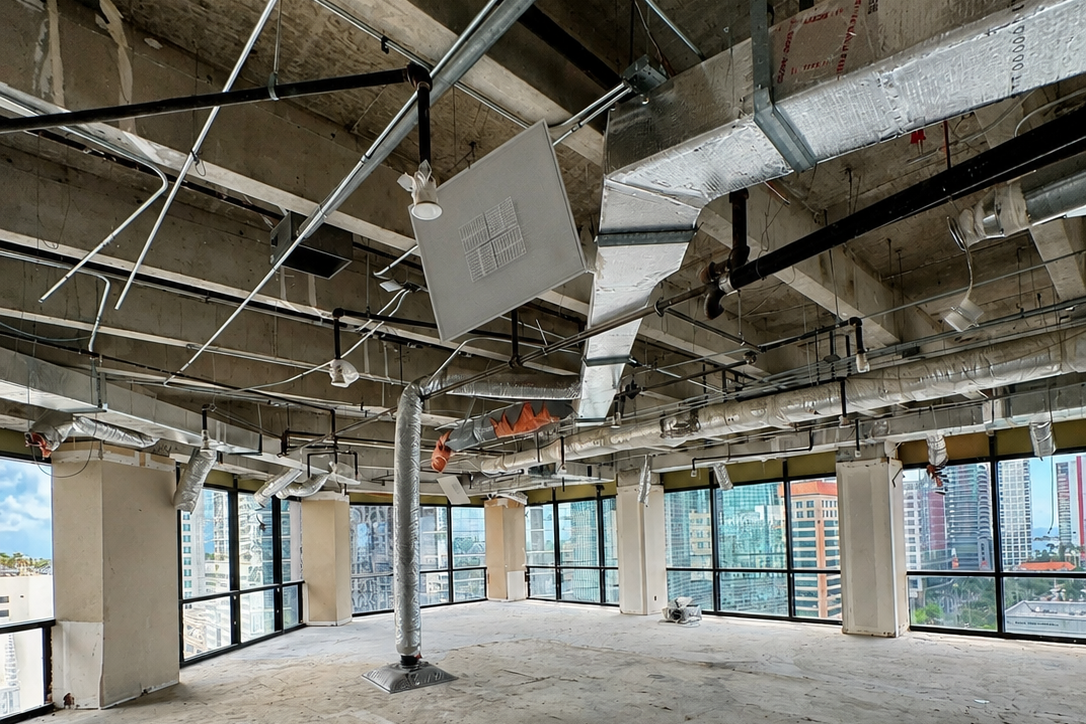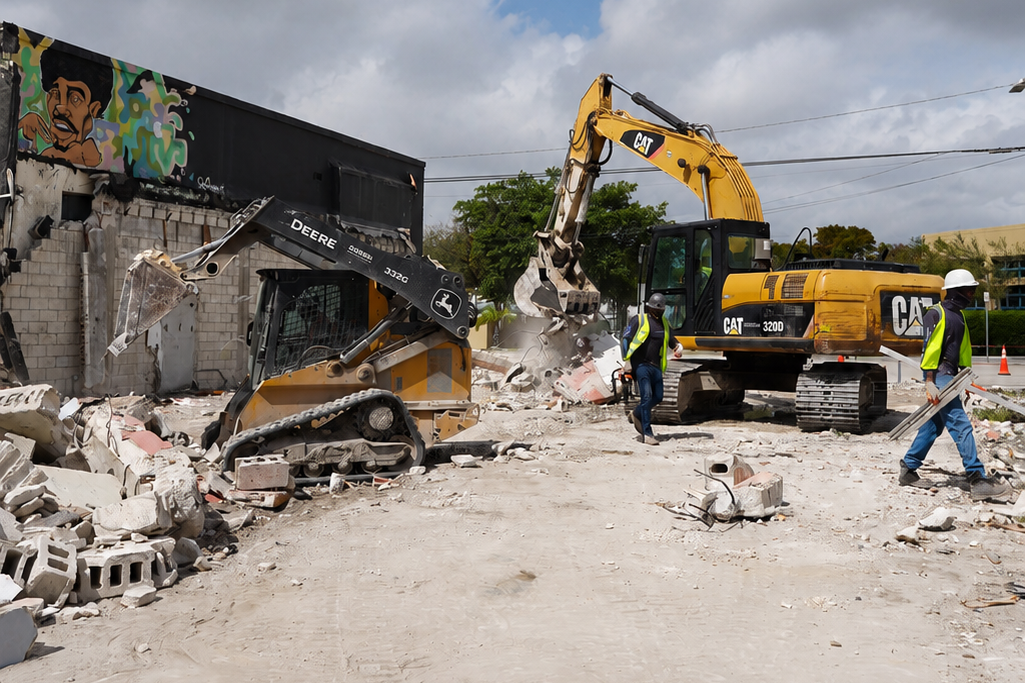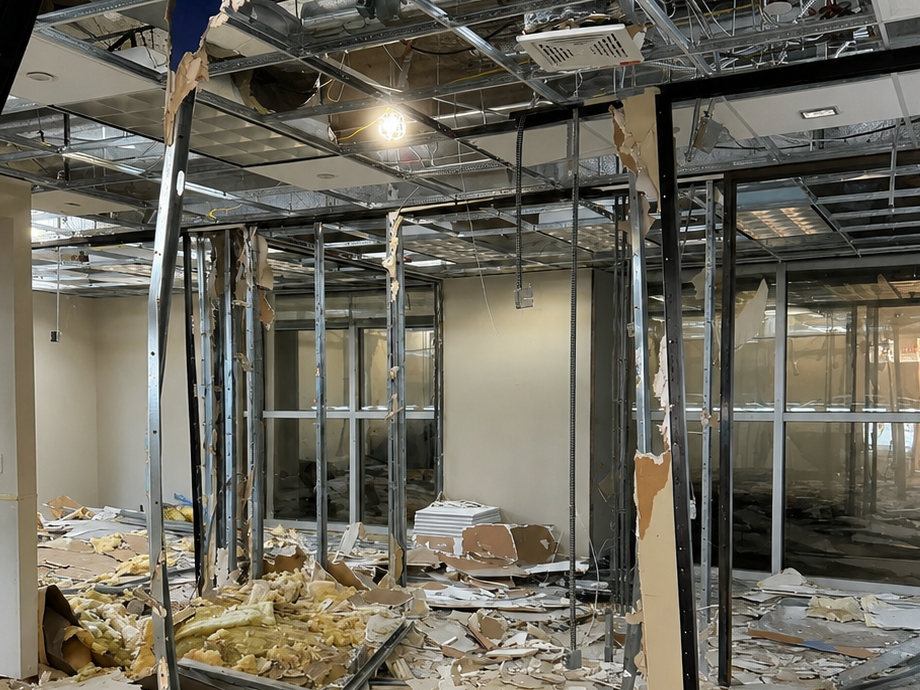
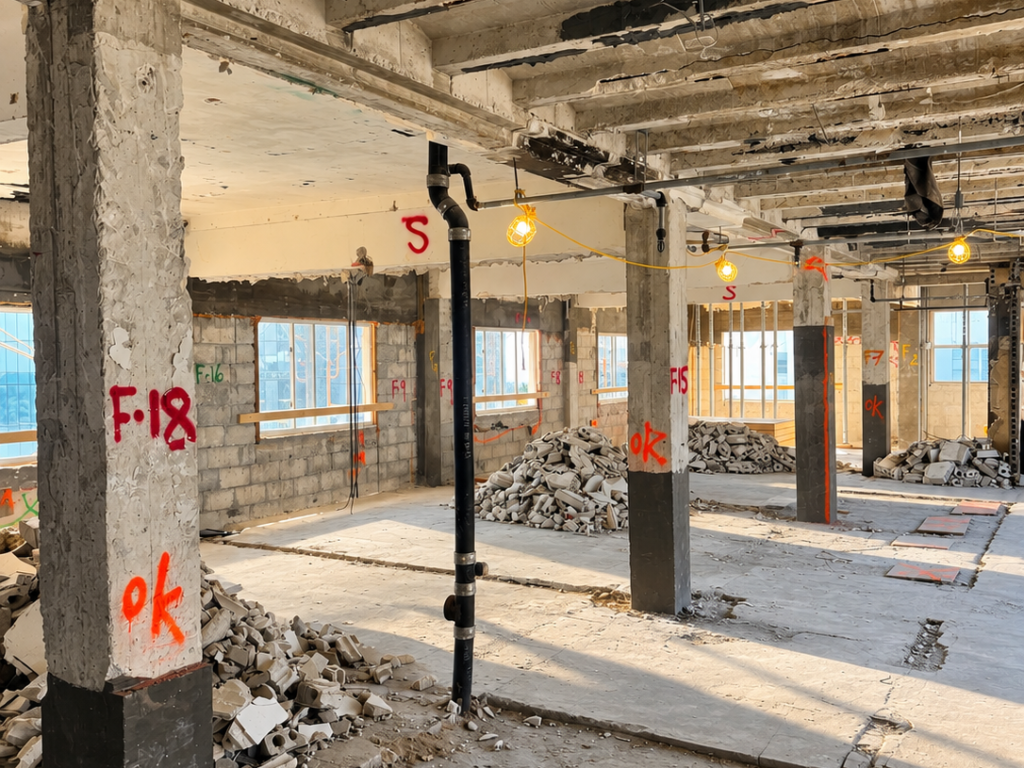
General contractors rely on experienced subcontractors to keep commercial construction projects moving safely, efficiently, and according to schedule. While every trade plays an important role, demolition is often one of the first major phases of a renovation, redevelopment, or tenant improvement project. The quality of the demolition work can directly affect the trades that follow.
Choosing the right commercial demolition subcontractor involves more than comparing prices. General contractors need a demolition team that can accurately interpret project plans, understand the scope of work, coordinate with other trades, protect existing conditions, manage debris, follow project safety requirements, and complete the work within the construction schedule.
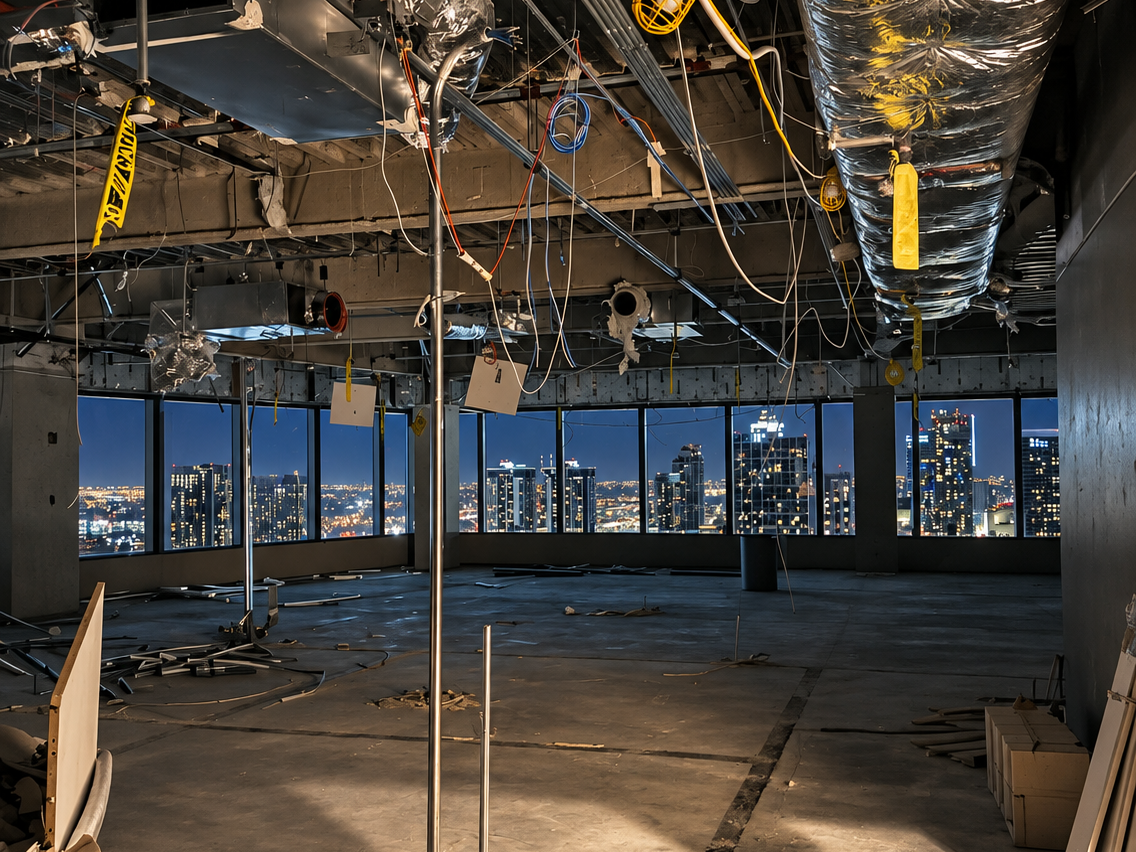
This is especially important in South Florida, where commercial demolition projects frequently take place inside active office buildings, retail centers, healthcare facilities, hotels, high-rises, restaurants, and mixed-use developments.
Understanding what to look for when evaluating a demolition subcontractor can help general contractors reduce risk and establish a stronger foundation for the rest of the project.
1. Experience With Commercial Demolition
One of the first considerations should be the subcontractor’s experience with commercial demolition.
Commercial demolition can be significantly different from residential demolition. Projects may involve larger buildings, complex construction documents, multiple trades, strict schedules, occupied properties, building management requirements, limited site access, and extensive coordination with the general contractor.
An experienced commercial demolition subcontractor should understand how demolition fits within the overall construction sequence rather than viewing the work as simply removing existing materials.
Depending on the project, demolition may involve office buildings, retail stores, restaurants, shopping centers, medical facilities, hotels, warehouses, commercial high-rises, or other specialized environments.
Experience across different commercial properties can be valuable because each type of building presents different logistical and operational challenges.
2. Selective Demolition Capabilities
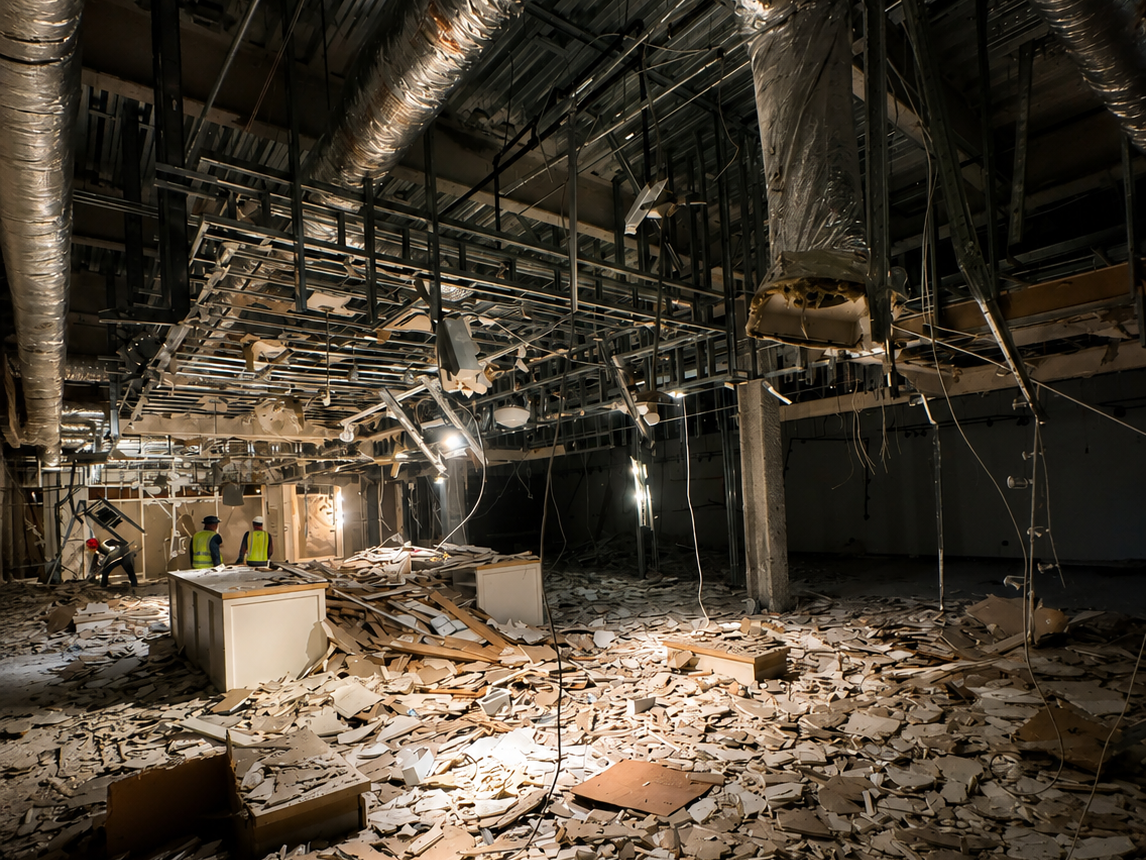
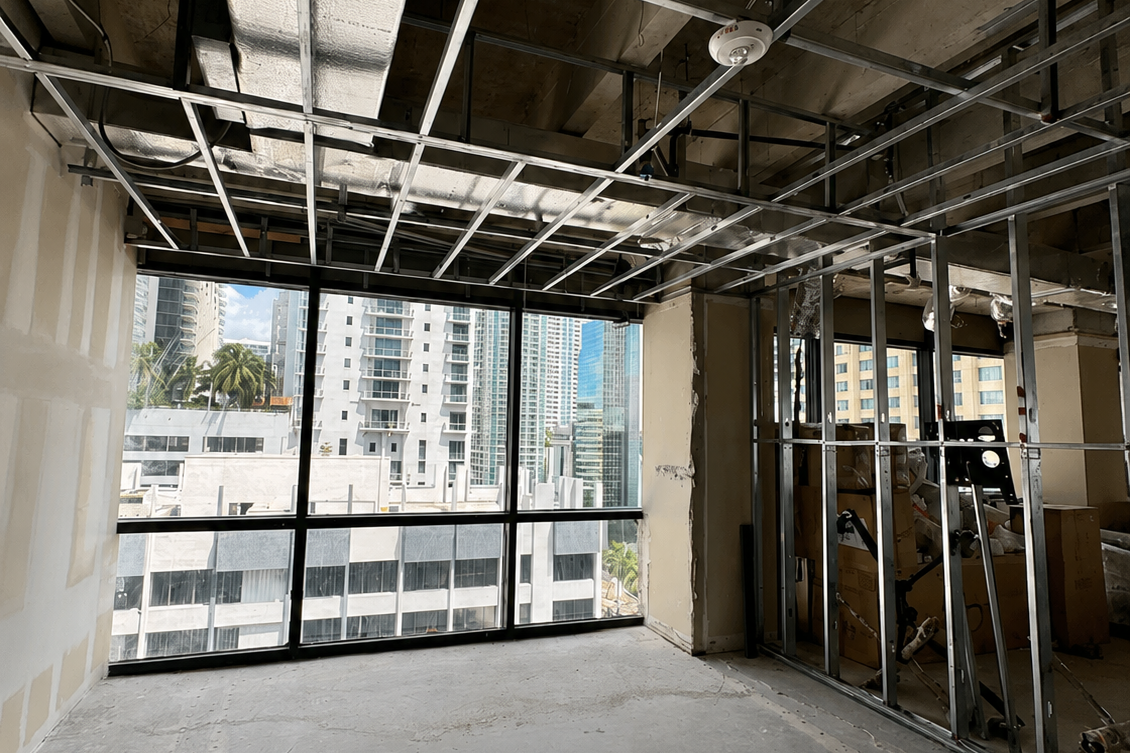
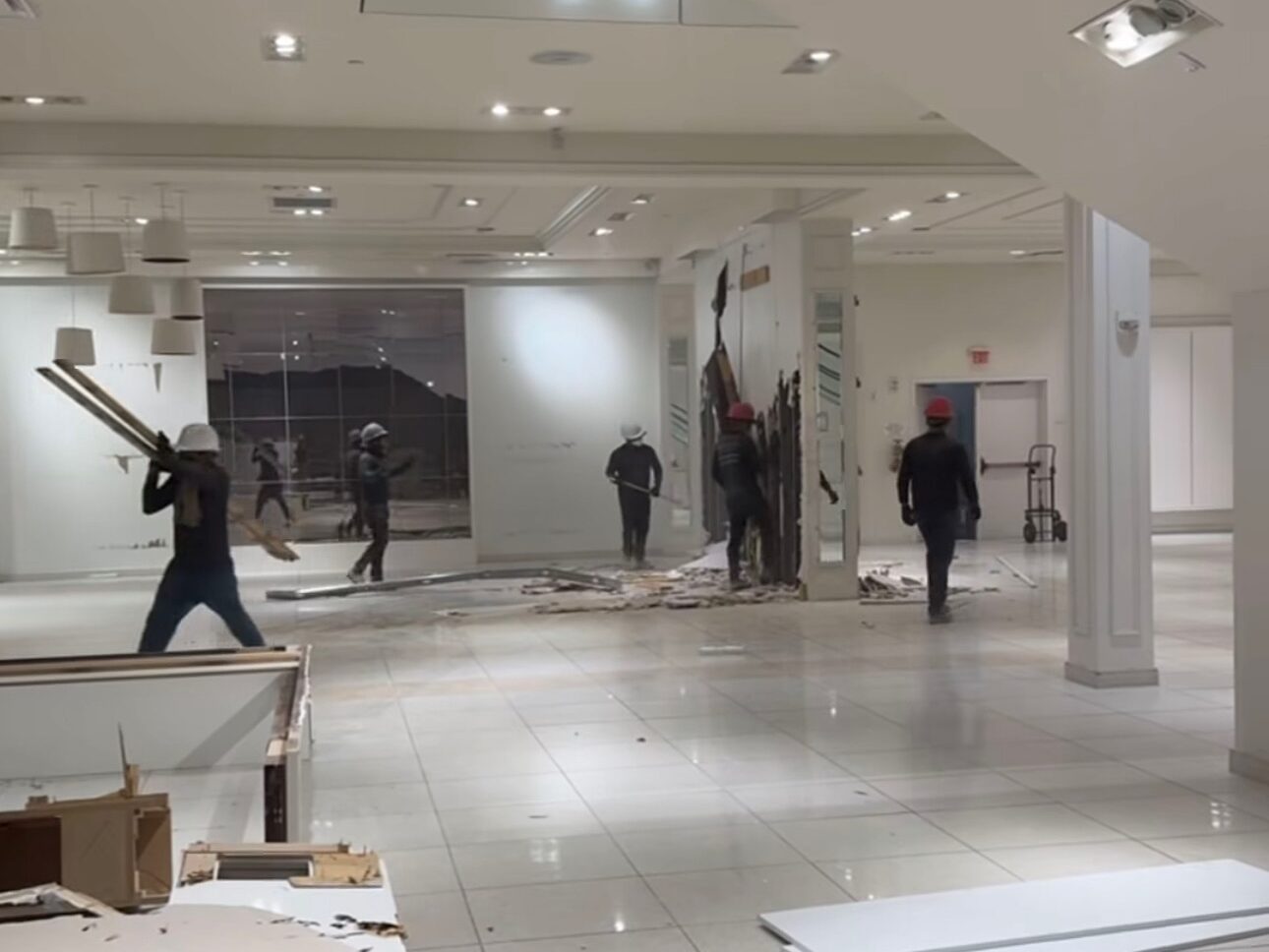
Many commercial renovation projects require selective demolition rather than complete structural demolition.
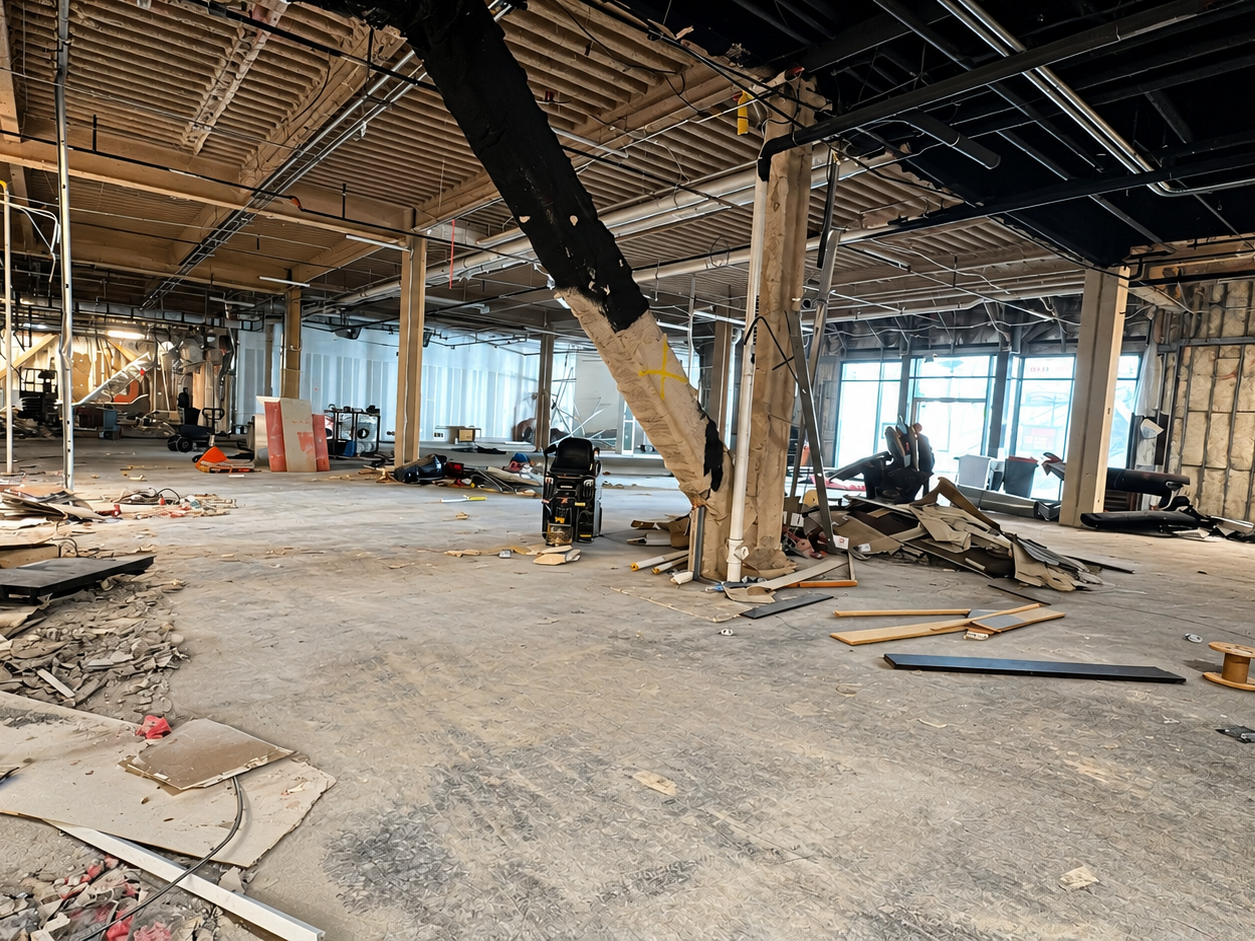
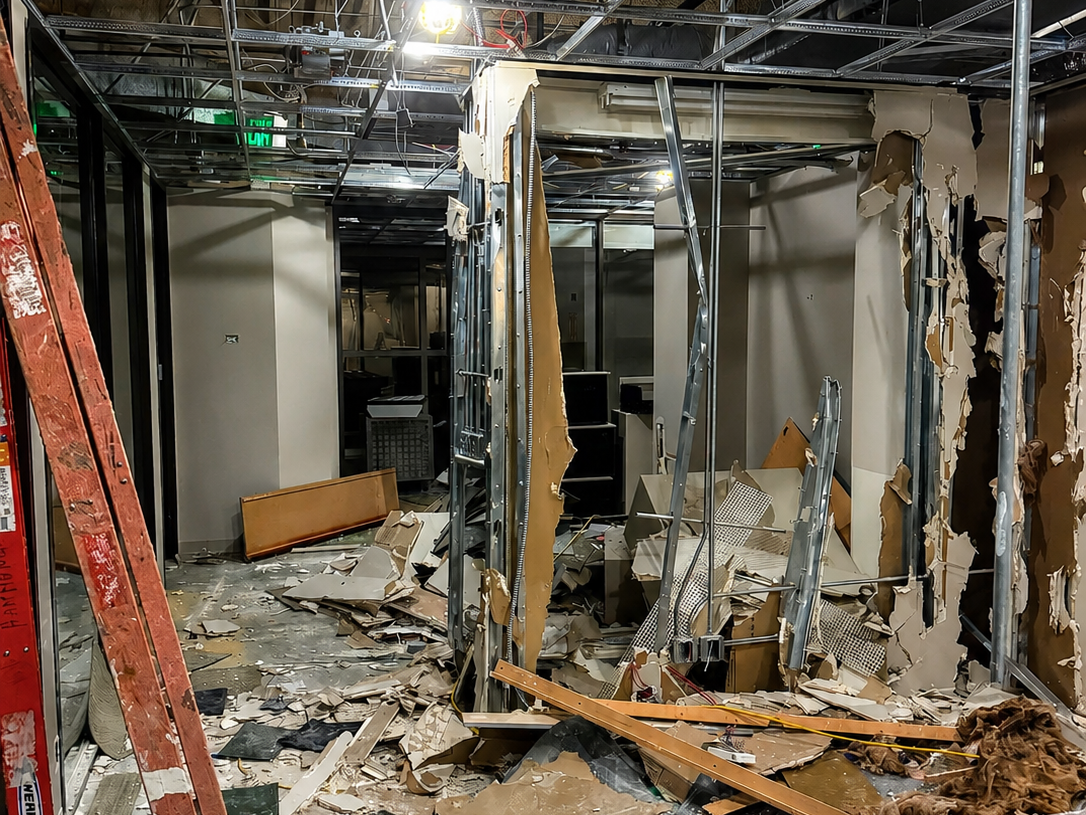
Selective demolition involves carefully removing specific building components while preserving surrounding areas and materials that will remain as part of the renovated property.
A typical selective demolition scope may include:
- Interior walls and partitions
- Flooring and floor finishes
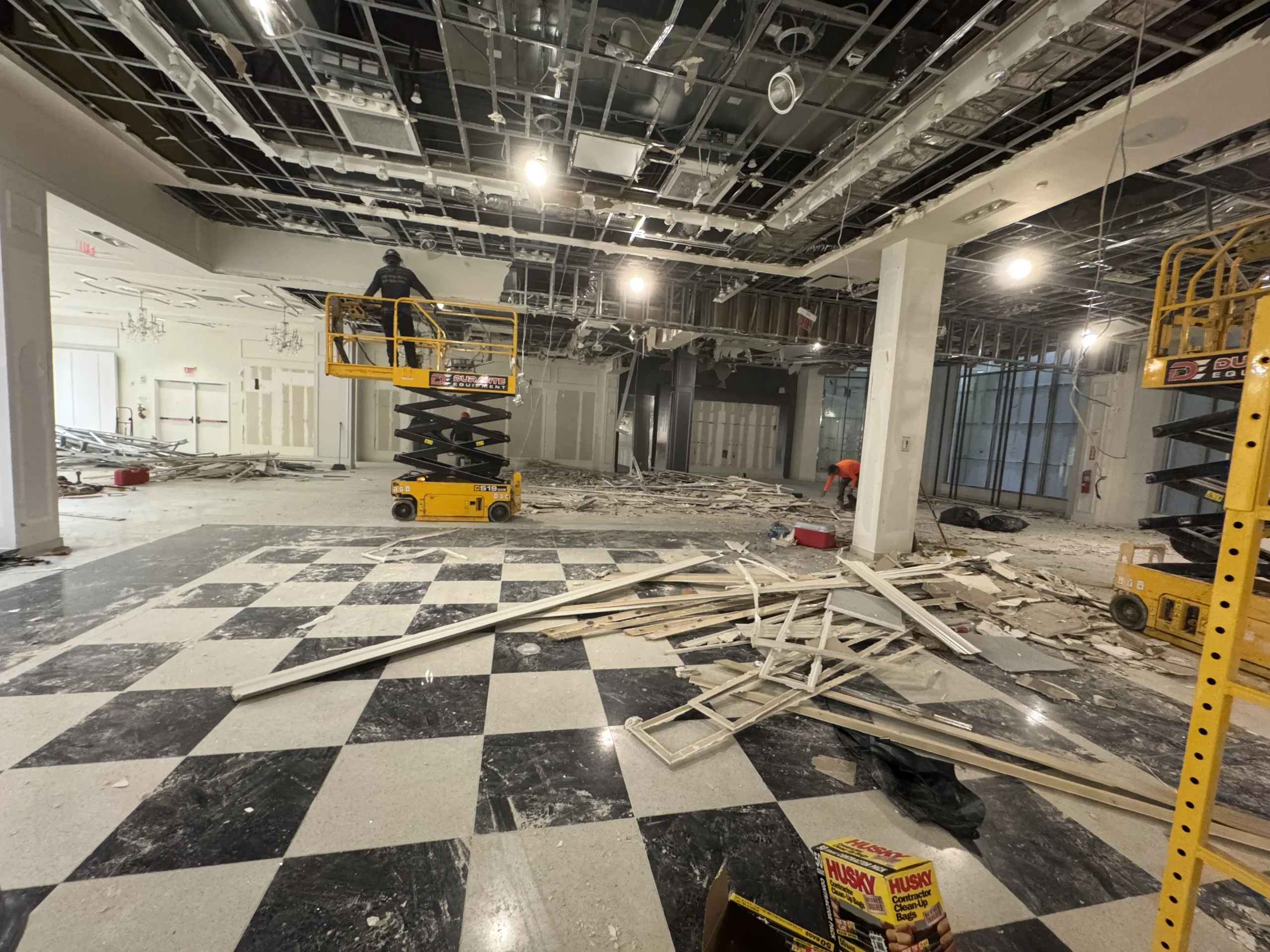
- Suspended ceilings and ceiling systems
- Doors, frames, and hardware
- Millwork and cabinetry
- Storefront components
- Restrooms and plumbing fixtures
- Existing equipment and fixtures
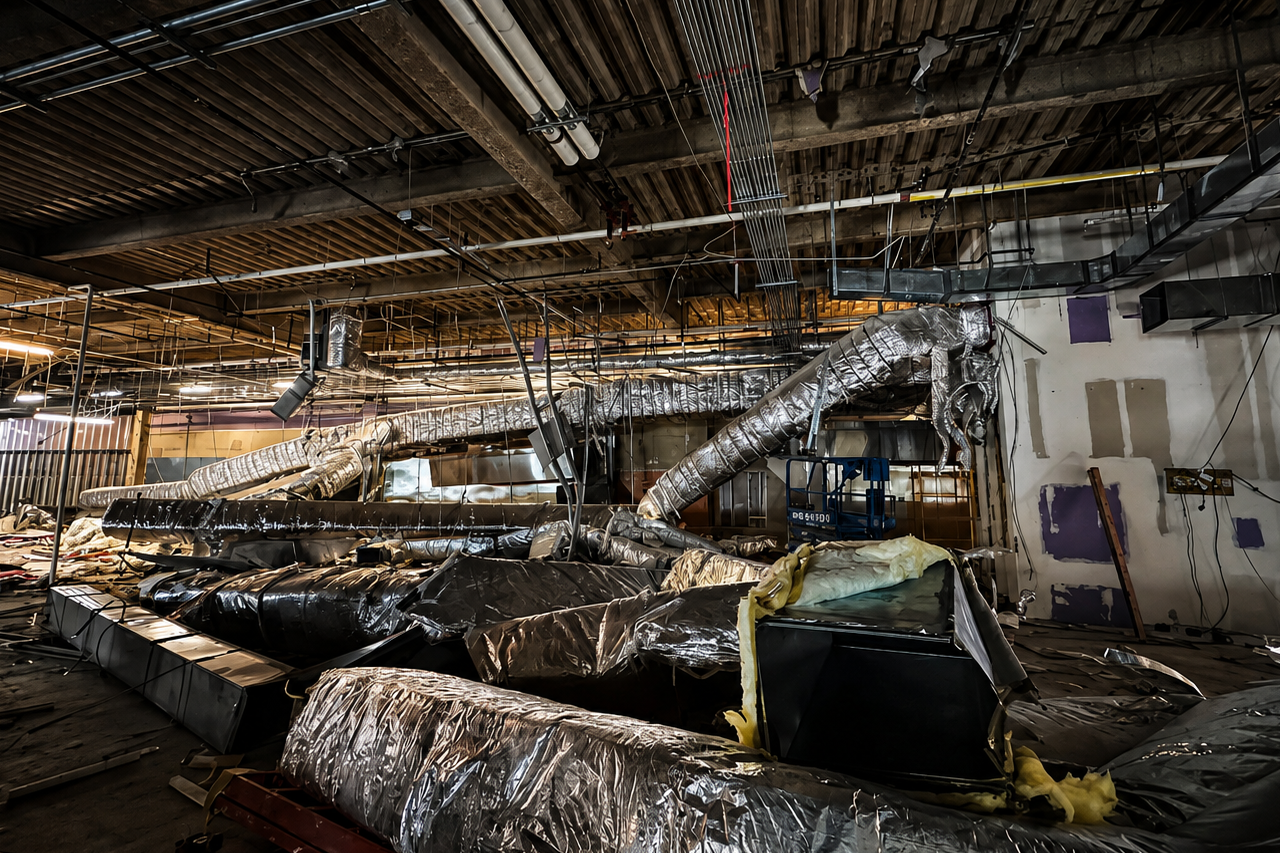
- Mechanical, electrical, and plumbing components designated for removal
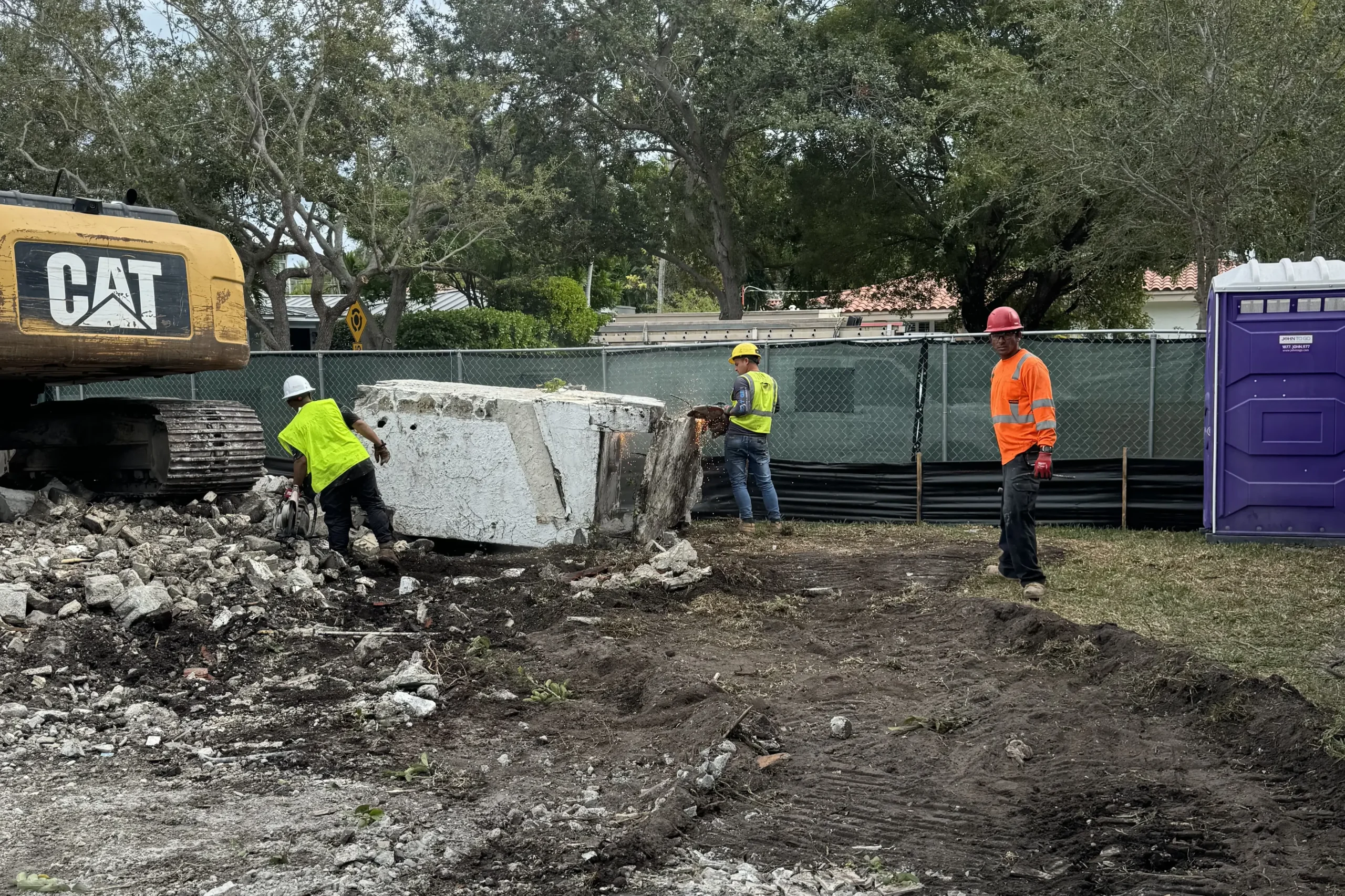
- Concrete sawcutting and selective slab removal
- Exterior components identified within the demolition plans
Precision matters during this type of work. Removing something that was intended to remain can create additional costs, repairs, scheduling problems, and coordination issues.
General contractors should look for demolition subcontractors that understand how to carefully separate demolition work from existing construction that must remain protected.
3. Ability to Read Plans and Understand the Complete Scope
A commercial demolition subcontractor should be comfortable reviewing construction drawings, demolition plans, specifications, addenda, and other project documents.
The demolition scope may not always be contained on a single drawing. Architectural demolition plans may identify walls, ceilings, flooring, doors, or finishes scheduled for removal, while mechanical, electrical, plumbing, structural, and fire protection drawings can contain additional demolition requirements.
Understanding how these documents work together is important when preparing an accurate proposal.
General contractors should also look for subcontractors that ask questions when something is unclear. Identifying potential scope gaps during bidding is generally much easier than discovering them after demolition has already started.
A thorough review helps establish clearer expectations between the general contractor and demolition subcontractor before the project reaches the field.
4. Detailed and Transparent Demolition Proposals
Price is naturally an important consideration when awarding a subcontract, but demolition proposals should not be evaluated solely by their bottom-line number.
Two contractors can submit different prices while including very different scopes of work.
A clear commercial demolition proposal should identify what is included, what is excluded, and any assumptions used when preparing the price.
Depending on the project, this may include clarification regarding:
- Demolition and removal
- Debris hauling and disposal
- Concrete cutting
- Temporary protection
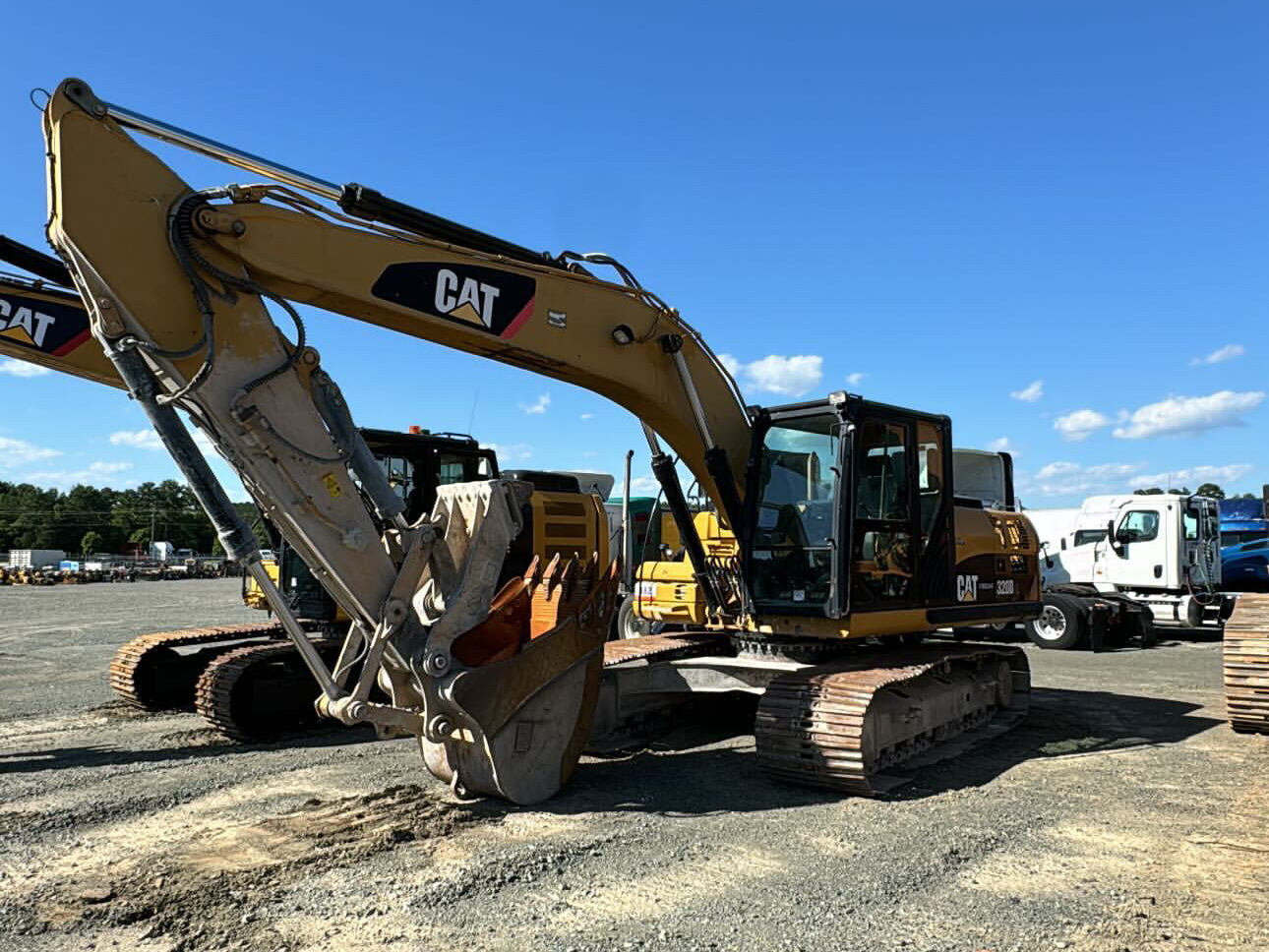
- Equipment requirements
- MEP demolition
- Work-hour restrictions
- Access limitations
- Items to be salvaged
- Structural demolition
- Hazardous-material exclusions
- Patching or restoration responsibilities
Clearly defining these items during bidding can help prevent misunderstandings and unexpected costs later in the project.
For general contractors comparing multiple demolition bids, understanding what is included in each number can be just as important as the number itself.
5. Site Walks and Existing Condition Reviews
Construction drawings provide essential information, but existing buildings do not always match the plans perfectly.
Buildings may have undergone previous renovations, undocumented modifications, equipment changes, or repairs that affect the demolition scope.
A site walk allows the demolition subcontractor to evaluate conditions that may not be obvious from drawings alone.
During a site visit, contractors can review access points, staging areas, elevators, loading zones, ceiling conditions, existing finishes, debris routes, equipment limitations, occupied areas, and other logistical considerations.
These observations can help the demolition contractor prepare more accurate pricing and identify potential challenges before mobilization.
For complex renovation projects, this additional preparation can be particularly valuable.
6. Communication and Responsiveness
Strong communication is important throughout every stage of a commercial construction project.
During bidding, general contractors often need subcontractors to respond to RFIs, scope revisions, addenda, schedule changes, and pricing requests within limited timeframes.
That communication becomes even more important once demolition begins.
Unexpected conditions can be discovered after walls, ceilings, flooring, or other existing materials are removed. When this happens, the demolition subcontractor should communicate the condition promptly rather than proceeding with work that may affect the project scope.
Reliable communication helps the GC make informed decisions and coordinate any necessary changes with the owner, architect, engineers, or other trades.
7. Ability to Meet the Project Schedule
Demolition is often positioned near the beginning of the construction schedule.
That means delays during demolition can affect multiple trades scheduled afterward.
Framing, plumbing, electrical, mechanical, flooring, drywall, and finish work may depend on demolition areas being completed and released according to schedule.
General contractors should consider whether a demolition subcontractor has the ability to coordinate manpower, equipment, debris removal, and project logistics around the required schedule.
Some commercial properties may also require night work, weekend work, phased demolition, or work during specific building-approved hours.
Understanding these requirements before mobilization helps both the GC and demolition subcontractor plan appropriately.
8. Coordination With Other Trades
Commercial demolition rarely operates completely independently.
Existing electrical systems may need to be disconnected before equipment or walls are removed. Plumbing lines may need to be capped. HVAC systems may need to remain operational for occupied portions of a building. Fire protection systems may require coordination before demolition occurs.
Concrete cutting may also need to coordinate with plumbing, electrical, structural, or other new construction requirements.
A demolition subcontractor that understands trade coordination can help prevent accidental disruptions and make the transition between demolition and new construction more efficient.
This is especially important on fast-paced renovation projects where multiple trades may be working within the same area or construction phase.
9. Experience Working in Occupied and Active Buildings
Not every commercial demolition project happens inside an empty building.
Many renovations take place while portions of the property remain open and operational.
Shopping centers may have neighboring stores operating during demolition. Office buildings may have employees working on other floors. Hotels may continue accommodating guests. Healthcare facilities may remain active while specific areas undergo renovation.
These conditions create additional responsibilities for the project team.
Depending on the property, demolition contractors may need to coordinate:
- Dust containment
- Temporary partitions
- Noise-producing activities
- Building access
- Elevator use
- Loading dock schedules
- Debris transportation
- Protection of public areas
- After-hours work
- Daily cleanup
General contractors working in active environments should look for demolition subcontractors that understand how to perform work while minimizing unnecessary disruption to surrounding operations.
10. Jobsite Protection and Debris Management
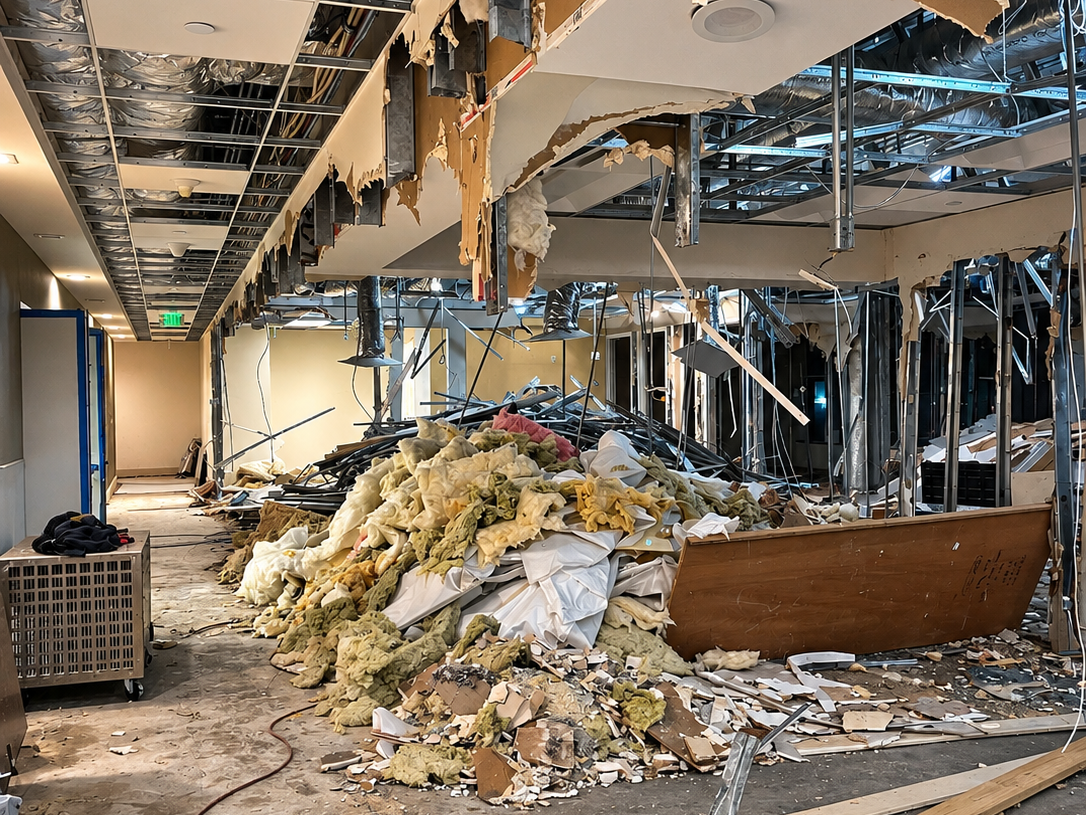
Demolition naturally produces debris, dust, and material movement.
Managing those conditions properly is an important part of maintaining an organized commercial construction site.
Protection requirements vary depending on the property and scope. Contractors may need to protect existing flooring, walls, elevators, storefronts, common areas, equipment, or building systems that are outside the demolition limits.
Debris also needs to be removed in a way that works with the site’s logistical restrictions.
On some projects, dumpsters may be located directly outside the work area. On others, debris may need to travel through designated hallways, service elevators, loading docks, or restricted access points before leaving the property.
Understanding these logistics before work begins can help reduce disruptions and keep the demolition operation organized.
11. Safety, Insurance, and Prequalification Requirements
General contractors should also evaluate whether a demolition subcontractor can meet the administrative and safety requirements of the project.
Depending on the GC and project, subcontractors may be required to provide contractor information, licenses, insurance documentation, safety records, references, financial information, or other prequalification documents before being approved to bid or perform work.
These requirements help general contractors evaluate potential subcontractors before bringing them onto an active construction site.
Demolition itself can involve heavy materials, equipment, overhead hazards, concrete cutting, utilities, structural components, and changing site conditions. Following project-specific safety requirements is therefore an essential part of professional commercial demolition work.
12. Familiarity With South Florida Construction Conditions
For projects in Miami and throughout South Florida, local experience can also be valuable.
Commercial projects in the region may involve high-rise buildings, dense urban environments, active shopping centers, coastal properties, limited staging areas, strict building management requirements, and properties operating throughout construction.
Projects in areas such as Downtown Miami, Brickell, Miami Beach, Coral Gables, Doral, Fort Lauderdale, and surrounding communities can present very different logistical challenges.
A demolition subcontractor familiar with South Florida commercial construction is better positioned to understand these conditions and plan accordingly.
Building a Reliable Subcontractor Relationship
For general contractors, finding dependable subcontractors is not only about completing one project.
Strong subcontractor relationships can become valuable across multiple projects.
A demolition company that consistently provides responsive communication, clear proposals, reliable scheduling, quality work, and professional coordination can become a resource for estimating teams when new projects arise.
This is particularly important for general contractors managing multiple commercial projects throughout South Florida. Having established relationships with qualified subcontractors can make it easier to obtain pricing, evaluate scopes, and assemble project teams when new opportunities enter the pipeline.
Choosing a Commercial Demolition Subcontractor in Miami
Choosing the right commercial demolition subcontractor requires looking beyond price.
Experience, selective demolition capabilities, scope understanding, communication, scheduling, trade coordination, jobsite protection, safety, and knowledge of commercial environments all contribute to a successful demolition phase.
The right subcontractor should understand that demolition is not an isolated part of construction. It is the preparation for everything that comes next.
When demolition is properly planned and coordinated, general contractors can move into the next phase of construction with a cleaner, safer, and better-prepared job site.
Work With Next Gen Construction & Demolition
At Next Gen Construction & Demolition, we provide commercial and selective demolition services for general contractors, developers, property managers, and construction teams throughout Miami and South Florida.
Our team works on commercial renovation and redevelopment projects across office, retail, healthcare, hospitality, mixed-use, and other commercial environments.
We review project plans and demolition scopes, provide project-specific pricing, and coordinate with general contractors throughout the bidding and demolition process.
If your team has an upcoming project with a demolition scope, send us your plans and project information for review. We would be happy to evaluate the opportunity and provide pricing.