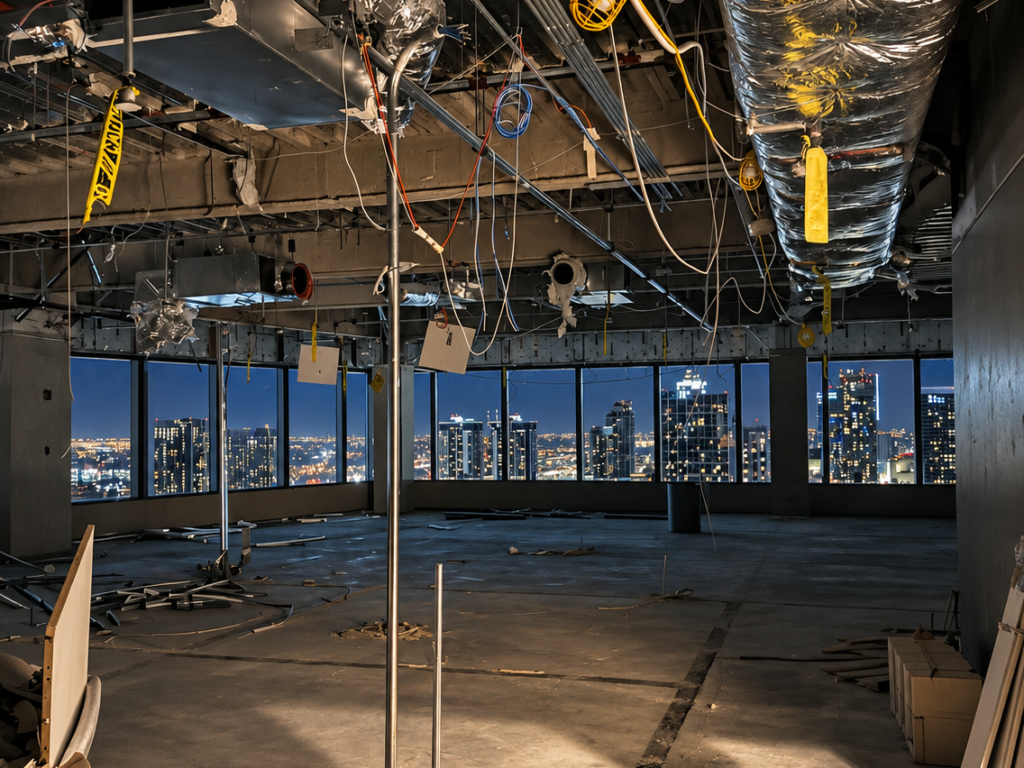
Miami’s skyline has become one of the most recognizable in the United States. From the high-rise towers of Brickell to the ongoing transformation of Downtown Miami, new construction continues to reshape the city’s appearance and the way its commercial spaces are used.
But behind many new developments is a question that receives far less attention: What happens to the older buildings that once occupied these properties?
As Miami evolves, property owners and developers must decide whether existing structures should be renovated, repurposed, or replaced entirely. While some buildings can be modernized to accommodate new uses, others may present limitations that make redevelopment a more practical option.
Understanding these decisions helps explain why commercial demolition remains an important part of Miami’s changing urban landscape.
Miami’s Continued Growth Is Changing How Properties Are Used
Miami’s development is not limited to constructing taller buildings. It also involves reconsidering how existing land and commercial properties can best serve businesses, residents, and surrounding communities.
Neighborhoods such as Brickell, Downtown Miami, Wynwood, and Edgewater have experienced changes in their built environments as new residential, hospitality, retail, and mixed-use projects have been introduced.
The Miami Downtown Development Authority maintains an interactive development map showing existing buildings, projects under construction, and planned developments across key downtown districts. This provides a useful picture of how the urban landscape continues to evolve.
As development patterns change, some properties originally designed for different economic conditions or business needs may be evaluated for redevelopment.
For property owners, the decision is not always about whether an existing building can remain standing. It is also about whether that building can continue to serve its intended purpose effectively.
Why Are Older Buildings in Miami Being Replaced?
There is no single reason an older commercial building may be demolished. Redevelopment decisions often involve several factors, including property value, building condition, operating costs, and future development opportunities.
1. Changing Land Use and Development Potential
A property that once supported a small commercial building may eventually become attractive for a different type of development.
For example, an older low-rise property may occupy land suitable for a larger commercial or mixed-use project, depending on applicable zoning regulations, site restrictions, and development approvals.
In Miami, the Miami 21 zoning framework establishes standards for new development and redevelopment within the city. These regulations influence what may be built on a property and how proposed projects are evaluated.
When an existing building no longer aligns with a property’s intended future use, demolition may become part of the redevelopment plan.
2. Aging Infrastructure and Building Systems
Commercial buildings require ongoing maintenance, repairs, and improvements throughout their useful lives.
Over time, older properties may develop issues involving structural components, electrical systems, plumbing, roofing, or mechanical equipment.
In South Florida, coastal exposure, moisture, and environmental conditions can create additional maintenance challenges for certain building materials.
Miami-Dade County’s building recertification program requires qualifying older buildings to undergo periodic structural and electrical evaluations. Generally, the program establishes initial recertification at 25 years for qualifying coastal buildings and 30 years for other qualifying buildings, with subsequent inspections at specified intervals.
However, an older building does not automatically need to be demolished simply because it requires recertification or repairs.
Qualified design professionals must evaluate the building’s actual condition. Depending on the findings, repairs, rehabilitation, or other corrective measures may be appropriate.
3. Renovation Costs Versus New Construction
One of the most important considerations in redevelopment is determining whether renovating an existing building makes financial and operational sense.
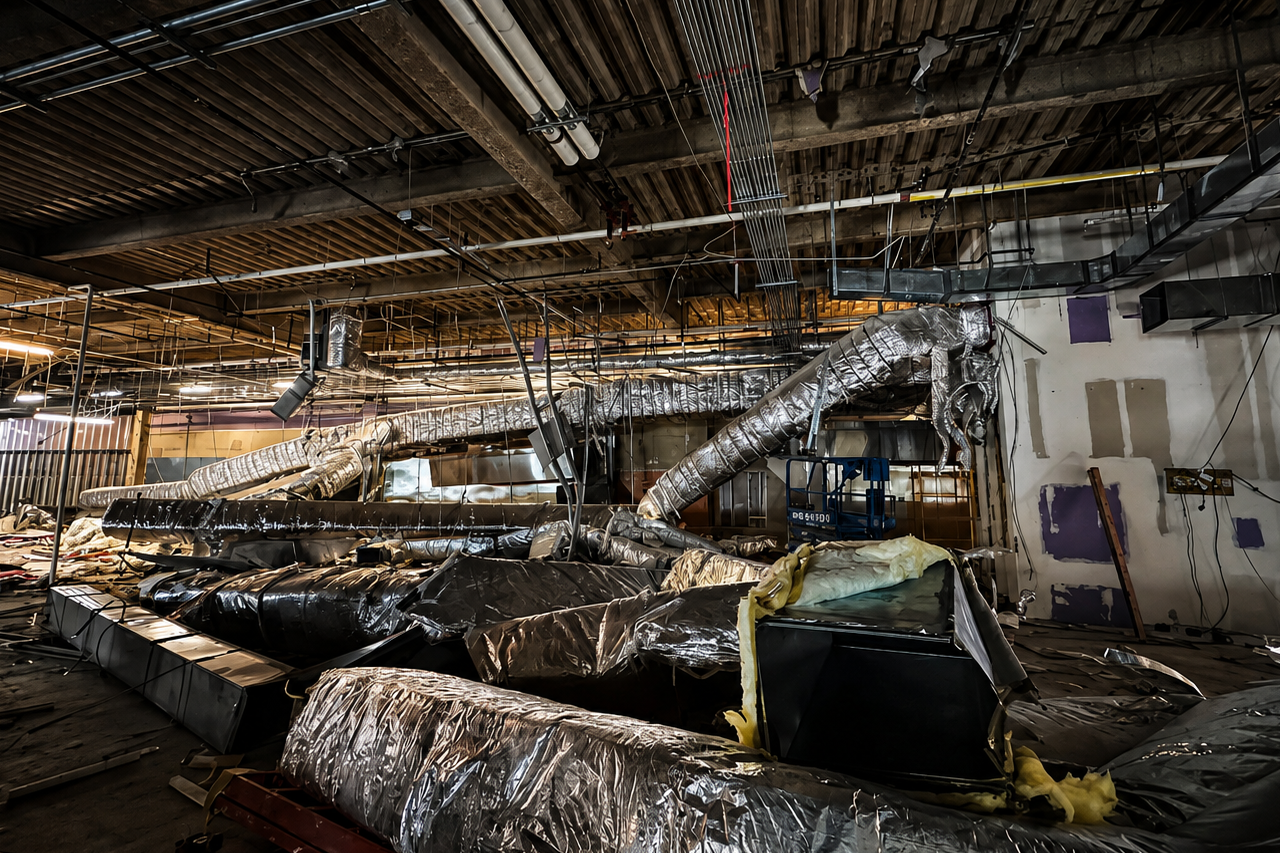
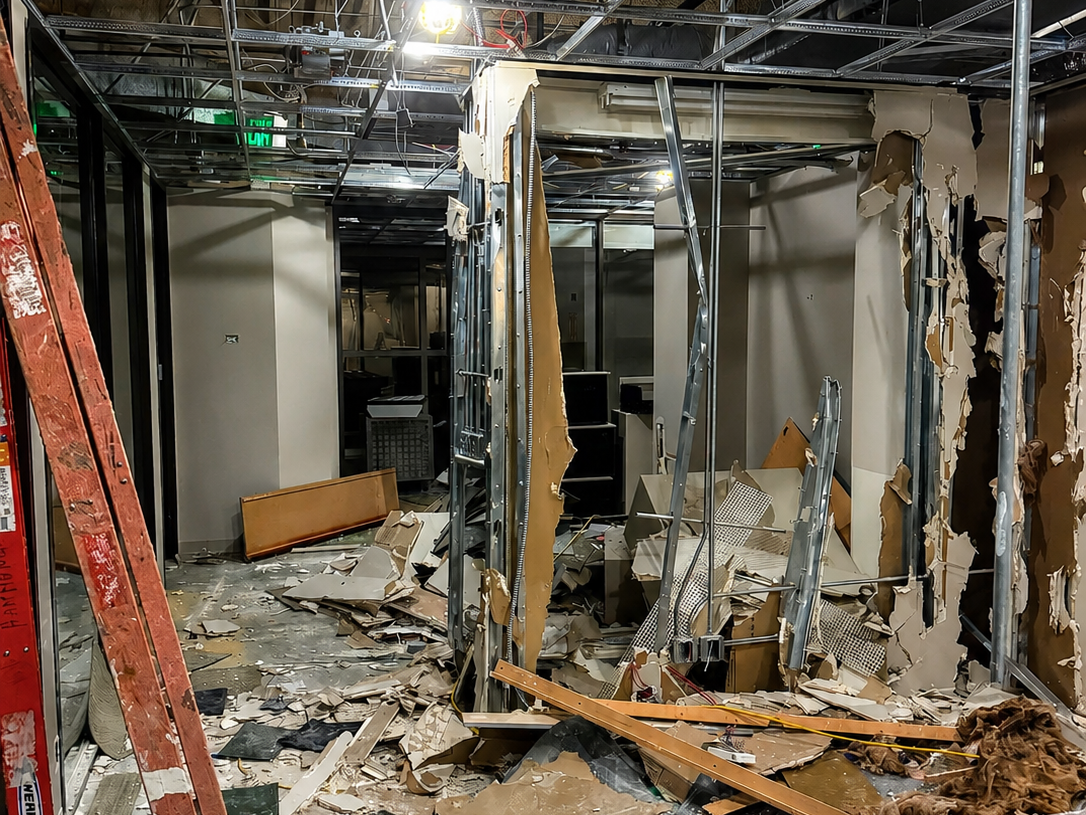
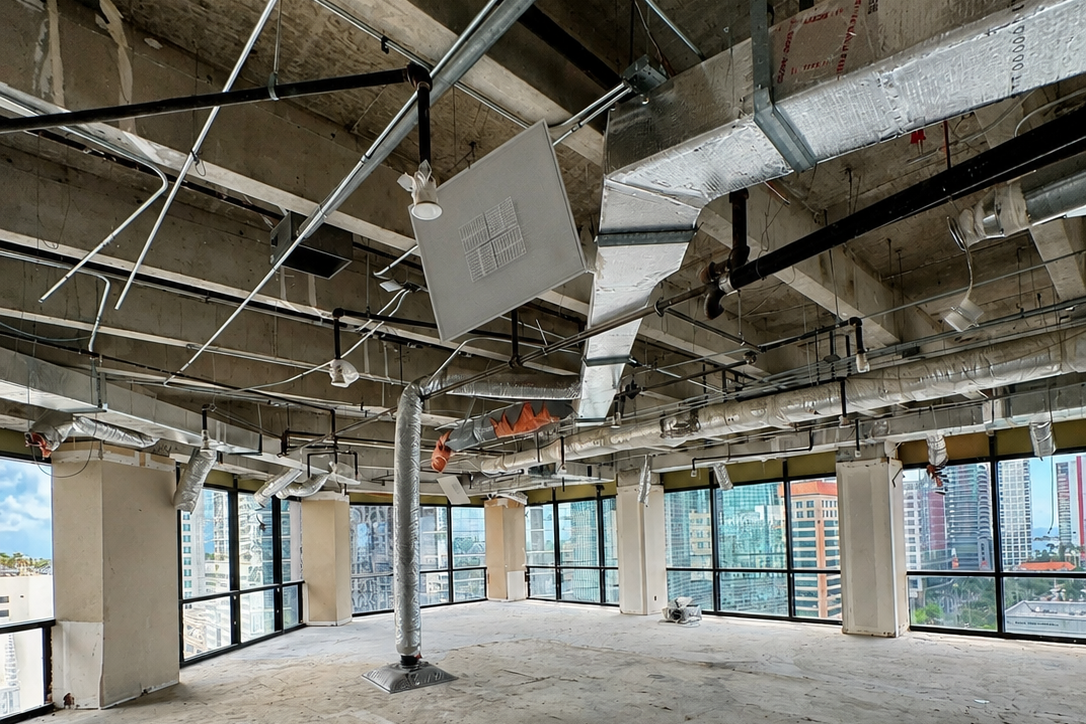
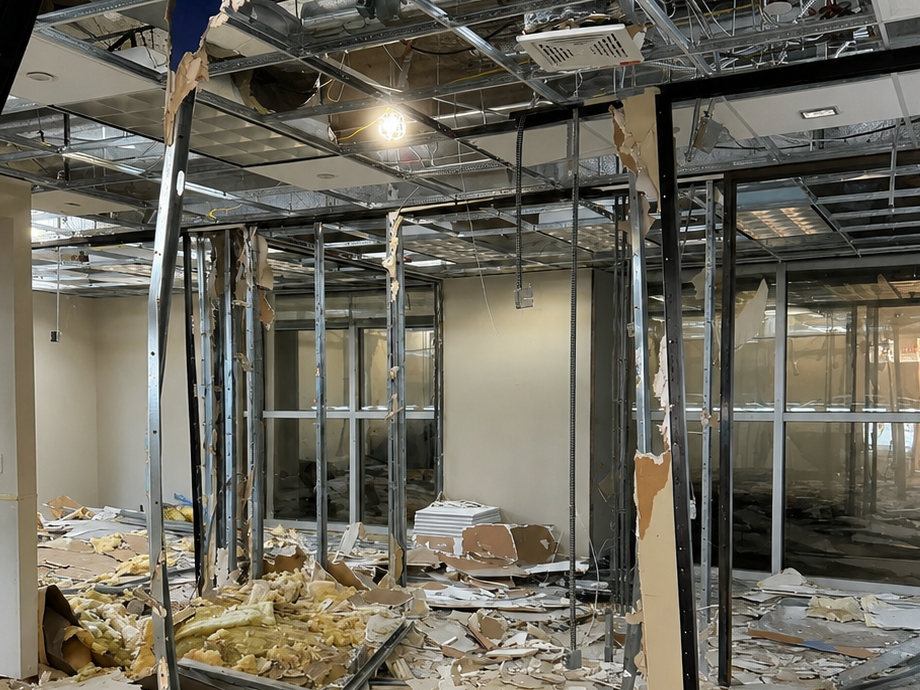
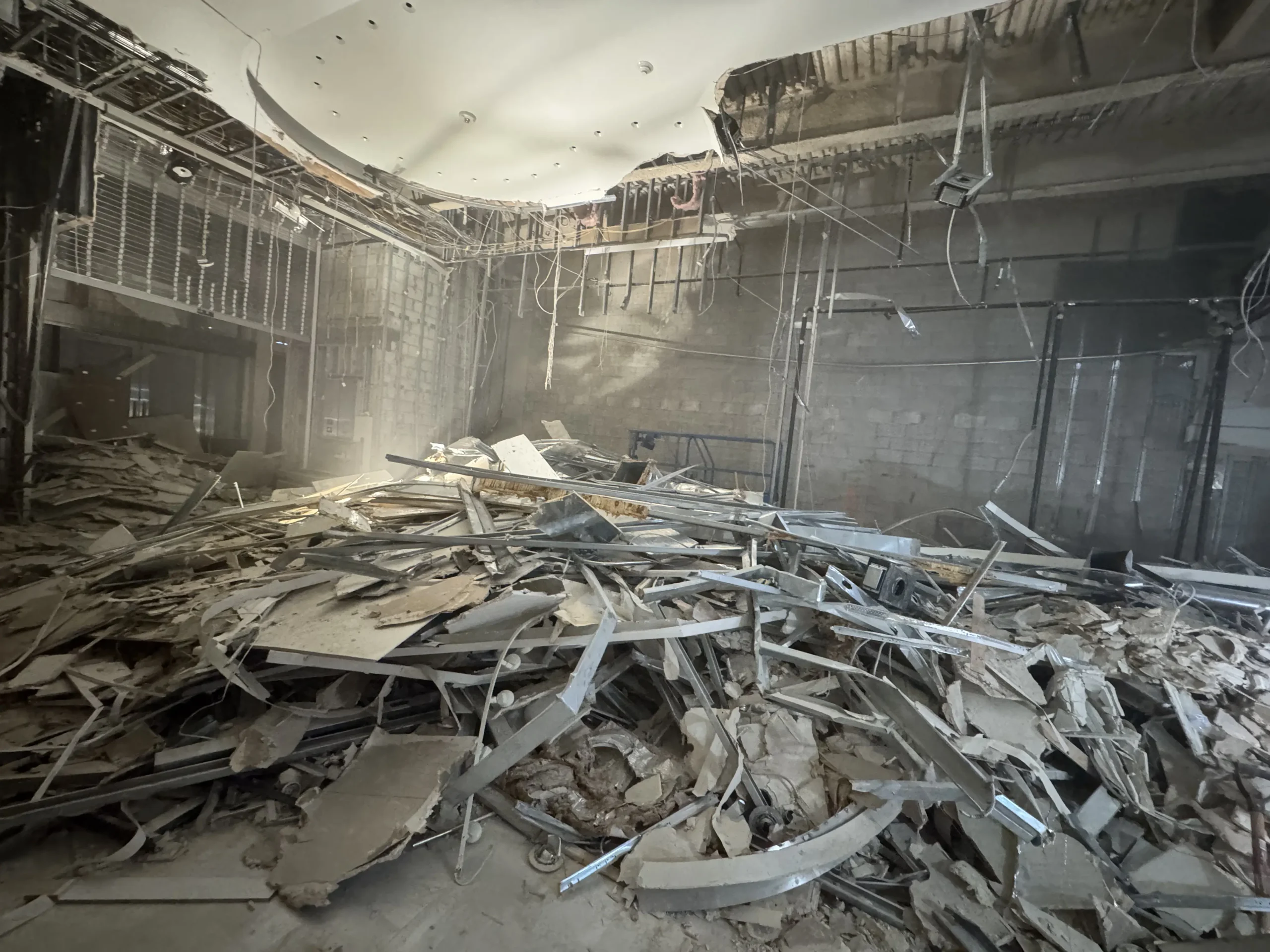
Some properties can be successfully modernized through interior renovations, selective demolition, and upgrades to existing building systems.
Others may require extensive improvements that substantially increase renovation costs.
Developers may evaluate factors such as:
- The estimated cost of structural repairs and building-system upgrades.
- Limitations imposed by the existing layout and structural design.
- The property’s intended future use.
- The feasibility of bringing the building into compliance with applicable requirements.
- The cost and potential benefits of constructing a replacement building.
When renovation cannot reasonably accommodate a project’s objectives, replacing the existing structure may become an option.
That decision depends on project-specific evaluations rather than the age of the building alone.
How Miami’s Changing Neighborhoods Influence Redevelopment
Different parts of Miami present different redevelopment opportunities and challenges.
In Brickell and Downtown Miami, high-density commercial and mixed-use development has contributed to a changing urban environment.
In Wynwood, older industrial and commercial properties coexist with newer developments, creating opportunities for both adaptive reuse and replacement construction.
Elsewhere in Miami-Dade County, aging retail centers, office buildings, and other commercial properties may undergo renovations to accommodate new tenants and changing business needs.
These changes do not necessarily require complete building demolition.
In many cases, preserving an existing structure while modernizing its interior can be a practical alternative.
The appropriate approach depends on the property’s condition, permitted uses, project requirements, and long-term development goals.
Renovation, Adaptive Reuse, or Complete Demolition?
Before an older building is replaced, property owners and development teams may consider several alternatives.
Renovation involves improving an existing property while retaining much of its original structure. This may include upgrading building systems, modifying interior layouts, and replacing outdated finishes.
Adaptive reuse involves converting a building to a different purpose. For example, an older commercial property may be redesigned to accommodate a new type of business while retaining significant portions of the original building.
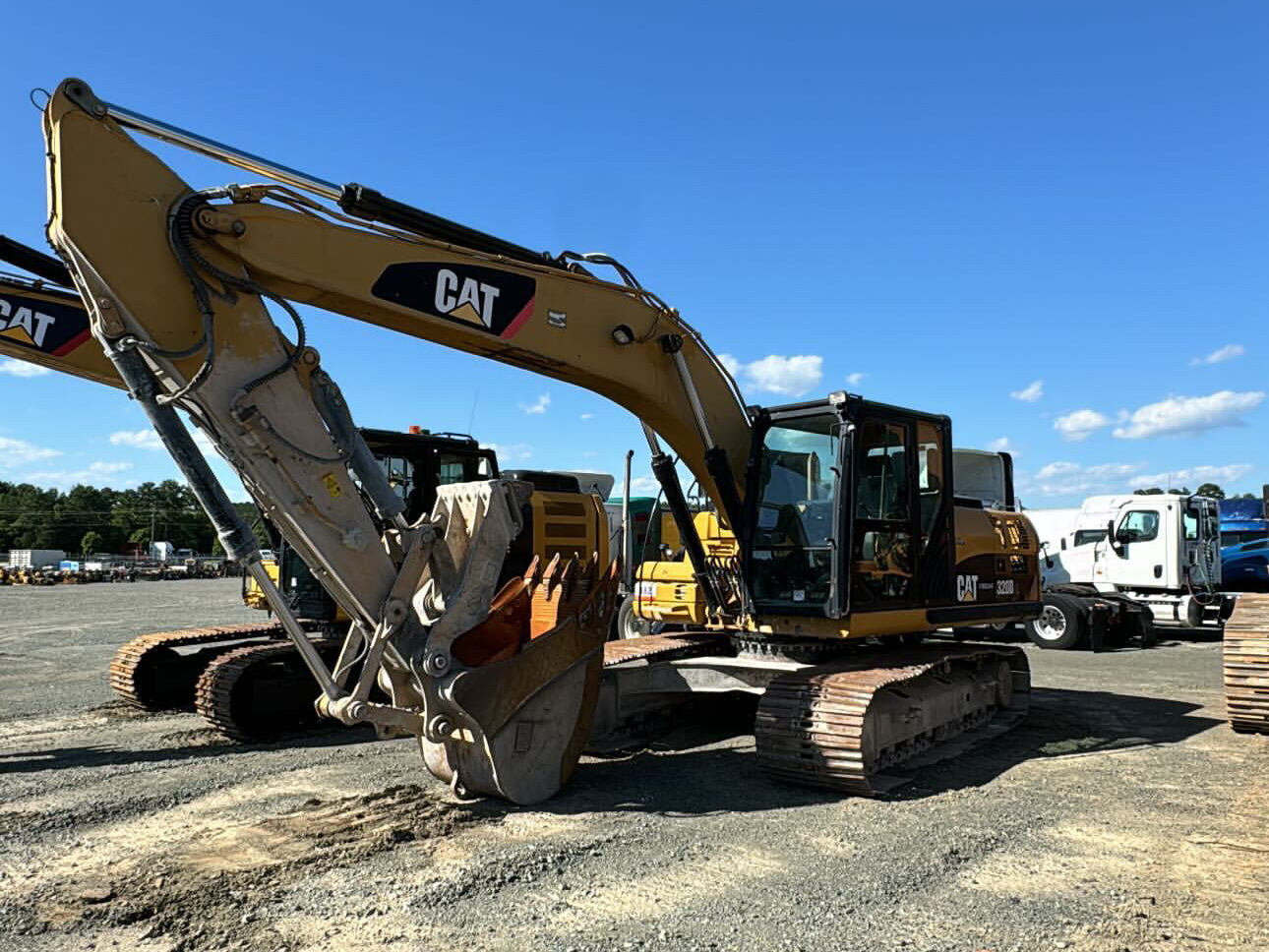
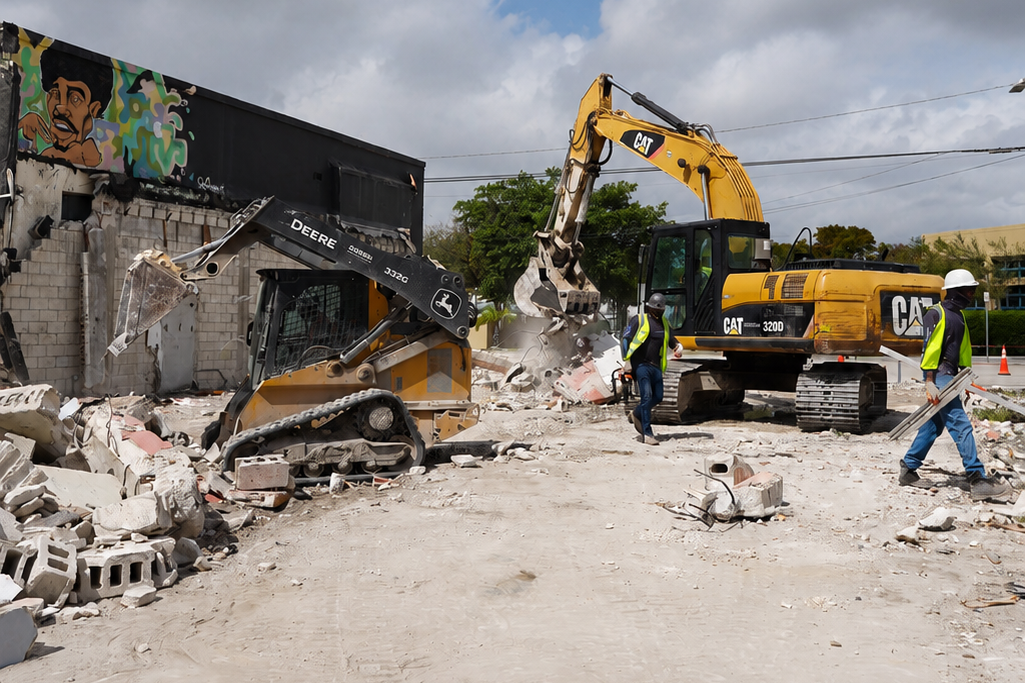
Complete demolition involves removing the existing structure when replacement has been selected as the appropriate redevelopment approach.
Each option presents different considerations involving cost, engineering, permitting, scheduling, and construction logistics.
Historic preservation requirements may also influence what alterations or demolition activities are permitted on certain properties.
For Miami developers, choosing between these approaches is an important early-stage decision that can shape the entire project.
The Role of Commercial Demolition in Miami’s Redevelopment
When a redevelopment project requires demolition, careful planning becomes essential.
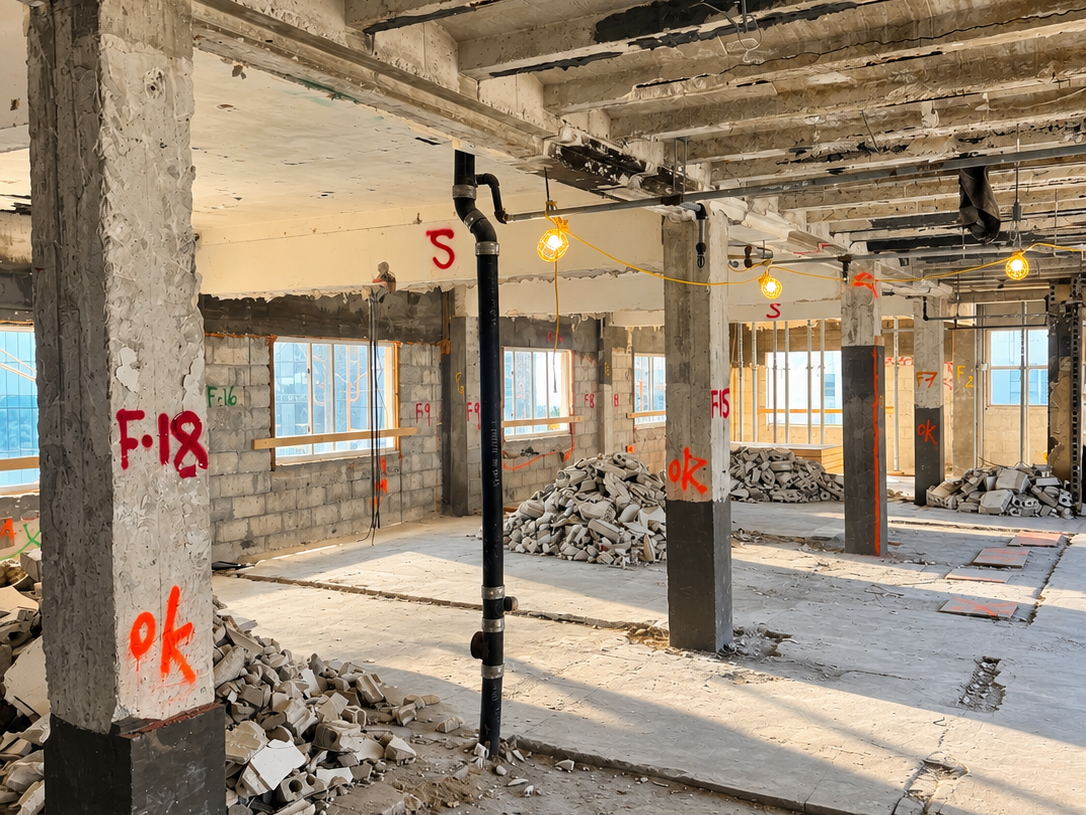
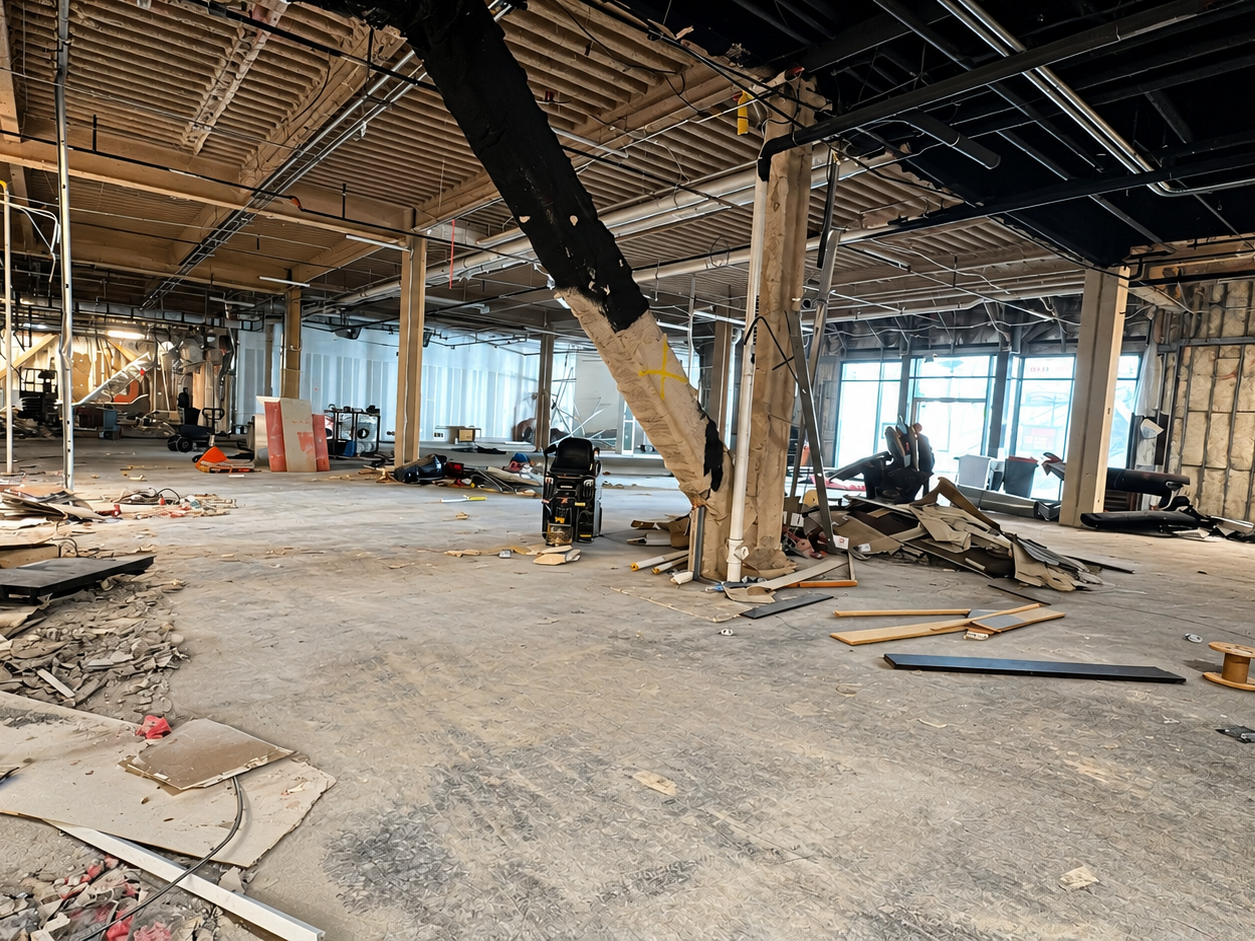
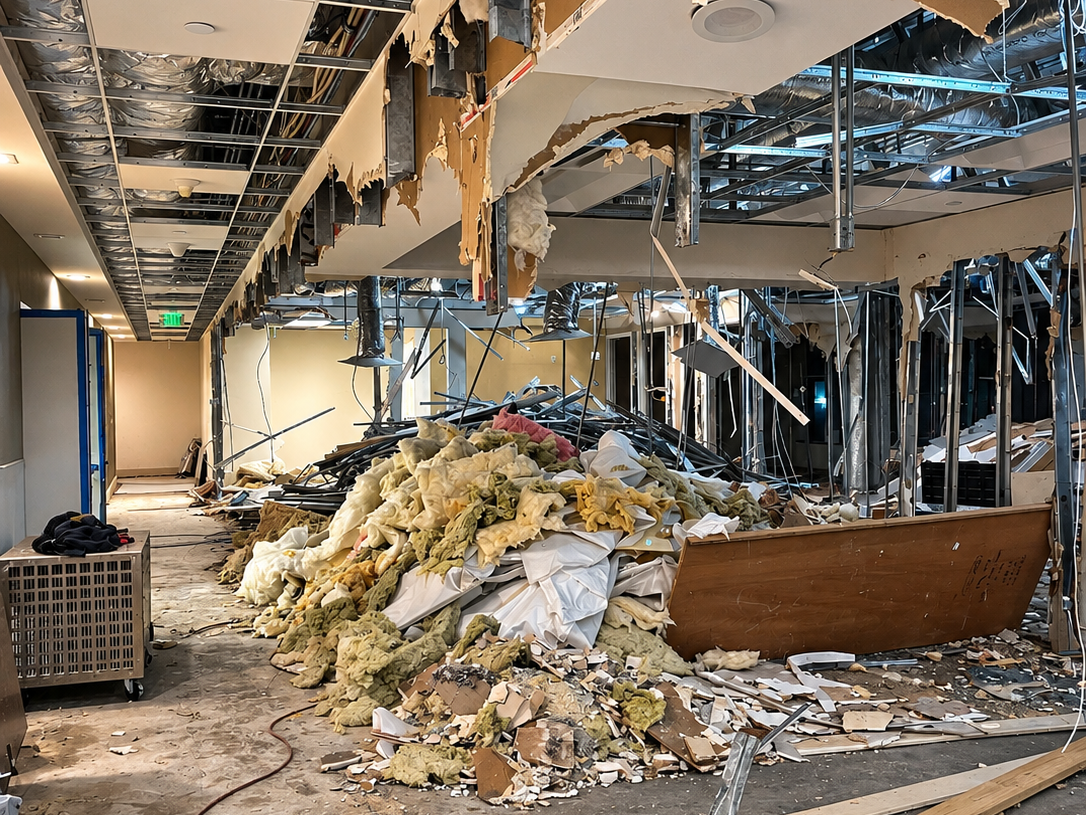
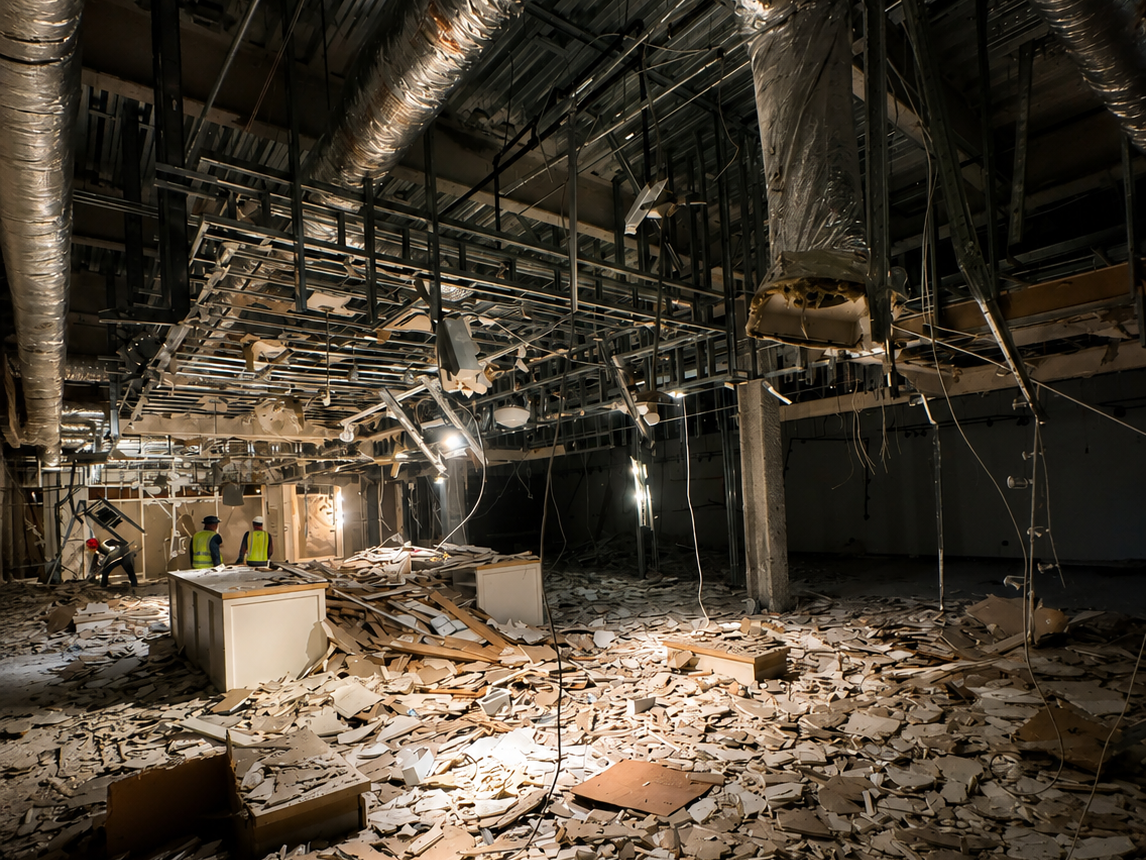
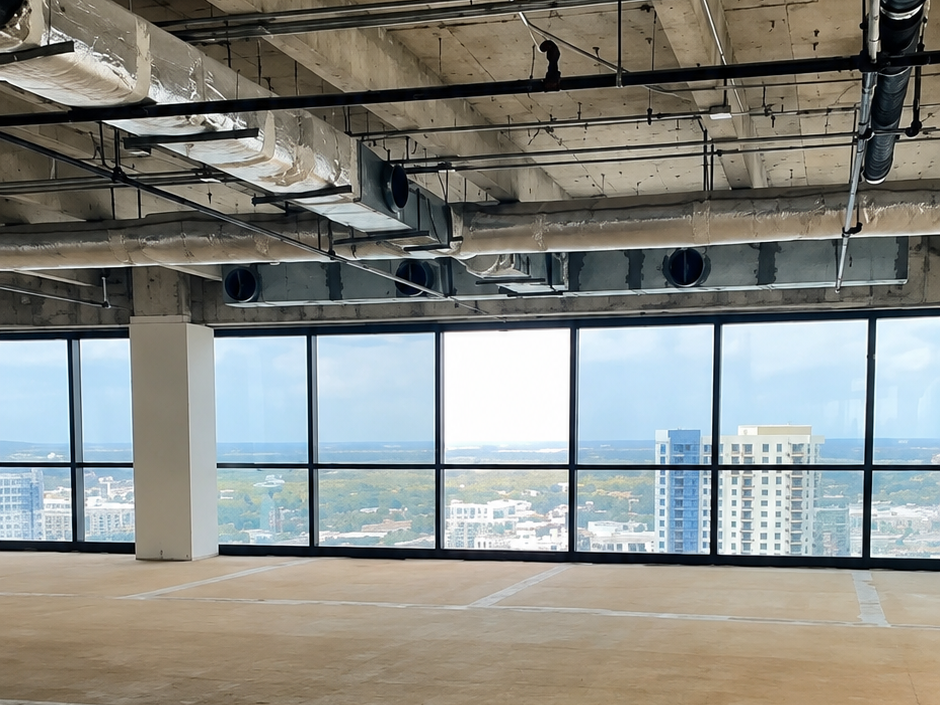
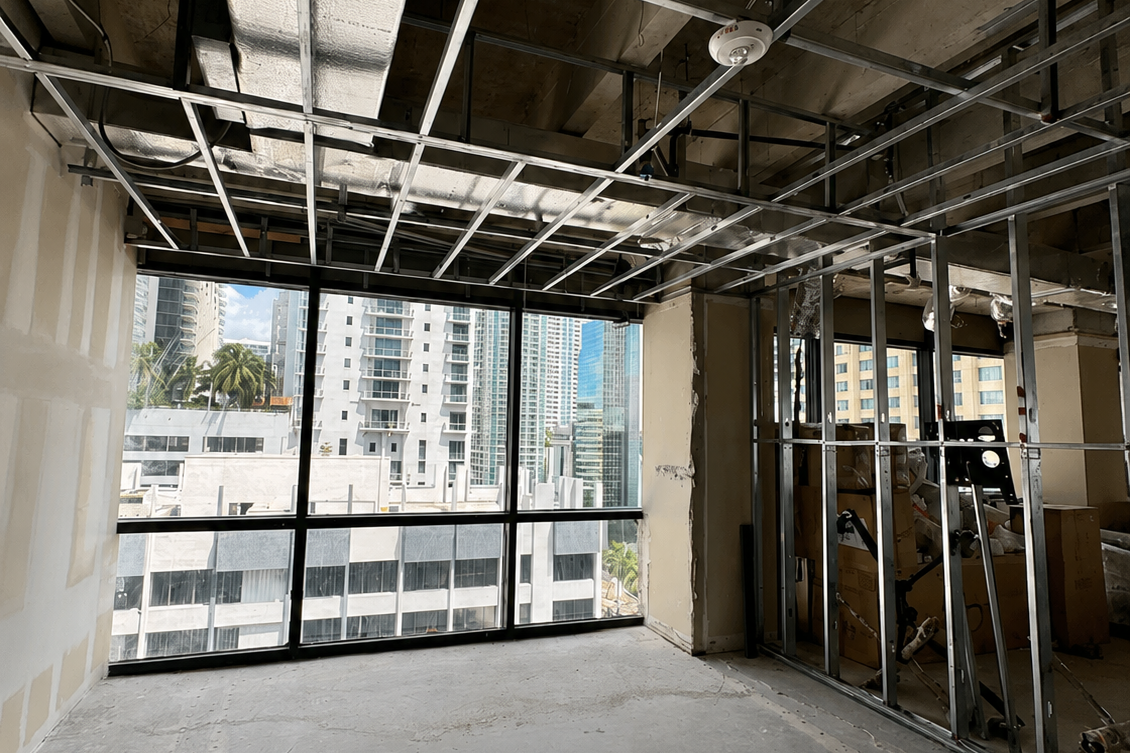
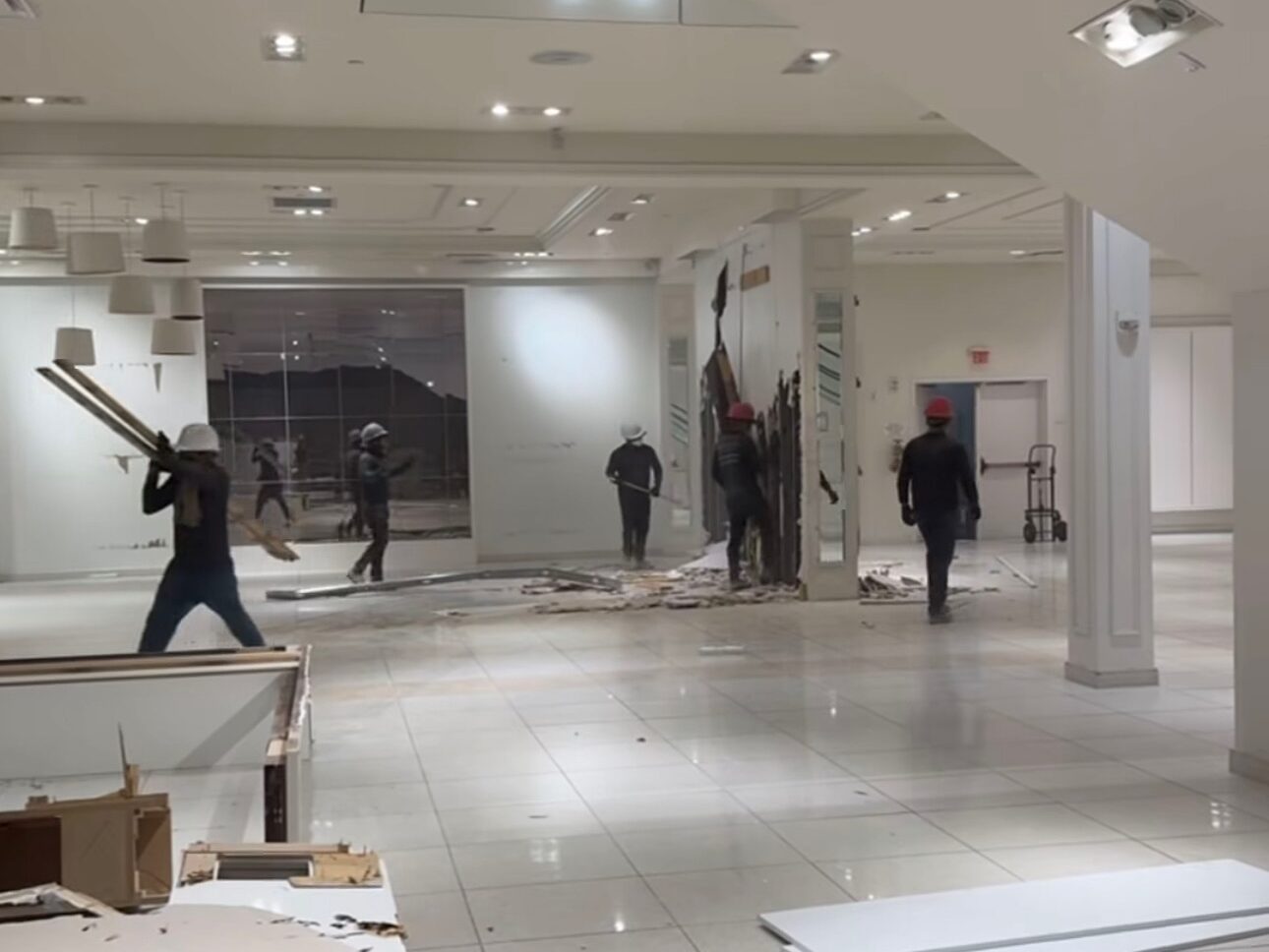
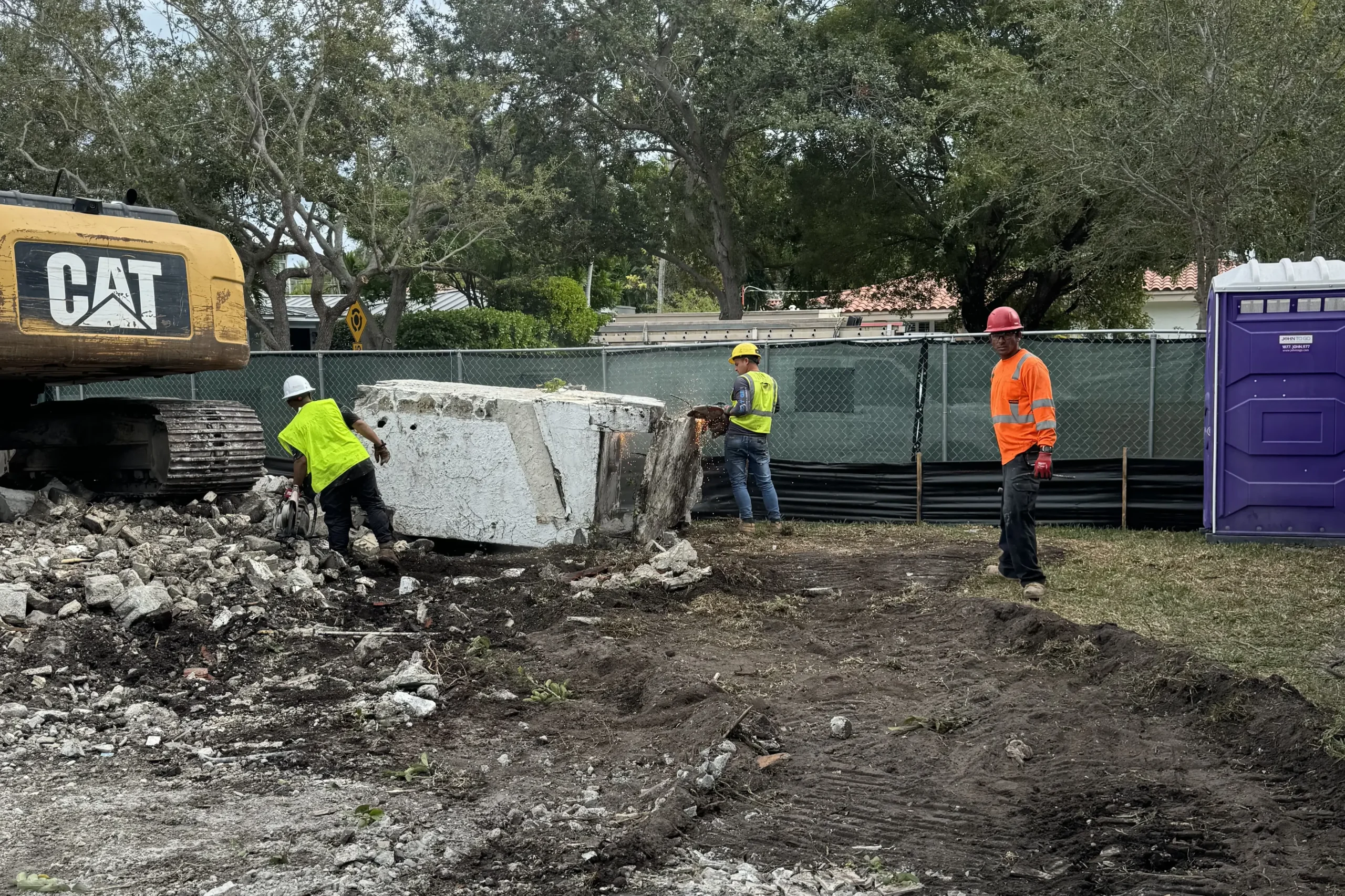
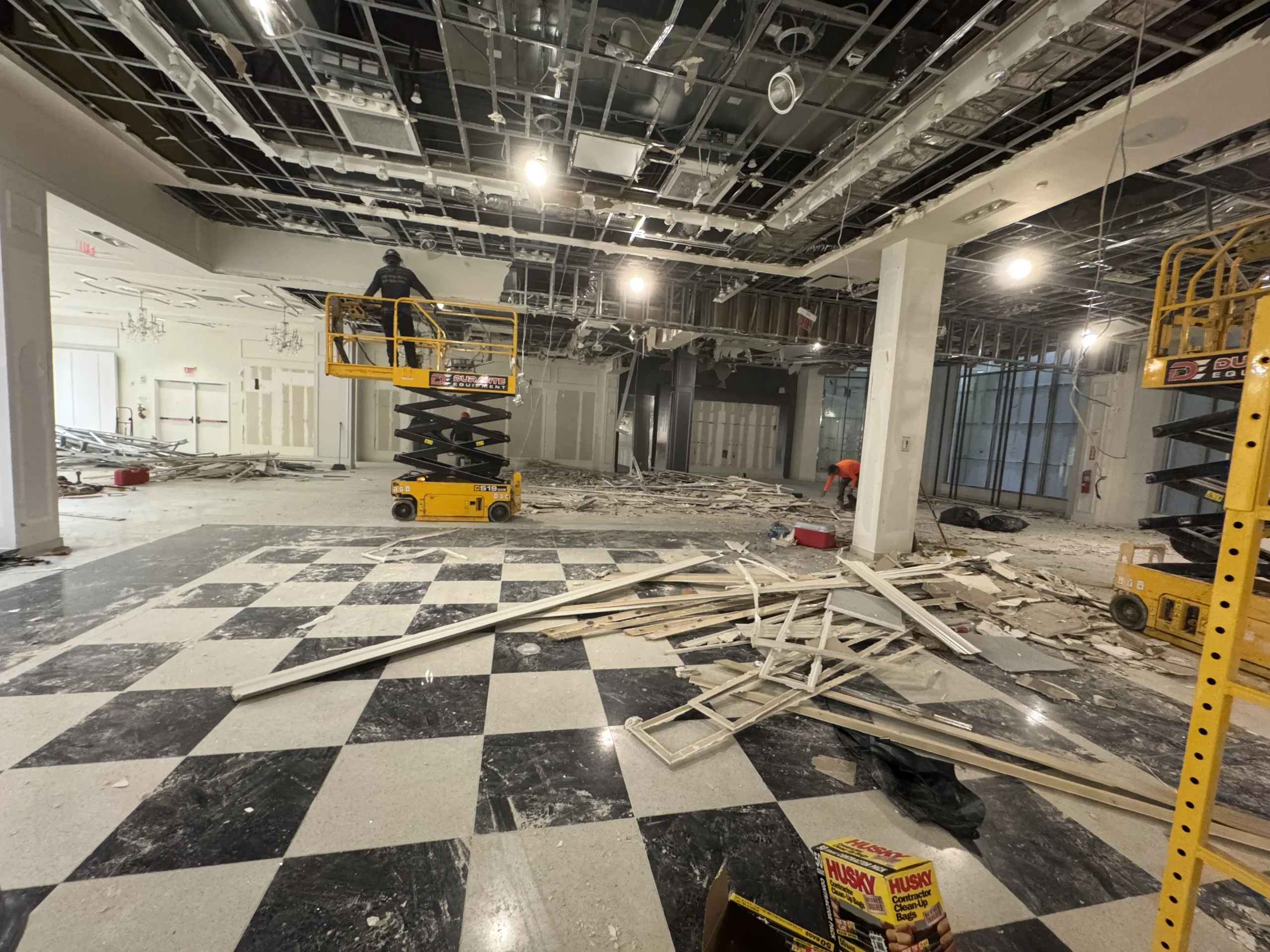
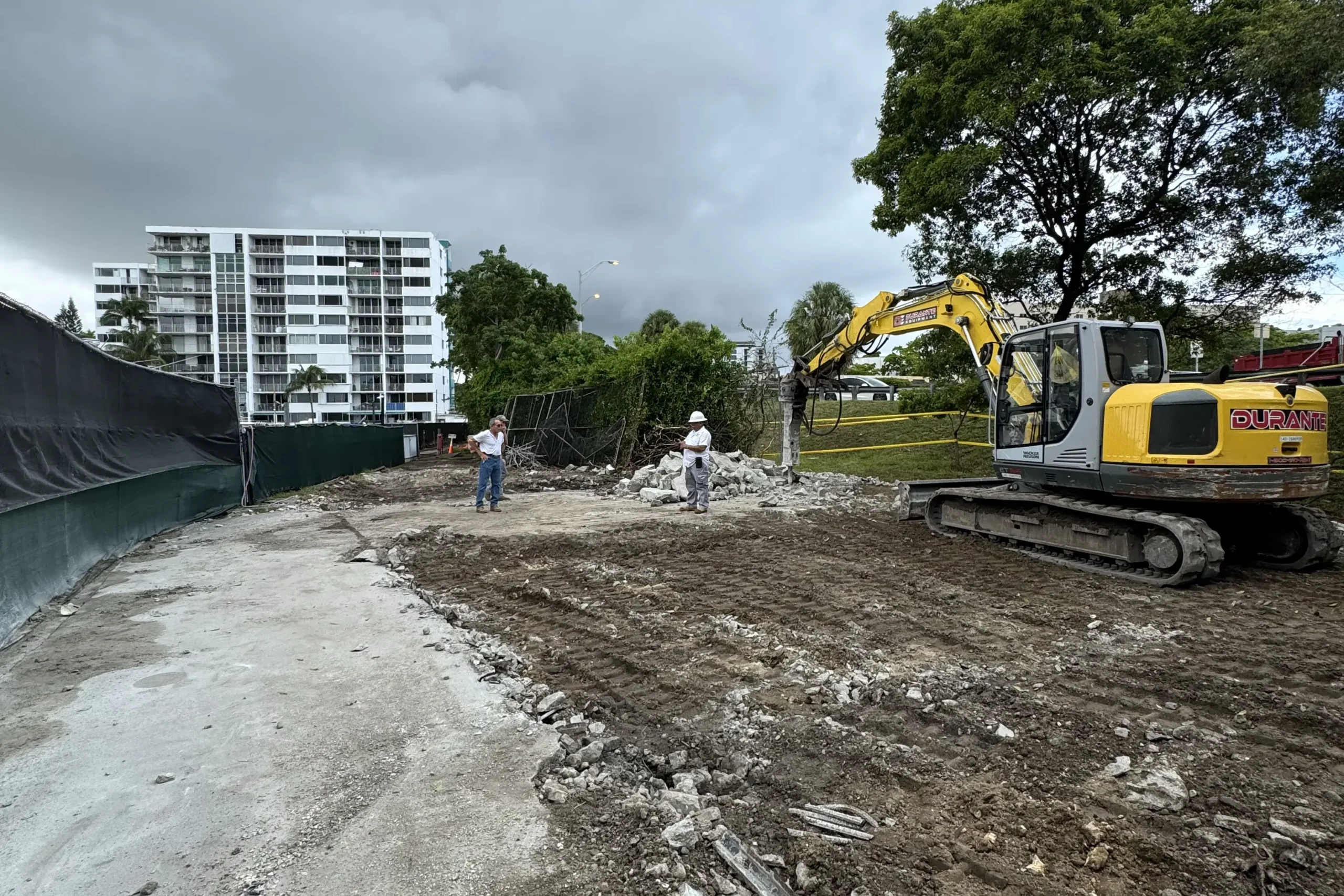
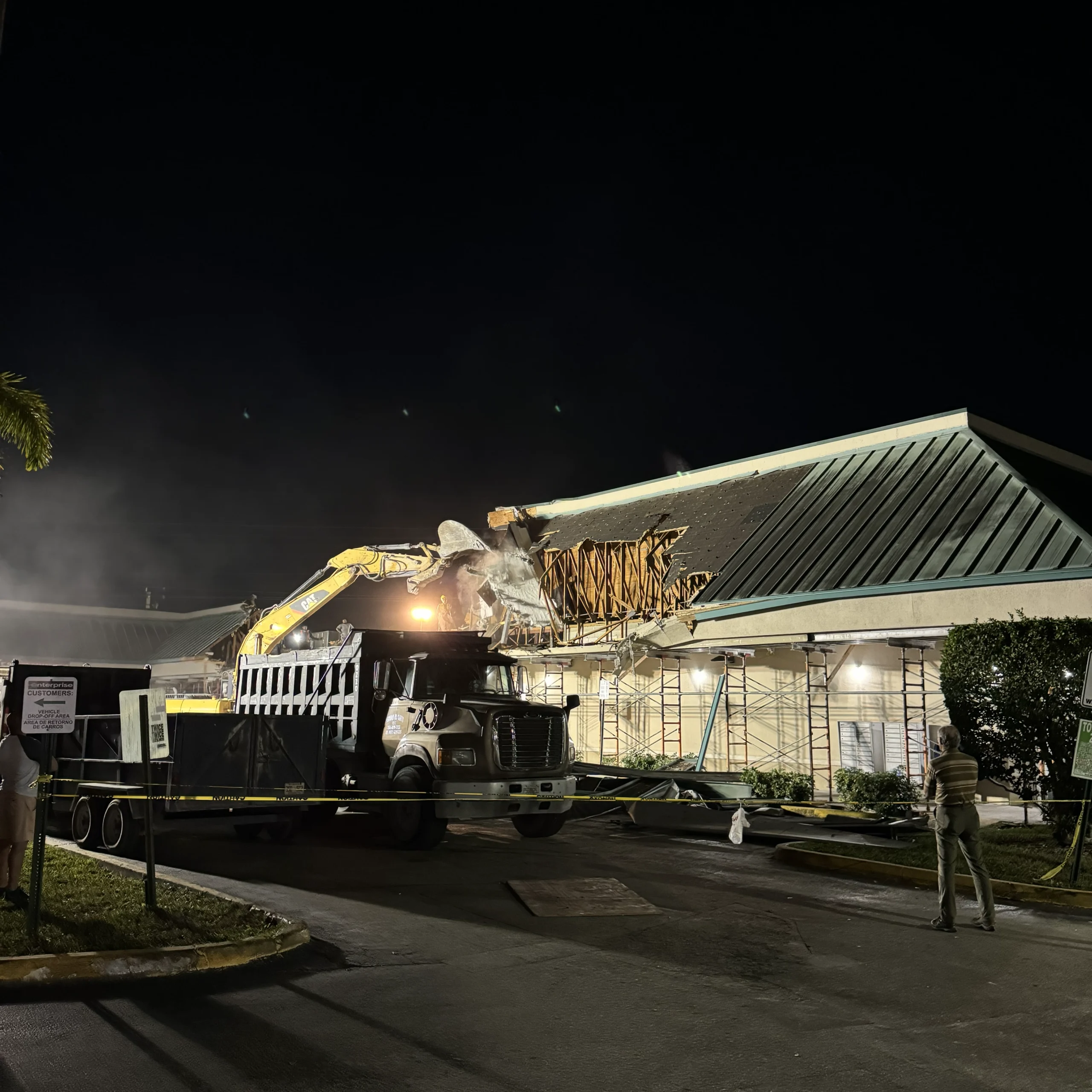
Commercial demolition may involve removing an entire existing structure or selectively removing portions of a building to accommodate new construction.
The scope depends on the project’s design, existing conditions, and requirements established by the general contractor and project team.
Before demolition begins, important considerations may include utility coordination, access restrictions, neighboring properties, environmental assessments, permitting, and debris removal.
In densely developed areas of Miami, demolition work may also require additional coordination because surrounding buildings, businesses, and public spaces remain active.
Experienced demolition subcontractors play an important role in carrying out the approved scope while coordinating with the broader construction team.
Preparing Miami Properties for Their Next Chapter
Miami’s changing skyline reflects more than the construction of new towers and commercial developments. It also reflects the ongoing decisions property owners make about how existing buildings can best serve future needs.
Some older properties will continue operating for decades with appropriate maintenance and improvements. Others will be renovated or adapted for new uses.
And when complete replacement is selected, demolition becomes an important step in preparing the property for its next chapter.
At Next Gen Construction & Demolition, we specialize in commercial demolition services throughout South Florida, working alongside general contractors and construction teams on projects involving interior demolition, selective demolition, and redevelopment preparation.
From commercial renovations to more extensive demolition scopes, our team understands the importance of coordination, efficient execution, and preparing spaces for the construction work that follows.
Planning a commercial demolition project in Miami or South Florida? Visit Next Gen Construction & Demolition to learn more about our services and discuss upcoming bidding opportunities.