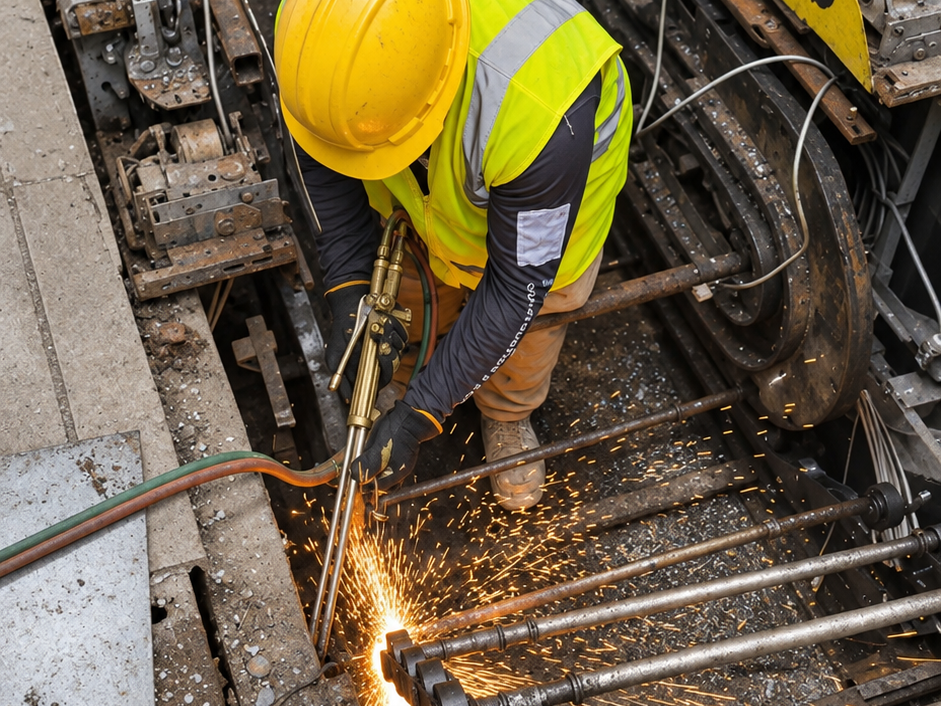
Escalators are a familiar feature in many of Miami’s commercial buildings, providing convenient access between floors in shopping malls, airports, hotels, retail centers, and other high-traffic properties. Designed to transport large numbers of people throughout the day, these systems play an important role in the functionality and accessibility of commercial spaces.
However, as buildings undergo renovations, expansions, equipment upgrades, or major interior transformations, existing escalators may eventually need to be removed or replaced.
Escalator removal in Miami is a specialized process that involves more than dismantling a moving staircase. These systems consist of heavy mechanical equipment, steel frameworks, electrical components, and structural connections that must be carefully addressed during removal.
For general contractors, property managers, and developers, understanding how escalator removal fits into a larger commercial demolition project is an important part of planning renovations that involve existing vertical transportation systems.
Understanding Escalator Removal in Commercial Buildings
Escalator removal refers to the controlled dismantling and removal of an existing escalator system from a commercial property.
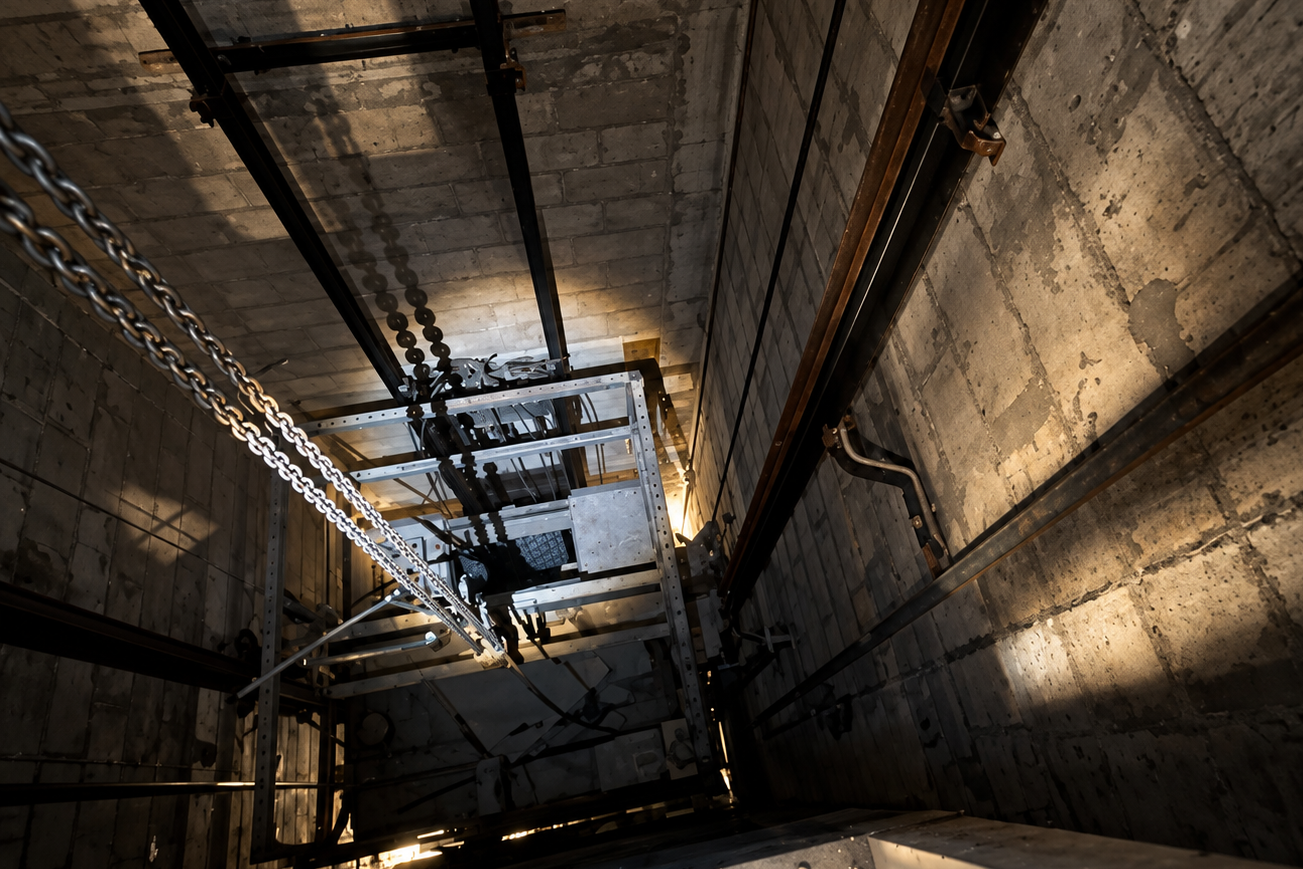
Unlike conventional staircases, escalators are powered mechanical systems containing numerous interconnected components. They are typically installed within dedicated openings between building levels and supported by structural connections at their upper and lower landings.
An escalator system commonly includes:
- Structural steel trusses that support the equipment
- Moving steps and step chains
- Drive motors and mechanical assemblies
- Handrails, balustrades, and glass panels
- Electrical controls and safety devices
- Landing plates and supporting components
When an escalator is removed, these components must be evaluated as part of a coordinated dismantling process.
Depending on the building design, equipment specifications, and available access, the escalator may be removed in sections or through a specialized lifting operation.
The scope may also involve surrounding interior finishes, existing supports, and other building elements designated for removal in the construction documents.
When Is Escalator Removal Necessary?
Commercial escalators are designed for long-term use, but changes in building operations, equipment conditions, and renovation requirements can eventually make removal necessary.
Escalator Replacement and Modernization
Over time, escalator equipment may require significant repairs, modernization, or complete replacement.
When an existing system is being replaced, contractors must coordinate the removal of the original equipment before the new escalator can be installed.
Depending on the scope, some supporting building elements may remain in place, while others require modifications to accommodate the replacement system.
Shopping Mall and Retail Center Renovations
Shopping centers frequently undergo renovations to improve circulation, update common areas, or accommodate changes in tenant layouts.
Escalators may need to be relocated, replaced, or removed as part of these projects.
In established retail properties, removal work must be coordinated with surrounding storefronts, shared corridors, loading areas, and building operations.
Airport and Transportation Facility Improvements
Airports and transportation facilities rely on escalators to move passengers between concourses, terminals, parking facilities, and other levels.
When these properties undergo renovations, escalator replacement or removal may be included within larger improvement programs.
Because these environments often remain operational during construction, careful coordination of access, work areas, material movement, and project scheduling is essential.
Major Commercial Building Reconfigurations
Escalator removal may also be required when an existing property undergoes substantial interior changes.
For example, a commercial building may be redesigned to accommodate different tenants, updated circulation routes, or a new configuration between floors.
In these situations, the existing escalator system may no longer align with the proposed building layout.
How Escalators Are Removed During Commercial Demolition
The removal process varies depending on the type of escalator, its location, surrounding building conditions, and the requirements established by the project team.
However, several general stages are commonly involved.
1. Existing Conditions and Project Evaluation
Before removal begins, the project team reviews the existing escalator installation and its relationship to the building.
This may include reviewing architectural drawings, available equipment documentation, structural details, and access conditions.
The evaluation helps determine which components are being removed, what must remain, and whether additional coordination with structural engineers or specialized contractors is necessary.
2. Equipment Shutdown and Utility Isolation
Escalators contain electrical and mechanical systems that must be properly shut down and secured before dismantling.
Qualified personnel are responsible for completing the appropriate disconnection and hazardous-energy control procedures.
Because escalators contain moving assemblies and mechanical components, the work must address both electrical and mechanical hazards.
3. Removal of Escalator Components
Once the equipment has been properly secured and an approved removal method is established, qualified crews can begin dismantling the designated components.
Depending on the equipment and site conditions, this work may include removing balustrades, handrails, steps, mechanical assemblies, and other accessible components.
The sequence must account for the stability of the equipment and the structural connections that remain in place during dismantling.
4. Steel Truss and Main Assembly Removal
One of the largest elements of an escalator is its structural steel truss.
The truss supports the moving staircase and connects the escalator to designated points within the building.
Removing this assembly requires planning around its dimensions, weight, structural connections, and available access.
Some projects may require the truss to be dismantled into smaller sections. Others may permit removal of a larger assembly using specialized rigging and lifting equipment.
The selected method depends on the equipment, engineered removal plan, and building conditions.
5. Surrounding Demolition and Site Preparation
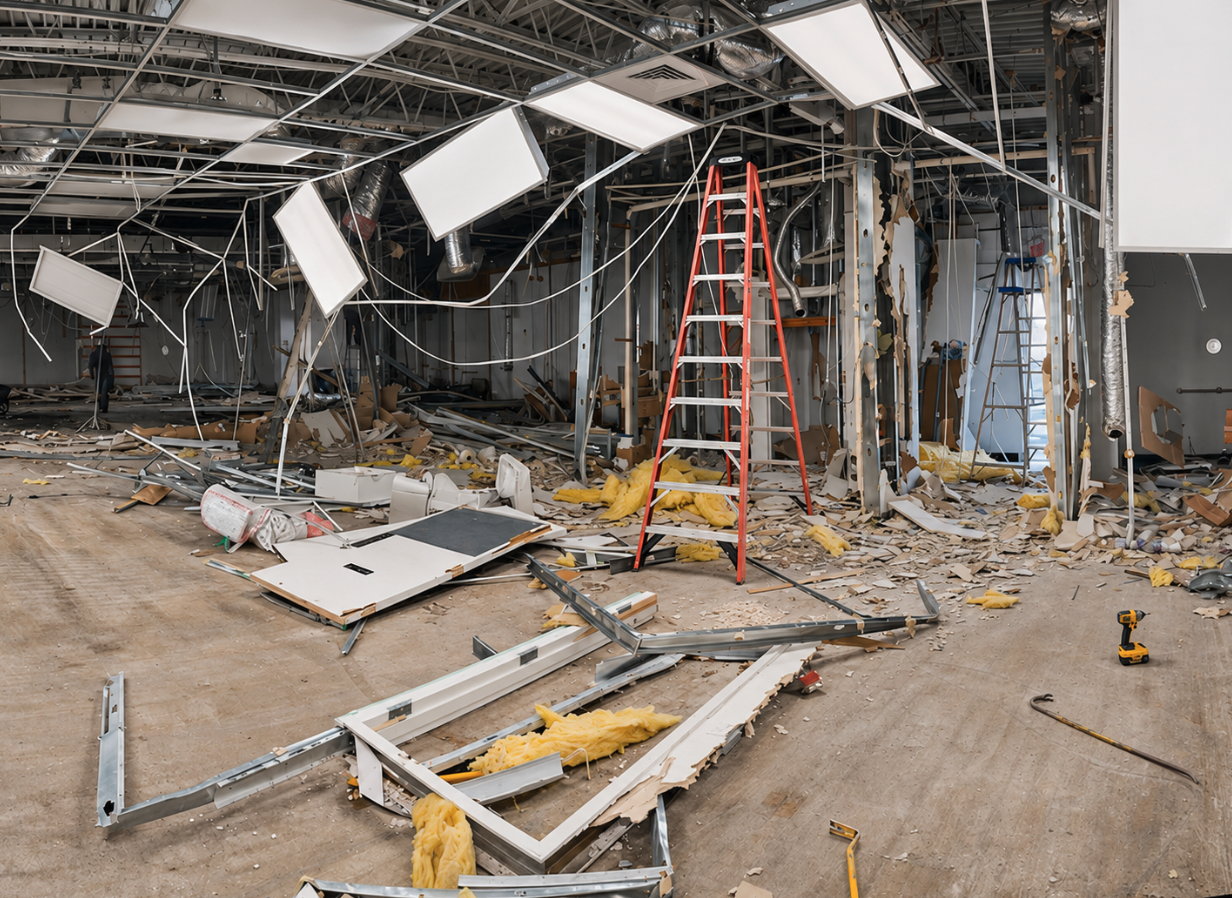
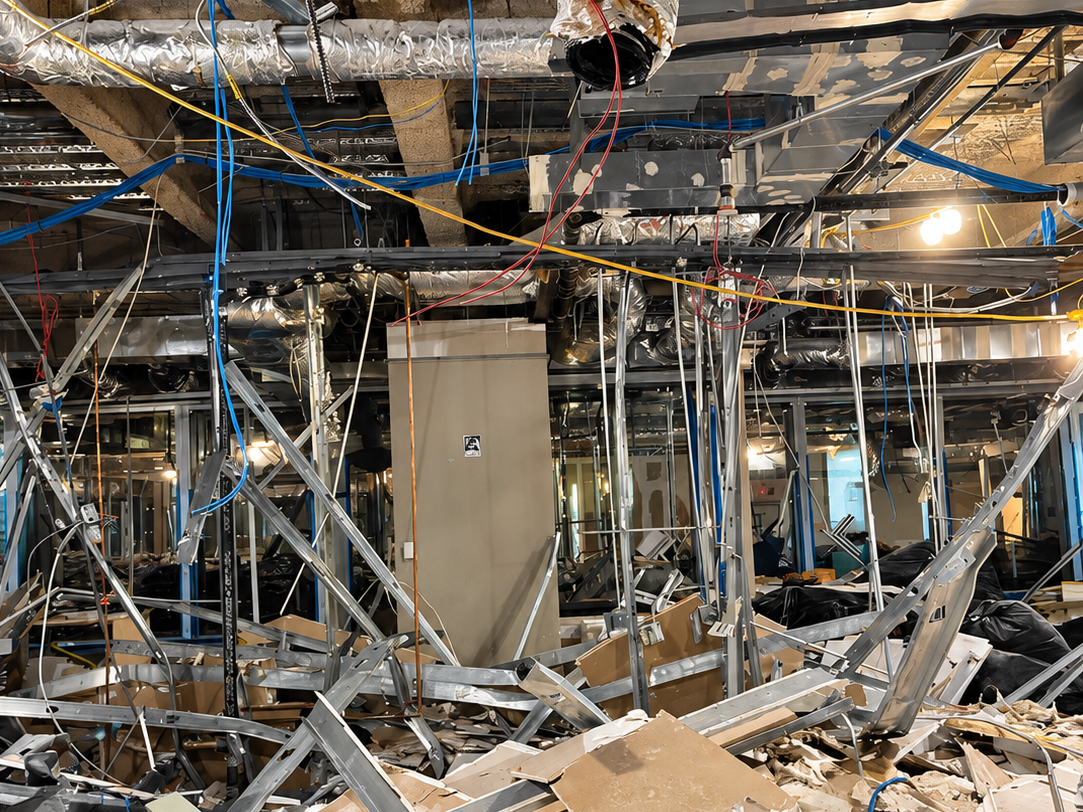
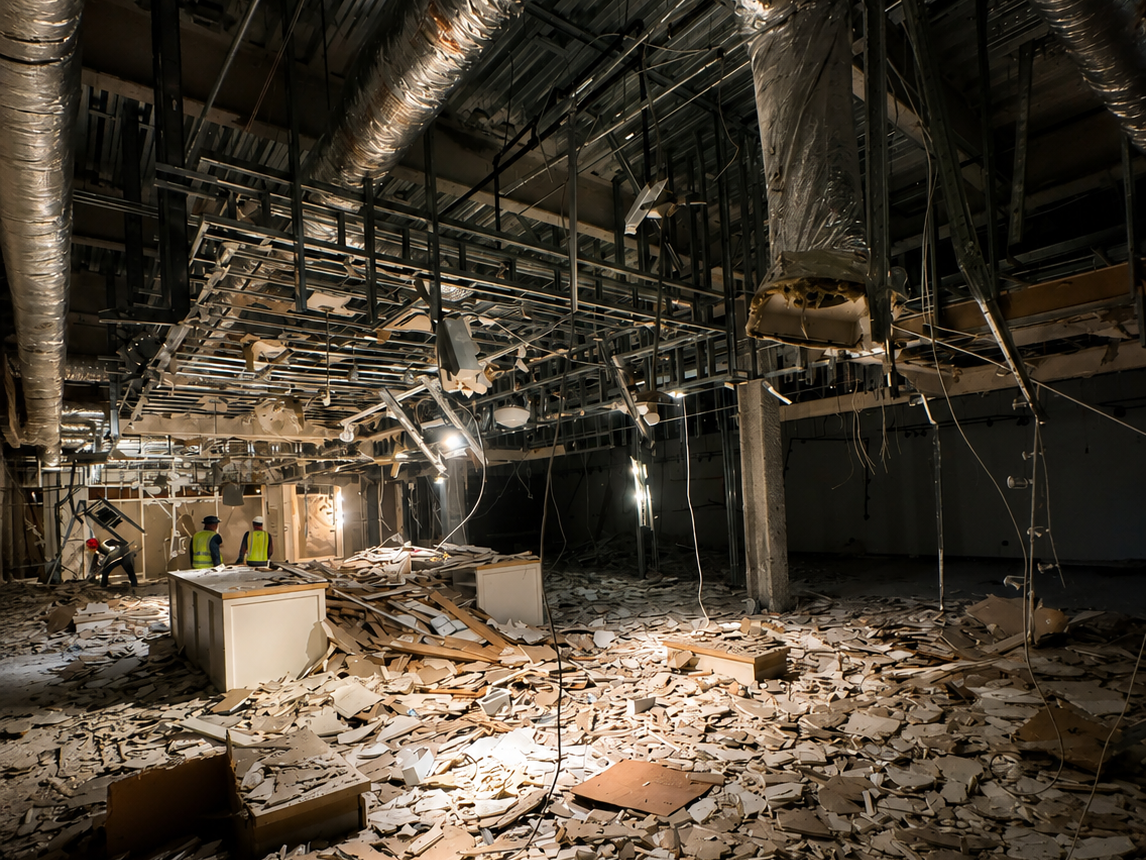
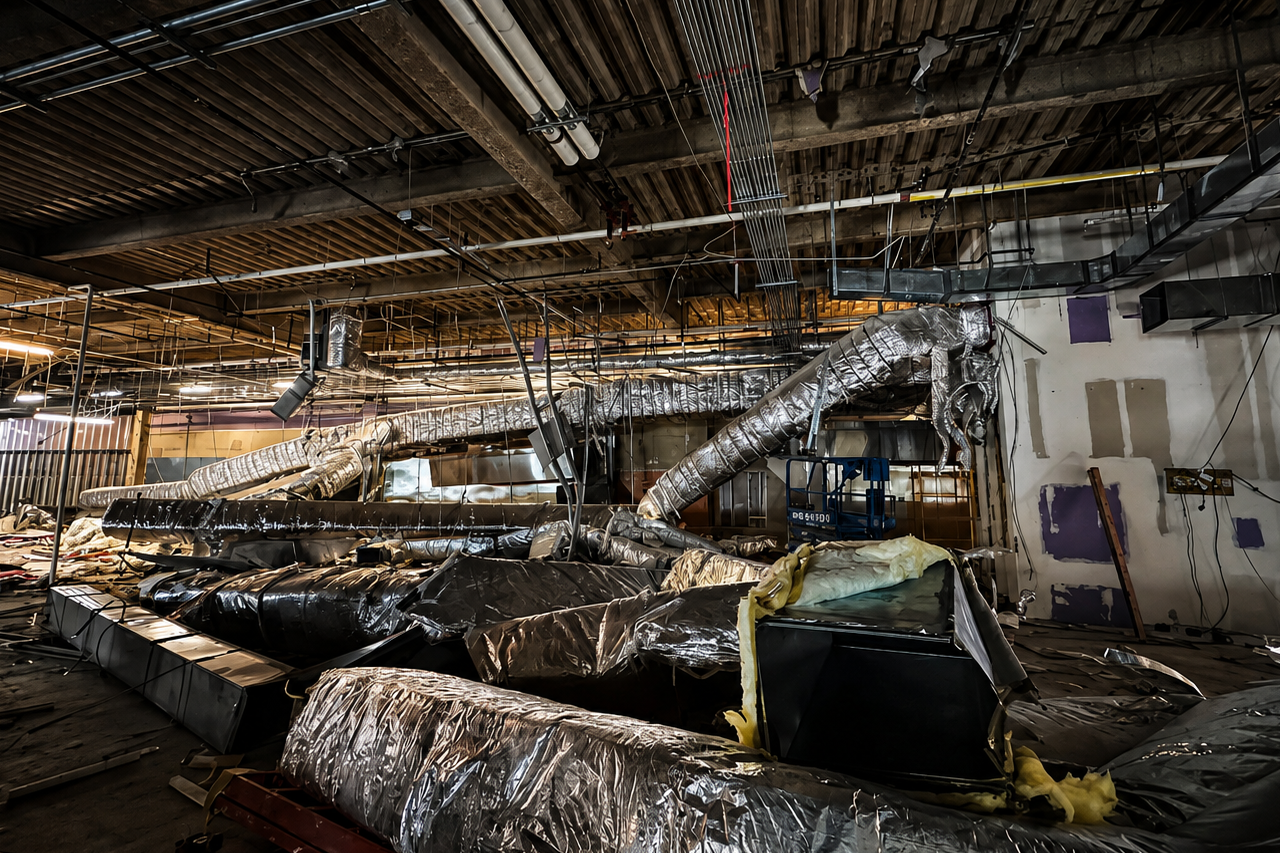
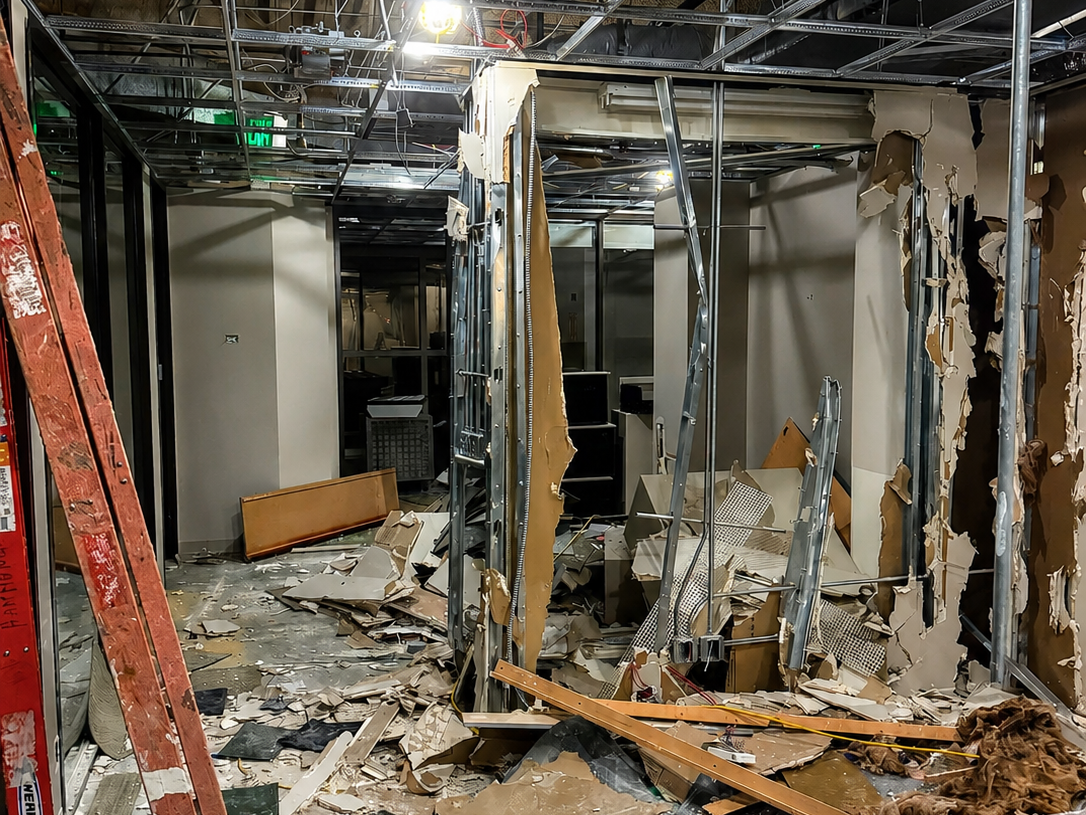
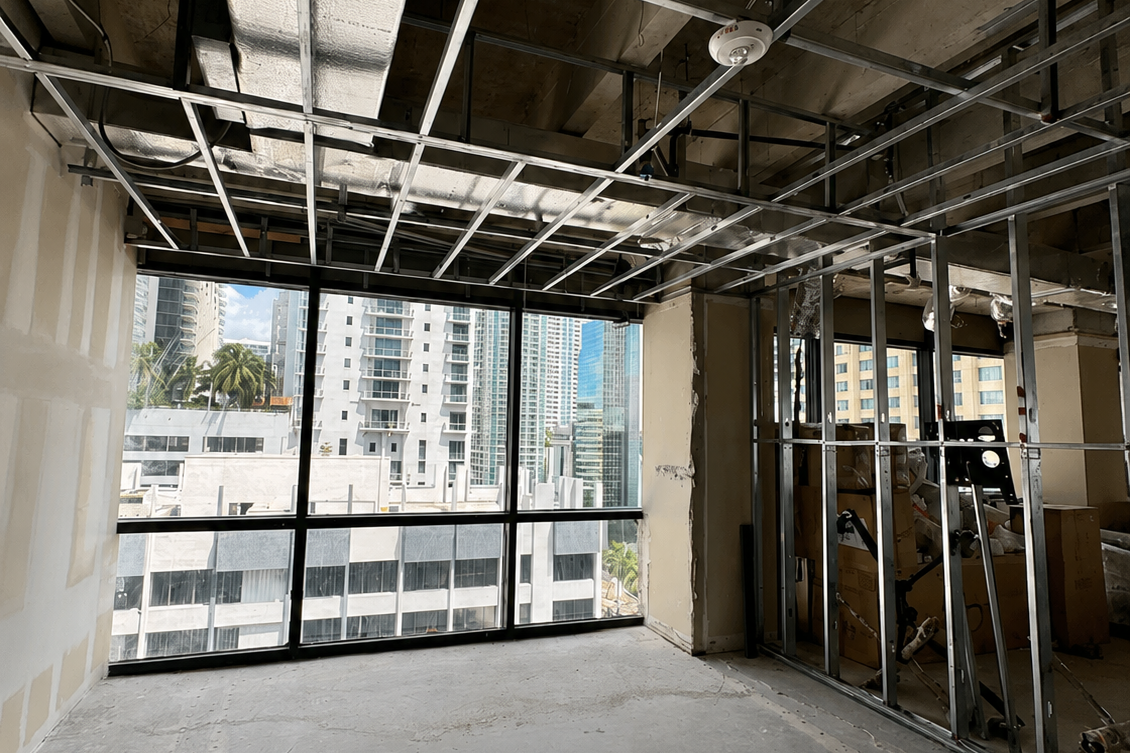
After the escalator equipment has been removed, additional demolition work may be required around the former installation area.
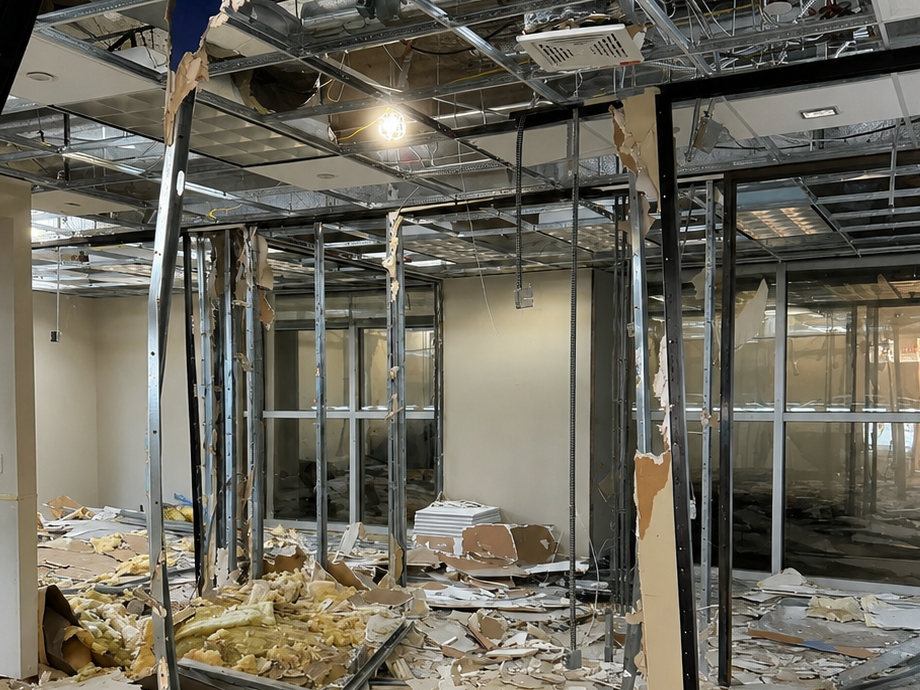
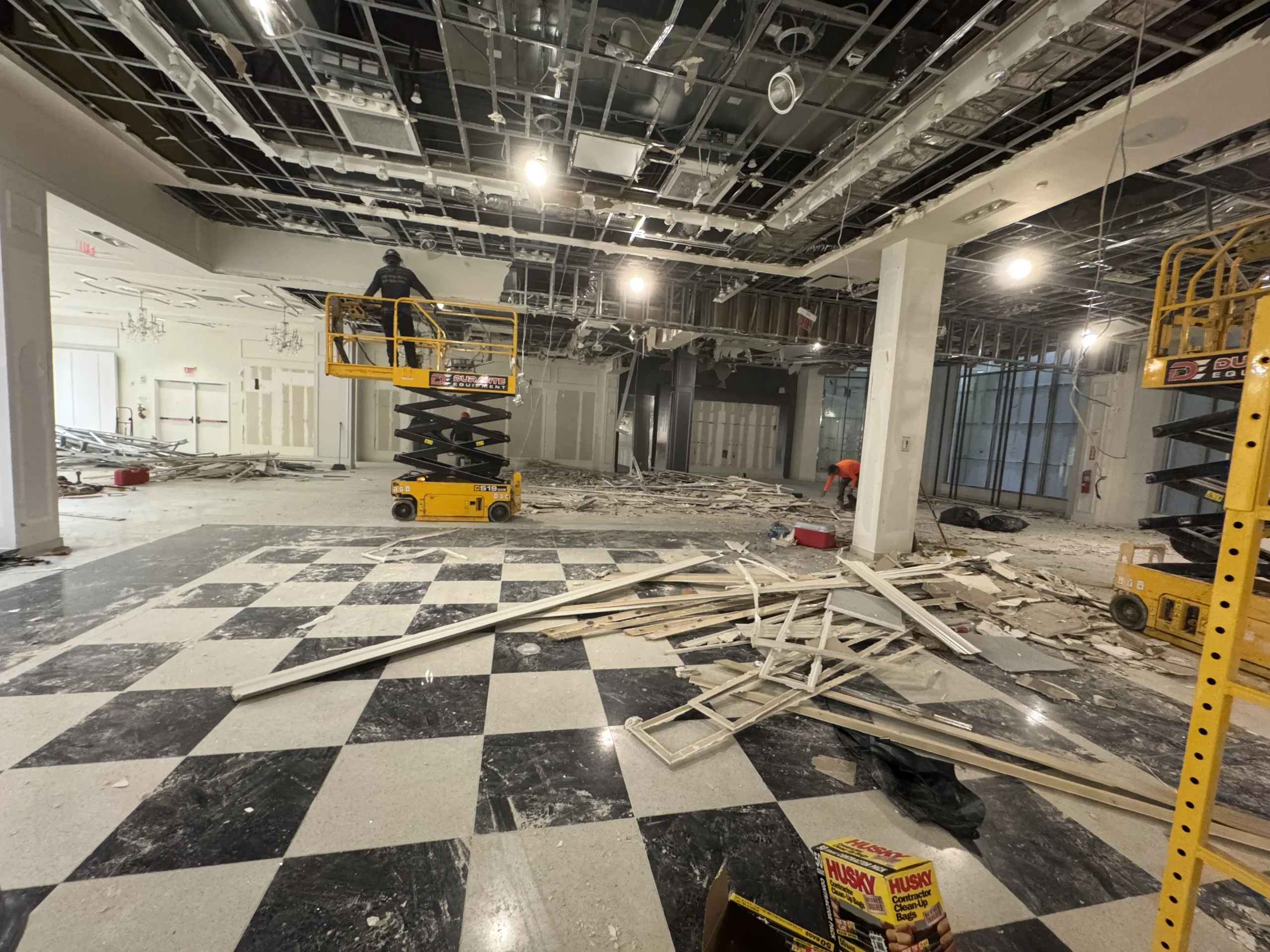
Depending on the renovation plans, this may include removing designated flooring, wall finishes, ceiling components, or other nonstructural materials.
Any modifications to structural supports or floor openings must follow the approved plans and applicable engineering requirements.
The area is then secured and prepared for the next stage of construction.
Escalator Removal in Miami Shopping Malls and Retail Properties
Miami and the surrounding South Florida region contain numerous commercial properties where escalators provide access between multiple levels.
Shopping malls and retail centers are particularly common settings for escalator renovation and replacement projects.
Unlike vacant construction sites, these environments may remain open to shoppers, employees, and neighboring businesses while renovations take place.
Escalator removal in an operating retail property may require coordination of temporary barriers, designated work areas, delivery schedules, and debris removal routes.
Service corridors, loading docks, freight elevators, and entrances must also be evaluated to determine how equipment and dismantled materials can be transported through the property.
In some circumstances, certain demolition activities may be scheduled outside normal operating hours to reduce interference with surrounding businesses.
These considerations make coordination between property management, the general contractor, escalator specialists, and demolition subcontractors an important part of the renovation process.
Equipment and Methods Used in Escalator Removal
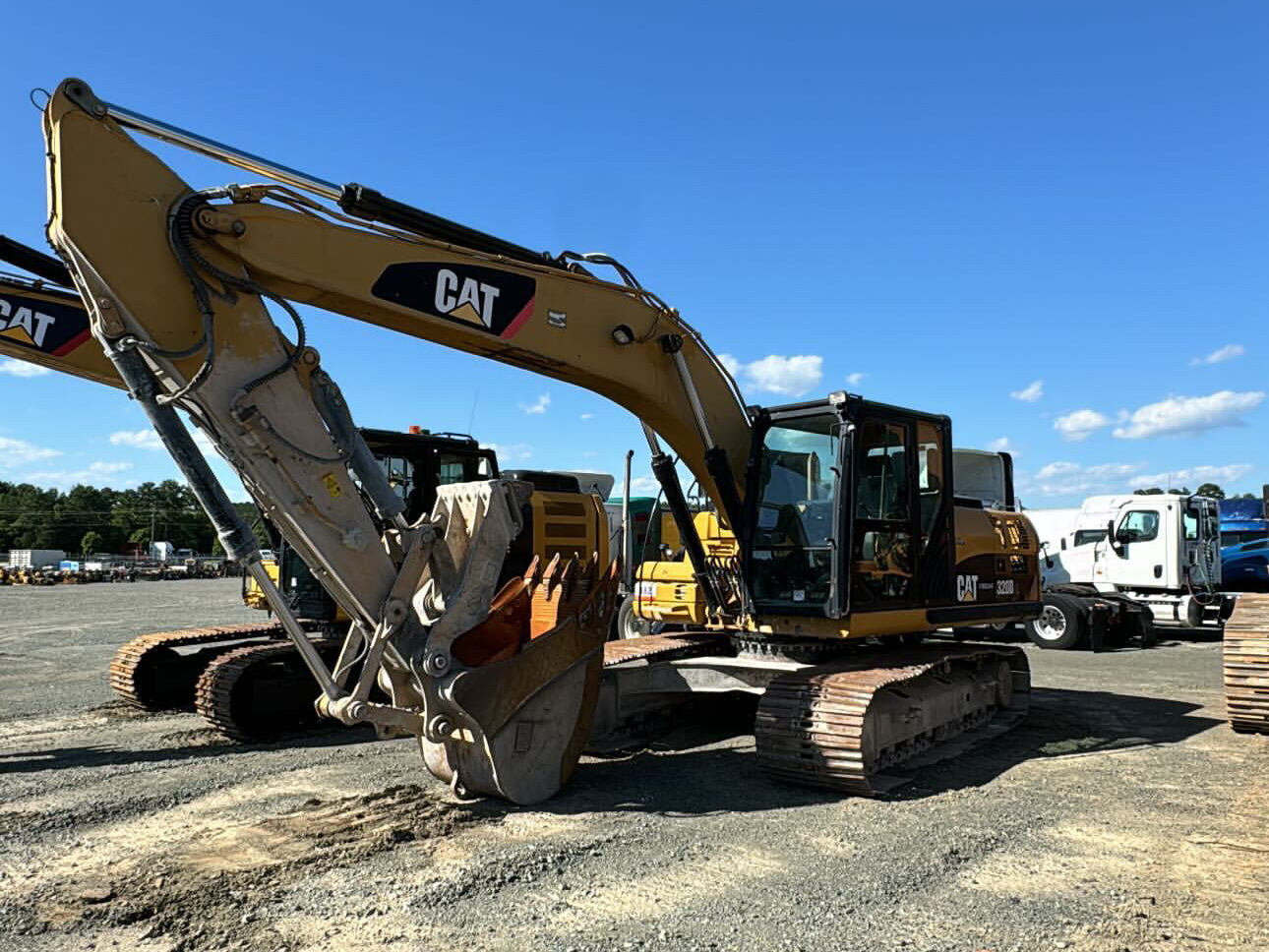
Escalator dismantling may involve various types of tools and equipment depending on the size of the system and the approved removal methodology.
Specialized lifting and rigging equipment may be required to handle large mechanical assemblies and steel components.
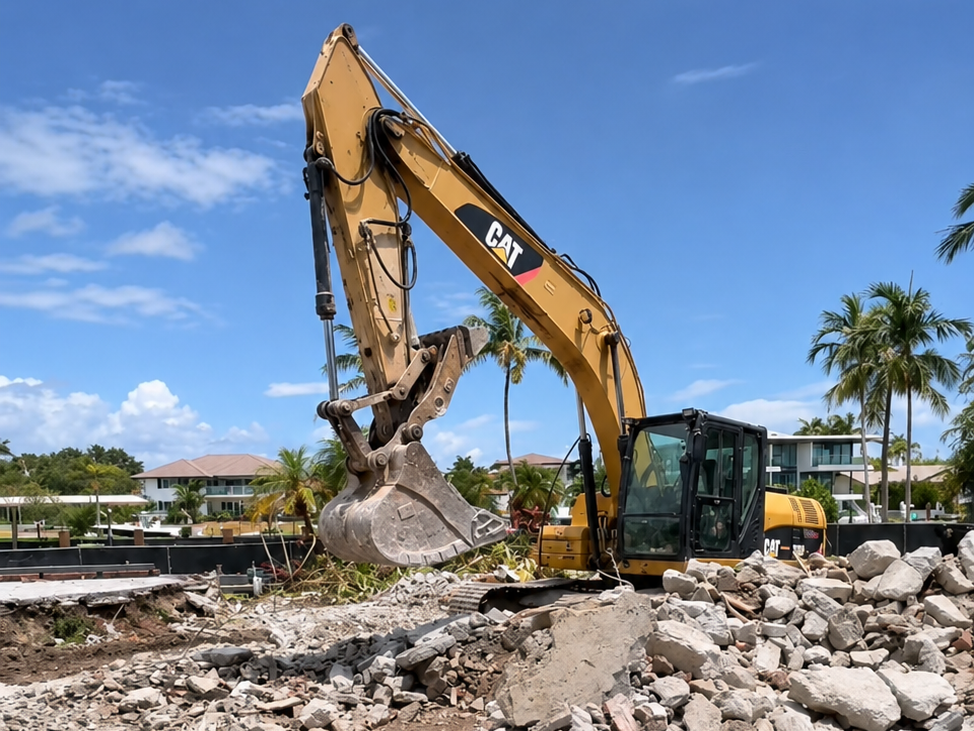
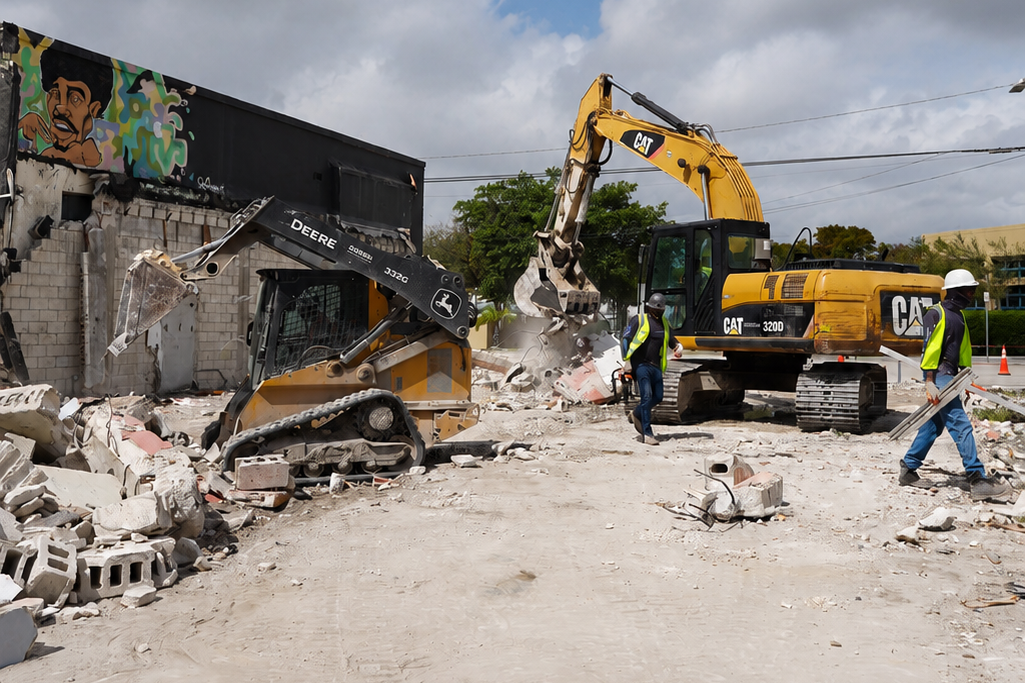
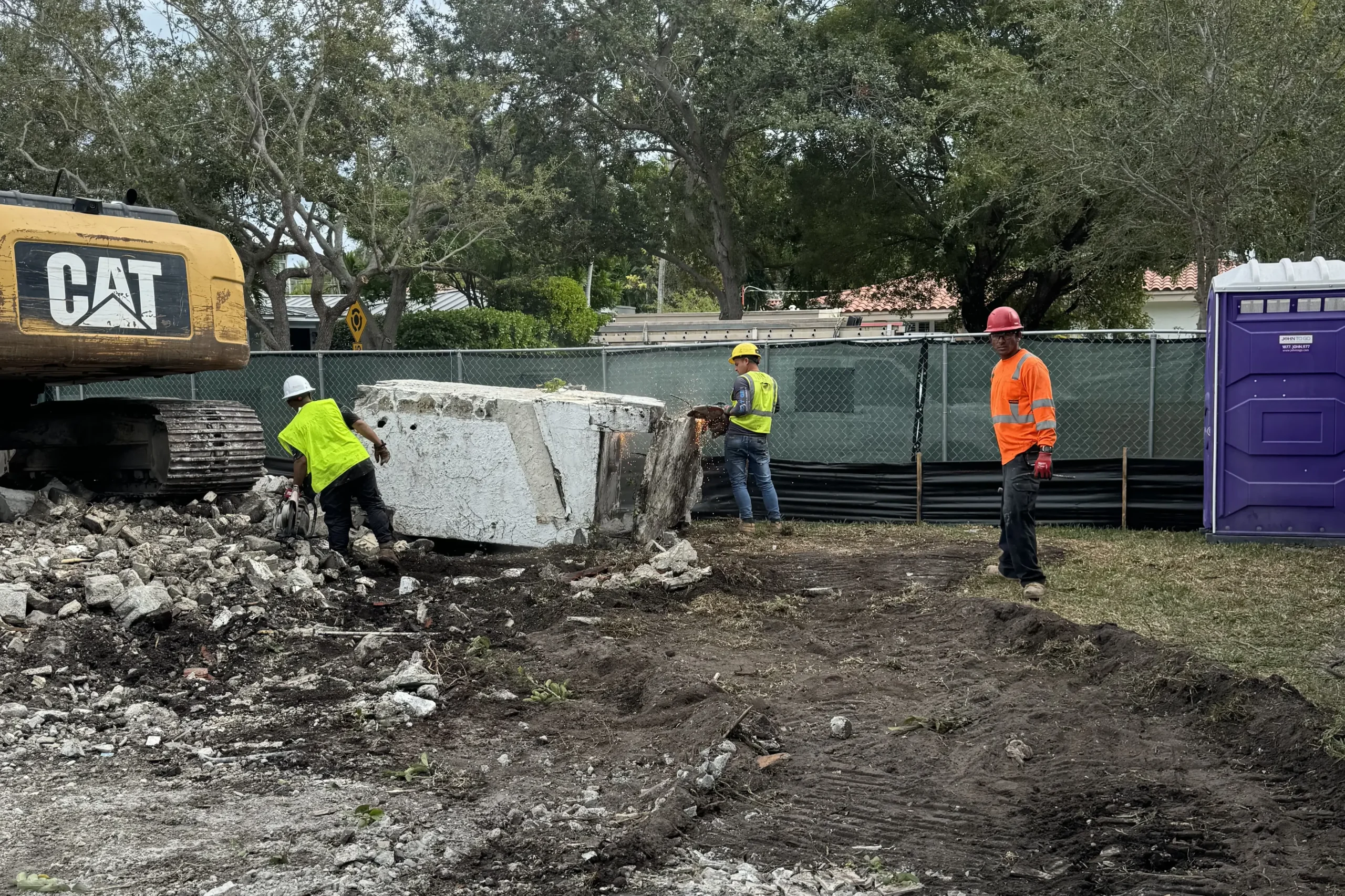
Smaller components may be removed using appropriate mechanical and handheld tools, while associated renovation demolition may require equipment for removing designated finishes or surrounding materials.
Common equipment categories can include:
- Specialized lifting and rigging systems
- Material-handling equipment
- Mechanical dismantling tools
- Approved cutting equipment
- Protective barriers and temporary work platforms
- Debris containers and transport equipment
Equipment selection must account for available working space, load capacities, surrounding structures, and applicable safety procedures.
The objective is to remove the designated equipment in a controlled manner while protecting building elements that are scheduled to remain.
The Role of Commercial Demolition Contractors in Escalator Renovations
Although specialized escalator contractors typically handle regulated equipment dismantling and associated technical work, commercial demolition contractors may also participate in the surrounding renovation scope.
For example, a larger escalator replacement project may involve selective demolition of nearby interior finishes, removal of designated nonstructural elements, debris handling, and preparation of adjacent work areas.
These activities must be clearly defined in the project documents to avoid overlapping responsibilities between trades.
Close coordination is especially important when work involves existing electrical systems, structural components, multiple building levels, or occupied commercial areas.
A well-organized demolition scope allows the project team to understand which activities fall under specialized equipment removal and which belong to the broader commercial renovation.
Safety and Coordination During Escalator Demolition
Safety is an essential consideration throughout the escalator removal process.
Because escalators contain heavy mechanical assemblies, electrical equipment, and structural connections, dismantling must be performed by appropriately qualified personnel using approved procedures.
Work planning may address:
- Equipment shutdown and hazardous-energy isolation
- Structural stability during dismantling
- Lifting and rigging requirements
- Protection of floor openings
- Temporary barriers and restricted access
- Safe transportation of removed components
- Coordination with other construction trades
- Applicable permits, inspections, and regulatory requirements
Depending on the project location and scope, escalator work may be subject to conveyance regulations and oversight by the appropriate authority.
Establishing responsibilities before work begins helps support an organized demolition process and reduces potential conflicts between trades.
Debris Removal and Material Handling
Escalator removal produces various materials, including steel components, mechanical equipment, electrical parts, glass, and other materials.
Once removed, these materials must be transported safely from the building and directed to appropriate recycling or disposal facilities.
Steel and certain other materials may be eligible for recycling, depending on their condition, composition, and local facility requirements.
For commercial properties with restricted loading areas or limited equipment access, debris removal must be coordinated with the overall demolition schedule.
Proper material handling helps maintain organized work areas and prepares the surrounding space for subsequent construction activities.
Commercial Escalator Removal and Demolition in South Florida
Escalator removal may be one component of a much larger commercial renovation.
Across Miami-Dade, Broward, and Palm Beach Counties, shopping centers, office buildings, airports, and other commercial properties periodically undergo equipment replacements and interior improvements.
These projects can involve multiple trades working within the same areas, making communication, scope definition, and scheduling particularly important.
Whether an existing escalator is being replaced or permanently removed, the surrounding demolition scope must be coordinated with the approved architectural, structural, electrical, and equipment plans.
For property owners and general contractors, early planning helps establish the necessary sequence of work and ensures the appropriate specialists are involved.
Commercial Demolition Services in Miami – Next Gen Construction & Demolition
At Next Gen Construction & Demolition, we specialize in commercial demolition services throughout Miami-Dade, Broward, Palm Beach, and surrounding South Florida communities.
Our team works with general contractors on commercial interior demolition, selective demolition, and renovation projects involving retail properties, office buildings, healthcare facilities, hospitality spaces, and other commercial environments.
Projects involving escalator replacements may also require surrounding demolition work and coordination with qualified equipment specialists.
By clearly identifying demolition limits, existing conditions, protection requirements, and trade responsibilities, project teams can better prepare commercial spaces for renovation.
Planning a commercial demolition or renovation project in Miami or South Florida?
Contact Next Gen Construction & Demolition to discuss your demolition scope, review project plans, and request a proposal.
Website: https://nextgendemolitionmiami.com/