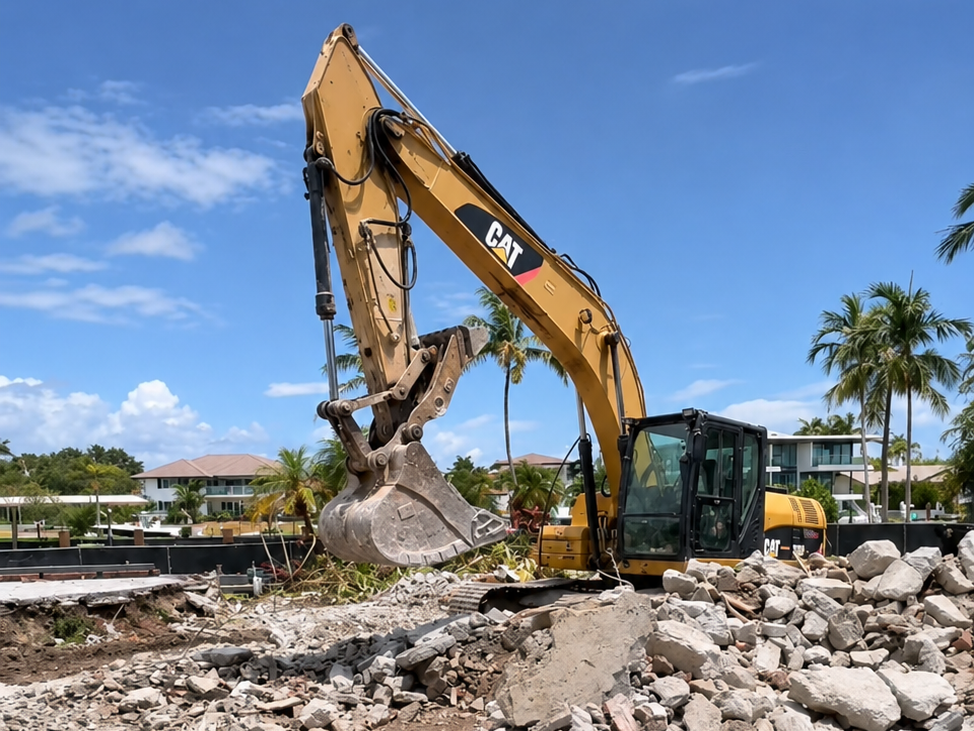
Before a new commercial building can take shape, the existing property must be properly prepared for construction. Whether a project involves replacing an outdated structure, redeveloping a commercial property, or clearing space for a new development, commercial demolition and site preparation are important early stages of the construction process.
In South Florida, where commercial properties are frequently renovated, redeveloped, and adapted for new uses, demolition contractors play an important role in helping general contractors and developers prepare properties for their next phase.
From removing existing structures to managing concrete debris and coordinating site conditions, the transition from demolition to new construction requires careful planning, experienced equipment operators, and coordination between multiple trades.
1. Evaluating the Existing Site Before Demolition
Every successful commercial demolition project begins with understanding the property and the work required.
Before demolition begins, contractors must evaluate the existing structure, surrounding conditions, and potential challenges that could affect the project.
Important considerations may include:
- Building construction: Identifying the materials and structural systems that make up the existing building.
- Site accessibility: Determining how equipment, trucks, and demolition crews will access the property.
- Adjacent structures: Evaluating nearby buildings, utilities, roadways, and occupied properties that must be protected.
- Utility coordination: Confirming that affected electrical, water, gas, and other services are properly addressed before demolition.
- Permitting requirements: Identifying the permits, approvals, and inspections applicable to the demolition scope.
- Hazardous materials: Arranging appropriate surveys and abatement when required before demolition activities begin.
These evaluations help establish a demolition approach that accounts for safety, site restrictions, and the overall construction schedule.
For general contractors, addressing these conditions early can also help reduce unexpected complications once demolition is underway.
2. Removing Existing Commercial Structures
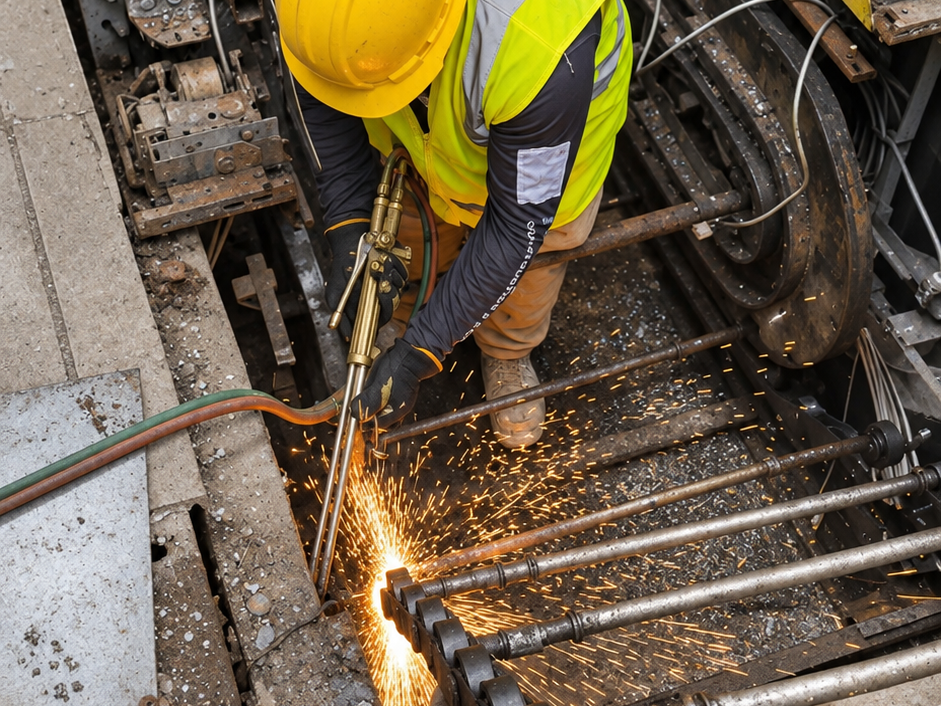
Once the required preparations, approvals, and safety measures are in place, demolition crews can begin removing the designated structures or building components.
The demolition method depends on the type of property, construction materials, available working space, and project requirements.
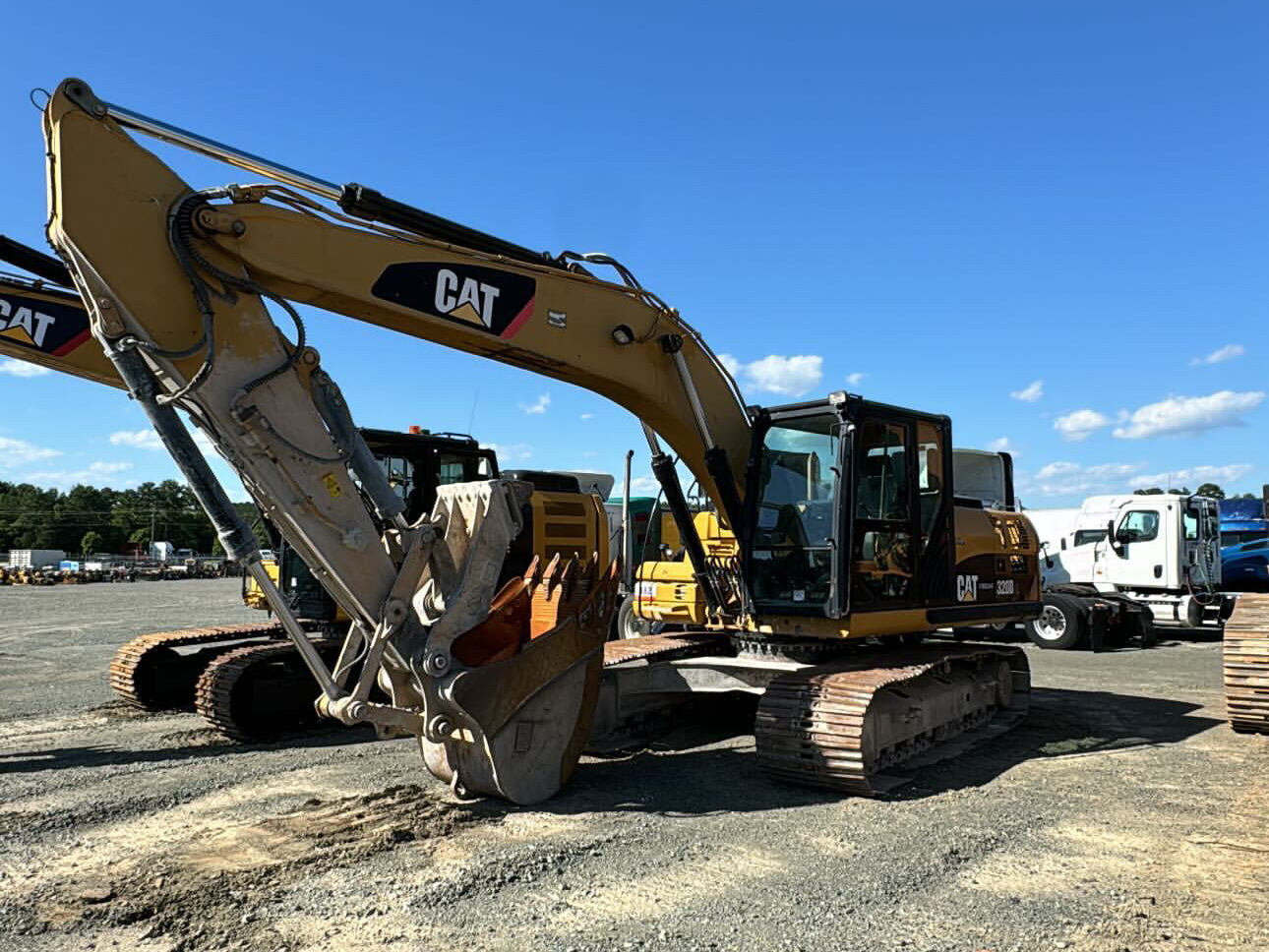
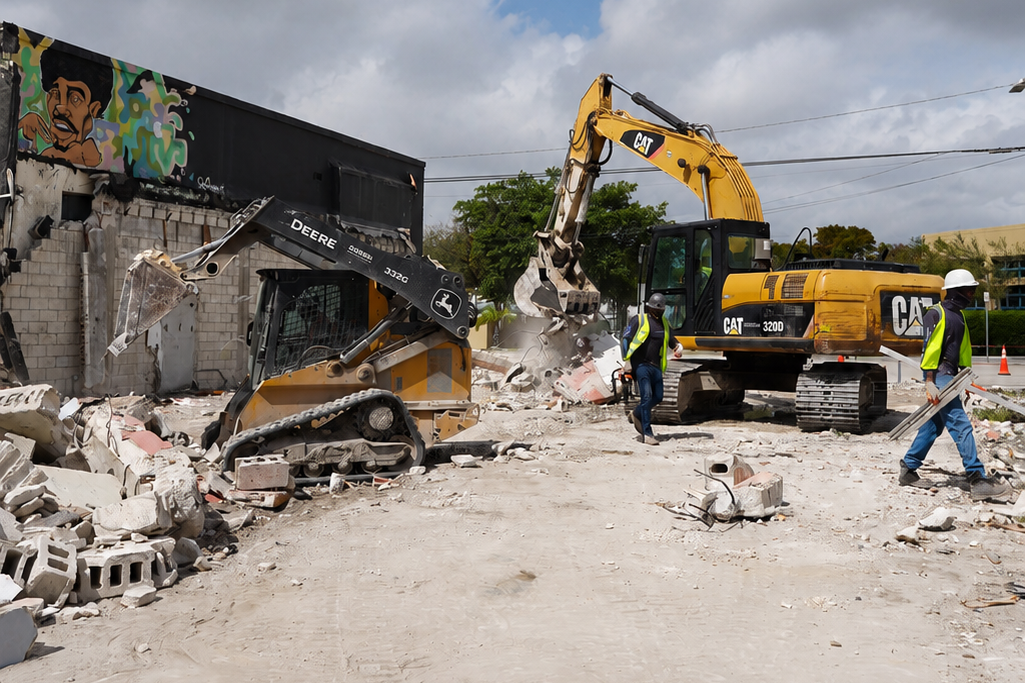
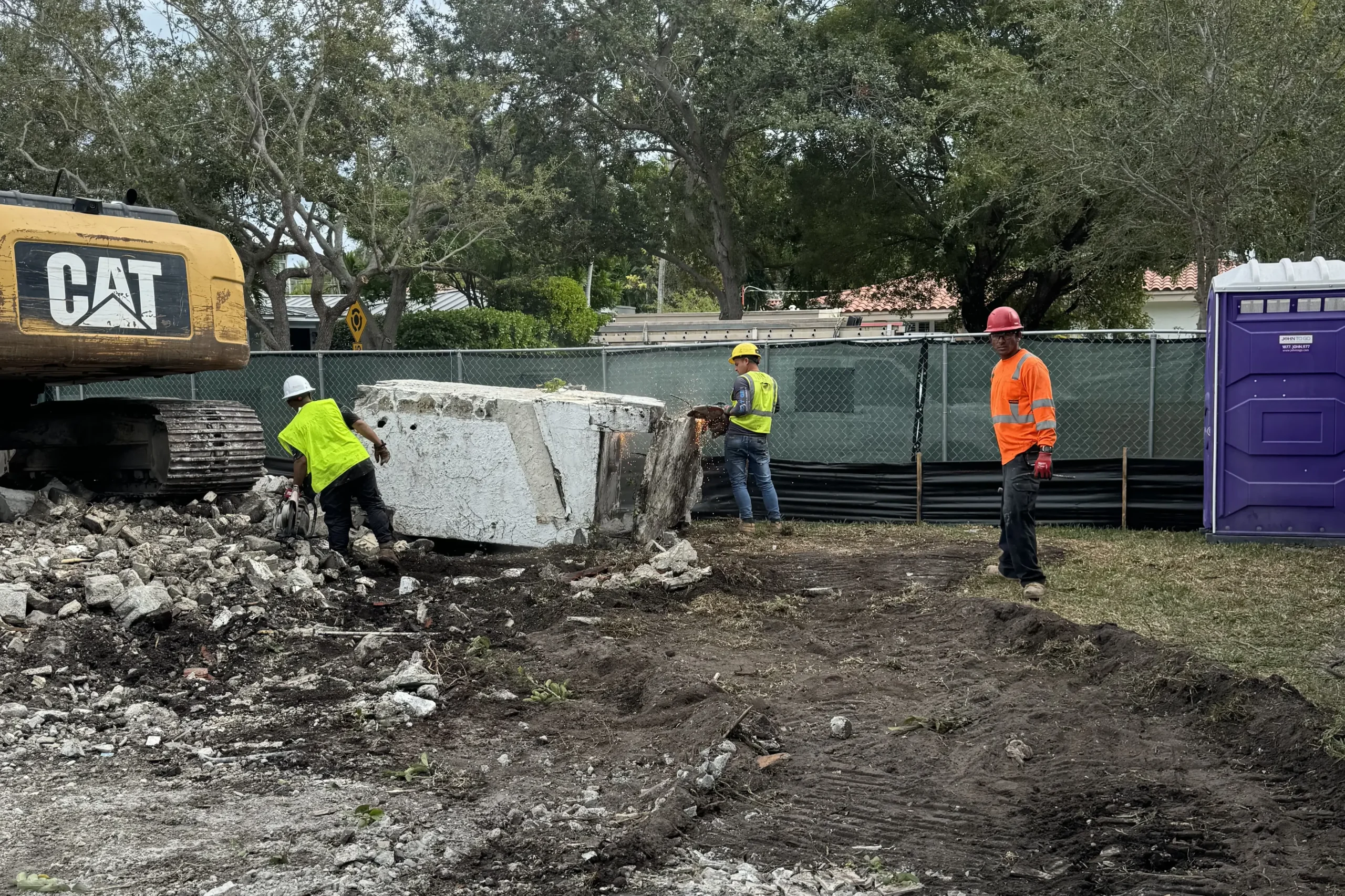
For complete commercial building demolition, heavy equipment such as excavators may be used to systematically dismantle structural components and manage resulting debris.
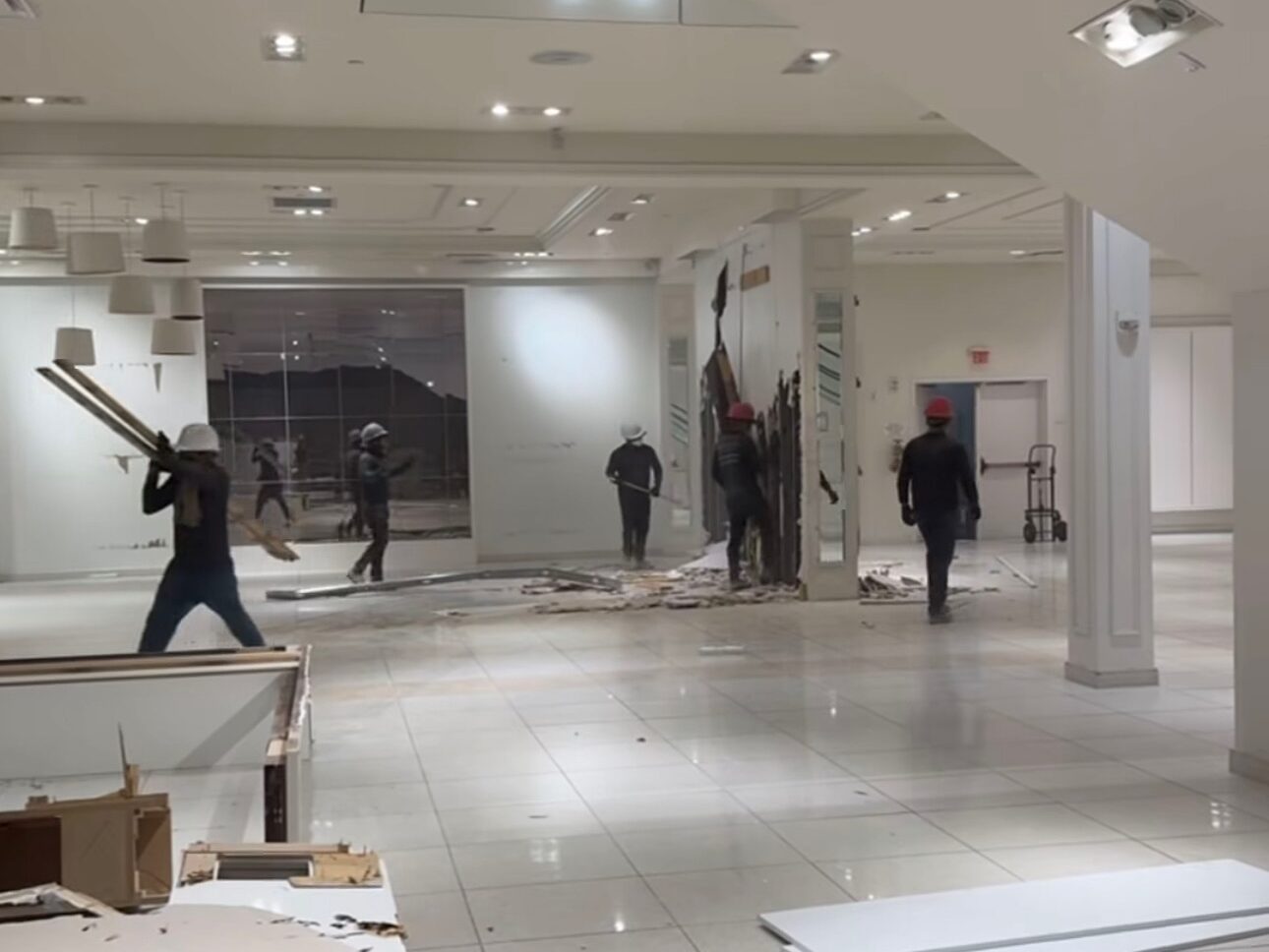
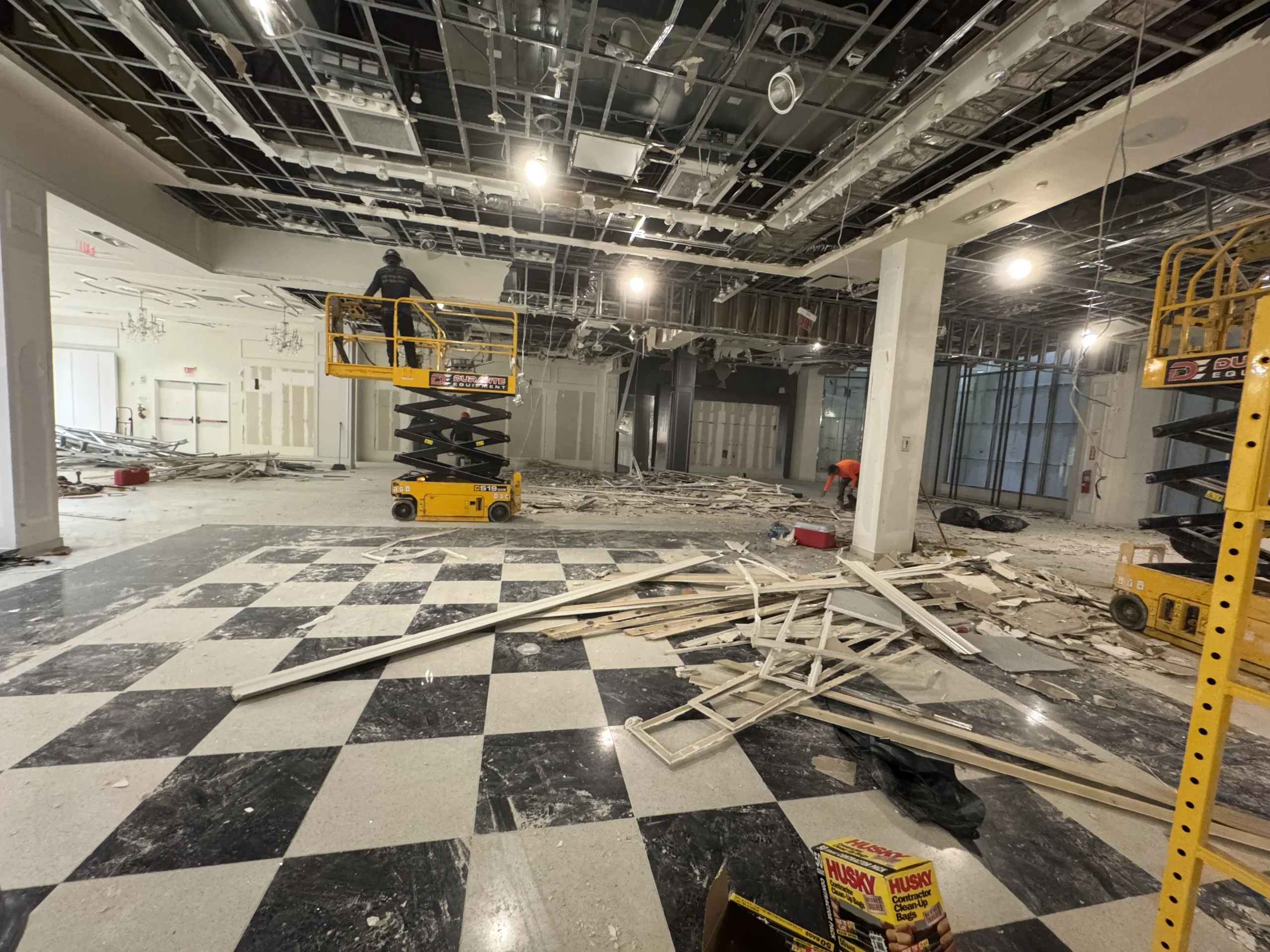
Other projects may require a combination of mechanical demolition and more controlled removal methods, particularly when portions of an existing property must remain intact.
Throughout the process, demolition teams must coordinate equipment movement, material handling, and site access while following the approved demolition plan.
The objective is not simply to remove a building, but to complete the demolition scope in a manner that supports the next phase of construction.
3. Concrete and Masonry Removal During Demolition
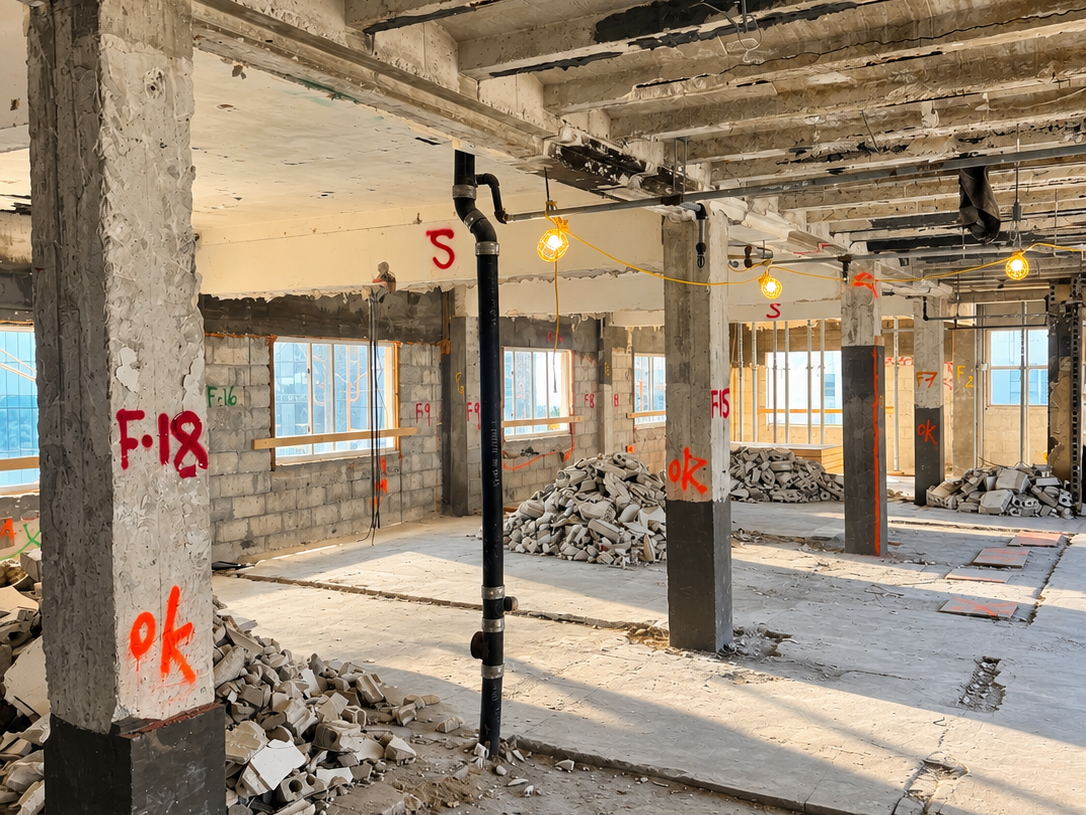
One of the most visible aspects of commercial demolition is the accumulation of concrete, masonry, and other construction debris.
Depending on the structure, demolition materials may include:
- Concrete walls and slabs
- Concrete masonry units (CMU)
- Brick and block materials
- Structural concrete components
- Asphalt and paving materials
- Other building materials identified for removal
Removing these materials requires appropriate equipment, handling procedures, and debris management.
Excavators equipped with suitable attachments can assist with breaking, lifting, and moving concrete and masonry materials. Equipment selection depends on the demolition scope, site conditions, and structural characteristics of the materials being removed.
For projects involving substantial concrete demolition, proper debris handling is especially important because large quantities of heavy material can accumulate quickly.
Effective coordination helps maintain safe working areas and allows demolition operations to progress without unnecessary obstructions.
4. Debris Removal and Material Management
Demolition does not end when the existing structure is brought down.
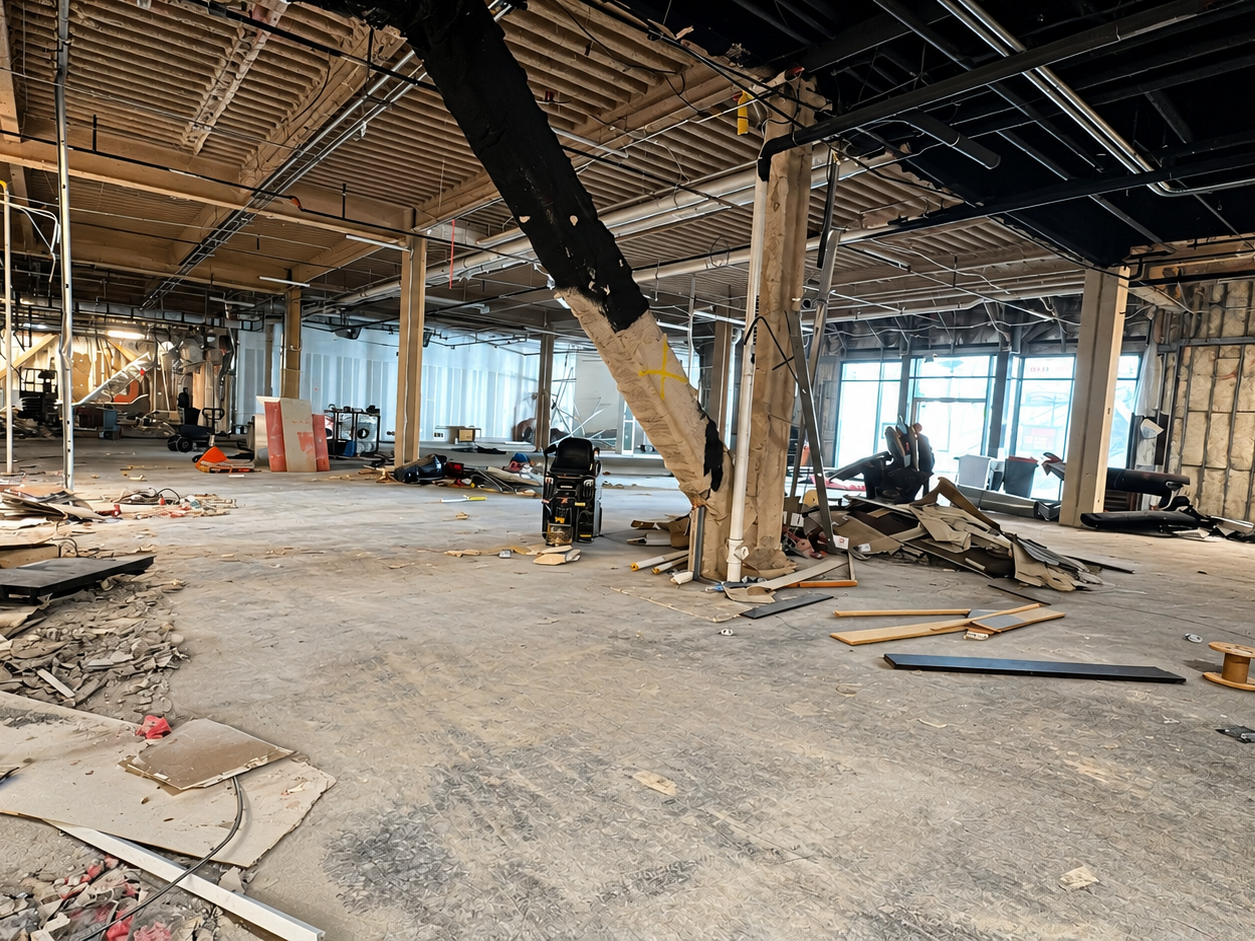
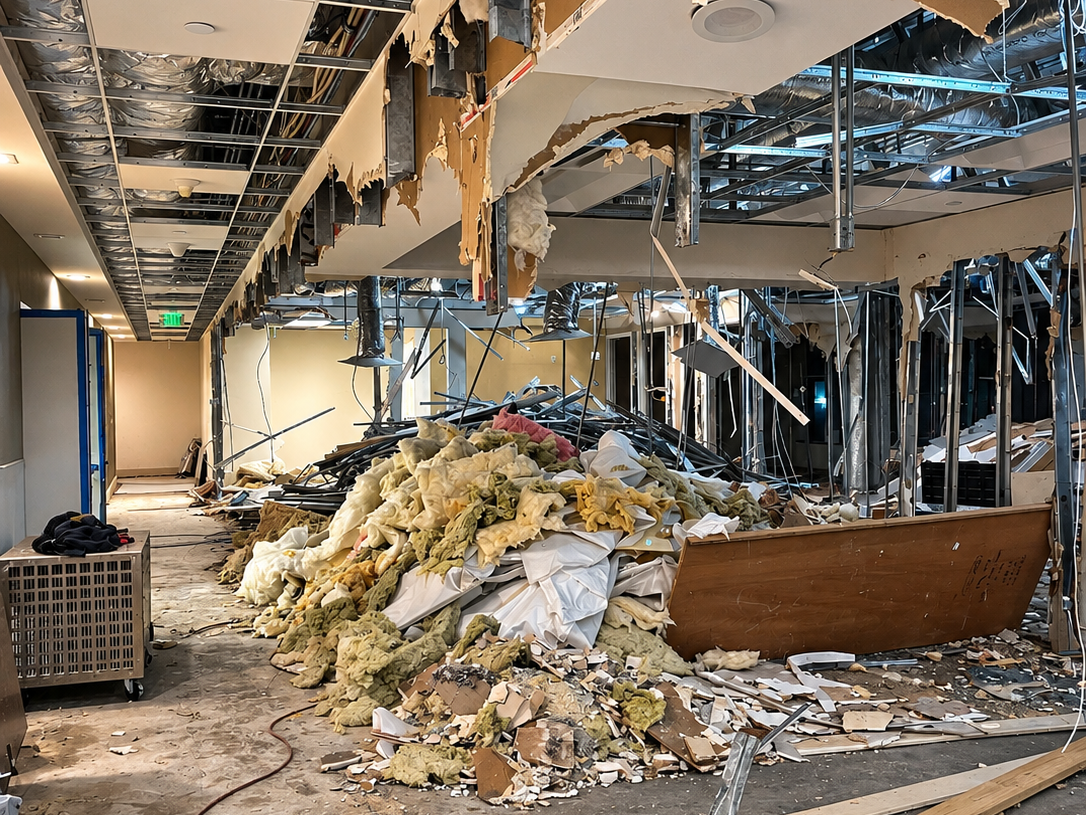
Once materials have been removed, the site may contain concrete rubble, masonry, metals, wood, and other construction debris that must be properly managed.
Depending on the project requirements, demolition contractors may coordinate:
- Separation of designated recyclable materials
- Loading concrete and masonry debris for transportation
- Removal of construction waste from designated work areas
- Coordination of hauling trucks and disposal facilities
- Maintaining accessible routes for equipment and personnel
- Compliance with applicable waste handling and disposal requirements
Some materials, including certain concrete and metal products, may be suitable for recycling when accepted by the appropriate processing facilities.
Proper debris removal helps keep the demolition site organized and supports the transition to subsequent construction activities.
In busy South Florida commercial areas, truck access, limited staging space, and nearby properties can make debris logistics particularly important.
5. Preparing the Property for the Next Construction Phase
After the required demolition and debris removal activities are completed, the property moves toward the next stage of development.
However, demolition completion and full site preparation are not always the same thing.
The exact condition in which a demolition contractor leaves the property depends on the agreed scope of work.
For example, a demolition contract may include removing a building and designated concrete slabs, while a separate sitework contractor may be responsible for excavation, grading, soil preparation, underground utilities, or other activities required before new construction begins.
Depending on the project, the transition may involve:
- Confirming that designated structures and materials have been removed
- Clearing demolition debris from the contracted work areas
- Addressing remaining foundations or slabs when included in the scope
- Coordinating inspections and required approvals
- Identifying remaining site conditions for the general contractor
- Preparing for the mobilization of subsequent trades
Clear scope definitions help general contractors understand which activities belong to the demolition contractor and which will be performed during the next construction phase.
6. Why Coordination Between Demolition and Construction Teams Matters
Commercial demolition is often one of the earliest major activities in a redevelopment project.
Because subsequent trades depend on the completion of designated demolition work, delays or unexpected site conditions can affect the overall construction schedule.
Communication between demolition subcontractors, general contractors, engineers, and other project participants helps establish clear expectations.
Important coordination items may include:
- Demolition limits and scope exclusions
- Project milestones and completion requirements
- Site access and equipment staging
- Utility disconnections and protection
- Debris hauling and material disposal
- Existing conditions discovered during demolition
- Final site turnover requirements
When these responsibilities are established early, the transition between demolition and new construction can be more efficient and predictable.
7. Commercial Demolition and Redevelopment in South Florida
Across Miami-Dade, Broward, and Palm Beach Counties, existing commercial properties continue to be adapted for new development and changing business needs.
Older retail buildings, office properties, industrial facilities, and other commercial structures may require complete or partial demolition before redevelopment can begin.
However, demolition in South Florida can present unique logistical challenges.
Properties located in densely developed areas may have limited equipment access, restricted hauling routes, nearby occupied buildings, or tight construction schedules.
Weather conditions, municipal requirements, and coordination with surrounding properties may also affect project planning.
Working with an experienced commercial demolition subcontractor helps general contractors address these considerations during the early phases of redevelopment.
8. Choosing the Right Commercial Demolition Contractor
Selecting a commercial demolition subcontractor involves more than comparing proposal prices.
General contractors should also consider the contractor’s experience with similar project types, ability to understand demolition drawings, approach to site coordination, and familiarity with local construction conditions.
A well-defined demolition proposal should identify the work included, relevant exclusions, and assumptions that could affect pricing or execution.
For commercial redevelopment projects, these details are particularly important because the demolition phase establishes conditions for the work that follows.
Experienced demolition contractors understand the importance of completing their scope while coordinating with the broader construction team.
Commercial Demolition Services in Miami and South Florida
At Next Gen Construction & Demolition, we specialize in commercial demolition services throughout Miami-Dade, Broward, Palm Beach, and surrounding South Florida areas.
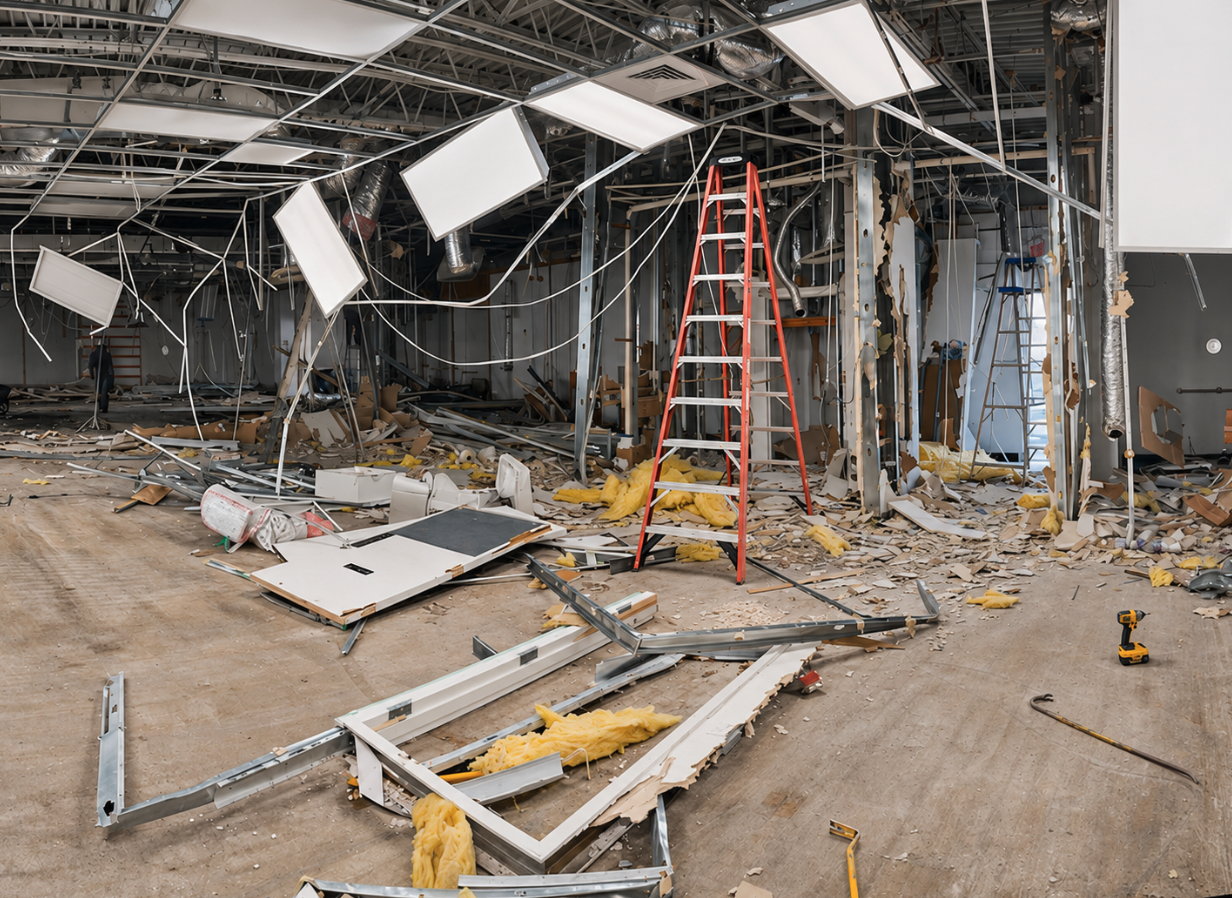
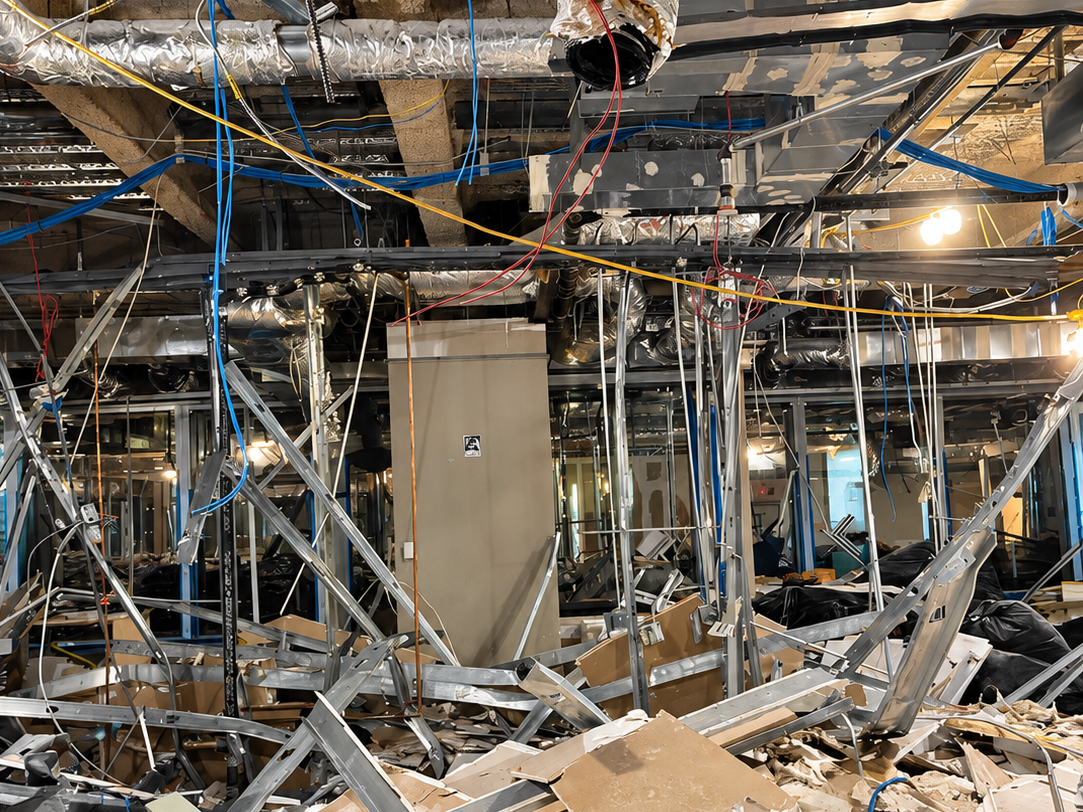
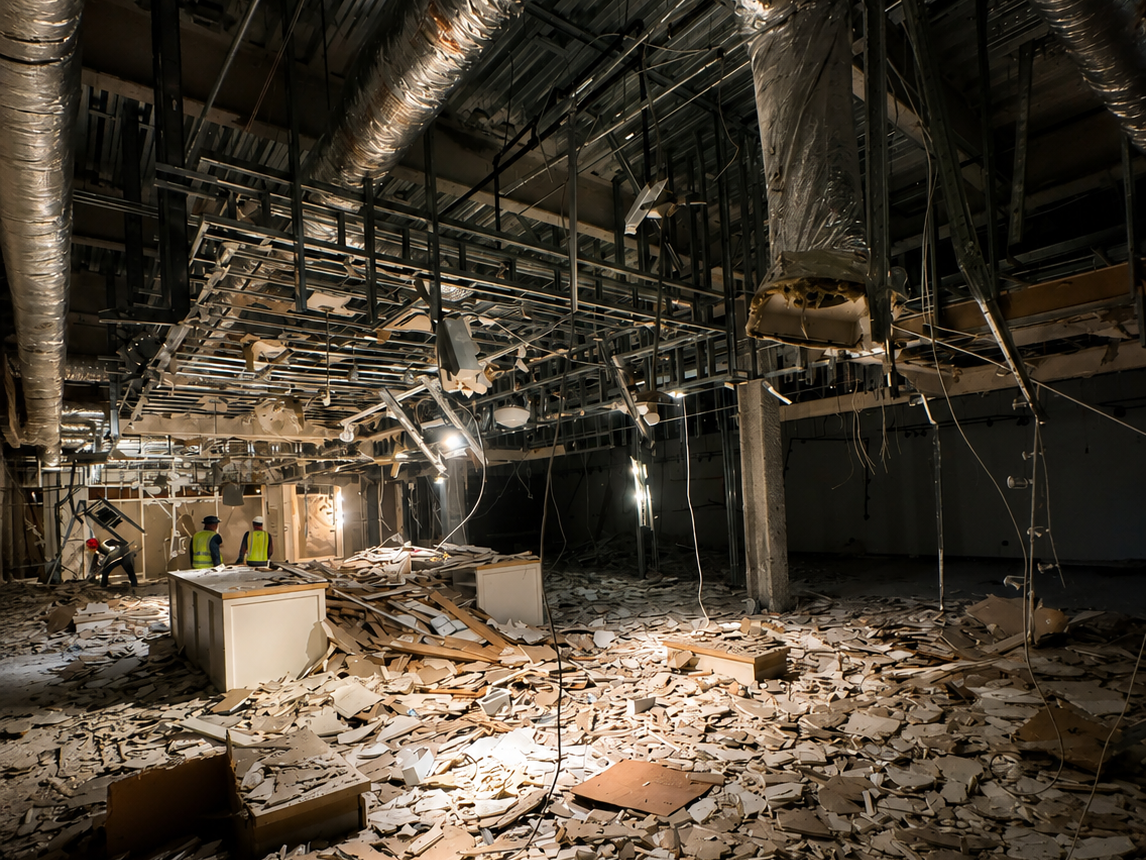
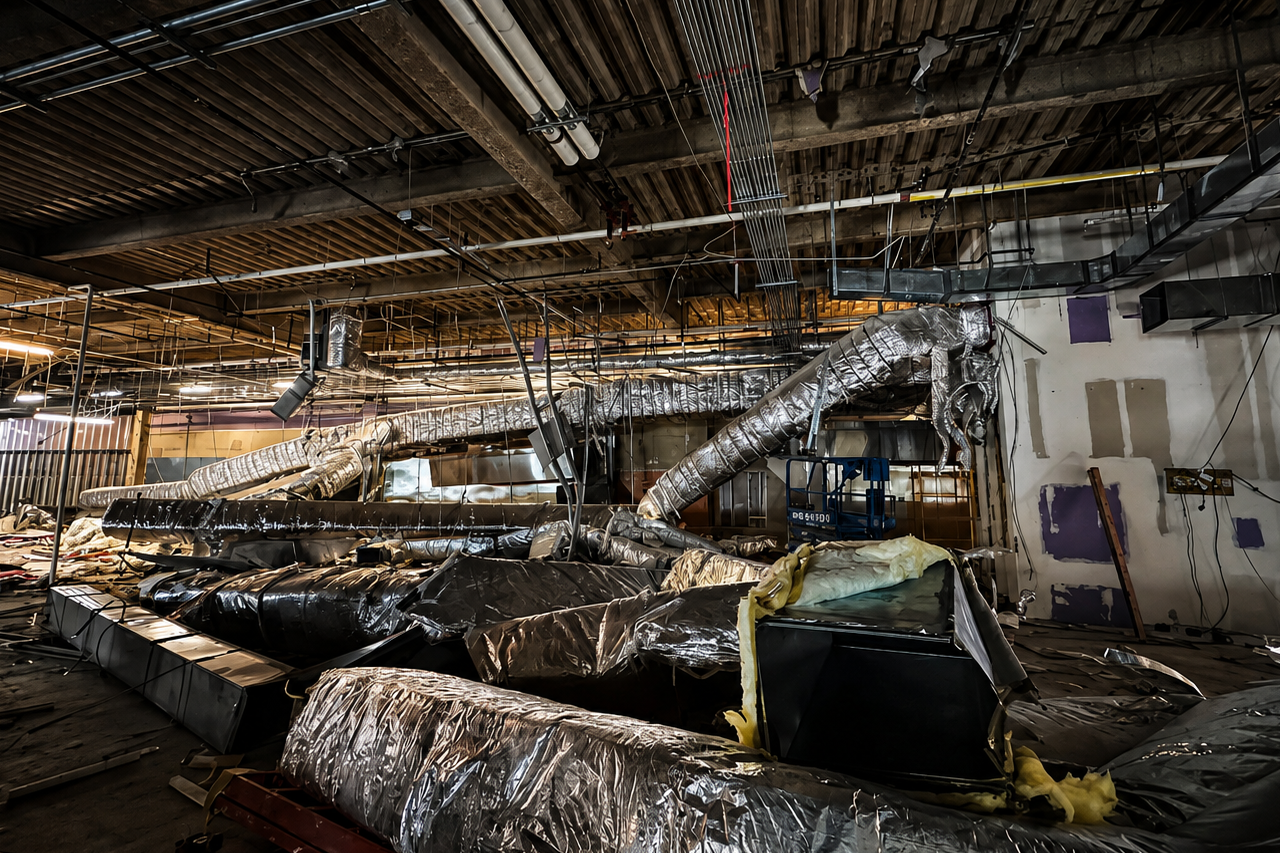
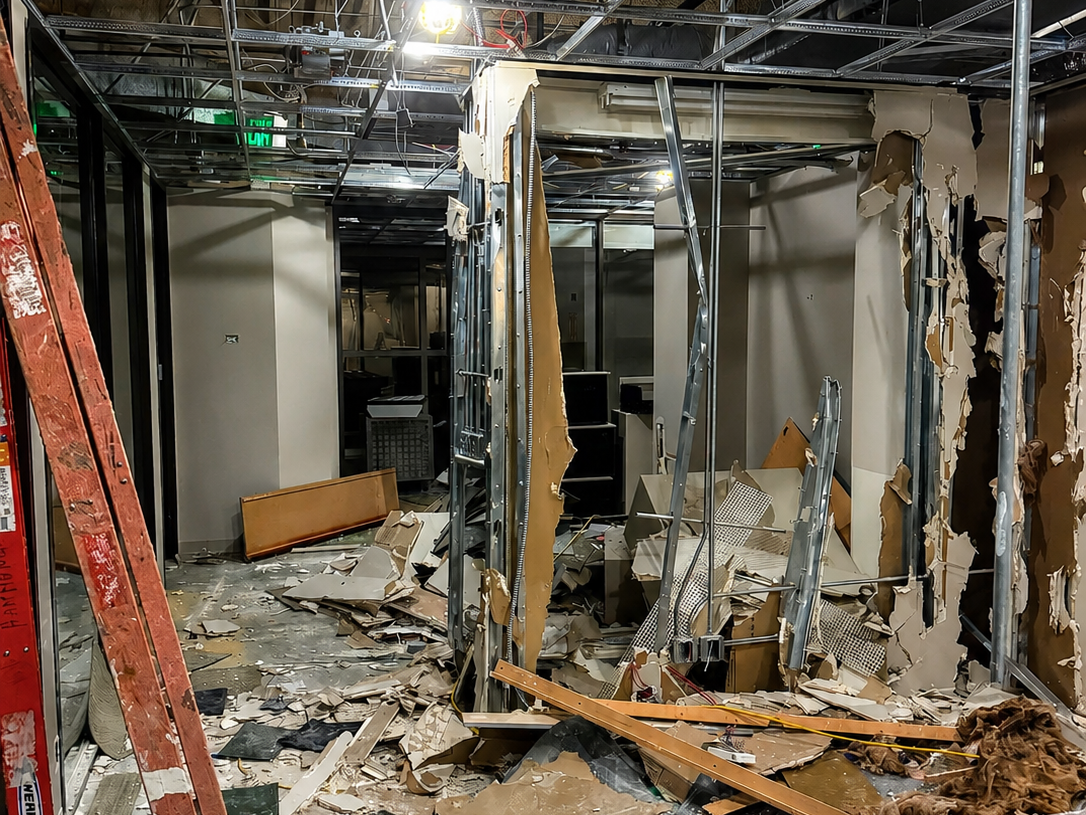
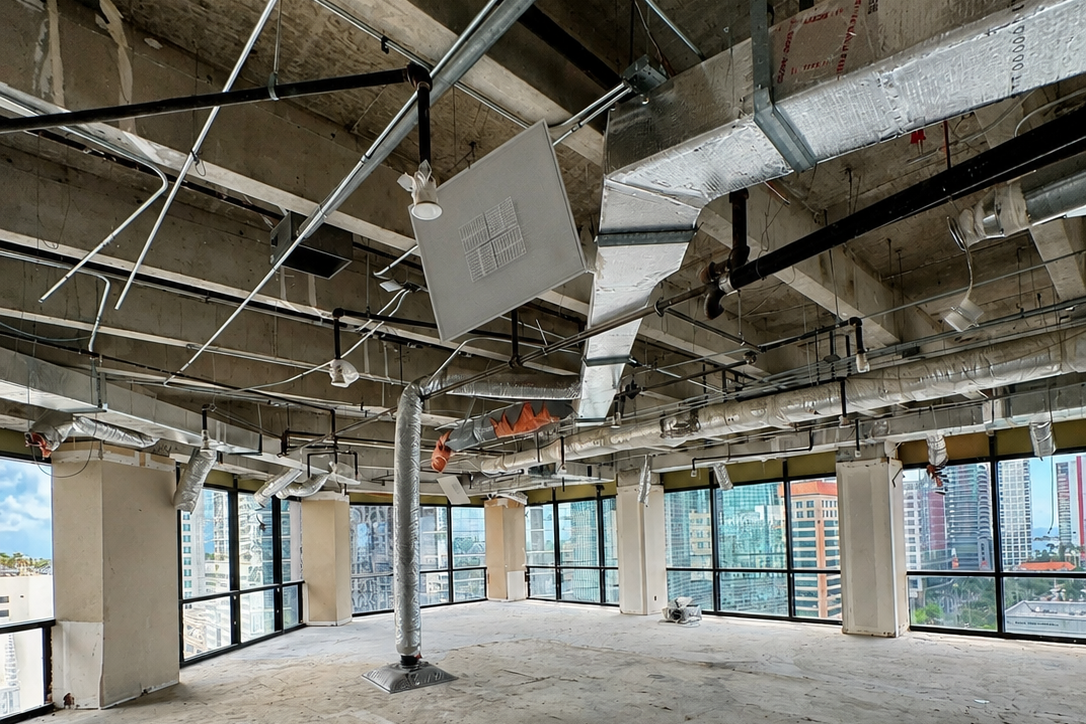
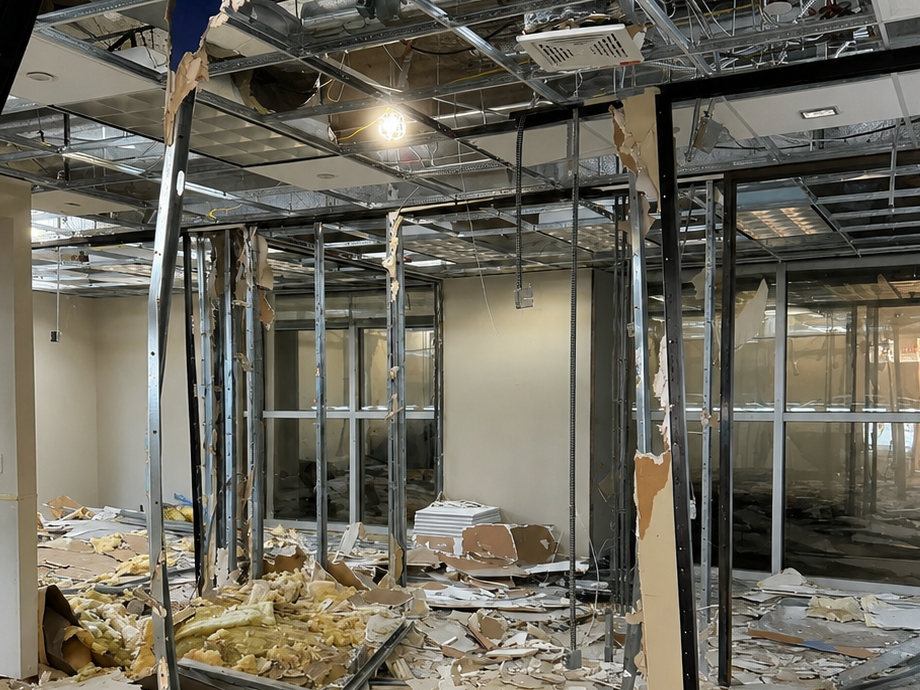
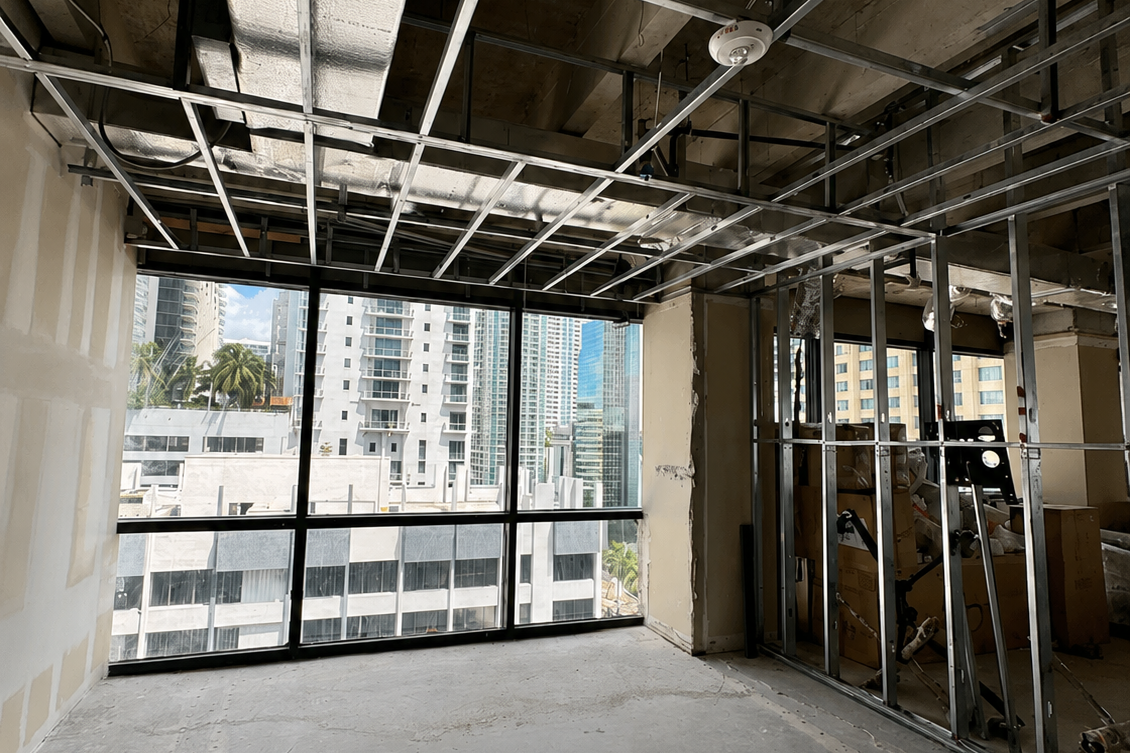
Our experience includes commercial interior demolition, selective demolition, and complete building demolition for a variety of commercial construction and redevelopment projects.
We work with general contractors, developers, and construction teams to review demolition requirements, provide competitive proposals, and support projects during their early construction phases.
Whether a project involves removing an existing commercial structure or preparing a building for renovation, clearly defined demolition work is an important step toward successful construction.
Planning an upcoming commercial demolition project?
Visit Next Gen Construction & Demolition to learn more about our services and contact our team regarding demolition bidding opportunities throughout South Florida.