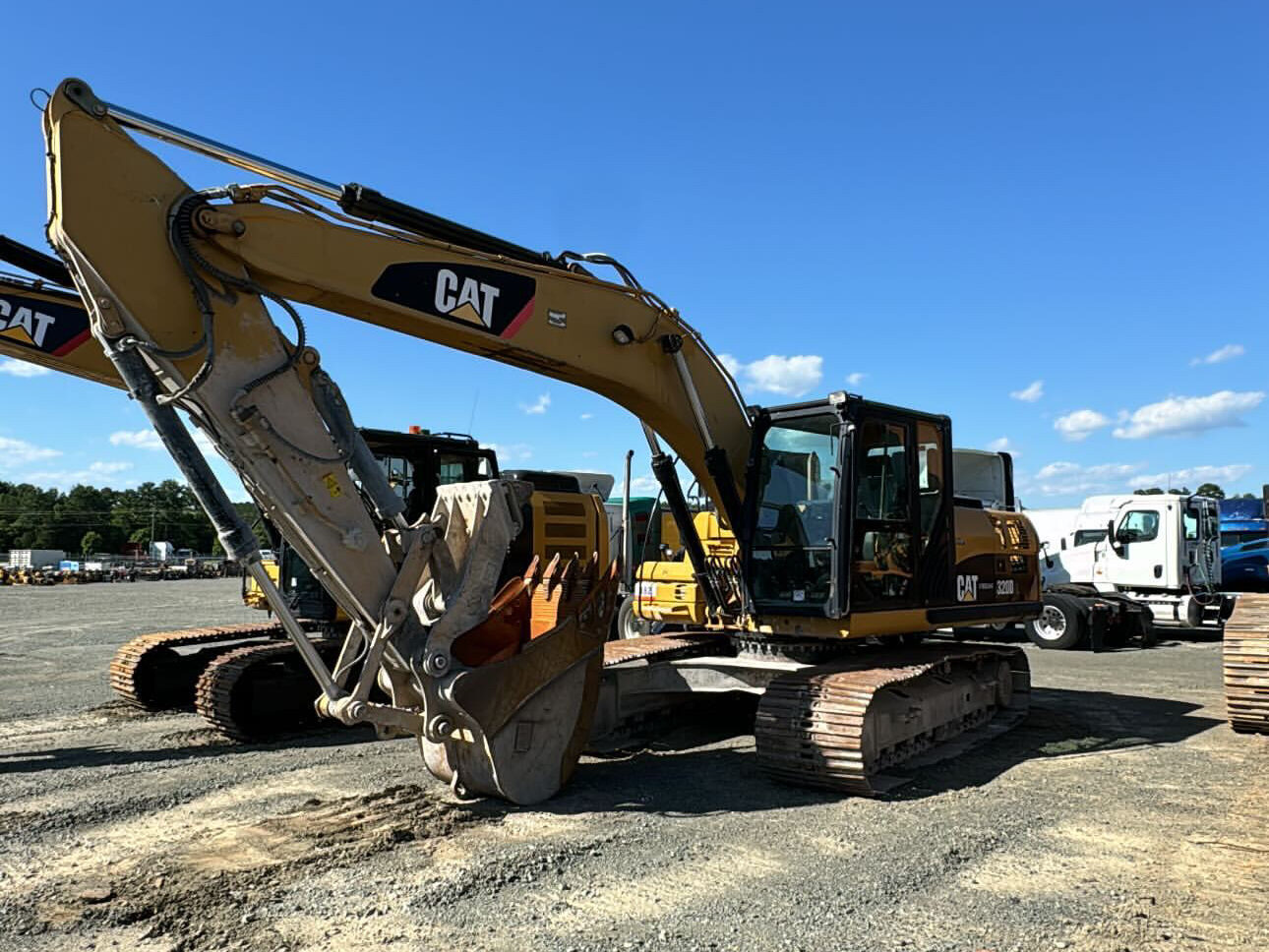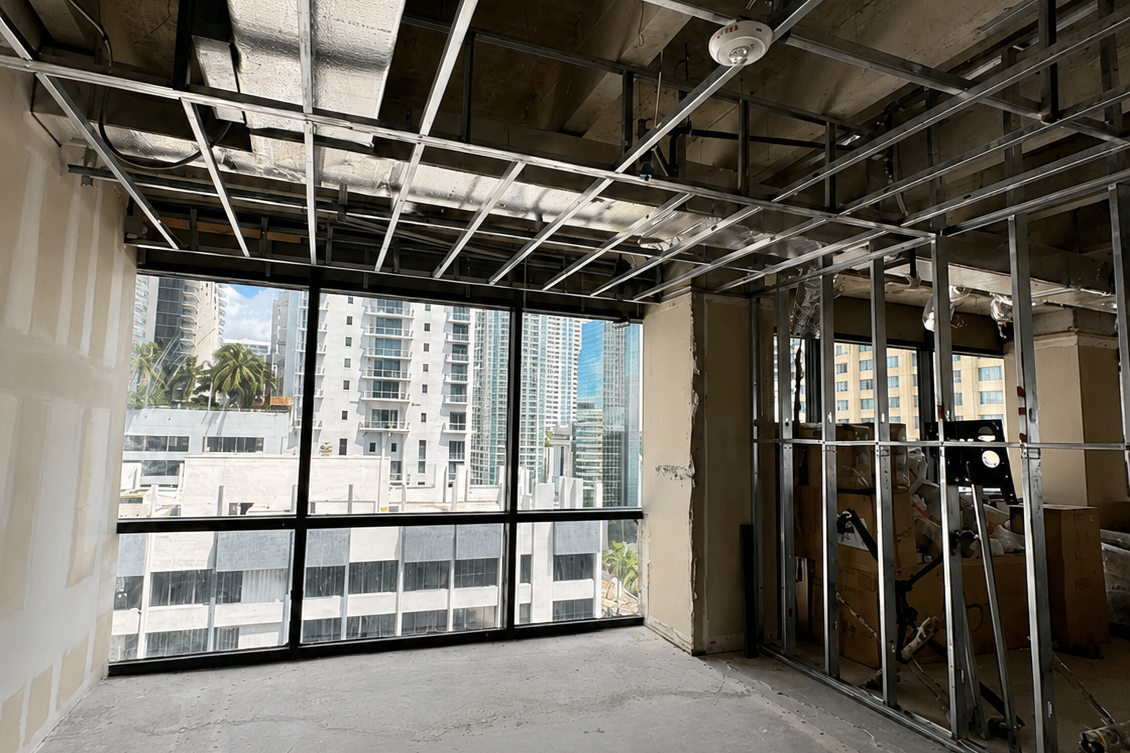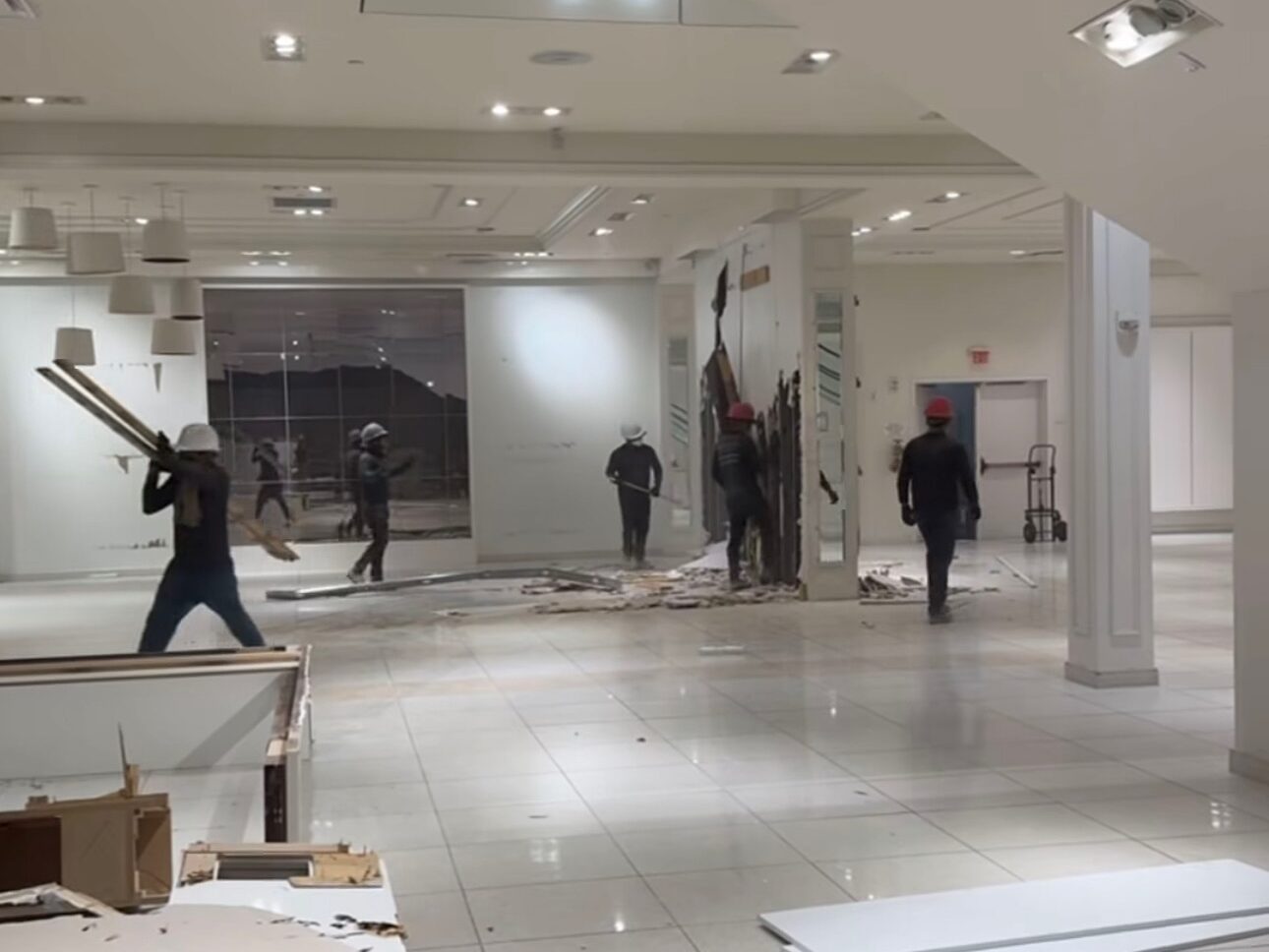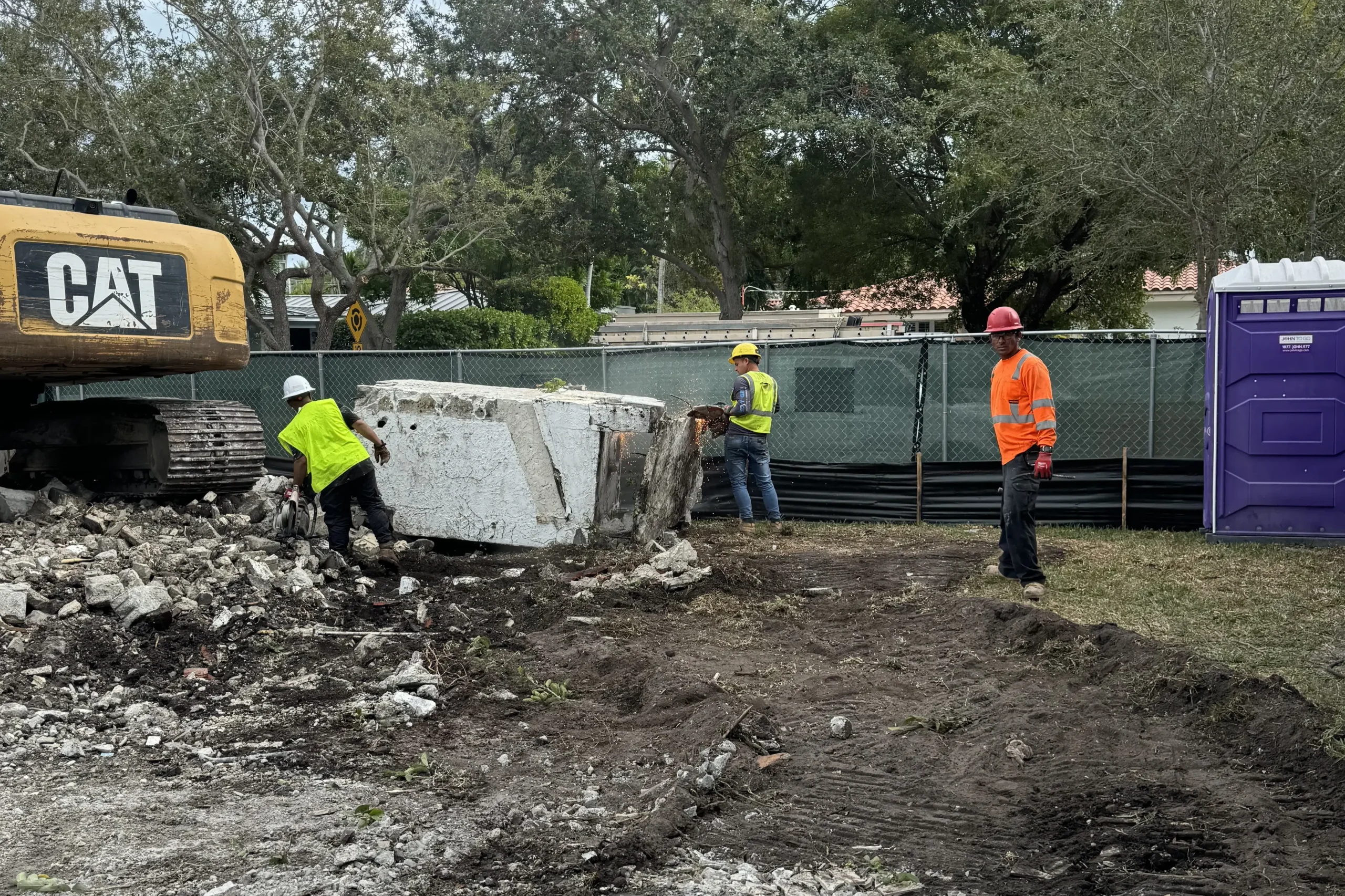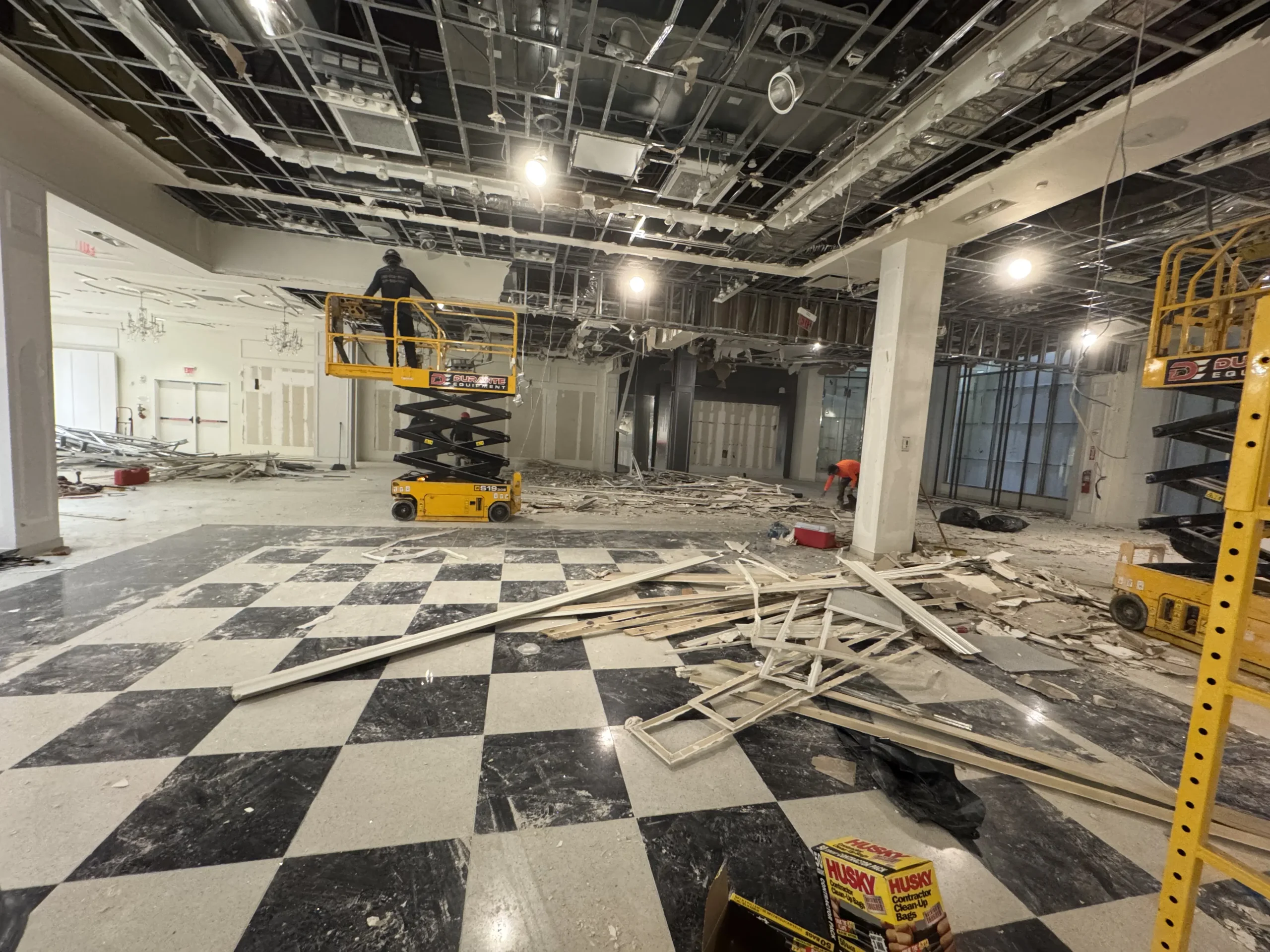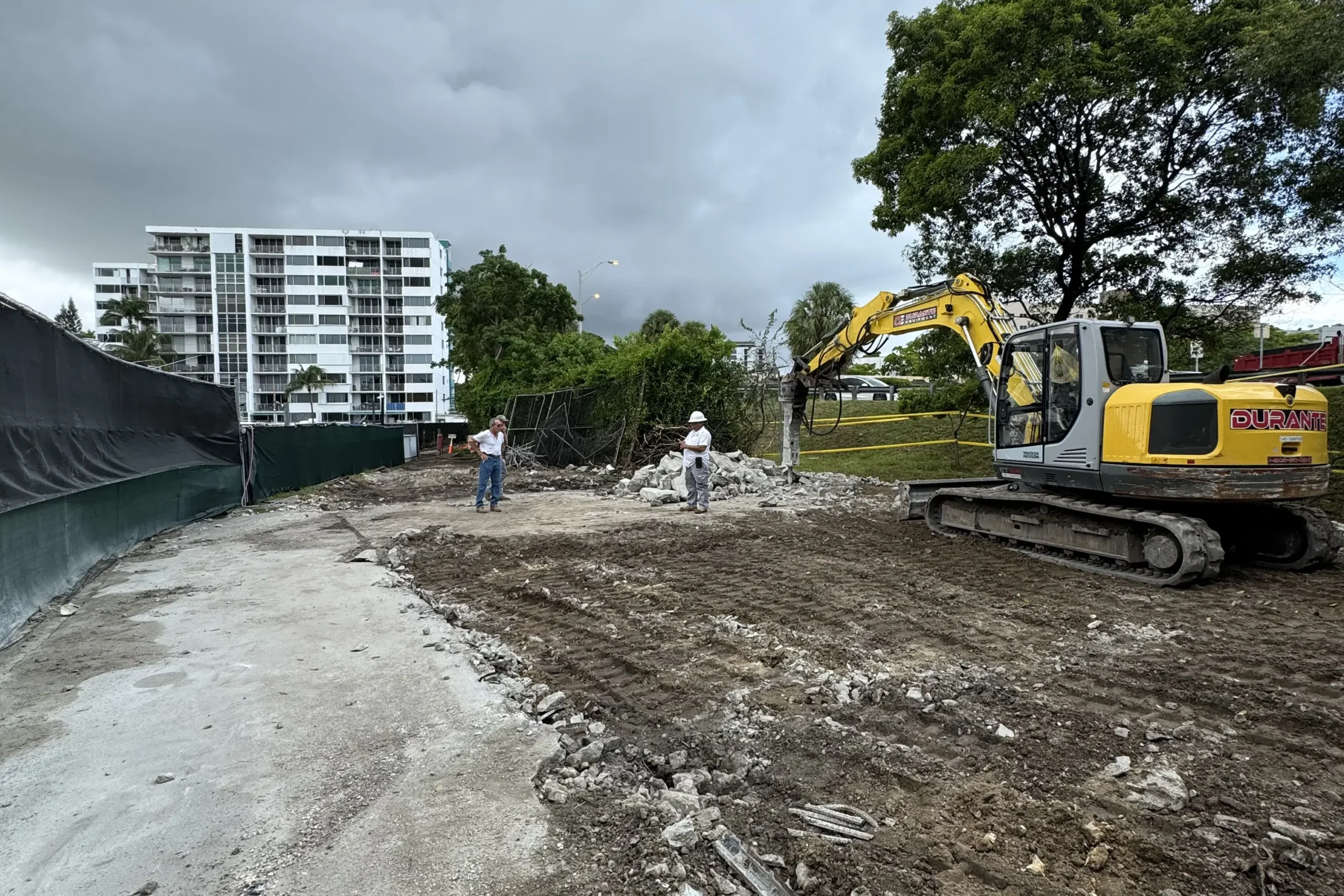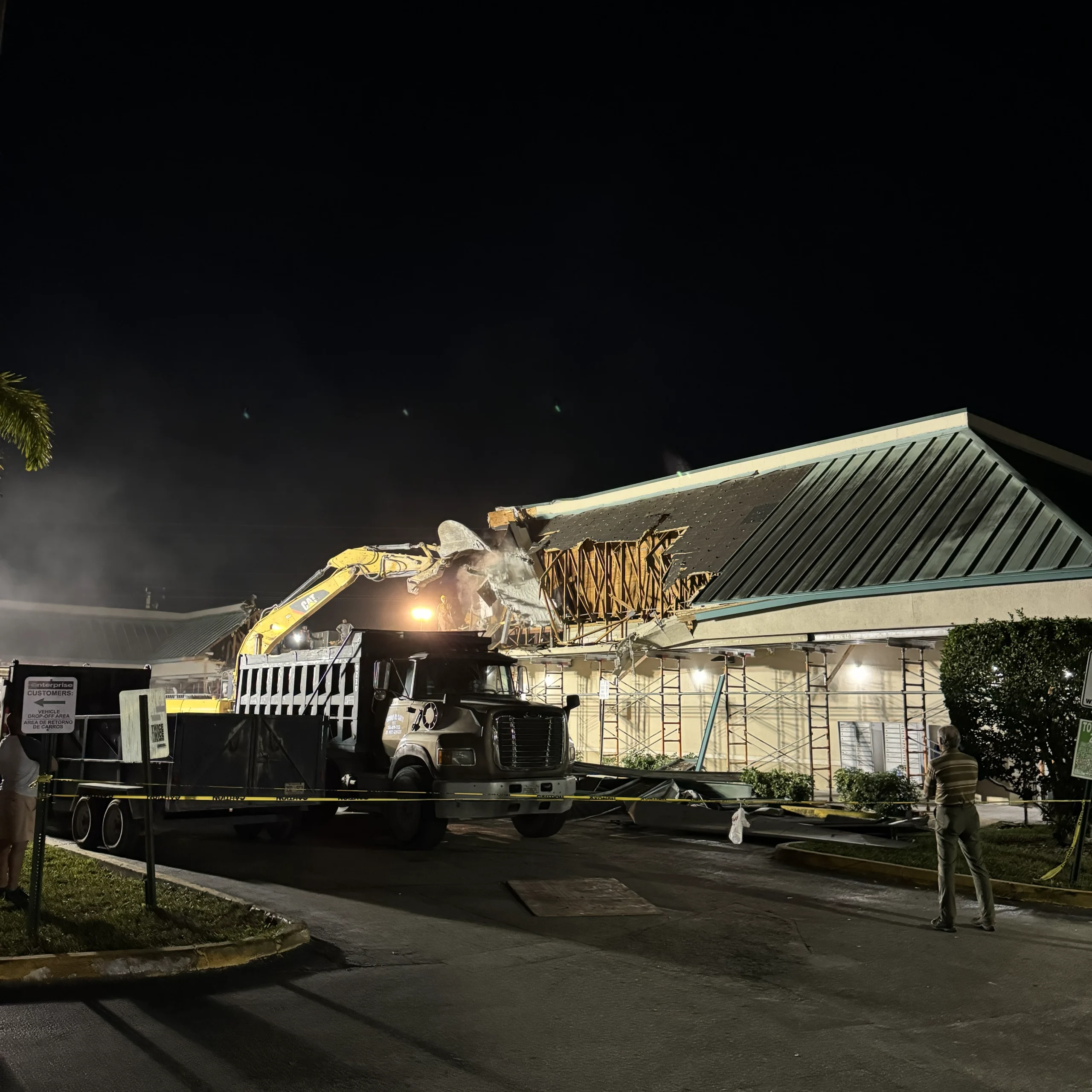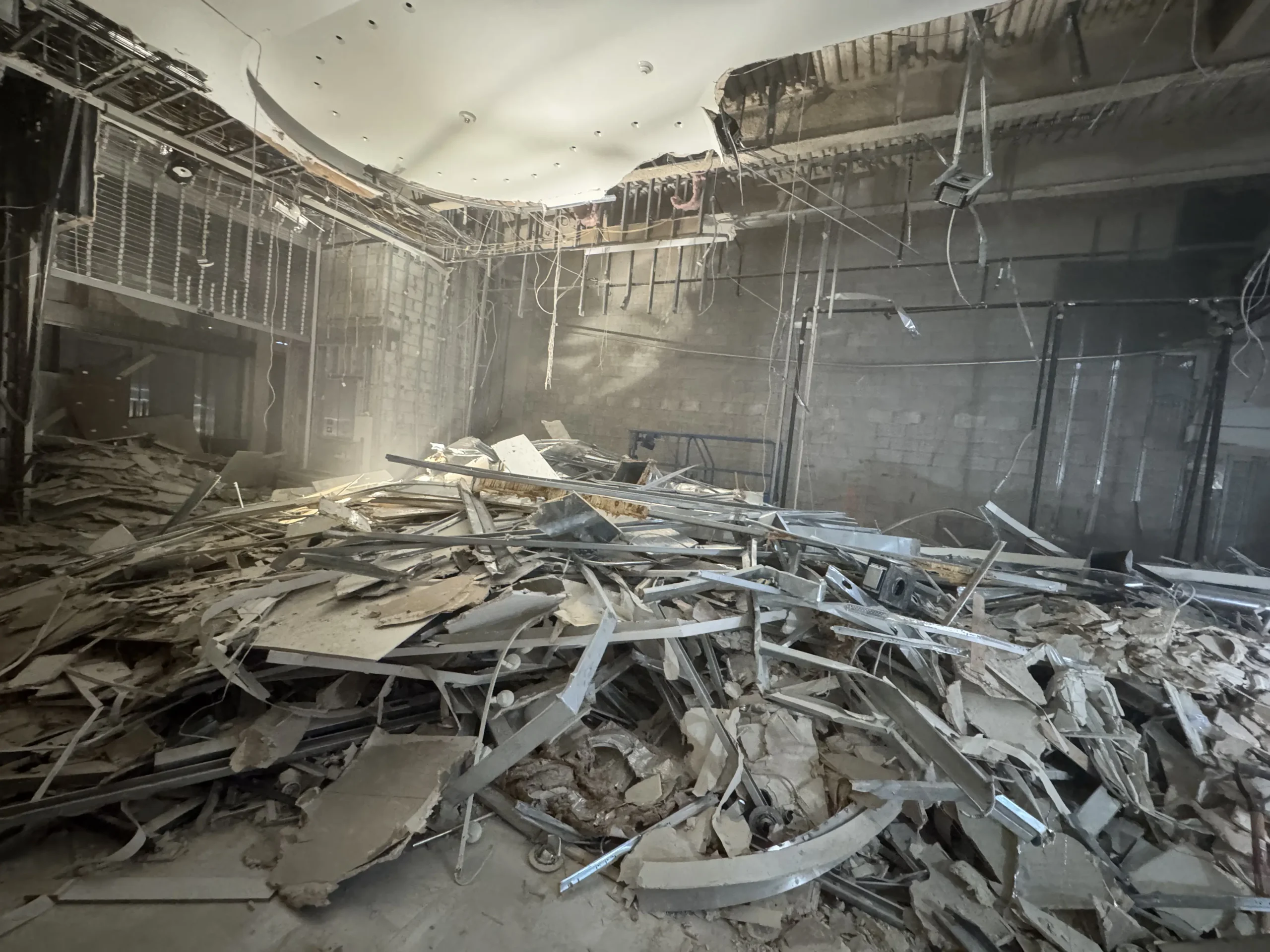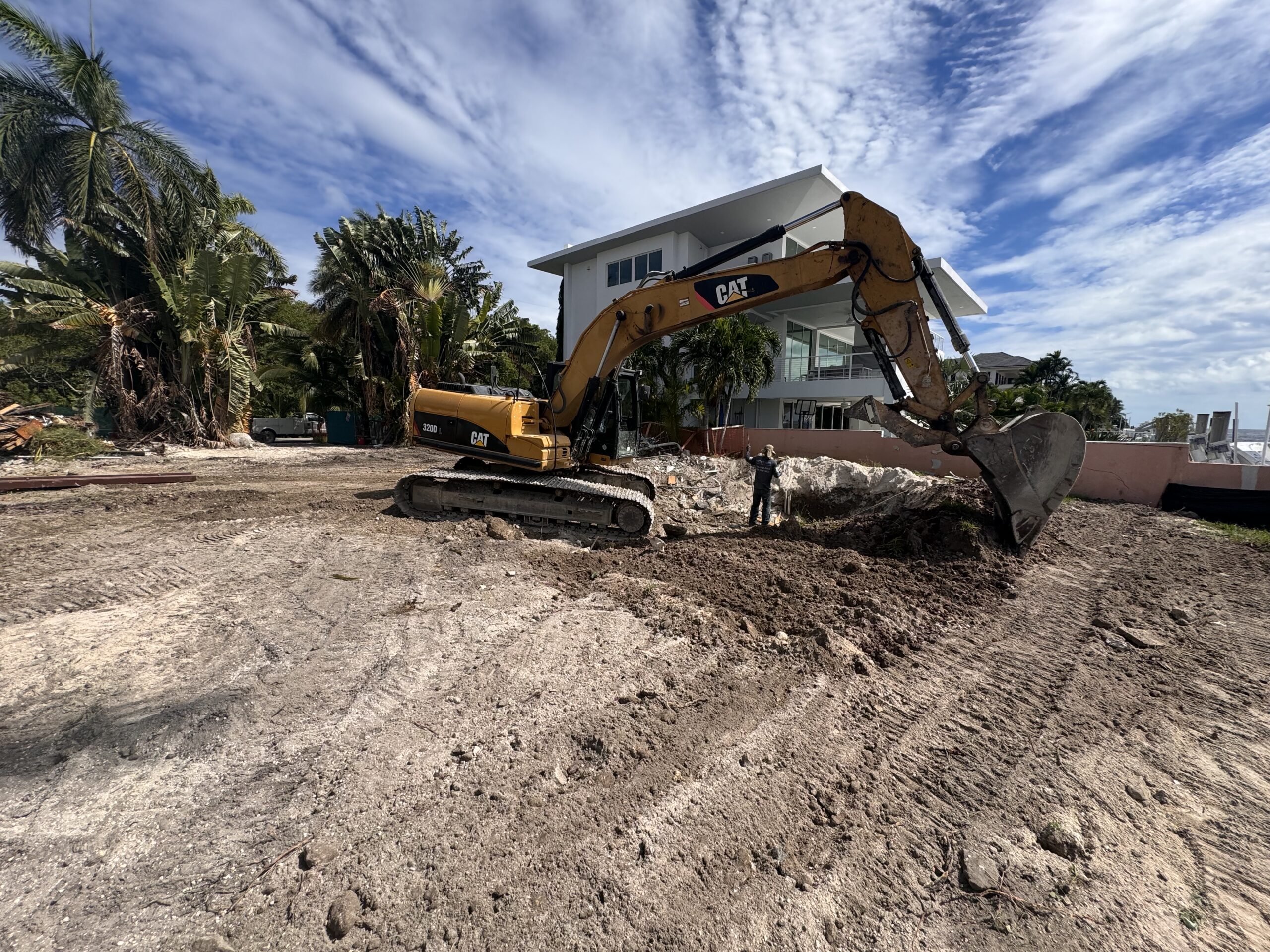
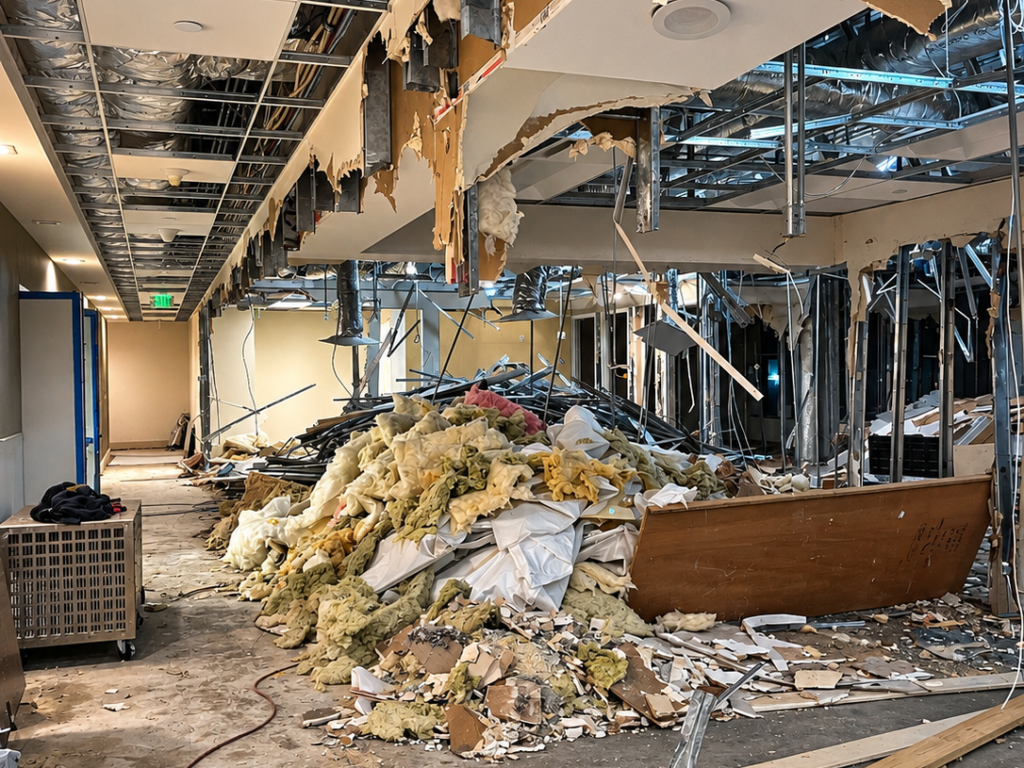
When people think about commercial building demolition, they often picture excavators bringing down walls, removing structural components, and clearing away large amounts of debris. However, removing the visible building is only one part of the demolition process.
Once a commercial structure has been demolished, additional work may be required before the property is ready for redevelopment, new construction, or another intended use.
Depending on the project, this can include debris removal, foundation demolition, underground utility coordination, backfilling, grading, and final site cleanup.
Understanding what happens after a commercial building is demolished helps property owners, developers, and general contractors plan for the next phase of construction.
1. Removing and Hauling Away Demolition Debris
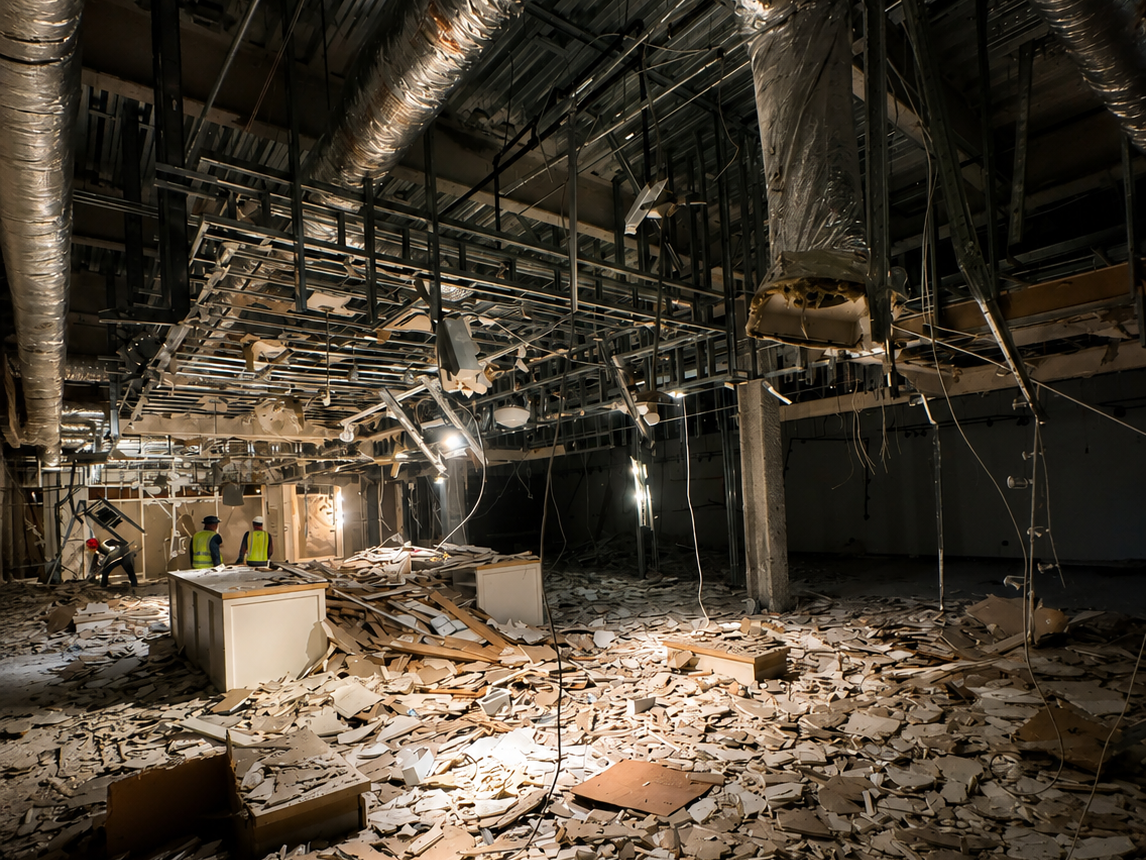
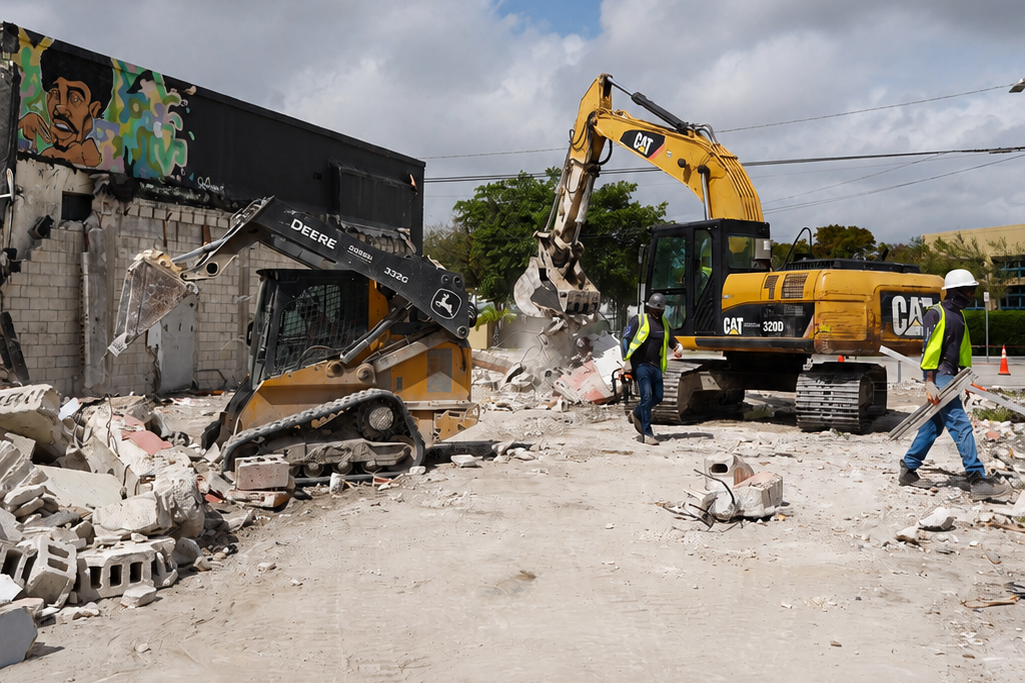
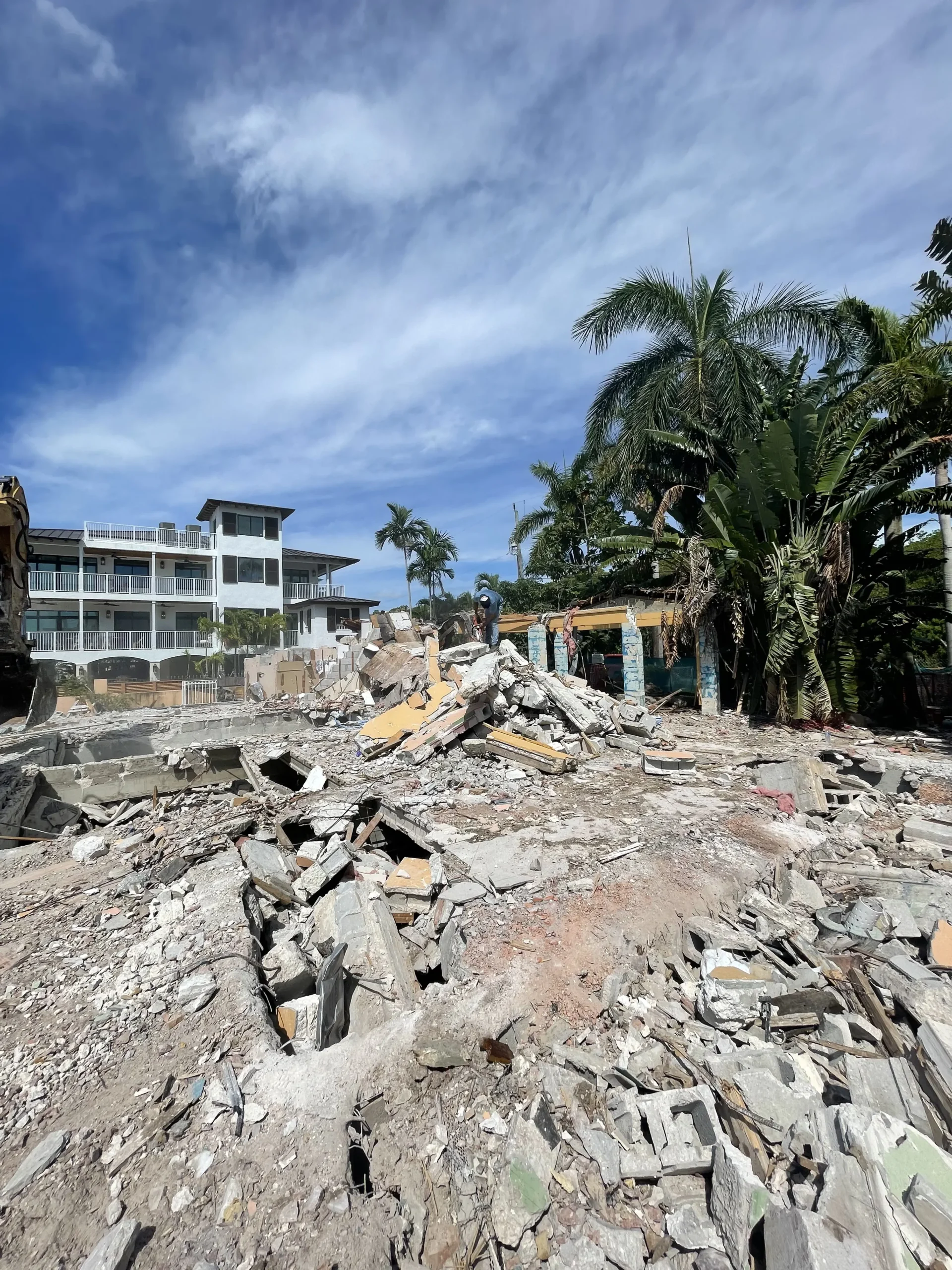
After the main structure has been demolished, the site may contain concrete, masonry, structural steel, wood, roofing materials, and other building components.
These materials must be collected, loaded, and transported to appropriate disposal or recycling facilities.
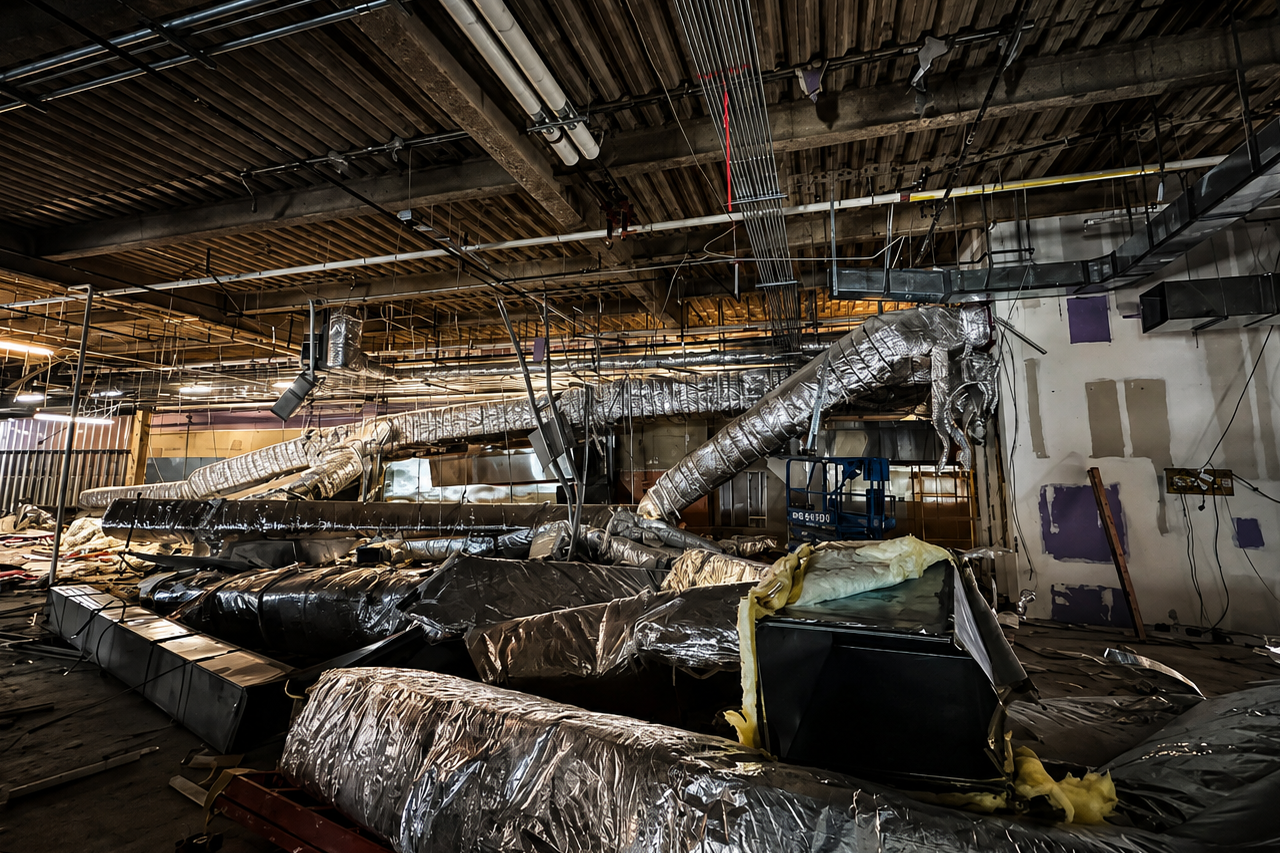
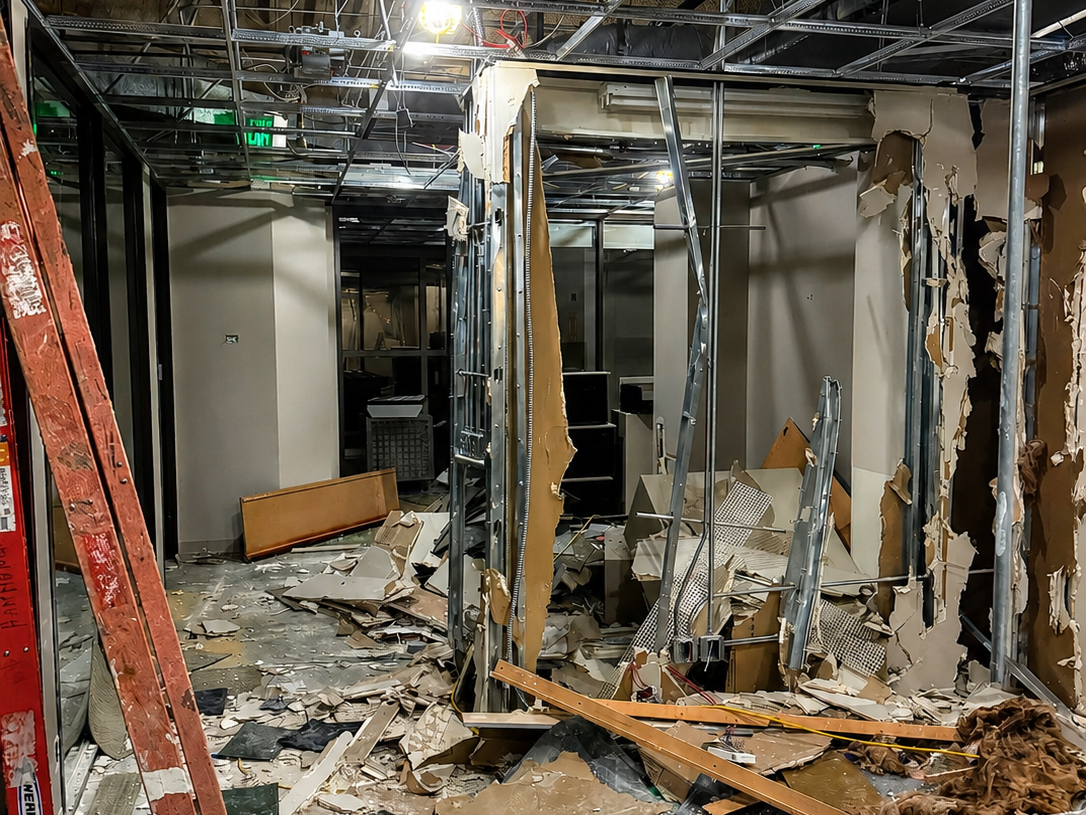
Depending on the project, demolition debris may include:
- Concrete and masonry
- Structural steel and miscellaneous metals
- Roofing materials
- Interior building finishes
- Doors, frames, and fixtures
- Mechanical and electrical components
The amount and type of debris depend on the building’s size, construction materials, and demolition scope.
Proper debris management is an important part of keeping the site organized and preparing it for the work that follows.
2. Removing Existing Foundations and Concrete Slabs
Even after a building has been completely removed above ground, portions of the original structure may remain beneath the surface.
These can include concrete foundations, footings, grade beams, slabs, and other underground structural components.
Depending on the redevelopment plans, some or all of these elements may need to be removed.
For example, a property being prepared for a new commercial building may require removal of existing foundations that interfere with the proposed structural design.
However, foundation removal is not automatically included in every building demolition project. The required demolition limits should be established through the construction drawings, specifications, and agreed-upon scope of work.
3. Addressing Existing Underground Utilities
Commercial properties may contain underground electrical conduits, water lines, sewer connections, storm drainage systems, gas lines, and communication infrastructure.
Some utilities may need to be disconnected, capped, abandoned, protected, or removed as part of the demolition and redevelopment process.
Coordination is particularly important when utilities serve neighboring properties or existing structures that will remain.
The demolition contractor, general contractor, utility providers, and appropriate licensed trades may all have responsibilities during this stage.
Clearly identifying these responsibilities helps establish which systems must remain operational and which can be removed.
4. Backfilling Excavated Areas
When foundations, underground structures, or other below-grade components are removed, they may leave excavated areas or voids in the ground.
Depending on the project requirements, these areas may need to be backfilled with approved materials.
Backfilling helps restore the site to the elevations required for its next use.
The type of fill material, placement method, compaction requirements, and testing procedures depend on the project’s engineering specifications and intended redevelopment.
This work should be coordinated with the general contractor and project engineers when required.
5. Rough Grading and Preparing the Site
After demolition debris and designated underground components have been removed, the property may require grading.
Rough grading involves adjusting the ground surface to the approximate elevations established for the project.
This can help prepare the property for subsequent construction activities, including:
- New foundations
- Underground utilities
- Site drainage improvements
- Parking areas
- Roadways and access points
- Landscaping and other site improvements
The extent of grading depends on the demolition contract and the requirements of the next construction phase.
In some projects, the demolition contractor performs limited grading and cleanup. In others, a separate sitework contractor completes the remaining earthwork.
6. Final Site Cleanup and Inspection
Before the demolition phase is considered complete, the site is typically reviewed to confirm that the required work has been performed.
Depending on the project, this may include checking that:
- Designated structures and materials have been removed.
- Demolition debris has been cleared.
- Required foundations and slabs have been removed.
- Utility-related demolition requirements have been addressed.
- Excavated areas have been treated according to the project scope.
- The site is left in the condition required by the contract.
Applicable inspections, documentation, and approvals may also be required before the property moves into its next phase.
The final condition of the property should match the agreed-upon demolition scope and project requirements.
7. Preparing for the Next Development
The completion of commercial building demolition often marks the beginning of a new construction opportunity.
A cleared property may be prepared for a retail center, office building, restaurant, medical facility, multifamily development, warehouse, or another commercial use.
For developers and general contractors, the transition between demolition and new construction is an important part of project scheduling.
Understanding which activities belong to the demolition phase and which belong to subsequent sitework or construction helps establish responsibilities and coordinate the overall project.
Commercial Building Demolition in South Florida
At Next Gen Construction & Demolition, we provide commercial demolition services throughout Miami-Dade, Broward, and Palm Beach Counties.
Our team works with general contractors, developers, and construction managers on projects involving complete building demolition, structural demolition, selective interior demolition, and concrete removal.
From reviewing demolition drawings to coordinating removal requirements, we understand the importance of preparing commercial properties for their next phase of development.
Whether your project involves removing an existing commercial structure or preparing a property for redevelopment, Next Gen Construction & Demolition is available to review your plans and discuss your demolition needs.
Planning a commercial demolition project in South Florida?
Visit Next Gen Construction & Demolition to learn more about our services and connect with our team regarding upcoming projects.