Miami is a city defined by its neighborhoods. From the colorful storefronts of Little Havana to the creative spaces of Wynwood and the established commercial corridors of Coconut Grove, each area has its own architectural identity, business community, and history.
As these neighborhoods evolve, existing commercial properties are frequently adapted to meet changing business needs. Former retail stores become restaurants, outdated offices are redesigned for modern businesses, and aging commercial interiors are prepared for new tenants.
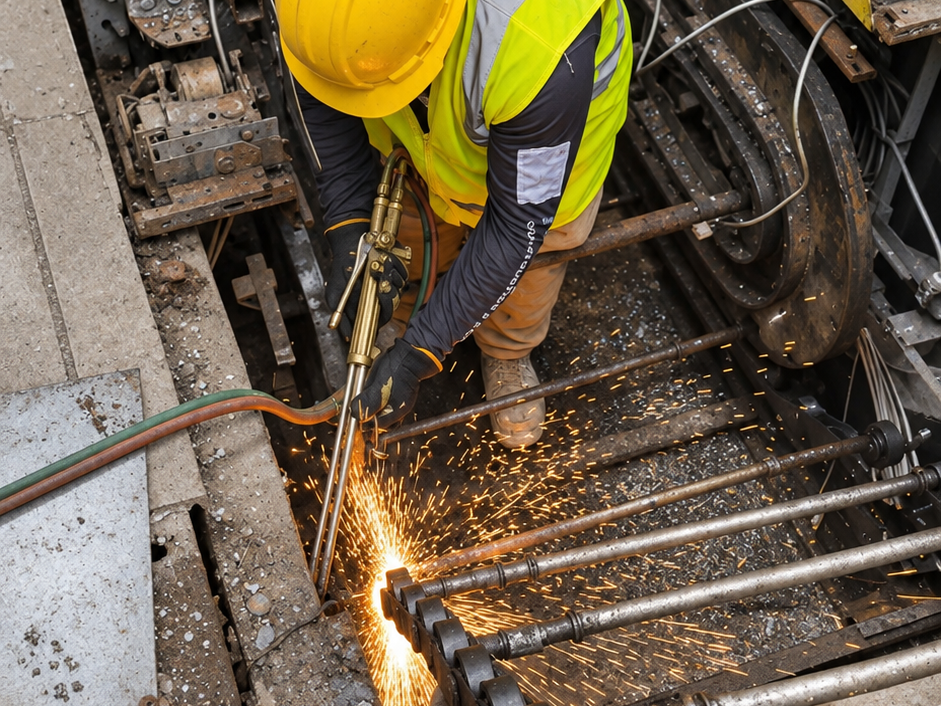
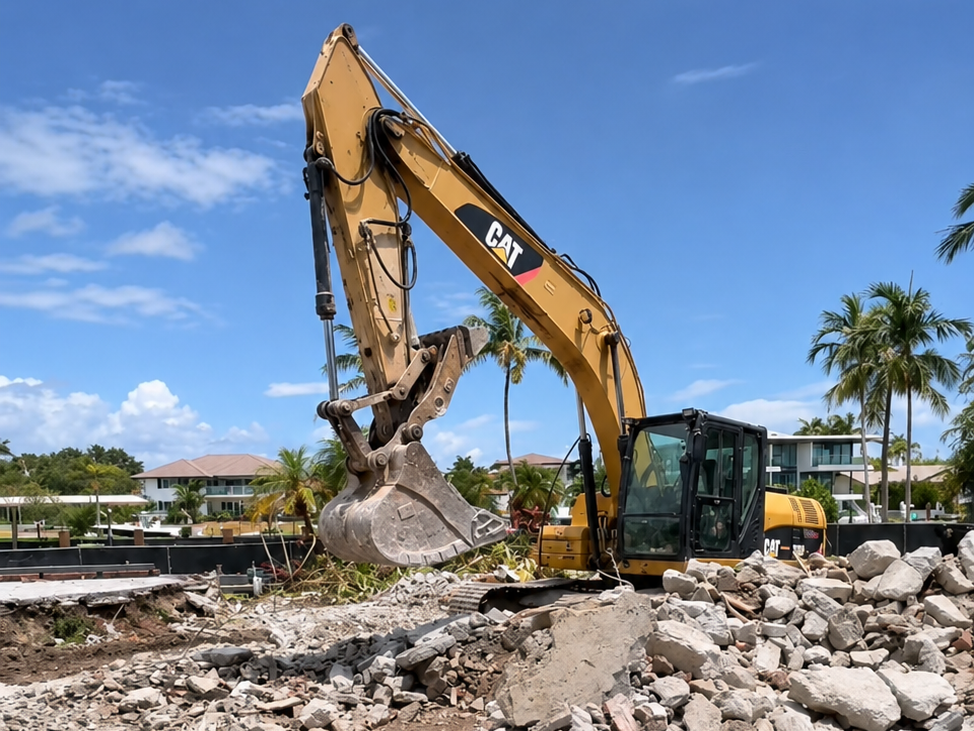
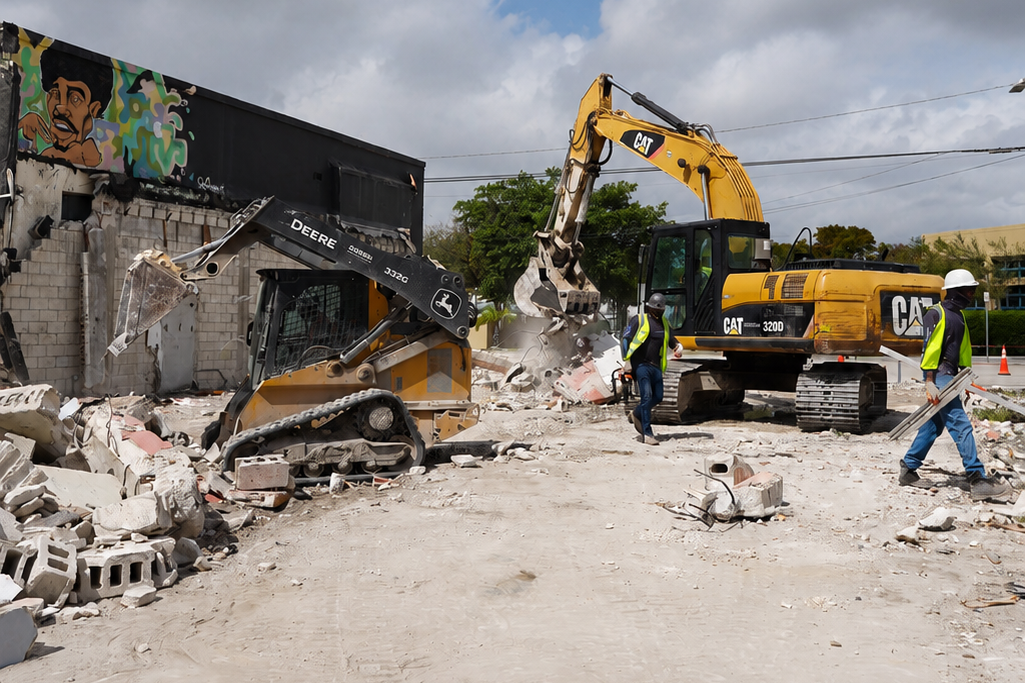
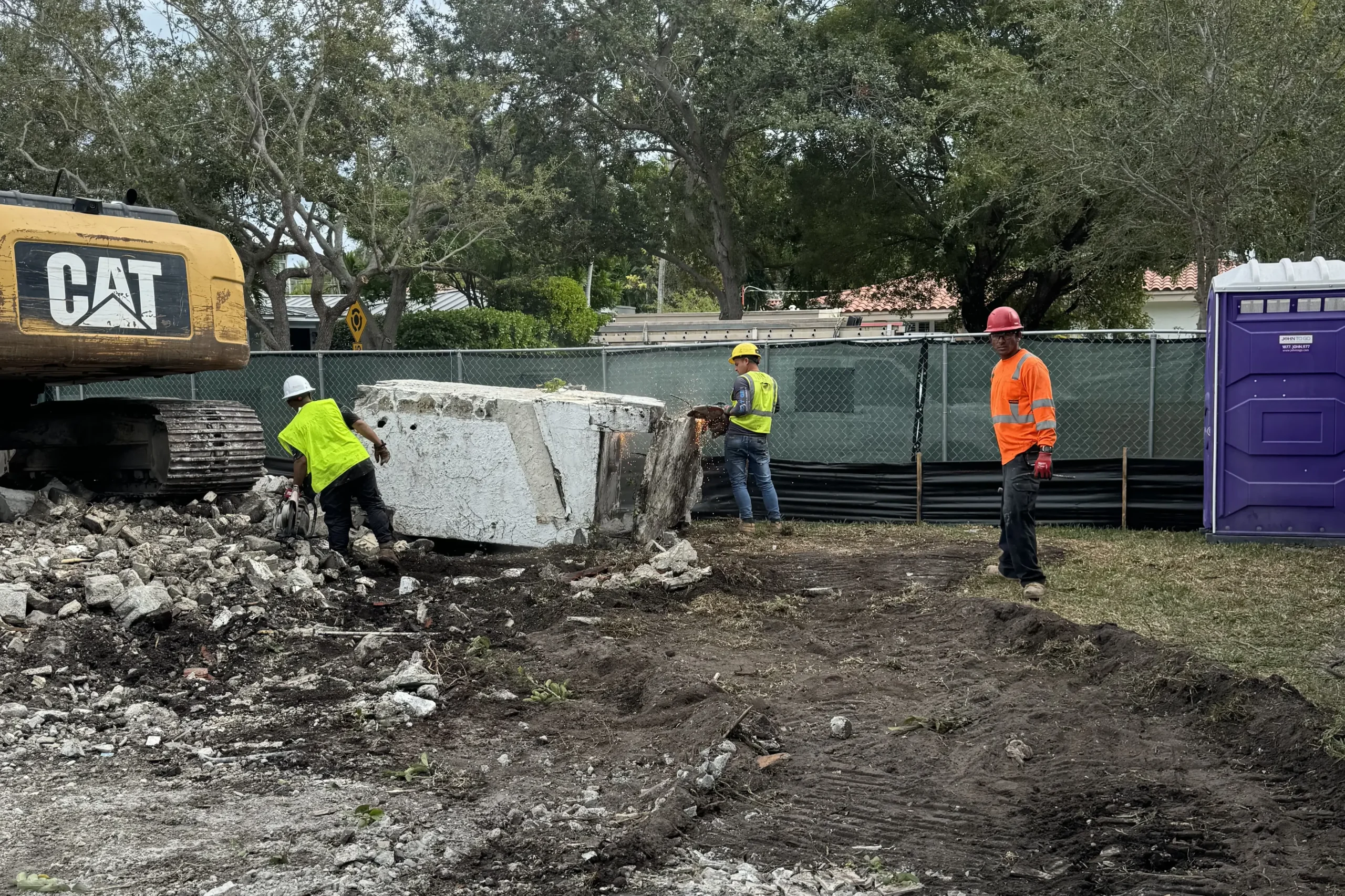
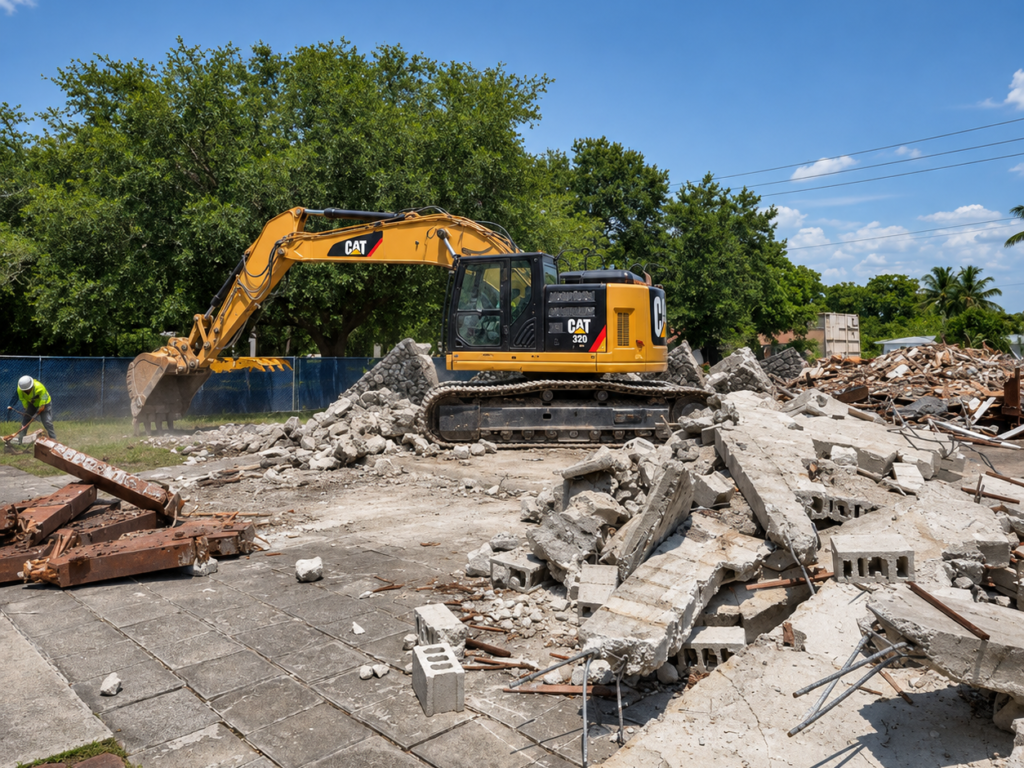
Behind many of these transformations is an essential stage of construction: commercial demolition in Miami.
Rather than focusing solely on removing entire buildings, commercial demolition can help preserve the usefulness of existing properties by creating space for renovations, tenant improvements, and new business opportunities.
Revitalization Doesn’t Always Mean Starting From Scratch
When people think about neighborhood revitalization, they often imagine new buildings, major developments, and changes to the surrounding skyline.
However, revitalization can also happen within the walls of buildings that have stood for decades.
An existing storefront may have the right location but an outdated interior. A restaurant space may require a completely different layout to accommodate a new operator. An office building may need modifications before another business can occupy it.
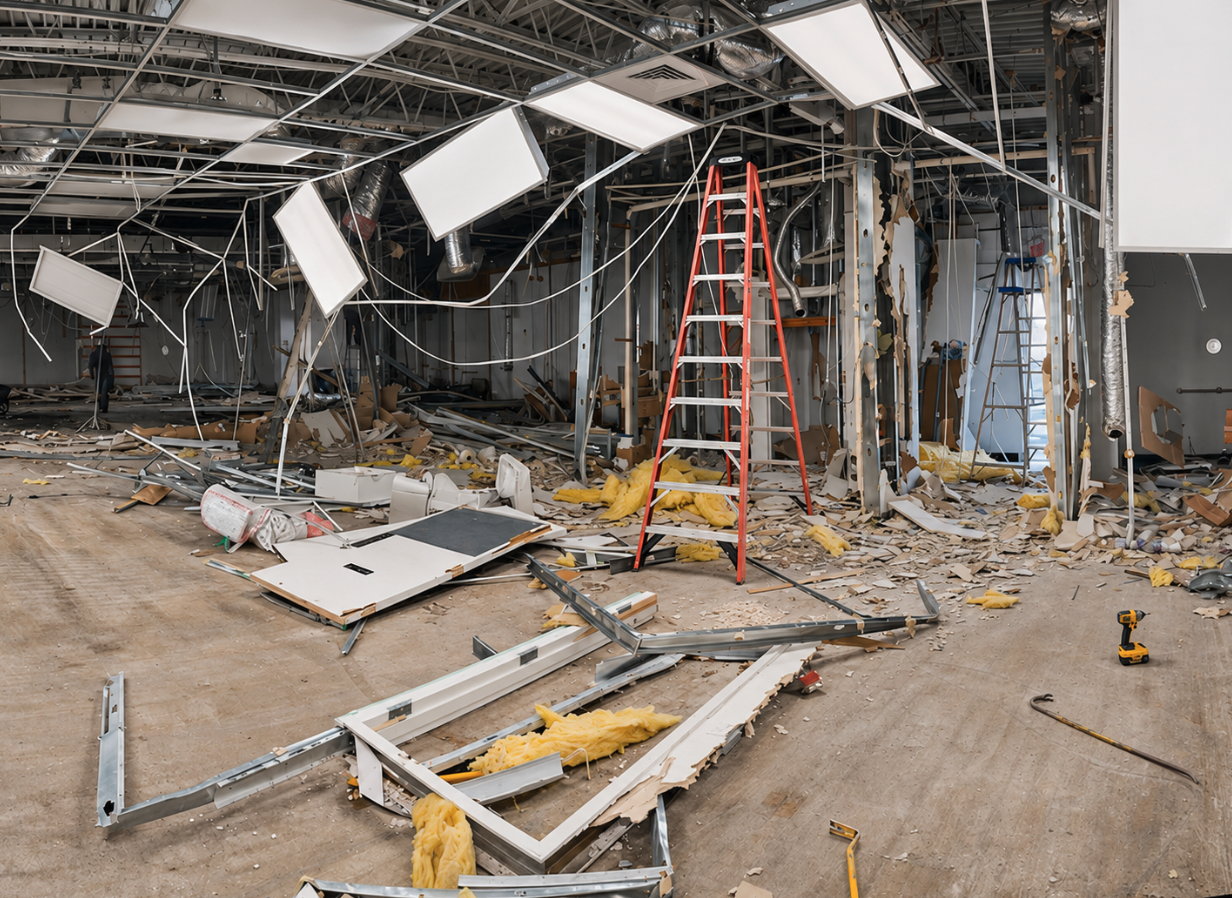
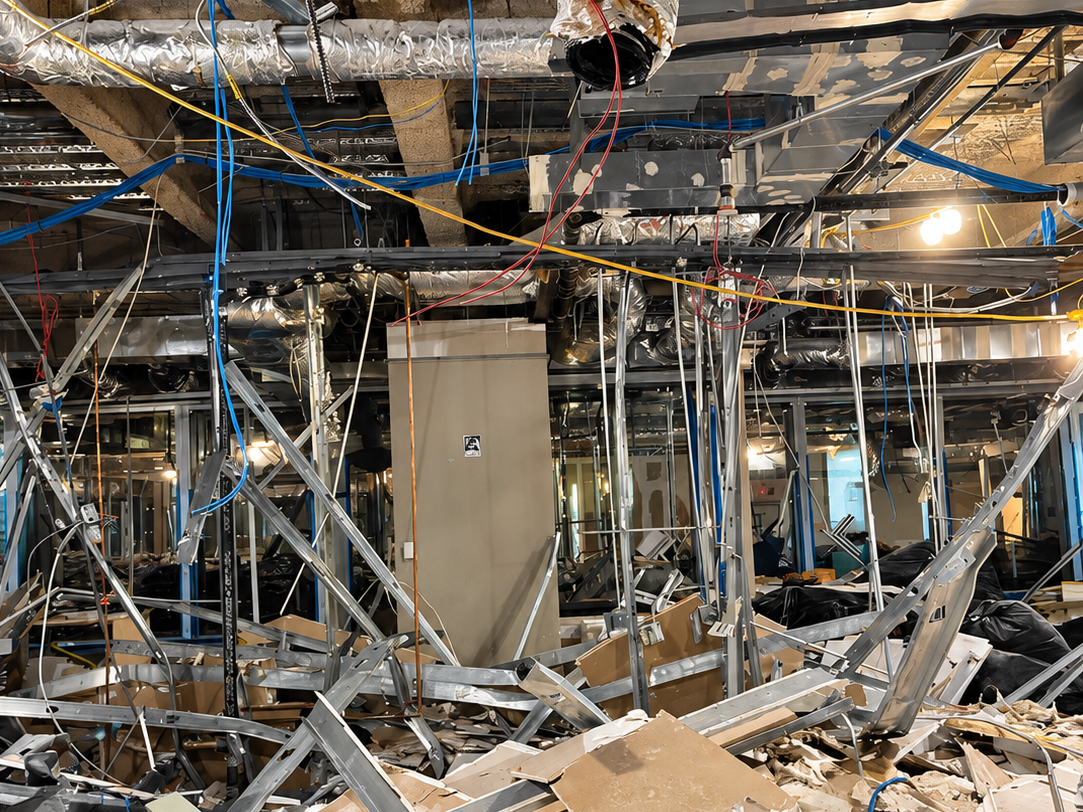
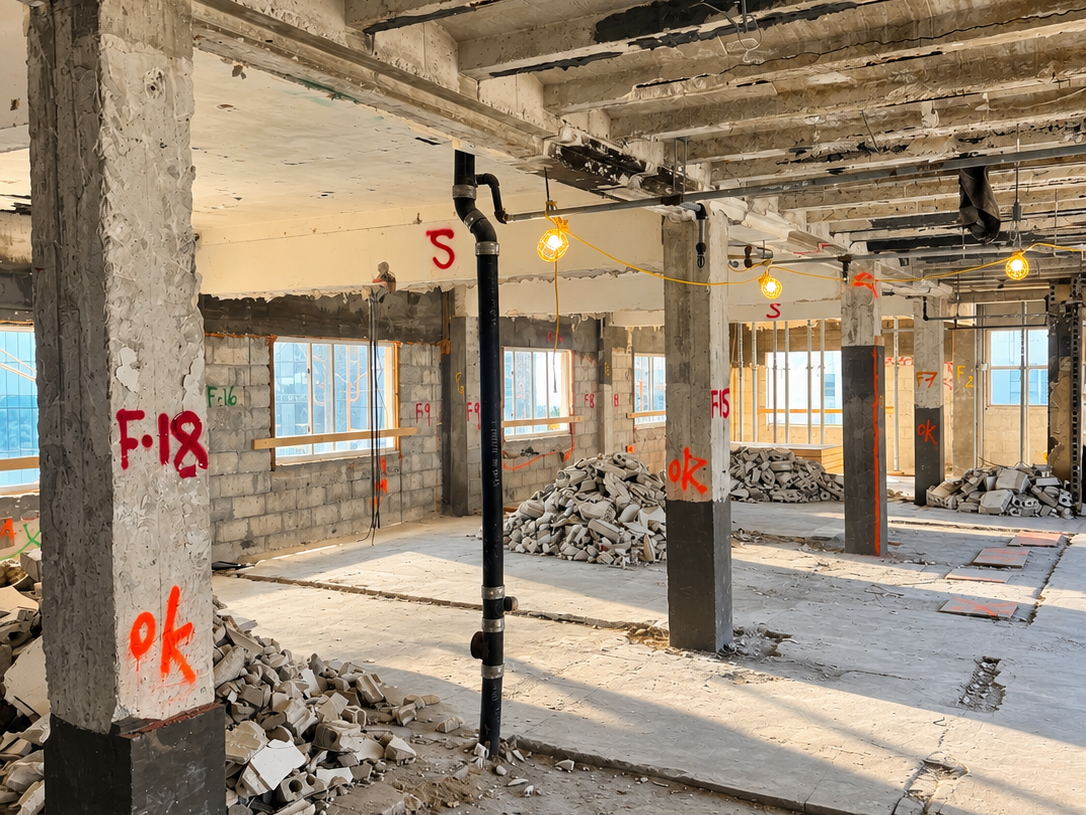
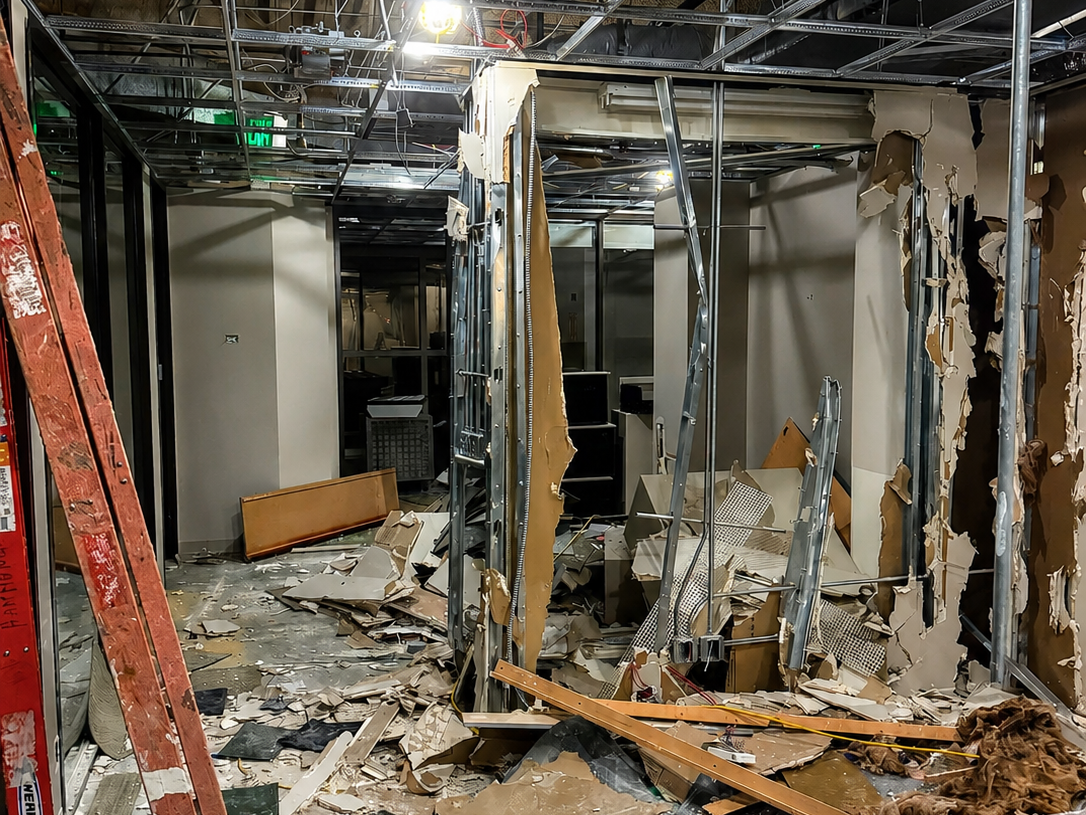
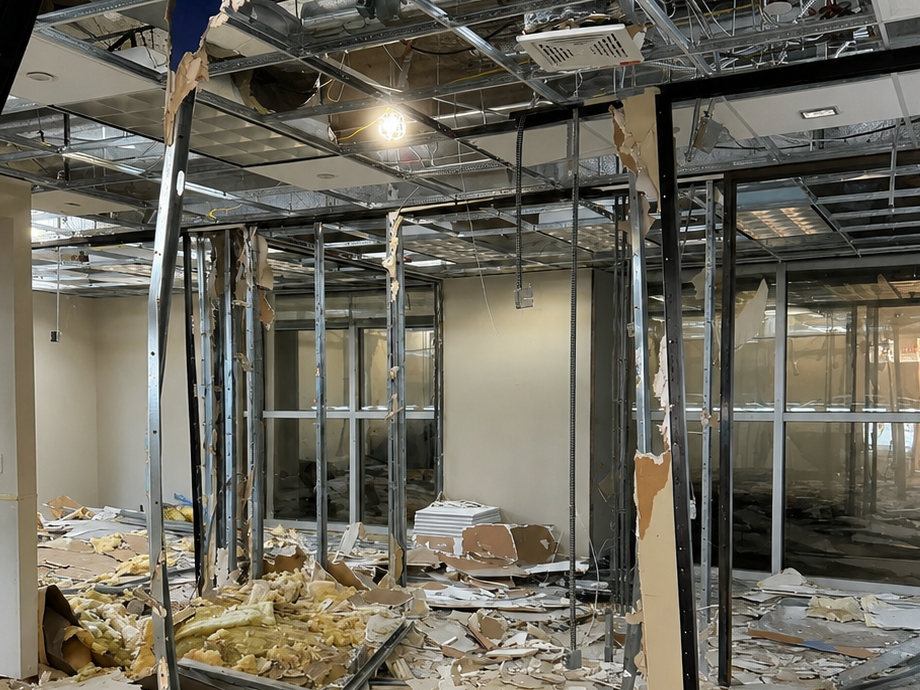
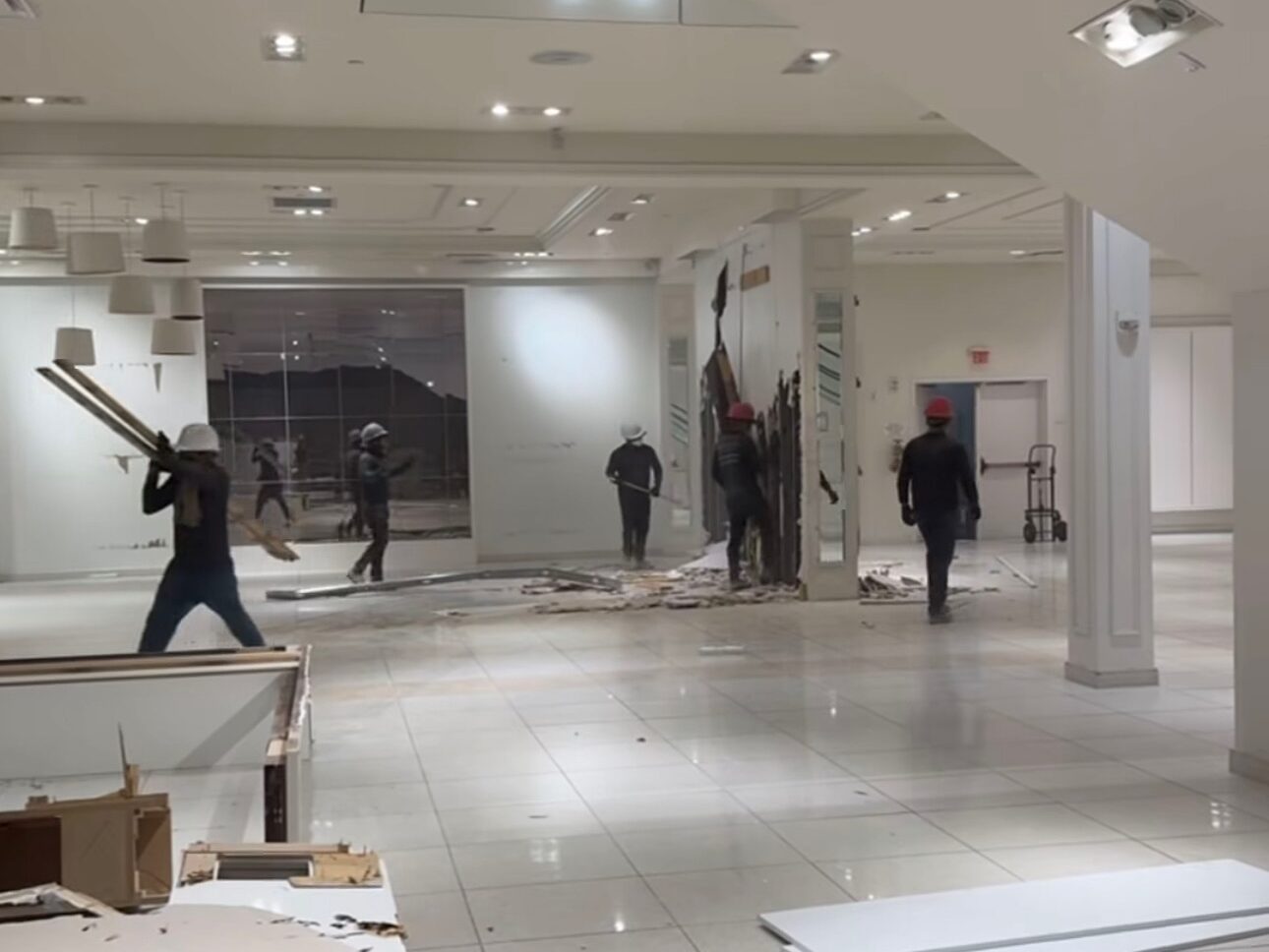
In these situations, selective interior demolition allows construction teams to remove designated elements while maintaining portions of the existing structure.
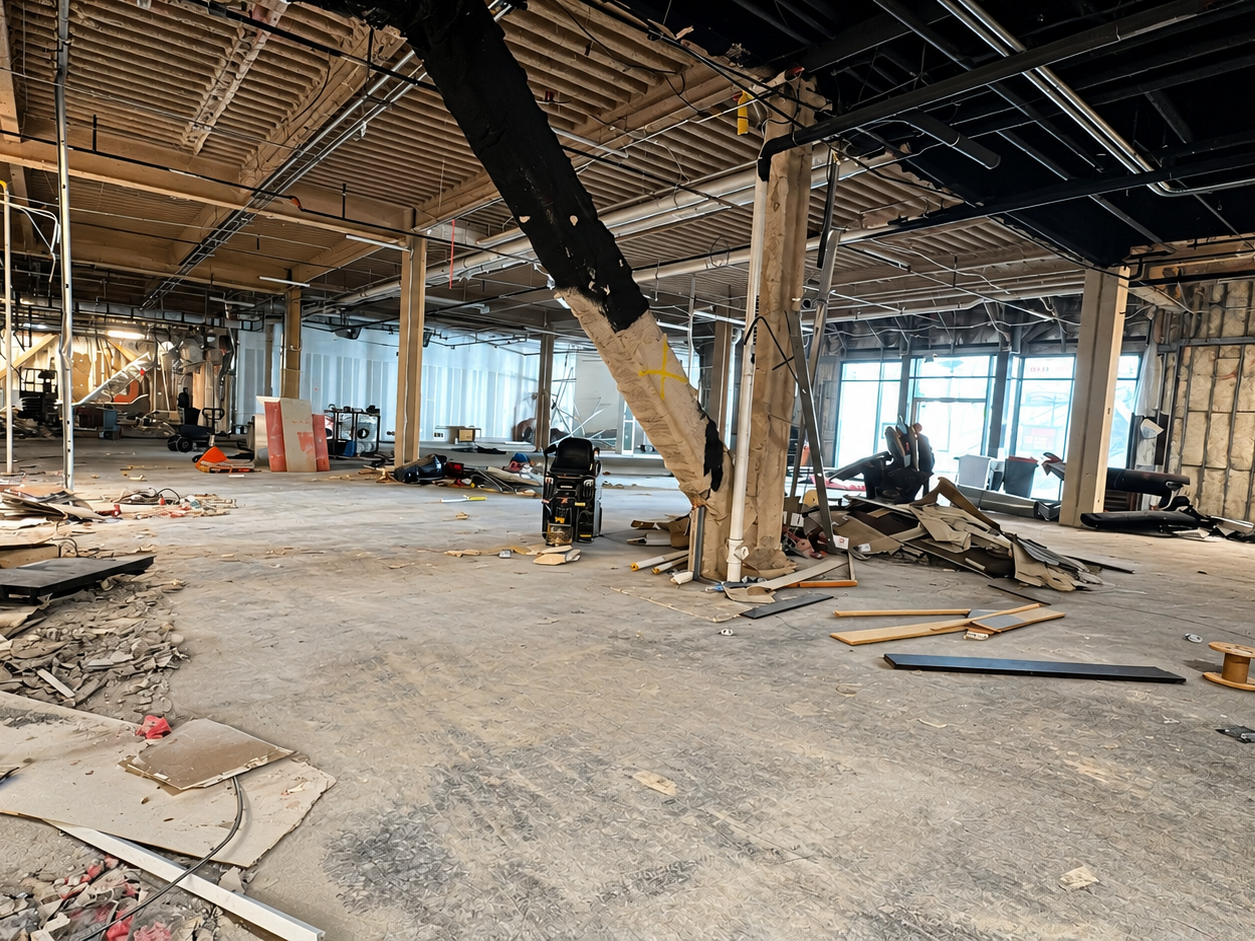
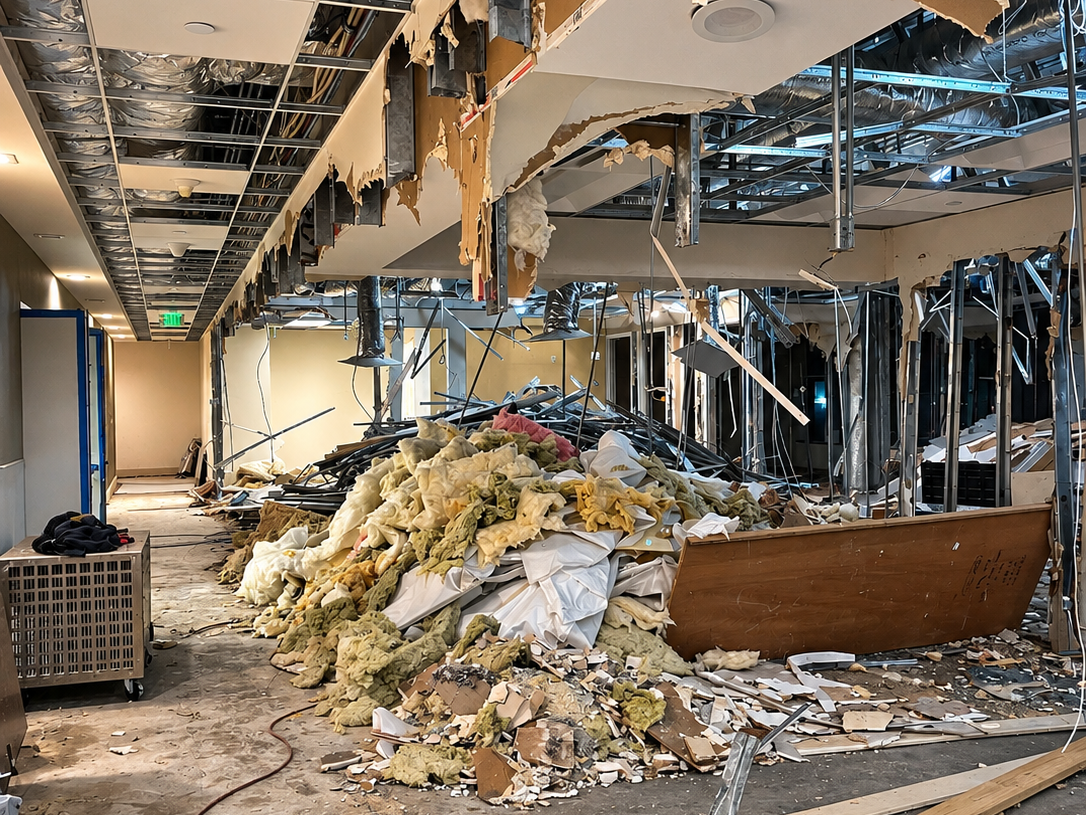
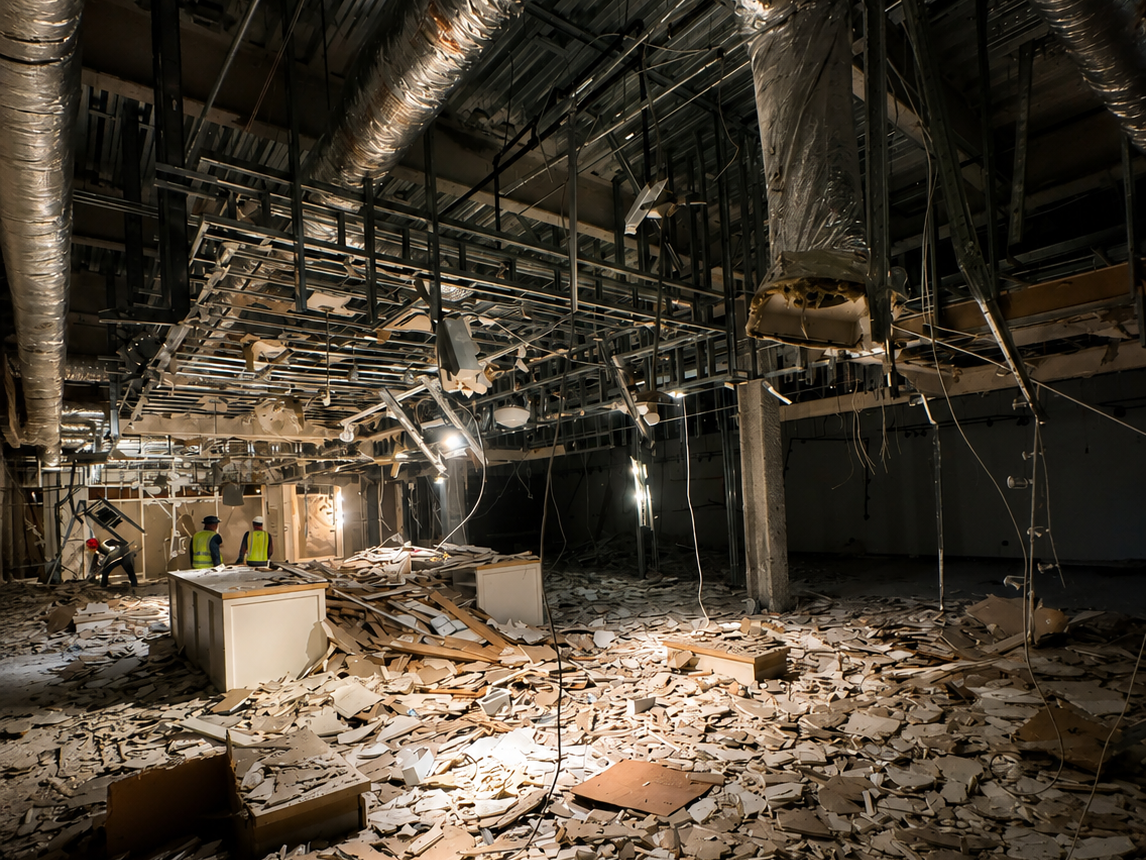
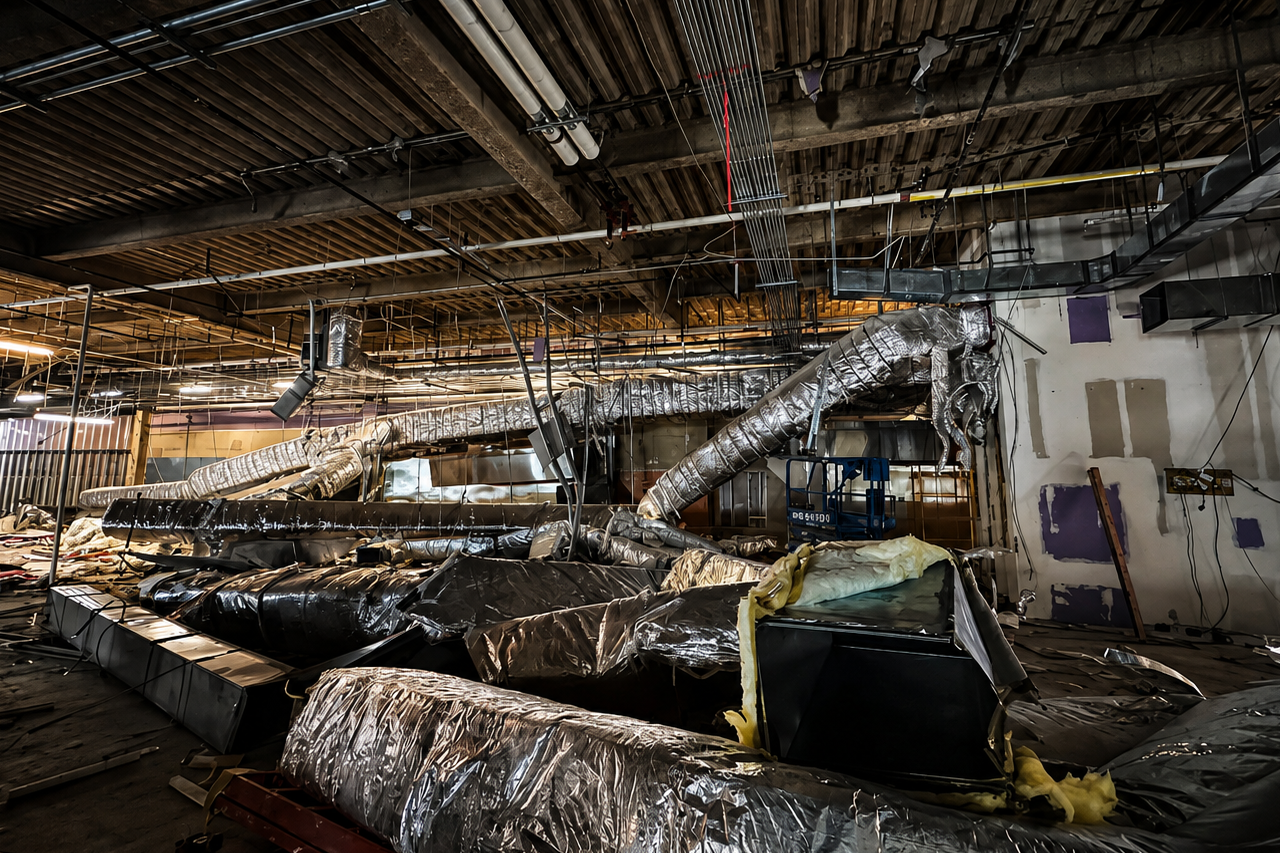
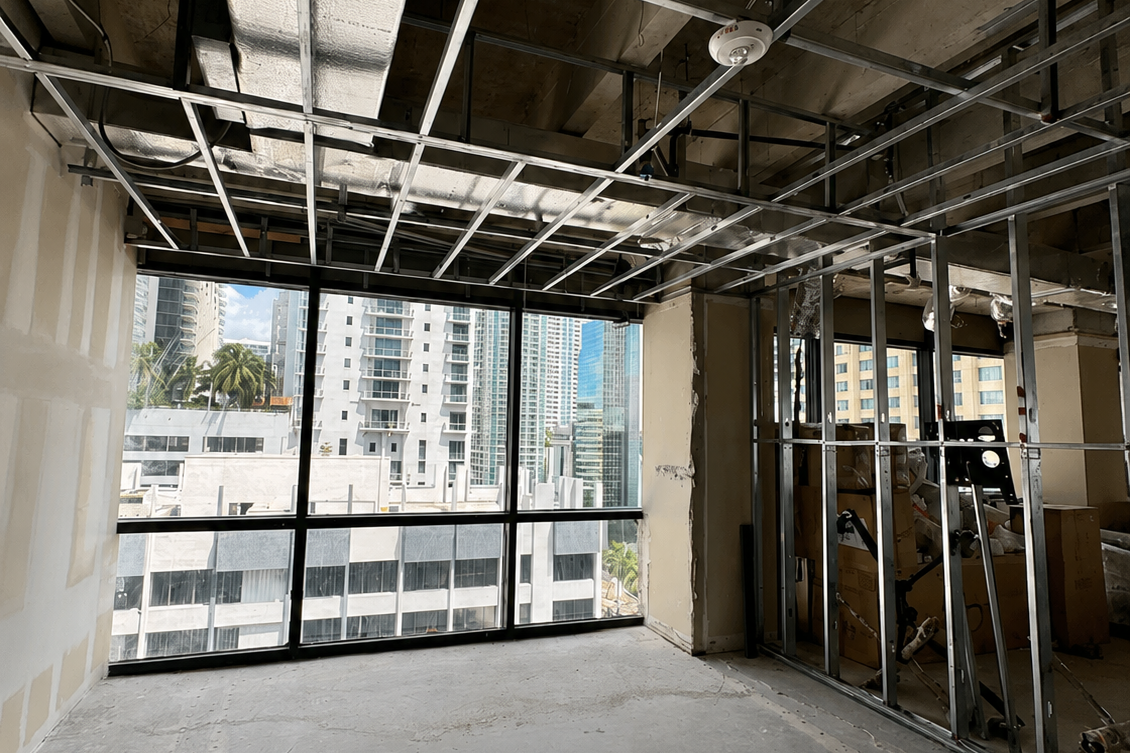
Depending on the renovation plans, this may involve removing interior partitions, flooring, ceilings, fixtures, or outdated finishes.
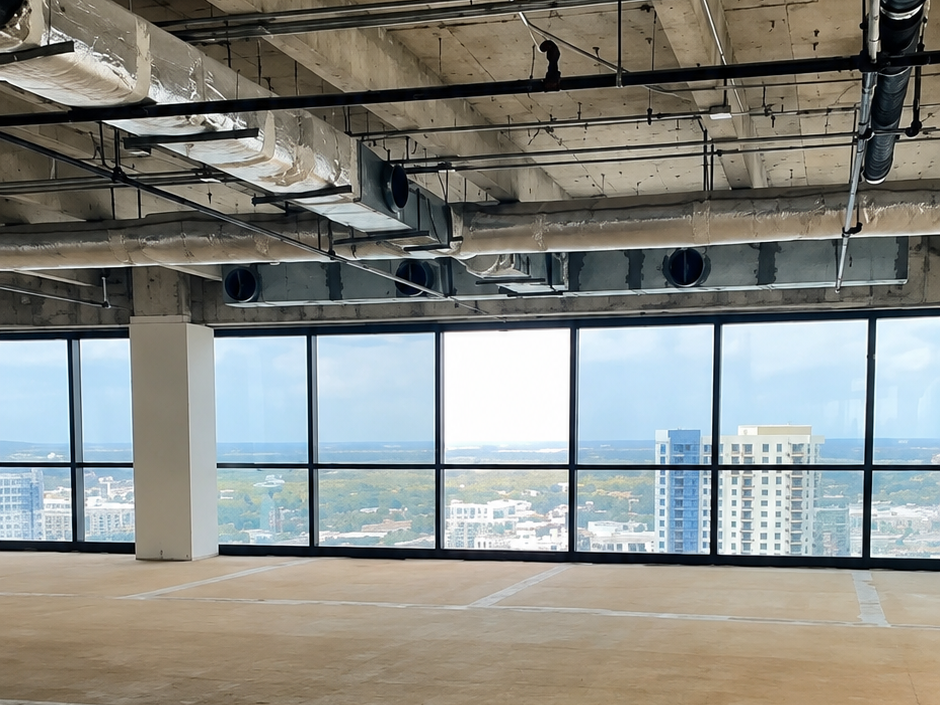
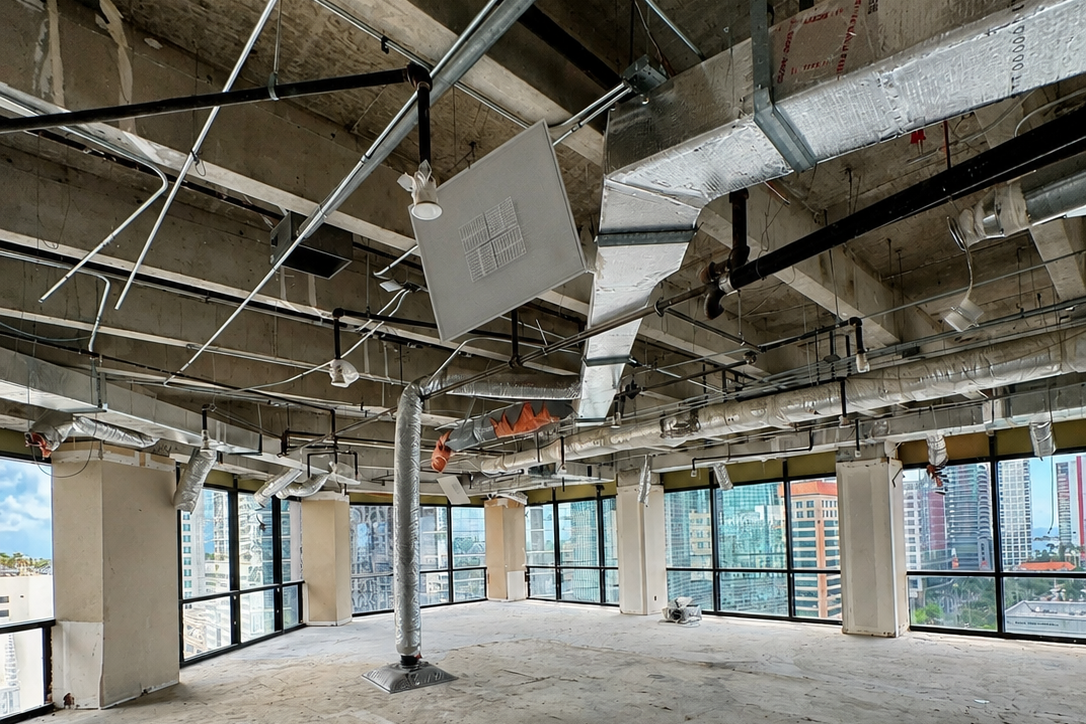
The result is a space that can be redesigned for its next purpose without necessarily requiring the complete demolition of the building.
For Miami’s established commercial neighborhoods, this approach can support reinvestment in existing properties while retaining elements of the surrounding built environment.
Miami’s Neighborhoods Are Evolving in Different Ways
Neighborhood revitalization is not a single process. The needs of one commercial district may be entirely different from those of another.
Wynwood: Adapting Existing Buildings for New Uses
Wynwood is widely recognized for its art, creative businesses, restaurants, and distinctive commercial spaces.
Its transformation also demonstrates how existing buildings can contribute to neighborhood development.
The City of Miami established a Neighborhood Revitalization District for Wynwood, incorporating planning considerations related to architectural character, public art, and adaptive reuse.
Within this type of environment, commercial demolition may support projects that adapt existing interiors for galleries, offices, restaurants, retail businesses, and other commercial uses.
The challenge is determining which components must be removed to accommodate the new design and which should remain.
Little Havana: Supporting Established Commercial Corridors
Little Havana’s commercial corridors are closely connected to the neighborhood’s cultural identity.
Restaurants, cafés, storefronts, and locally operated businesses contribute to the character of areas such as Calle Ocho.
As commercial spaces change tenants or undergo improvements, interior demolition can help prepare older properties for updated layouts, equipment, and finishes.
For example, a former retail location being converted into a restaurant may require modifications to existing partitions, flooring, and utility access.
These improvements can help property owners accommodate new businesses while continuing to use existing commercial buildings.
However, successful revitalization also involves supporting the neighborhood’s established businesses and cultural identity—not simply replacing older spaces with new ones.
Coconut Grove and Other Established Commercial Areas
Coconut Grove combines established commercial properties with a distinctive neighborhood identity.
Renovations in established districts can involve more than updating a building’s appearance. Contractors may need to work within existing structural conditions, limited access areas, or spaces surrounded by active businesses.
Commercial demolition helps create the conditions needed for interior improvements while allowing renovation teams to work within the limitations of the existing property.
Similar considerations apply to commercial corridors throughout Miami, where the goal may be to modernize a property rather than replace it entirely.
How Commercial Demolition Creates Opportunities for New Businesses
One of the most direct ways commercial demolition supports neighborhood renewal is through tenant improvements.
When a business leaves an existing commercial property, the space is not always ready for its next occupant.
The previous tenant may have installed custom partitions, counters, flooring, ceilings, or other improvements that no longer serve the new business.
Before the incoming tenant can begin construction, these components may need to be removed.
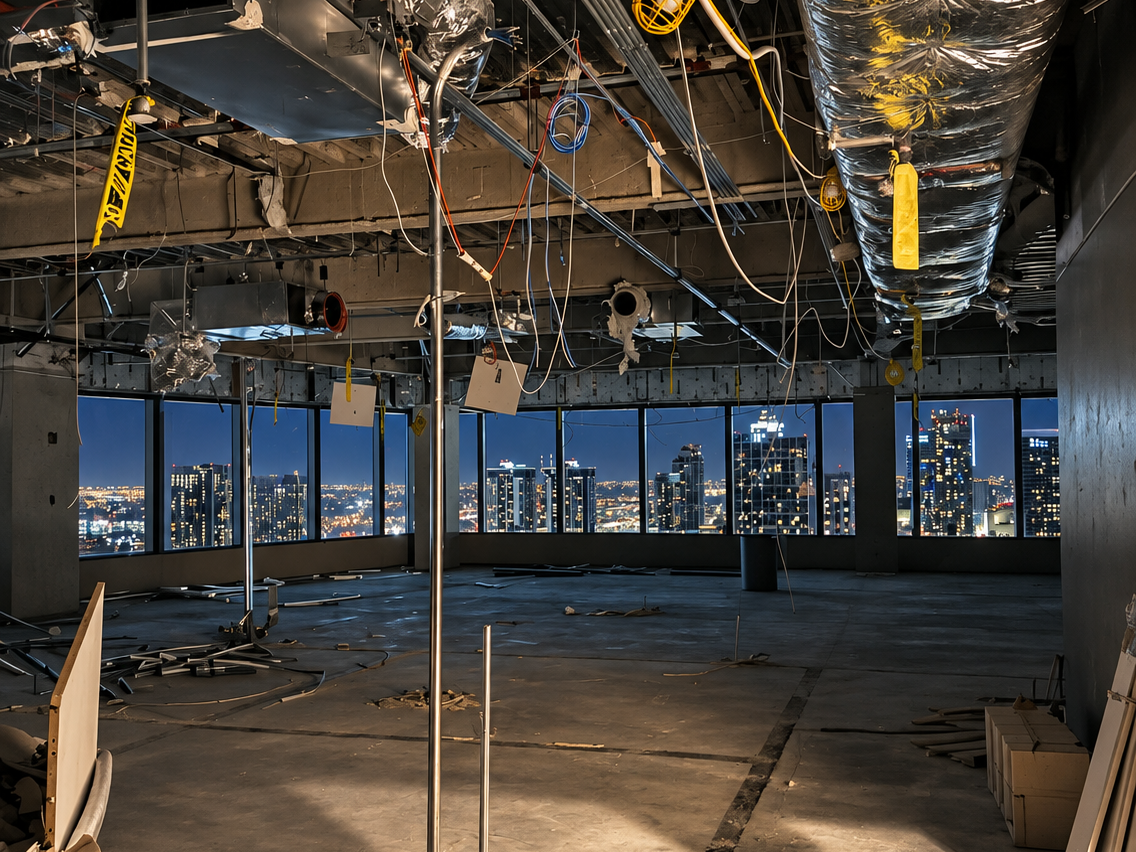
Commercial interior demolition helps prepare the property for its next use by clearing designated materials and exposing areas that require further renovation.
Consider an existing Miami storefront transitioning from a clothing retailer to a café.
Although the exterior building may remain largely unchanged, the interior requirements can be significantly different. The new tenant may need updated service areas, different circulation patterns, and modifications to accommodate new equipment.
A properly coordinated demolition scope allows the general contractor to prepare the space for those changes.
Across multiple commercial properties, this type of reinvestment can contribute to the continued usefulness of neighborhood storefronts and business districts.
Preserving What Works While Making Room for Change
Demolition and preservation may seem like opposite concepts, but they can work together during commercial renovations.
Not every part of an older building needs to be removed.
In some projects, existing structural elements, exterior walls, storefront components, or architectural features can remain while designated interior materials are demolished.
This is where selective demolition becomes particularly valuable.
Rather than treating every component as disposable, the demolition scope distinguishes between materials scheduled for removal and elements that must be protected.
For general contractors, this requires clear drawings, defined scope boundaries, and coordination with the other construction trades.
For property owners, it creates an opportunity to improve the functionality of a commercial space while retaining suitable existing building elements.
The approach is especially relevant in established neighborhoods where a building’s character may contribute to the identity of the surrounding area.
The Importance of Coordination in Established Commercial Districts
Commercial demolition projects in Miami’s neighborhoods often take place near active businesses, occupied buildings, and pedestrian areas.
A renovation may involve a single tenant space within a shopping plaza, a ground-floor retail location, or a commercial property surrounded by other operating businesses.
These environments can create site-specific considerations involving:
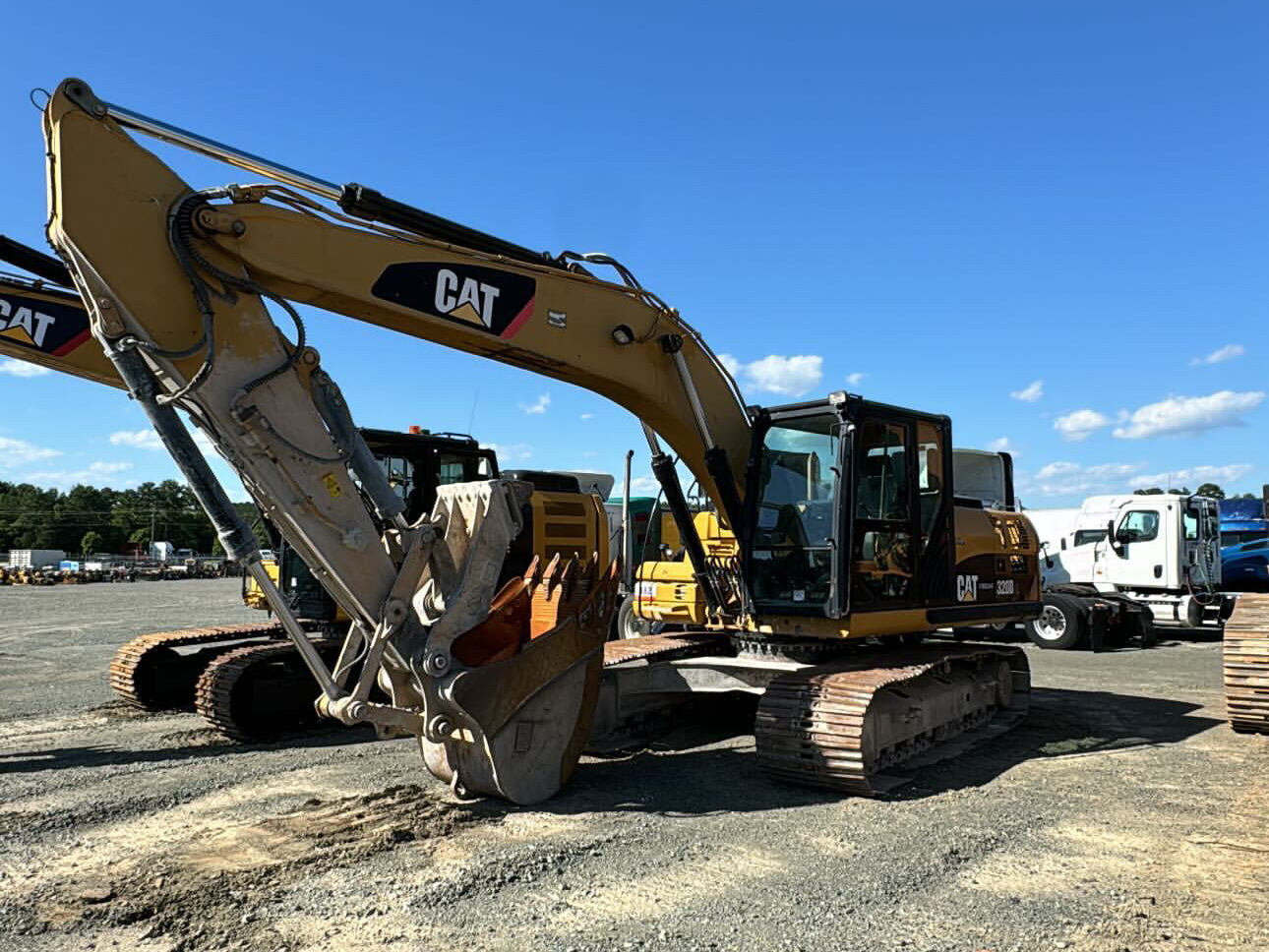
- Access for demolition crews and equipment
- Designated areas for material loading and removal
- Protection of adjacent occupied spaces
- Coordination with building management
- Restrictions on construction hours or delivery schedules
- Protection of existing building systems and components
Because neighborhood commercial properties vary in age, layout, and accessibility, demolition planning should reflect the actual conditions of each site.
Effective coordination helps the demolition phase fit into the larger renovation schedule while reducing unnecessary interference with surrounding operations.
Building the Next Chapter of Miami’s Commercial Spaces
Miami’s neighborhoods continue to change as businesses evolve, property owners reinvest, and existing spaces are adapted for new purposes.
Not every improvement requires a new building.
Sometimes, revitalization begins with transforming an existing storefront, updating a commercial interior, or preparing an older property for a new tenant.
Commercial demolition in Miami plays a practical role in these projects by removing designated materials and preparing spaces for their next stage of construction.
At Next Gen Construction & Demolition, we specialize in commercial demolition services throughout South Florida, working with general contractors and construction teams on interior demolition, selective demolition, and commercial renovation projects.
Whether a project involves an established retail property, office renovation, restaurant buildout, or another commercial space, our team is ready to review the demolition scope and provide competitive pricing.
Planning a commercial renovation in Miami? Contact Next Gen Construction & Demolition to discuss your upcoming project and request a demolition proposal.
Website: https://nextgendemolitionmiami.com/